The Future of Cybersecurity: Zero Trust Architecture and the Role of AI
- Security
- Exien
- · Updated
Zero Trust is a security model built on one rule, "Never Trust, Always Verify," which treats every access attempt as a potential threat, whether it comes from inside or outside the network. AI is what makes Zero Trust workable at scale, but it is also becoming a weapon for hackers, so the real goal is cyber resilience rather than perfect defense.
Why did perimeter security stop working?
The old ‘Castle’ and ‘Moat’ model collapsed because cloud services, remote work and mobile devices erased the boundary it depended on. That model built a strong firewall between the company's internal network (castle) and the external Internet (outside the castle), and unconditionally trusted anyone who passed through the castle gate (those accessing the company's network).
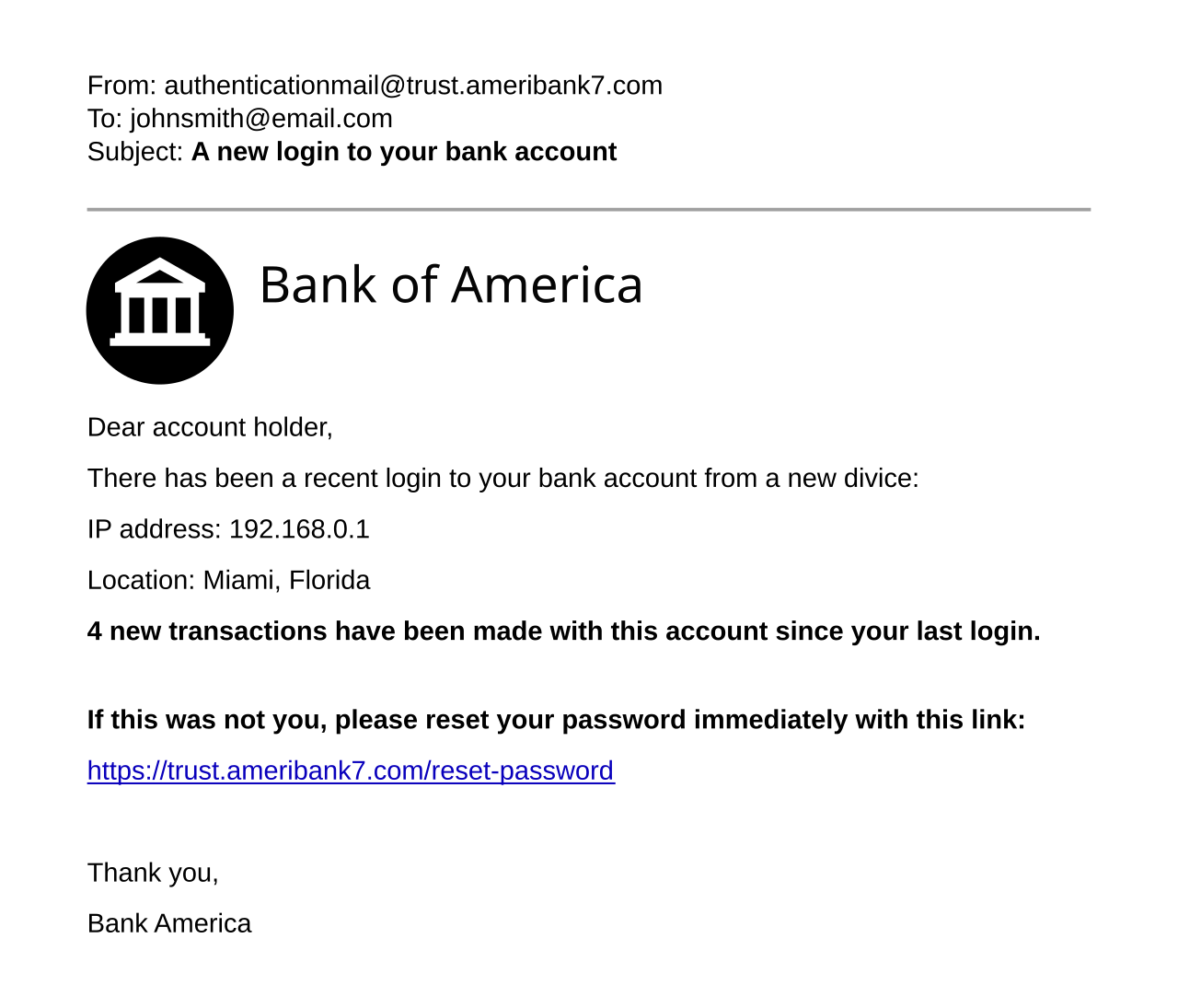
Today employees access the cloud from a cafe to handle confidential documents, and hackers steal internal employees' rights with one sophisticated phishing email and pass through the firewall with ease. In an age where “inside is safe and outside is dangerous” no longer applies, Zero Trust has emerged as the alternative security paradigm.
1. What is Zero Trust?
The core philosophy of Zero Trust fits in one sentence: "Never Trust, Always Verify."
Every connection attempt is considered a potential threat by default, regardless of whether the user is on the company's internal network or using the boss' laptop. Whenever someone tries to access specific data or applications, the architecture continuously and rigorously verifies the user's identity, device safety status, access location and time, etc.
What are the three core principles of Zero Trust?
- Verify Explicitly of all connections: ID and password alone are not enough. Access is granted by comprehensively assessing multi-factor authentication (MFA), device health status (vaccine update status, etc.), and user location.
- Use Least Privileged Access: Grant only the permissions necessary for the user to perform the task (Just-Enough-Access), and only for that period of time (Just-In-Time). This minimizes the area a hacker can reach even if an account is hijacked, preventing lateral movement.
- Assume Breach: Design defenses assuming “our system has already been breached.” By dividing the network into very small units (micro-segmentation), even if one server is hacked, malware is isolated from spreading to other servers, and all communications are encrypted.
2. How does AI change cybersecurity?
AI and Machine Learning (ML) are the essential shield for Zero Trust, because the amount of data and logs that must be verified grows astronomically and humans cannot analyze them individually to detect abnormalities.
How do defenders use AI?
- Real-time threat detection and pattern analysis: AI analyzes millions of network traffic logs per second and immediately detects subtle abnormal behavior patterns (Anomaly), such as “Assistant Manager Kim usually connects from Seoul at 9 a.m., but now at 3 a.m. he is downloading a large amount of data from an overseas IP,” and blocks the account.
- Security Assessment Automation (SOAR): You can't wait for security personnel to come to work when a hacking attempt is detected. Based on predefined playbooks, the AI system automates the initial response, including immediately isolating compromised PCs from the network and notifying administrators.
- Intelligent phishing and malware blocking: AI models learn the characteristics of increasingly sophisticated deepfake-based phishing attacks or new ransomware that bypasses existing vaccines, and block them preemptively.
How do attackers weaponize AI?
Paradoxically, AI is also becoming a powerful weapon for hackers, which is called the ‘double-edged sword of security’.
- Abuse generative AI (ChatGPT, etc.) to create large quantities of customized spear phishing emails with perfect grammar.
- Use AI to analyze security system patterns and create polymorphic malware that transforms its code in real time to bypass detection.
Can any system be perfectly secure?
No. No matter how strong a zero trust architecture and AI defense system you build, you cannot reduce the probability of being hacked to '0%'. An old adage in the security world says: "If you want complete security, unplug your computer and bury it in the ground."
The ultimate goal of cybersecurity after 2024 is therefore to acknowledge that defenses can fail and cultivate 'Cyber Resilience': how quickly business damage can be minimized and operations restored to normal when a breach occurs. A thorough backup system, regular mock hacking training, and raising security awareness among executives and employees will be the most reliable shield against hackers' AI spears.