Why do some coins have rough, bumpy edges while others are perfectly smooth?
- Lifestyle
- 27 Sep, 2026
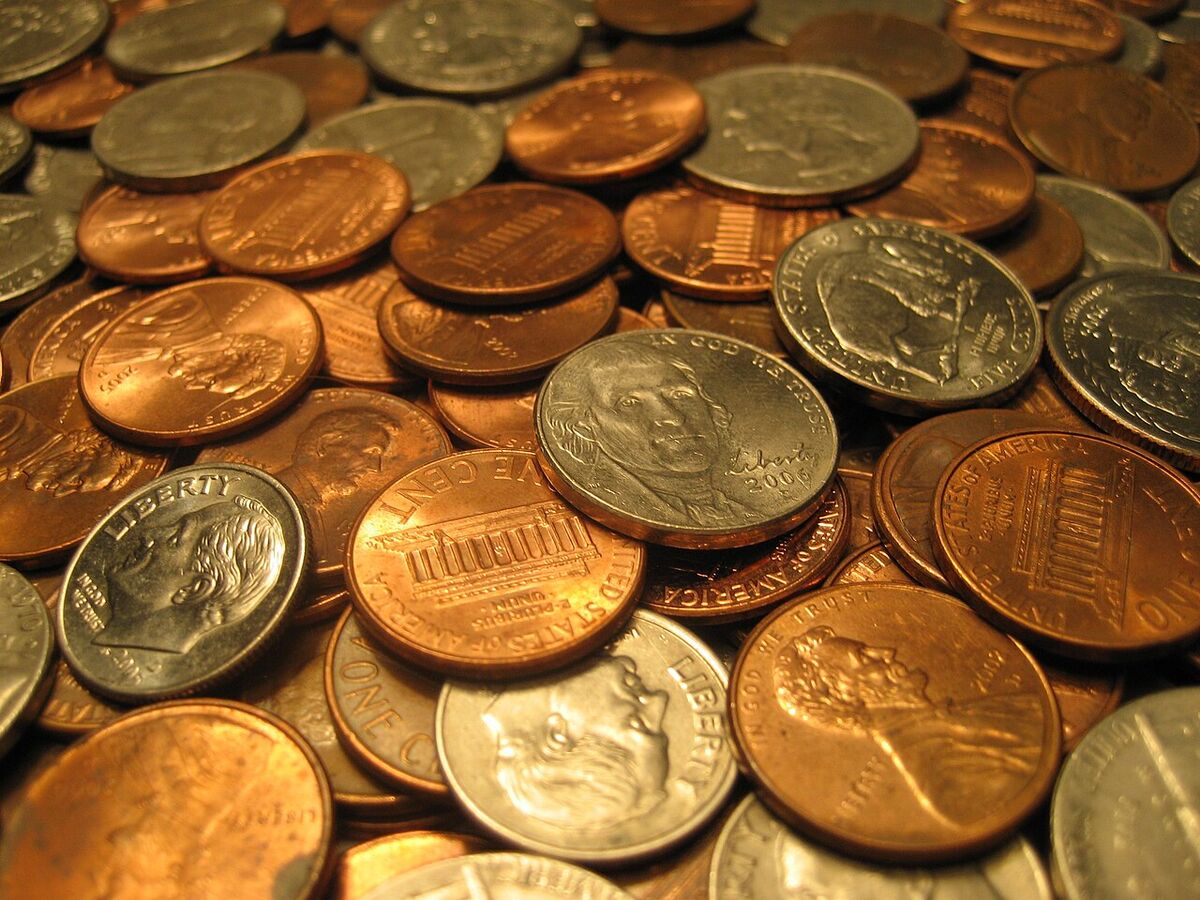
Take a look at the spare change in your pocket or purse. If you run your thumb along the edge of a penny or a nickel, it feels completely smooth. But if you do the exact same thing with a quarter or a dime, you will feel a series of tiny, rough ridges all the way around the rim.
For the longest time, I thought this was just a modern design choice to help blind individuals tell the coins apart by touch (which it does help with today!). But the actual reason these ridges exist is completely different. It is a brilliant, centuries-old solution to a very serious crime problem.
The Problem of "Coin Clipping"
To understand why ridges exist, we have to travel back a few hundred years. Long before credit cards or paper money backed by governments, the value of a coin was determined entirely by the actual precious metal it was made of. A gold coin was worth its weight in gold; a silver coin was worth its weight in silver.
Because of this, criminals quickly figured out a clever, nearly undetectable way to steal money. They would take a sharp tool and shave or "clip" tiny, almost unnoticeable pieces of metal off the edges of the silver and gold coins they possessed.
Over time, a thief could collect a substantial pile of these silver and gold shavings and melt them down into entirely new, illegal coins, or just sell the raw metal for a massive profit. Meanwhile, they would pass the shaved, now-underweight coins back into circulation at their original face value. This practice, known as coin clipping, was completely destroying the economy.
Sir Isaac Newton's Brilliant Solution
The problem got so bad in England that the government needed a foolproof way to stop it. Enter a name you probably recognize from physics class: Sir Isaac Newton.
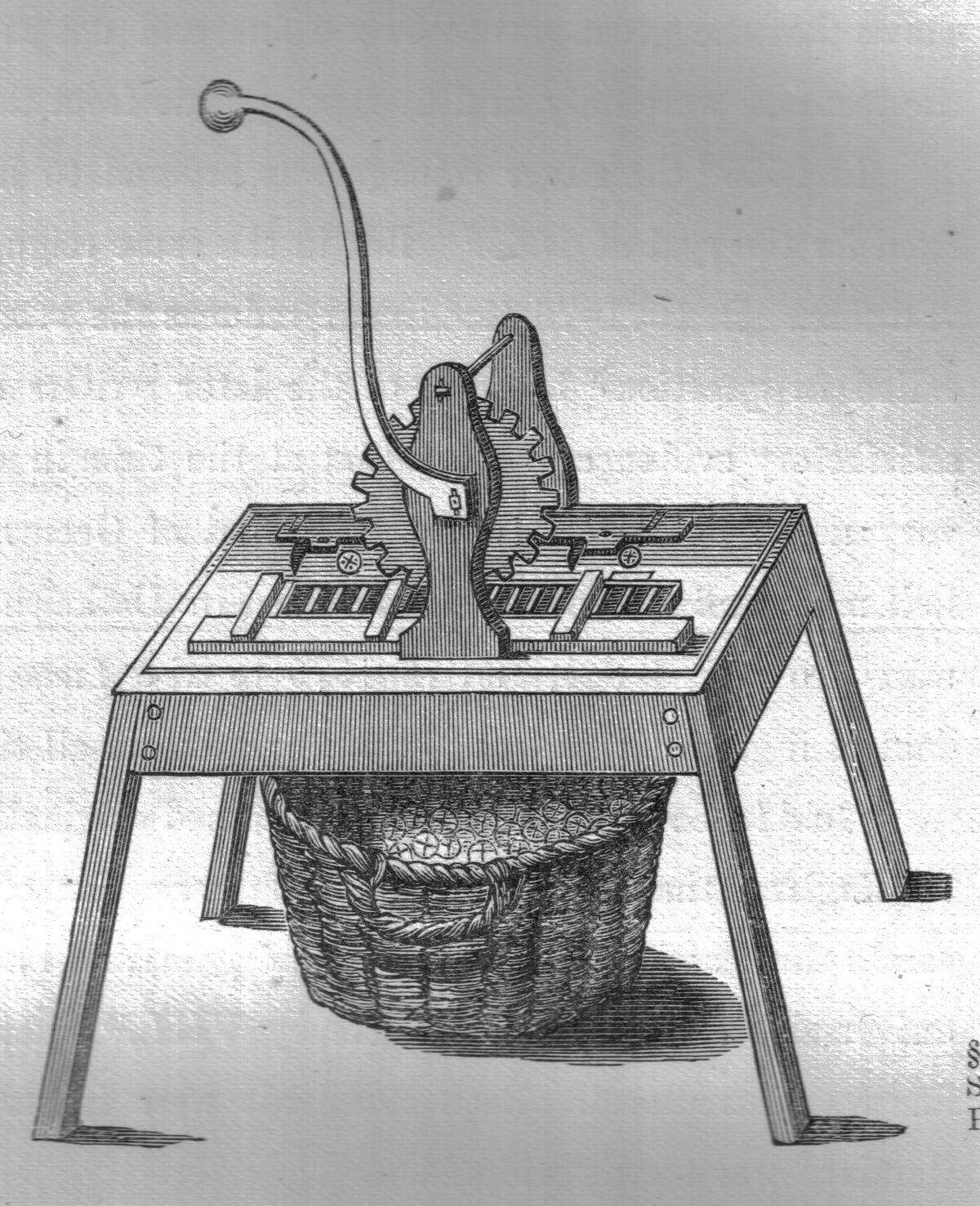
In the late 1600s, Newton was appointed as the Warden of the Royal Mint. He was tasked with fixing the country's currency crisis. His solution was incredibly simple but brilliantly effective. He introduced the process of "milling" the edges of high-value coins.
By pressing a distinct, ridged pattern onto the rim of every new silver and gold coin, it became instantly obvious if a coin had been tampered with. If a thief tried to shave off the edge, they would shave off the ridges. Anyone accepting the coin could simply rub their thumb along the edge. If it was smooth, they knew immediately it had been clipped and was no longer worth its full value.
Why Are Pennies and Nickels Smooth?
So, if ridges are so great, why don't all coins have them?
It all comes down to the metals used. Historically, lower-value coins like pennies and nickels were made from base metals like copper or, well, nickel. These metals were cheap and abundant.
It simply wasn't worth a criminal's time or effort to painstakingly shave tiny slivers of copper off a penny. The shavings would be practically worthless. Because there was no threat of coin clipping for these low-value denominations, the government saved time and money by leaving their edges perfectly smooth.
The Legacy of the Ridges Today
Today, in 2026, very few circulating coins around the world contain actual precious metals. A modern quarter is just a mix of copper and nickel; the metal itself is worth far less than 25 cents. No one is shaving the edges off modern coins because there is no profit in it.
Yet, mints around the world have kept the tradition alive. The ridges remain on higher-denomination coins largely out of historical habit, and, as an added bonus, they make it incredibly easy for visually impaired individuals, or just anyone digging in their pocket without looking, to distinguish the coins from one another.
So the next time you flip a quarter, take a moment to appreciate those little bumps on the edge. You are holding a piece of 17th-century anti-theft technology right in the palm of your hand.