The Surprising Reason Your Notebooks Have Margins
- Lifestyle
- John Doe
- · Updated
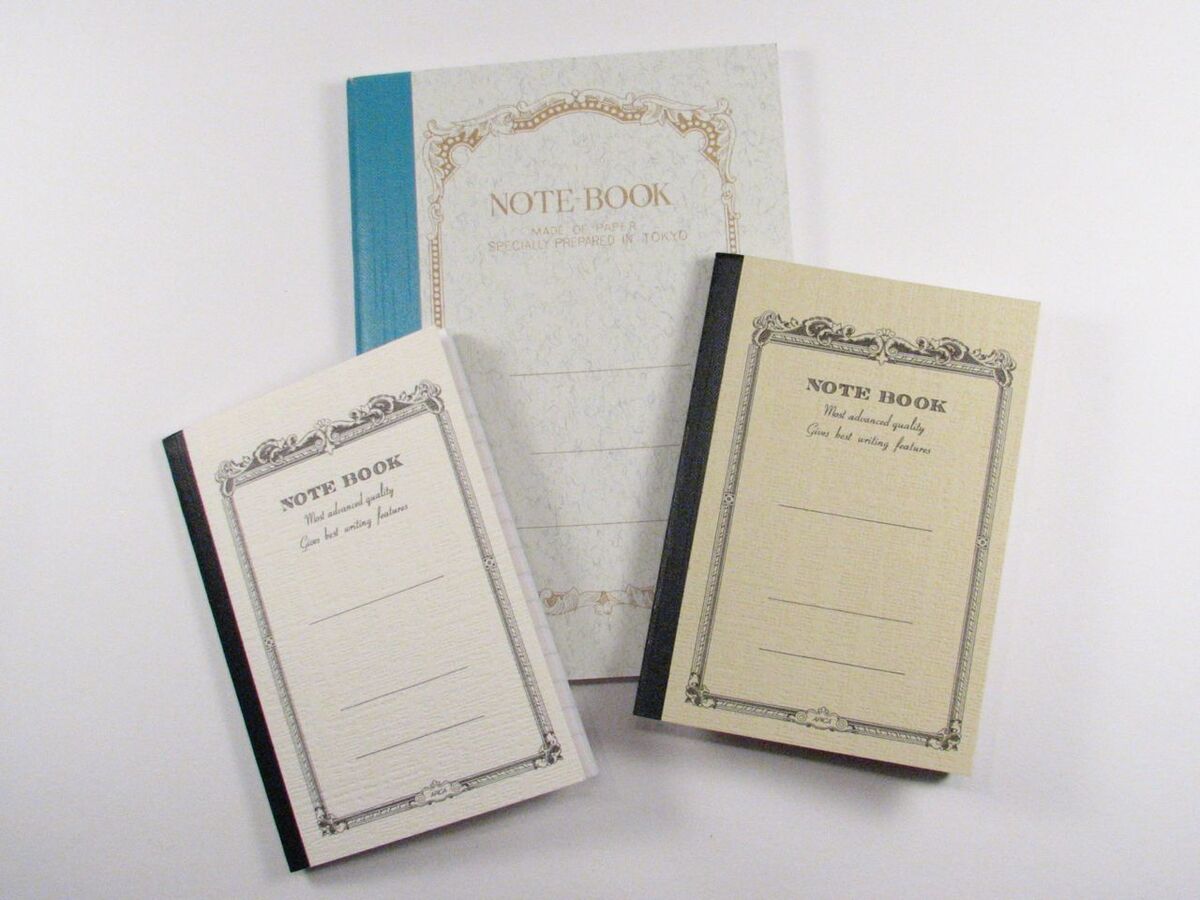
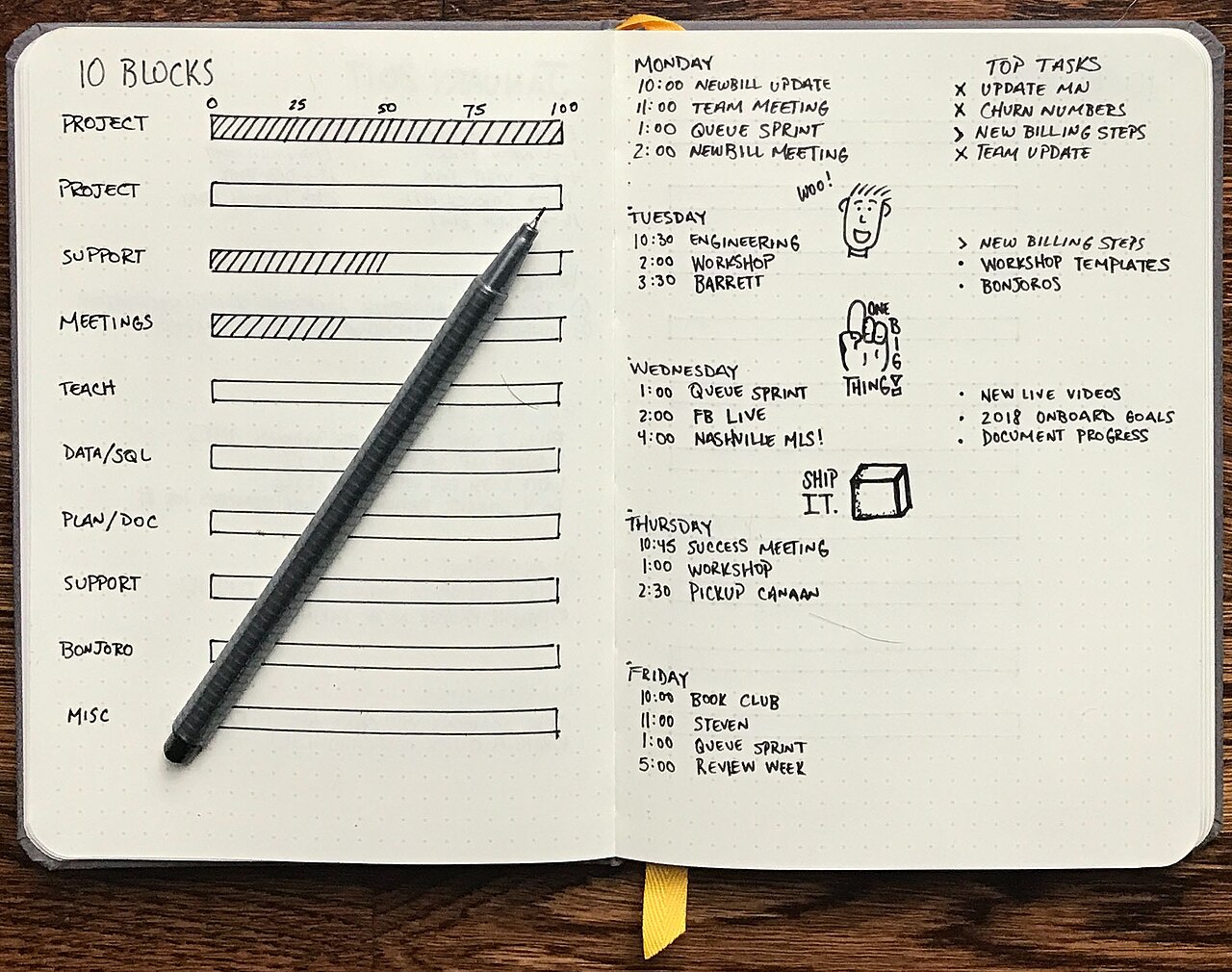
Open almost any notebook or piece of loose-leaf paper, and you'll immediately see it: that red vertical line drawn down the left side, creating a blank space known as the margin. Today, we use this space for numbering lists, jotting down quick notes, or even doodling during a long meeting. But did you know that the margin wasn't actually invented for writing?
The true history of the notebook margin is a lot more practical, and a bit weirder, than you might think. Let's explore the surprising reason why our paper has margins.
A Problem of Pests
To understand the origin of the margin, we have to travel back in time to an era long before digital storage, when all important records, books, and documents were kept entirely on paper.
In historical libraries and offices, there was a constant and significant threat to these important documents: rats and mice. Rodents are notorious for chewing on just about anything, and they found paper to be an excellent material for building their nests. When rats invaded a storage room, they would naturally nibble on the outer edges of the stacked paper and books first.
Protecting the Important Stuff
Imagine losing vital historical records, legal documents, or years of accounting simply because a mouse got hungry! To combat this problem, paper manufacturers and scribes came up with a simple but brilliant solution.
They began leaving wide, blank spaces around the edges of the paper before writing any important text. This way, if (and when) rats and mice chewed on the edges of the documents, they would only be eating blank paper. The important writing safely contained within the center of the page remained perfectly intact.
The vertical red line we see today was eventually added as a visual guide to ensure writers kept their text away from the "danger zone."
From Rat Protection to Teacher's Tool
As time went on, building conditions improved, and rat infestations became less of a daily threat to documents. However, the margins remained because people found new, practical uses for them.
Teachers realized that the blank space was perfect for leaving grades, corrections, and comments on students' homework. Professionals used the margins for annotations and indexing. What started as a physical buffer against pests evolved into a standard formatting tool that helps organize our thoughts today.
The Margin Today
It's fascinating to think that a design feature created to outsmart rodents hundreds of years ago is still a staple in every classroom and office around the world today.
- Next time you write: Take a look at that red line and remember the important job it used to do.
- Share the knowledge: This is a fantastic bit of trivia to share with kids going back to school or colleagues during a break.
- Appreciate the evolution: It's a great example of how a practical solution to a historical problem can evolve into a permanent part of our everyday lives.
So, go ahead and use that margin for your doodles and extra notes—the rats won't mind!