Green IT and the Rise of Sustainable Software Engineering
- IT Trends, Software Engineering
- Exien
- · Updated
Software has a real carbon footprint, and sustainable software engineering reduces it through three practical levers: energy-efficient code, right-sized cloud infrastructure, and carbon-aware computing. The same practices also lower cloud costs, but accurately measuring software emissions remains the field's biggest unsolved problem.
Does software really have a carbon footprint?
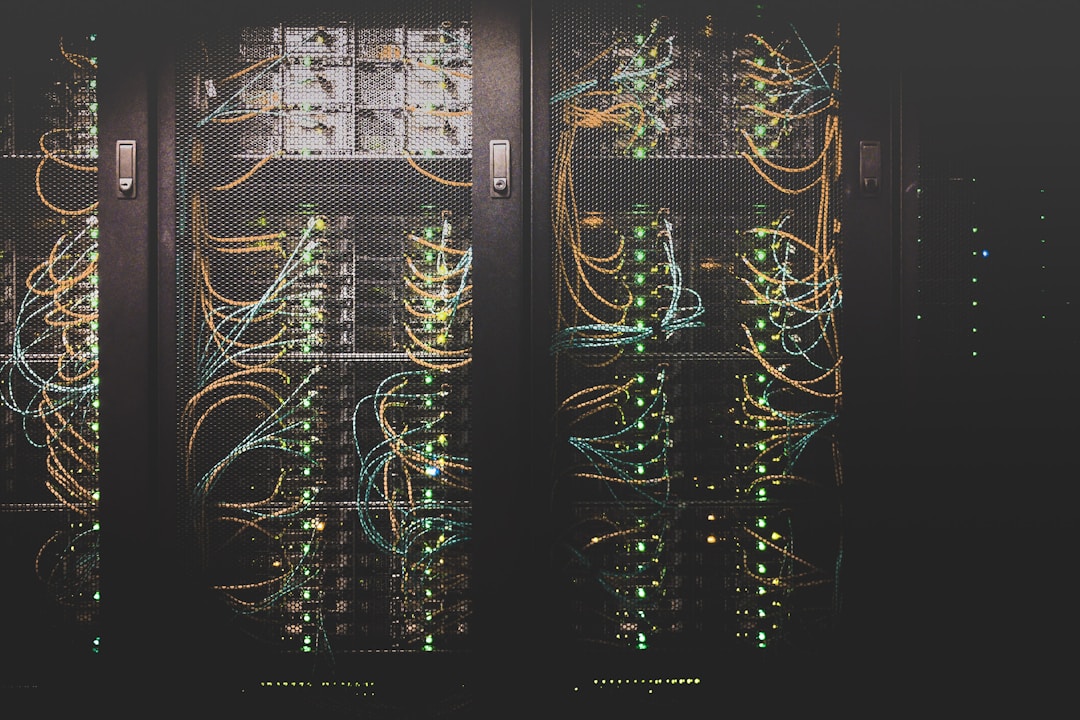
Yes. It's easy to think that software or cloud computing has nothing to do with environmental pollution because it doesn't spew soot from factory chimneys. However, behind the high-definition Netflix videos we carelessly watch every day, our conversations with ChatGPT, and the app data constantly updating in the background of our smartphones, massive data centers that account for a significant portion of global power consumption are running day and night.
As the scale of AI computation grows exponentially and cloud infrastructure expands, the greenhouse gases emitted by the IT industry have long surpassed the emissions of the global aviation industry. Accordingly, among the most urgent topics in the tech industry in 2026 are Green IT, an eco-friendly technology policy, and Sustainable Software Engineering.
What is Green IT?
Green IT refers to all activities that minimize negative impacts on the environment throughout the entire lifecycle of information technology systems, from design, manufacturing, and operation to disposal. Initially, the focus was on a hardware approach: improving data center power efficiency or manufacturing devices using recycled materials.
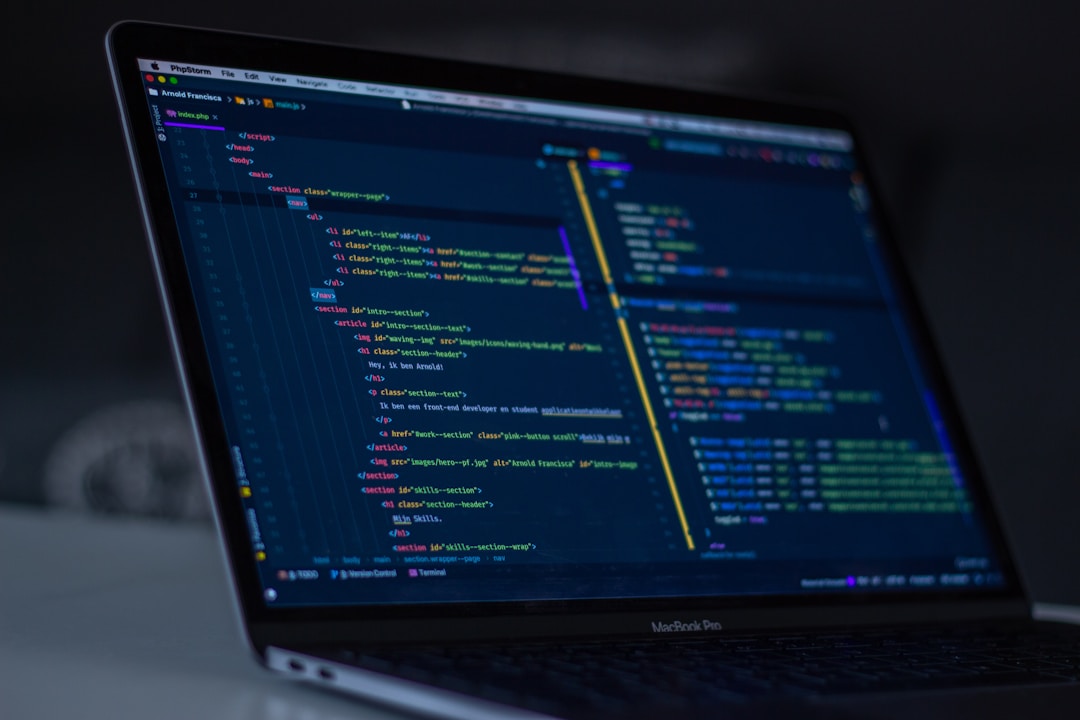
Recently, however, the scope has expanded, and efforts are in full swing to analyze how a 'single line of code' written by developers affects carbon emissions and to maximize energy efficiency at the software architecture level. As corporate ESG (Environmental, Social, Governance) management has become mandatory, carbon emission reduction has become a core KPI (Key Performance Indicator) rather than just a marketing term.
How can developers practice sustainable software engineering?
Developers can apply three core strategies immediately in practice.
① Energy-Efficient Code Writing and Optimization
The faster a program runs and the less CPU and memory it uses, the more energy is saved.
- Algorithm Optimization: Reduce unnecessary loops and choose algorithms with high data processing efficiency. Improving an O(n^2) algorithm to O(n log n) is directly linked not only to performance but also to reducing carbon emissions.
- Impact of Language Choice: Compiled, low-level languages like Rust and C++ consume significantly less energy for the same computations compared to interpreted languages like Python or Ruby. Cases of transitioning microservices in high-performance backend infrastructure to Rust and the like are increasing.
② Cloud Infrastructure and Architecture Optimization
- Right-sizing: Identify 'zombie instances' that are turned on but not used in the cloud environment, or server resources allocated unnecessarily large (Over-provisioning), and scale them down to appropriate sizes.
- Utilizing Serverless and Containers: A serverless architecture that scales computing resources down to zero (Scale-to-zero) when there is no traffic is one of the best ways to save energy.
③ Carbon-aware Computing
Carbon-aware computing automatically moves delay-tolerant workloads, such as deployments or large-scale data analysis batch jobs, to run at times with low energy intensity or in regions with a high proportion of renewable energy. The energy supplied to the power grid varies by time of day and region: at times the proportion of renewable energy like solar or wind is high, and at other times the proportion of coal power is high.
Why is measuring software emissions still hard?
The biggest dilemma of sustainable engineering is that you can't improve what you can't measure, and measuring the exact carbon footprint emitted by software is very tricky. Although cloud providers (AWS, Azure, GCP) offer their own carbon emission calculation tools, the standards are fragmented, and open-source standard tools that comprehensively measure emissions from development equipment and network transmission urgently need to mature.
Conclusion: A New Social Responsibility for Developers
Green IT is not simply a moral slogan but a very practical business strategy directly linked to cost reduction (Cloud Cost Optimization, FinOps). Code that uses fewer computing resources brings a triple effect: lower maintenance costs, better service performance, and environmental protection.
Software engineers of the future have taken on a new ethical and social responsibility: beyond satisfying functional requirements and fixing bugs, they must consider the impact their code will have on the Earth's climate right from the design stage.