Spatial Computing and the Evolution of the Metaverse: Apple Vision Pro and Beyond
- IT Trends
- Exien
- · Updated
Spatial computing uses physical space itself as a canvas, blending digital information into the room around you instead of confining it to a flat screen. Apple's Vision Pro, launched in early 2024, opened this era, but weight, price and a lack of killer apps still stand between spatial computing and smartphone-level adoption.
How did Vision Pro bring spatial computing into focus?
For the past 40 years, we have consumed the digital world trapped in the square ‘flat displays’ of computers and smartphones. In early 2024, Apple launched its first mixed reality (MR) headset, 'Vision Pro', ushering in the era of Spatial Computing, which breaks the limits of the flat surface.
The 'Metaverse', once treated as an overhyped marketing term whose bubble burst, is now entering our lives in a much more realistic and practical form called 'spatial computing'.
1. What is spatial computing, and how is it different from the metaverse?
Spatial computing focuses on mixing (MR, Mixed Reality) by seamlessly overlaying digital information and objects on the 'real-life physical space (room, office)' in which you live. The metaverse of the past had a strong gaming element, in which an avatar played inside a 'virtual world (VR)' made primarily of graphics.
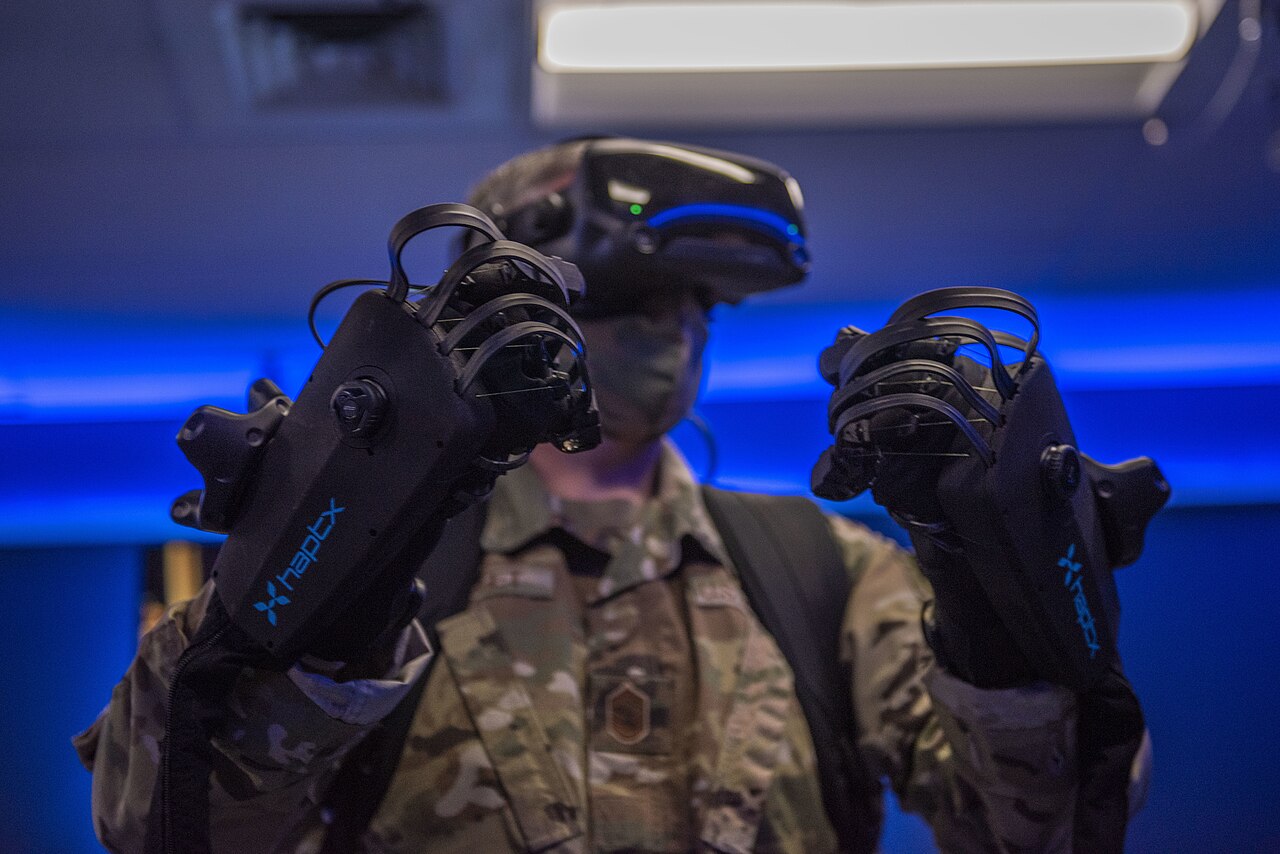
- Interface revolution: Instead of a mouse or touch screen, the user's 'Eye Tracking', 'Finger Gestures (Hand Tracking)', and 'Voice' become the new mouse and keyboard. You can select an app window floating in the air simply by looking at it and scroll by snapping your finger.
- Infinite Canvas: The physical limits of a 13-inch laptop monitor or 27-inch dual monitor disappear. You can multitask by filling your entire room with dozens of giant virtual screens, or instantly turn your living room wall into a 100-inch 4K movie theater.
2. How will spatial computing change everyday life?
Spatial computing is expected to change three areas: how we work, how we are entertained, and how we train.
① How will it change the way we work (Spatial Workspace)?
The ‘business environment (B2B)’ is the first market spatial computing is expected to penetrate.
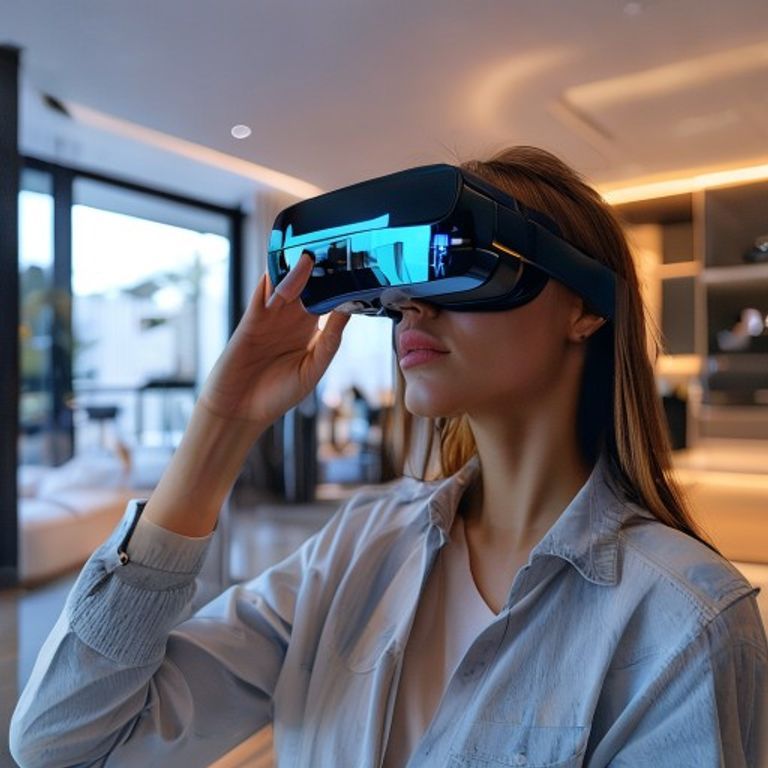
- Infinite Virtual Office: Wearing a headset can create your own dual-monitor office even on a train during a business trip or in a small cafe. You can place Excel windows, web browsers, and Slack messengers throughout the space and work in a highly immersive state.
- Three-dimensional collaboration and design: 3D modeling designers and medical staff no longer have to rotate 3D drawings on a flat monitor. They can float a life-size car engine or 3D model of a human organ on a desk and collaborate with colleagues in real time.
② A new horizon of immersive entertainment
- Watching sports/performances as if you were there: A basketball game or concert filmed in spatial video format can deliver a strong three-dimensional effect and realism, as if the players were in front of your eyes.
- Spatialization of Memories: Beyond flipping through photos, you can record your child's first steps as a 3D spatial video and later relive them as vividly as if you had returned to that time and place.
③ Edtech and simulation education
- Safety training for dangerous industrial sites (construction, factories), pilot flight training that requires expensive equipment, and precise surgical simulations can be practiced endlessly in virtual space without physical risk or cost, dramatically raising the quality of training.
3. What is holding spatial computing back?
Spatial computing devices are still heavy and expensive, and there are many obstacles to overcome before they become as popular as smartphones, even though Apple Vision Pro's hardware performance and eye-tracking technology are impressive.
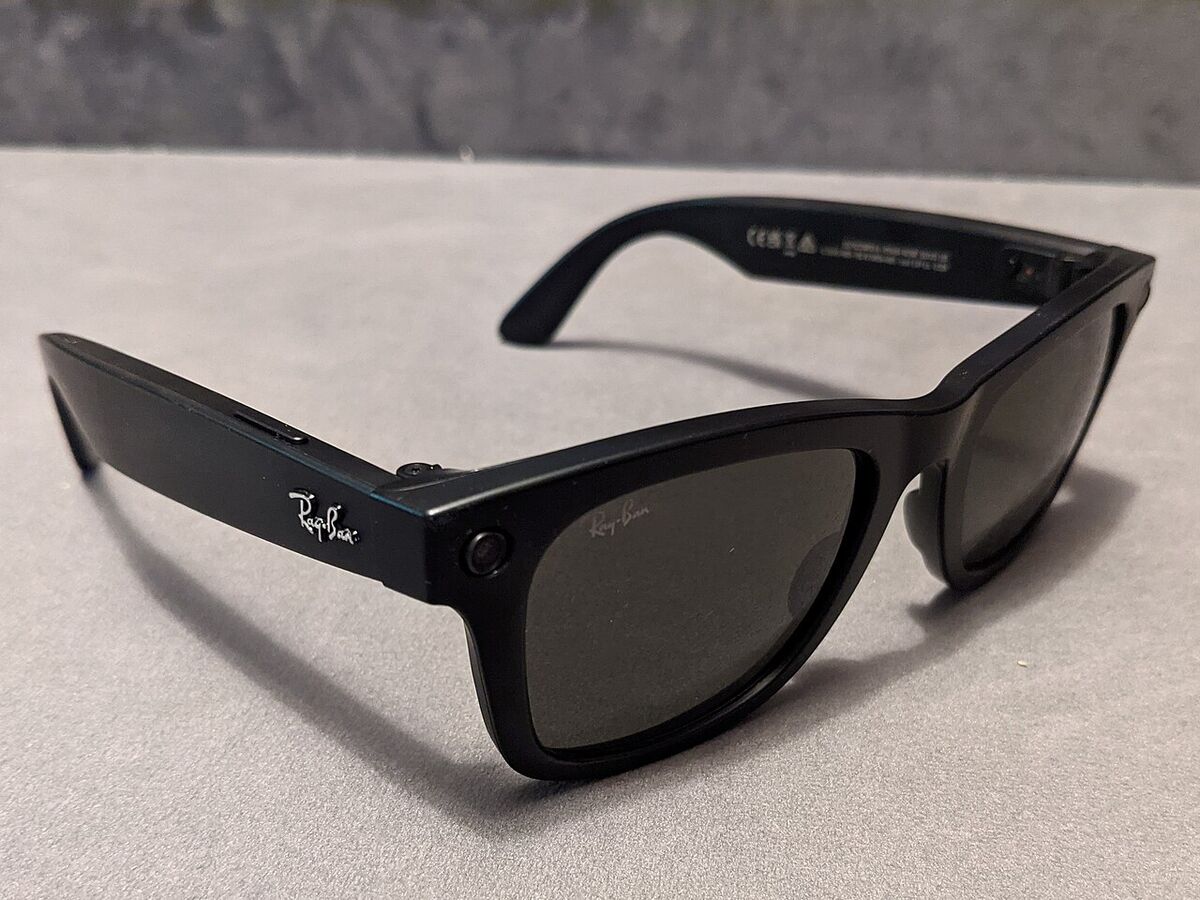
- Form factor limitations (weight and fit): No matter how good the technology is, wearing heavy ski-goggle-like hardware on your face for more than an hour can be very uncomfortable. Battery time is also short at just over 2 hours. True popularization will only be possible once the form factor evolves into lightweight 'normal glasses'.
- Lack of killer content: The hardware is ready, but there is still no ecosystem of essential apps (Killer Apps) worth using every day with the headset on. Even Netflix and YouTube have shown a lukewarm attitude toward dedicated apps.
- High price barrier: Devices costing millions of won are too expensive for the average consumer. Fierce ecosystem competition is expected with devices targeting the lower-priced market, such as Meta's Quest 3.
Is spatial computing the next big platform shift?
I think so: today's bulky, expensive headsets look like the natural growing pains of first-generation devices. When the first iPhone was released in 2007, it was widely criticized for not having a physical keyboard, yet smartphones went on to completely change human life.
A future in which digital information moves beyond square screens and blends in as naturally as the air around us has become an inevitable trend. Developers, planners, and creators should pay attention to this shift in interface (UI/UX) from flat to spatial and think about what opportunities they can seize in the coming digital content ecosystem.