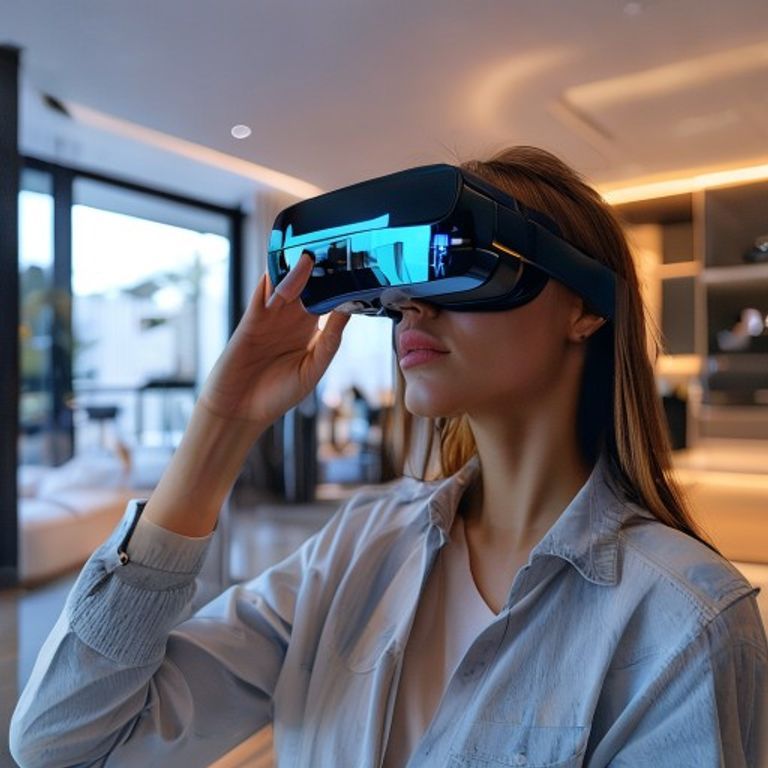
AR Smart Glasses & Spatial Computing: How They Are Changing Our Daily Lives in 2026
- Technology
- Exien
- · Updated
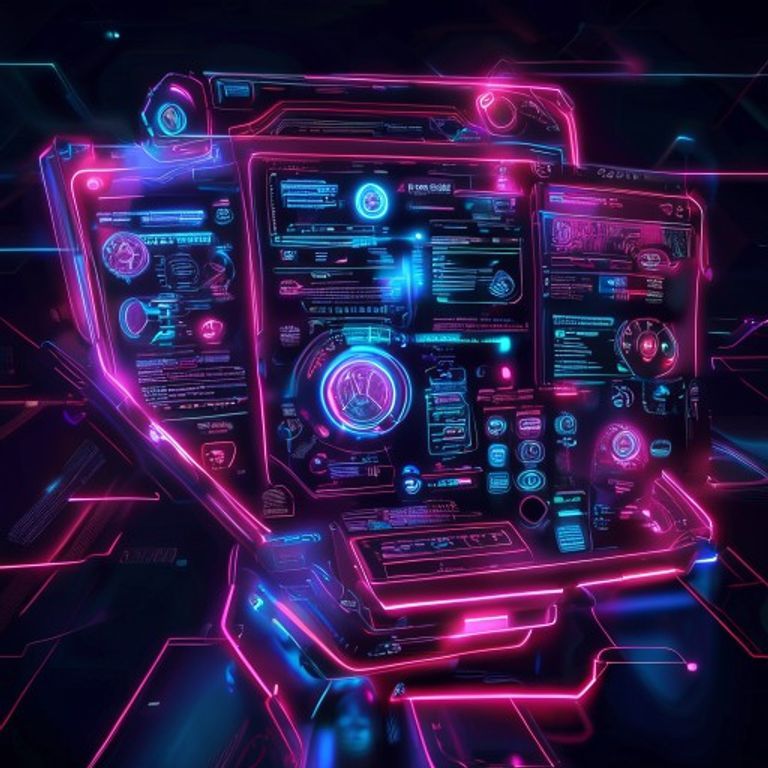
In 2026, AR smart glasses have shrunk from clunky headsets into lightweight frames that look much like ordinary eyewear, and they are moving into everyday life. Through Spatial Computing, they float digital information over the real world for navigation, live translation, extra work screens, and private movie viewing, while raising real questions about privacy, digital fatigue, and safety.
Just a few years ago, when you heard 'Virtual Reality (VR)' or 'Augmented Reality (AR)', you probably pictured someone flailing around with a heavy headset covering half their face. Those devices seemed strictly reserved for hardcore gamers or tech-obsessed early adopters. Now we are breaking out of the small rectangular boundaries of smartphone screens. Below is a friendly, practical breakdown of how these glasses are making life easier, more entertaining, and more productive.
1. How Have Smart Glasses Evolved From Heavy Headsets?
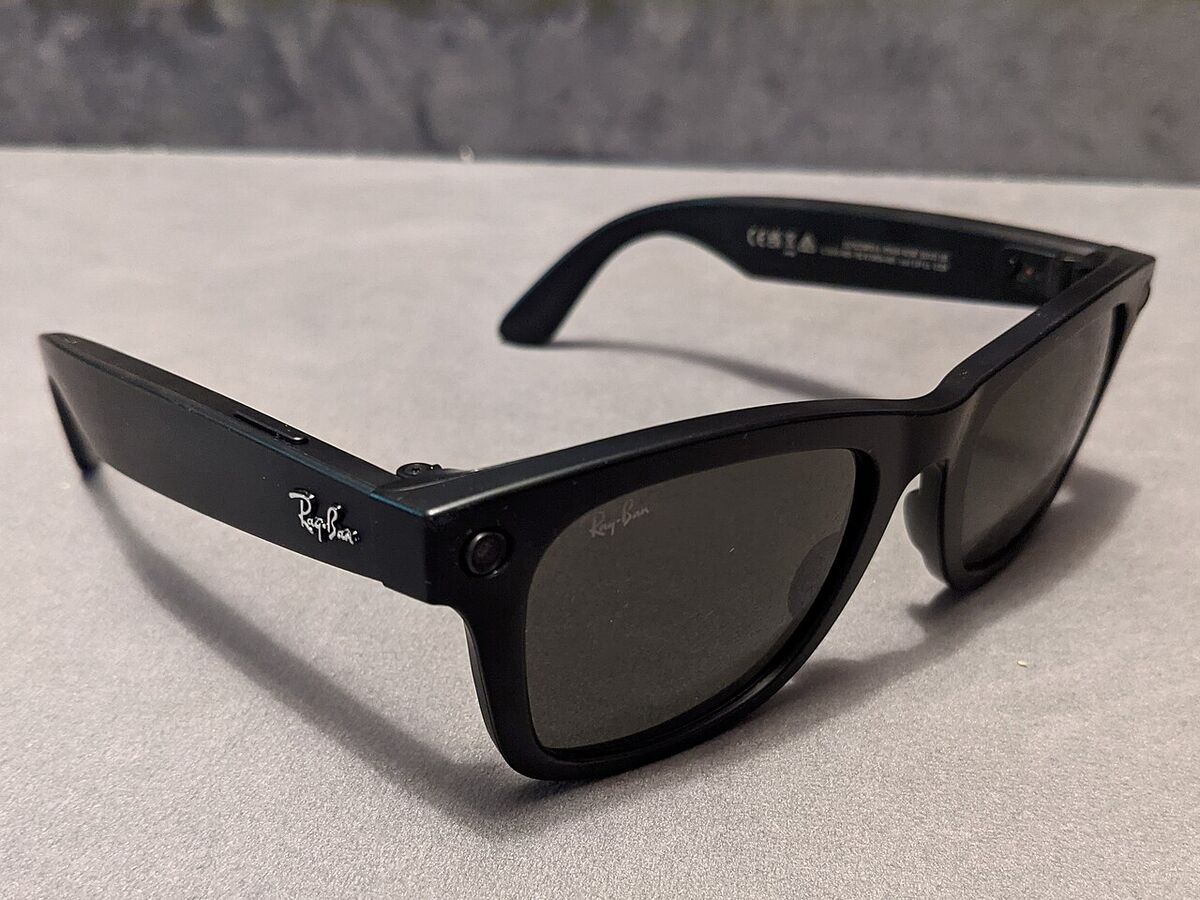
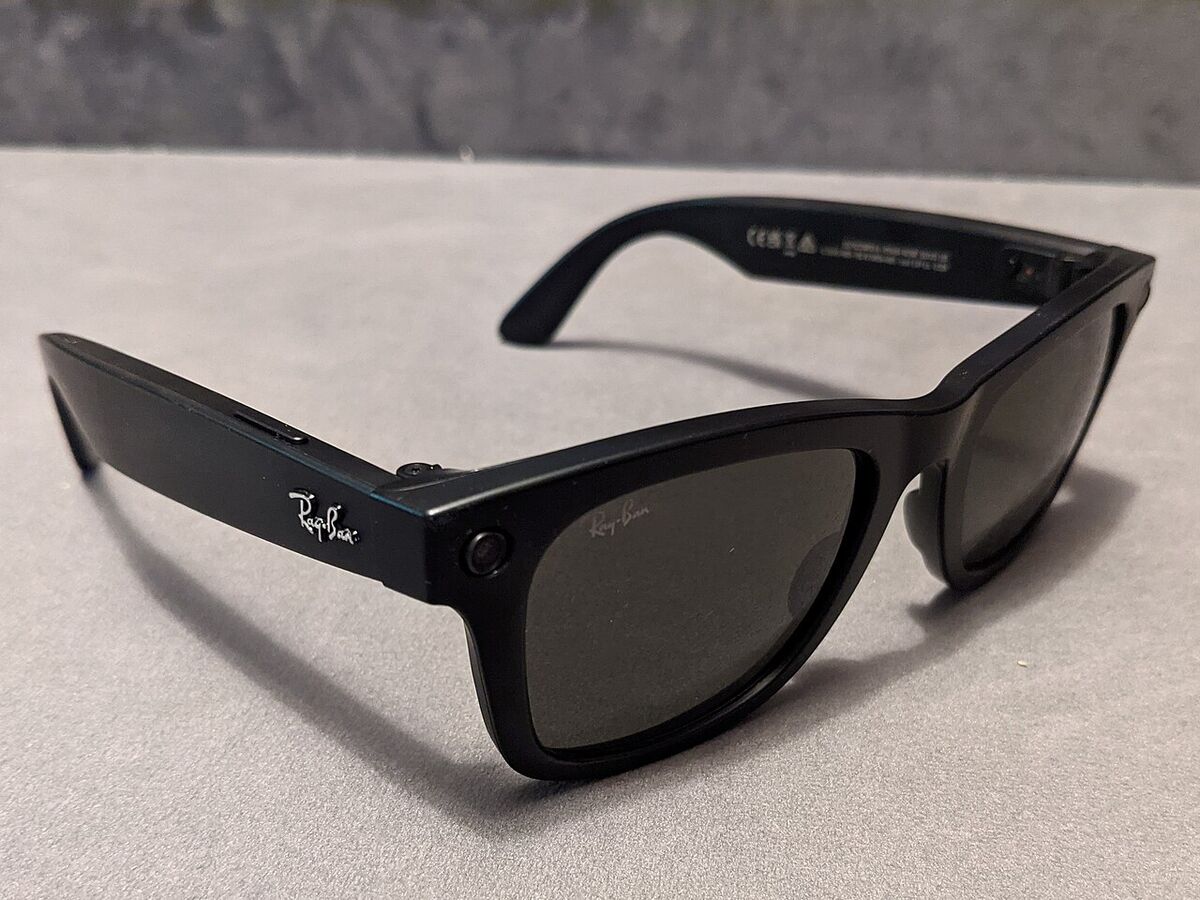
Smart glasses have become light and sleek enough to pass for regular thick-framed glasses or stylish sunglasses. Not too long ago, spatial computing devices drained batteries in minutes, caused severe neck strain, and honestly, looked way too awkward to wear in public. The speed of technological advancement since then has been breathtaking.
- The Perfection of Ultra-Light, Ultra-Thin Design: We are now seeing a flood of smart glasses weighing in at a mere 50g to 60g. Comfort has been drastically improved so that you can wear them for long stretches without indentations on your nose. This leap has transformed a device that was once strictly for home use into a 'daily item' you can wear on your commute, at the cafe, and even at the gym.
- Breakthroughs in Battery and Cooling: Thanks to high-efficiency batteries that tuck neatly into the frames and micro-cooling systems that effectively dissipate heat, you can now enjoy surprisingly long usage times without battery anxiety. Offloading the heavy computational lifting wirelessly to your smartphone has also played a massive role in keeping the glasses feather-light.
- Vibrant, Crisp Micro-OLED Displays: Display technology has taken a quantum leap, so text and images remain sharp even under bright midday sunlight. A virtual 100-inch transparent monitor floating in front of you can blend seamlessly with the real world without any visual dissonance.
2. How Can You Use Smart Glasses Every Day?
Beyond watching videos, smart glasses are most useful for navigation, translation, multitasking, and entertainment on the go. Here are a few practical features that can immediately improve your quality of life.
- A Revolution in Navigation: AR Directions: Have you ever almost bumped into a pole (or another person!) because you were staring down at a map app in a new neighborhood? Put on smart glasses, and giant, holographic arrows appear directly on the real road in front of you, guiding your way. Even in a complex, multi-level subway station, you just follow the virtual line painted on the floor.
- Built-in Real-Time Translator: This is the ultimate travel hack. The glasses listen to someone speaking a foreign language and instantly project translated subtitles right in front of your eyes! If you stare at a foreign menu or street sign, it will overlay the translated text in a similar font, making the 'language barrier' feel far less daunting.
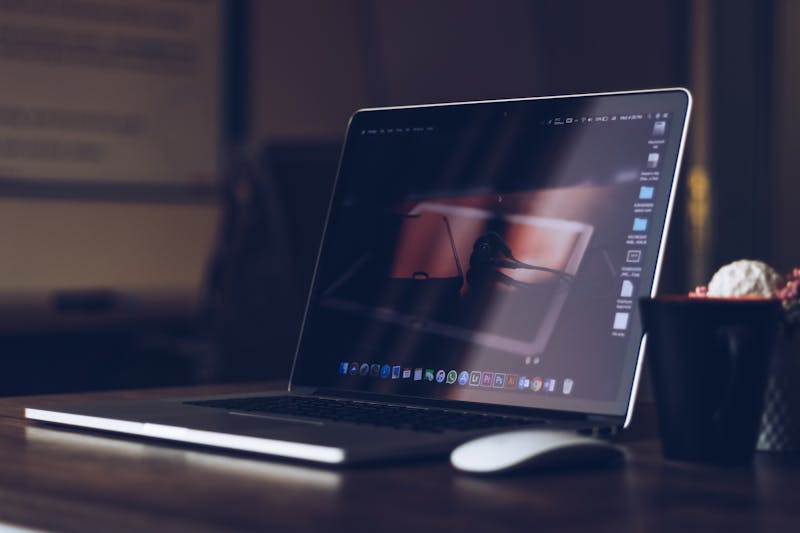
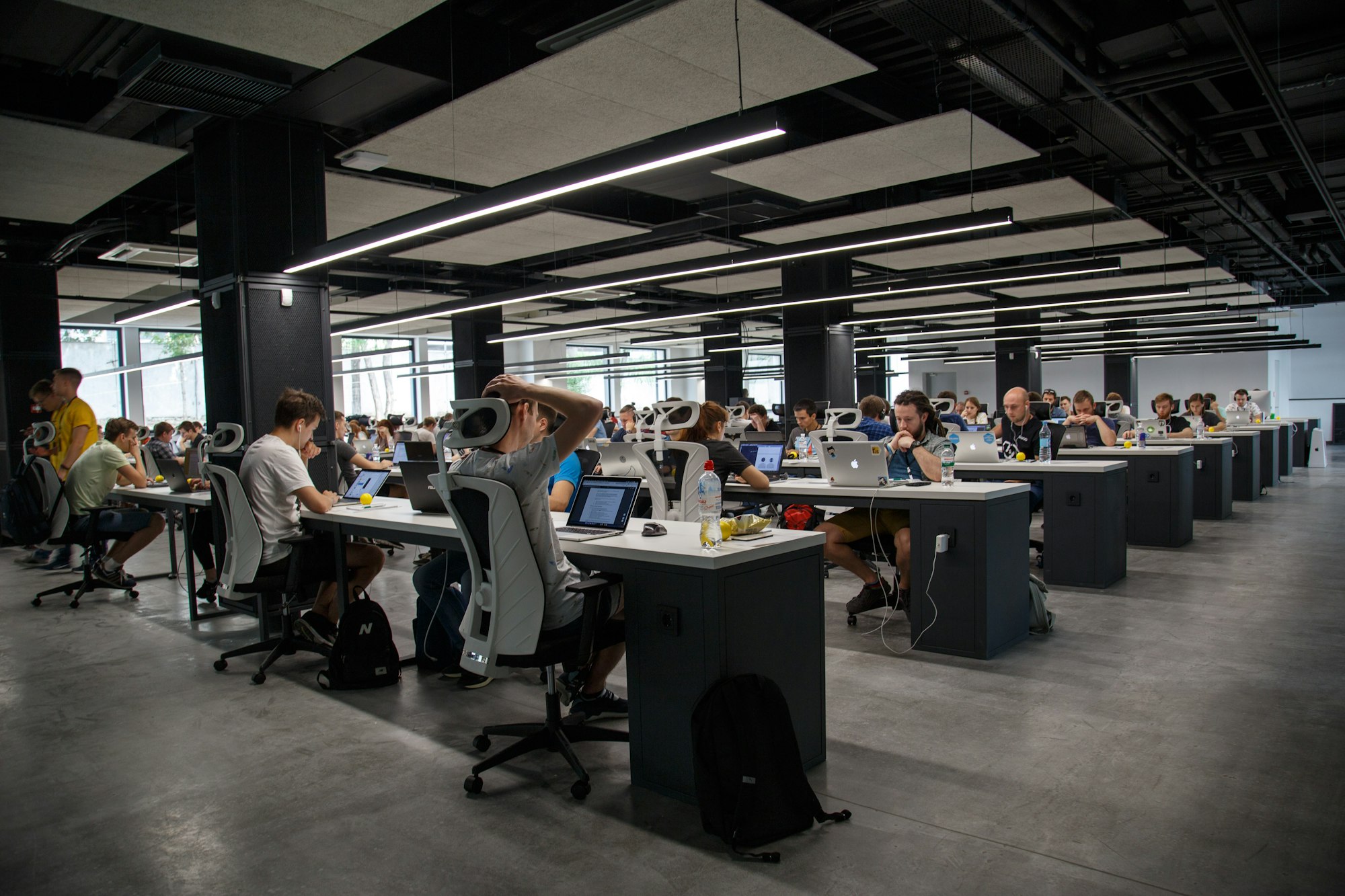
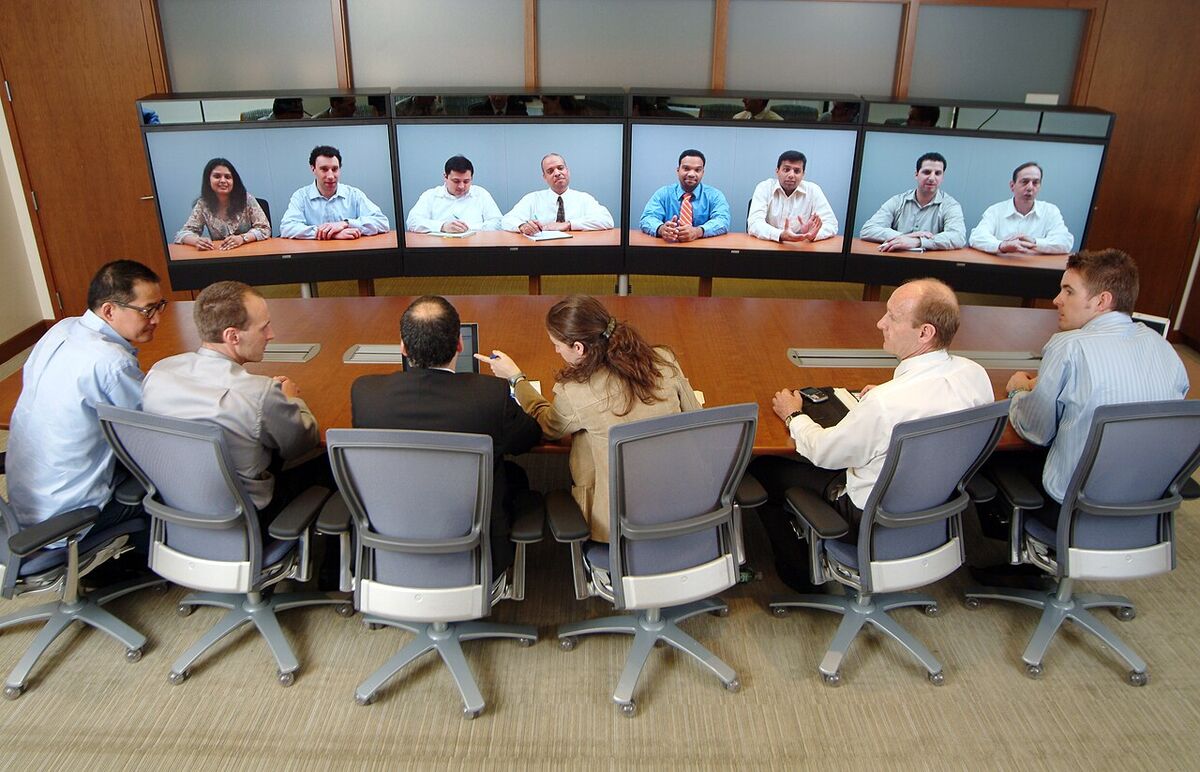
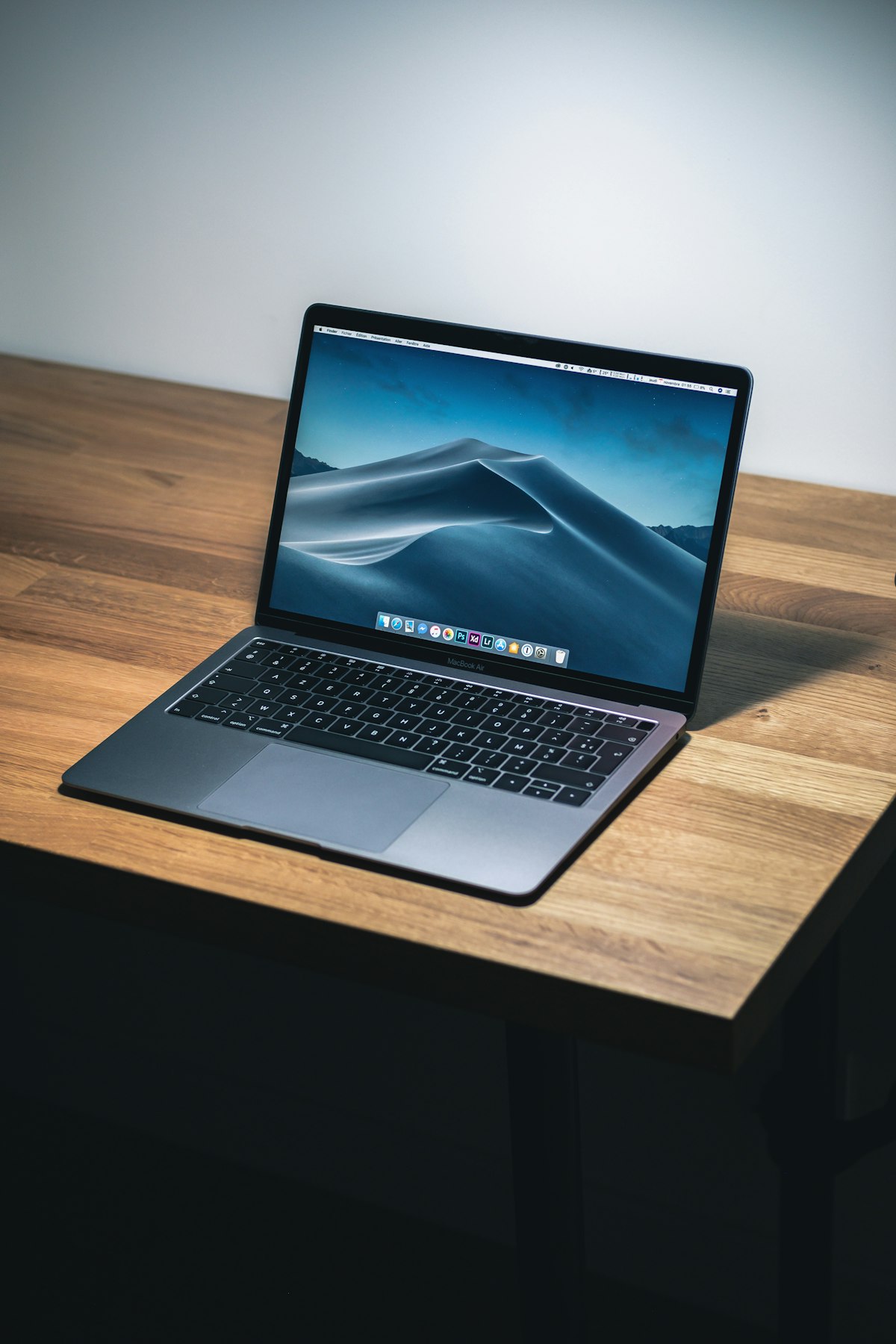
- Explosive Productivity: Infinite Multi-Monitors: If you’ve ever felt cramped working on a tiny laptop screen at a coffee shop, spatial computing is the answer. With smart glasses, you can float as many virtual monitors as you want around your laptop screen. Excel on the left, Word in the center, and a reference YouTube video hovering on the top right. You can work just by turning your head, which may also help you avoid hunching over into 'tech neck'.
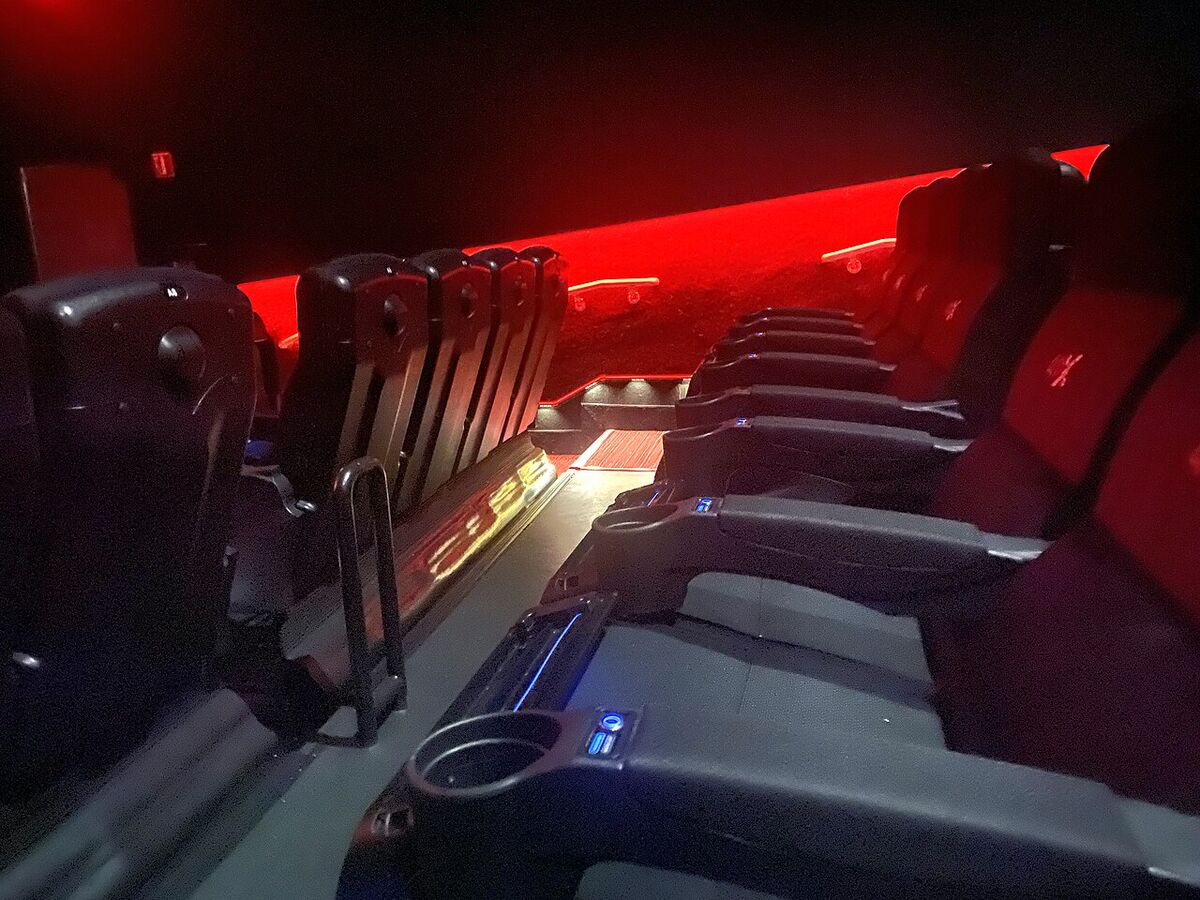
- Your Own Private IMAX Theater: Whether you are on a crowded flight or a train, you can conjure up a massive, private movie theater without worrying about the person next to you peeking. Pair them with noise-canceling earbuds, hit play, and the immersion can make you forget whether you are in an economy seat or an IMAX cinema.
3. What Are the Risks of Spatial Computing?
The biggest concerns are privacy, digital fatigue, and safety, and all three deserve attention as this technology enters our daily routines.
- The Elephant in the Room: Privacy Issues: These glasses are equipped with cameras and microphones that track your gaze and surroundings. The concern that everyday interactions, or simply the people you look at, could be recorded or transmitted to the cloud without consent is massive. Manufacturers are trying to address this (like using bright exterior LED lights to signal when recording is active), but it relies heavily on users cultivating a strong sense of 'digital etiquette' and respecting the privacy of others.
- Digital Fatigue and the Need to Unplug: If digital information is constantly dancing in front of your eyes all day, your brain and eyes rarely get a break. Caught up in the convenience, you might lose the ability to focus entirely on the real, unaugmented world. To avoid feeling anxious without your glasses (similar to smartphone addiction), it helps to intentionally schedule regular Digital Detox time—turn the device off, take them off, and just look at nature.
- Safety First, Always: It’s surprisingly easy to get so distracted by a pop-up notification or an AR navigation arrow that you miss real-world dangers, like a fast-approaching e-scooter or a steep set of stairs. When walking in busy areas or driving, you must develop the habit of minimizing apps that obscure your vision and always prioritizing real-world awareness.
What Comes Next for Smart Glasses?
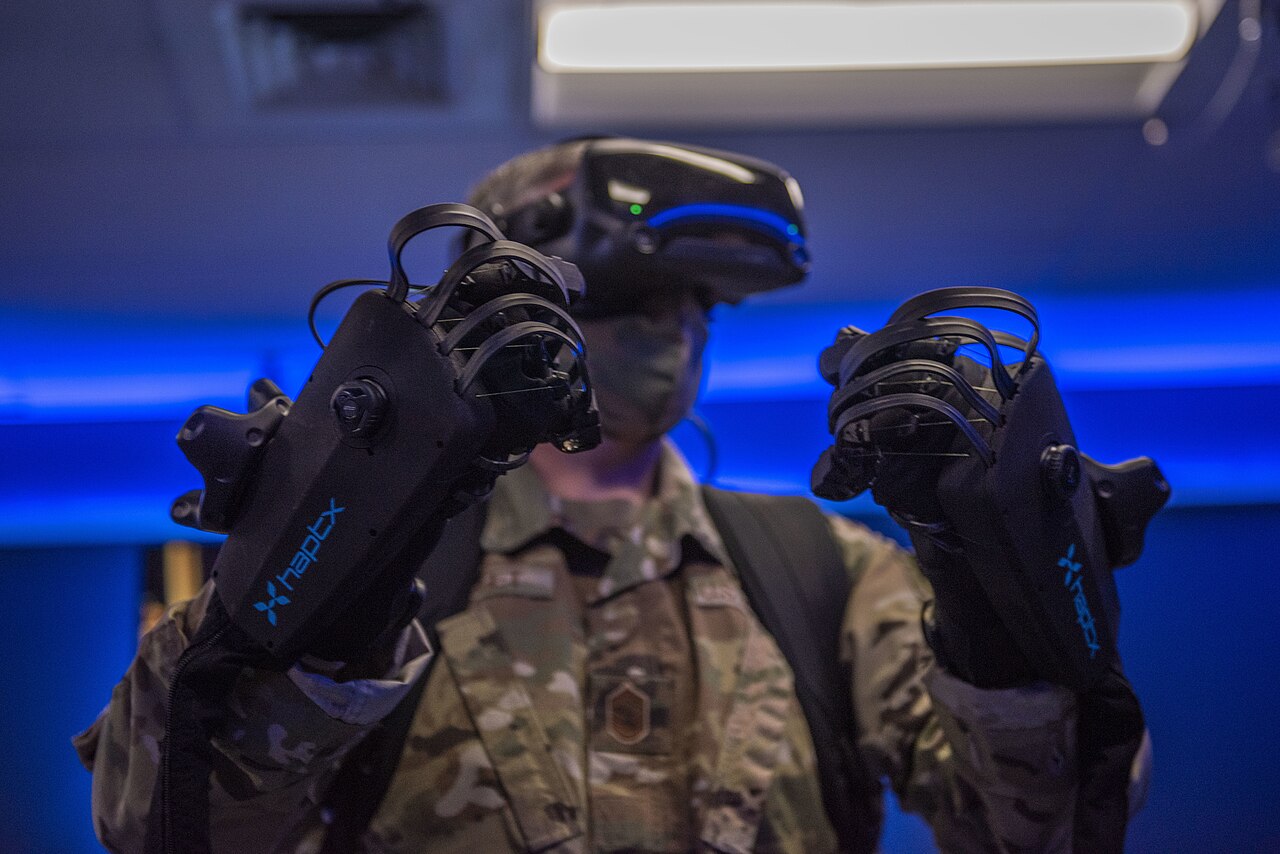
The next step is adding touch and AI. Currently, spatial computing relies heavily on our sense of sight and sound, but developments are already underway to integrate haptic gloves and wearable suits that transmit the physical sensation of touching virtual objects. As these glasses integrate more deeply with generative AI, personal AI assistants could instantly analyze and brief us on any object we look at.
The technology we used to only see in sci-fi movies is seeping into our lives, transitioning from luxury gadgets to daily tools. It's natural to feel a bit apprehensive about such rapid change, but it is a powerful tool that can make our lives richer and more convenient. I encourage you to enjoy this wave of spatial computing! The next time you see someone wearing slightly thick glasses on the street, just imagine—it may not be long before a pair is resting on your nose, too.