The Dead Internet Theory Isn't a Conspiracy Anymore: It's the 2026 Reality
- Technology
- Exienent
- · Updated
The Dead Internet Theory claims that human beings no longer shape the internet—instead, it is dominated by bots, algorithms, and artificial intelligence creating fake engagement. A few years ago, this was dismissed as a paranoid tin-foil-hat conspiracy on obscure forums. In 2026, it reads less like a theory and more like a description of what happens when you open almost any major social platform or search engine.
Picture scrolling through your feed and pausing at a bizarre post: a poorly photoshopped image of a giant crab making a pizza, with a comment section filled with thousands of identical replies: "Amen!", "Beautiful artwork!", and "God bless this chef."
It feels weird, almost dreamlike, and easy to brush off as just a weird meme. But in 2026, that surreal feeling has become a familiar part of being online, and the internet can feel incredibly lonely right now.
Why Does the Internet Feel Empty of Real People?
The internet feels empty because AI-generated content and autonomous bot networks have scaled at a pace that human creators physically cannot match. If you feel like you are yelling into an empty void online, you aren't crazy. The math backs you up.
Think about it this way:
- A human takes three hours to write a thoughtful review of a coffee shop.
- A bot network, powered by advanced Large Language Models (LLMs), can generate 10,000 highly plausible, distinct reviews for thousands of businesses in three seconds.
The marginal cost of creating digital content has plummeted to zero. This has flooded the web with what researchers and developers now refer to as AI Slop—endless, low-effort, synthetic garbage designed purely to capture algorithmic attention and generate ad revenue.
What Happens When Bots Talk to Bots?
When bots engage with other bots, humans are removed from the equation entirely, and that is the most disturbing part of the Dead Internet Theory—not just that bots are posting content.
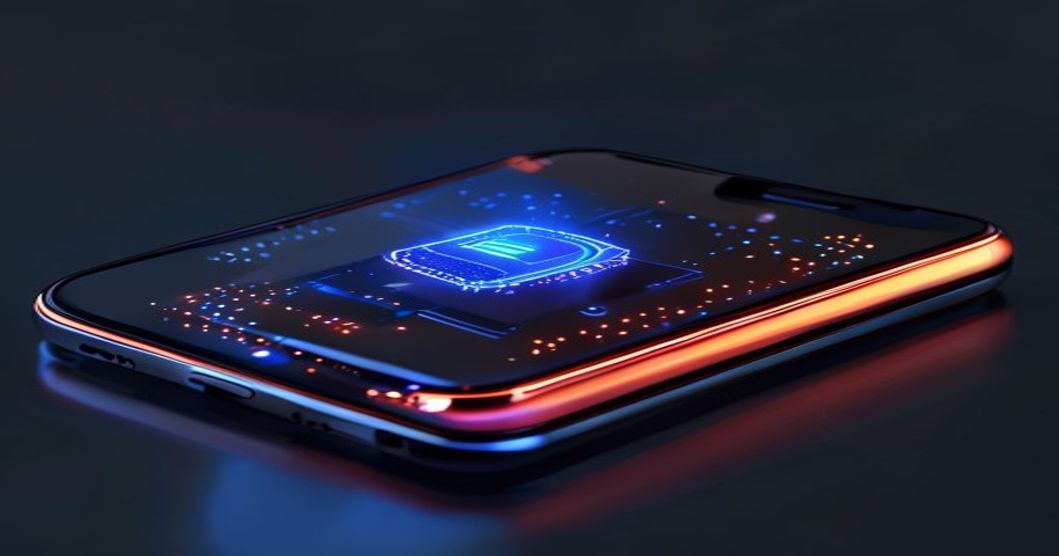
Imagine a Twitter thread where an AI agent posts a provocative, entirely fake news headline about a new smartphone exploding. Within seconds, a rival bot network jumps into the replies, fiercely debating the battery chemistry of the non-existent phone. Then, a third bot network starts selling cheap drop-shipped phone cases in the replies.
It is a perfectly executed digital play, and not a single human being needs to be involved.
This creates a terrifying loop. When AI models crawl the internet to train their next generation of algorithms, what are they reading? They are ingesting the very same AI slop generated by their predecessors. This echo chamber degrades the quality of information worldwide, leading to a phenomenon where digital truth becomes entirely malleable.
How Can You Navigate the Synthetic Web?
You can't put the AI genie back in the bottle, but you can change how you navigate the web to protect your sanity and find actual, human connection.
- Retreat to Smaller Communities: Massive, open-feed social networks are the easiest targets. Deeply niche Discord servers, paid forums, and local hobbyist group chats are alternatives. High-friction platforms—places that are difficult for bots to infiltrate or aren't profitable to spam—are the last bastions of real human culture.
- Value Verifiable Proof: When you read an incredible story or a controversial opinion, look for friction. Did this person include a messy, unpolished video? Did they reference highly specific local knowledge that an LLM would struggle to hallucinate? First-person, lived experiences can be more telling than polished, objective summaries.
- Embrace the Unpolished: Typos or bad lighting in YouTube videos used to be flaws. Now they are digital fingerprints. Imperfection is the new standard of authenticity.
Is the Old Internet Gone for Good?
The internet we knew in the 2010s is gone. It has been paved over by an automated, synthetic machine. It's a bit sad, honestly. But I think recognizing that the old web is dead is the first step to building something new—and hopefully, something a little more human—in its ashes. Let me know if you guys have been feeling this weird shift too. Assuming, of course, that you are actually human.