AI-Assisted Software Engineering: How AI is Rewriting the Rules of Coding
- Programming, Technology
- Exien
- · Updated
AI-assisted software engineering means using AI tools—from autocomplete to autonomous agents—to write, test, and refactor code. By 2026 these tools have become a capable pair programmer, QA tester, and junior developer, and the human engineer's role is shifting from writing raw code to designing systems, managing AI agents, and solving high-level business problems.
How Has the Software Engineer's Job Changed?
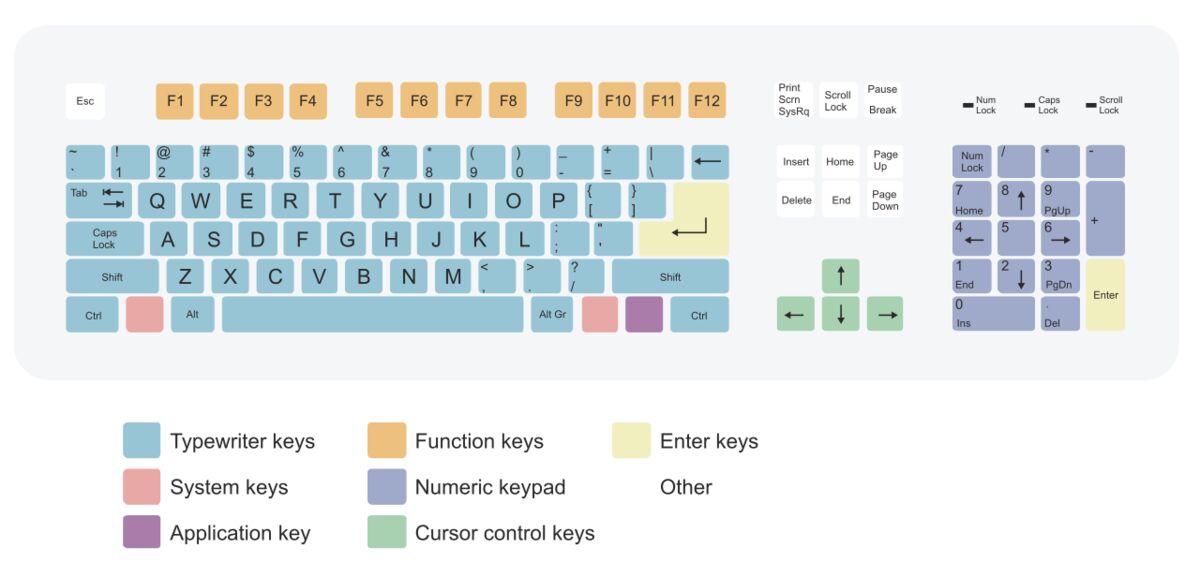
The job is moving away from the "human typewriter" model. For decades, the core image of a software engineer was someone hunched over a keyboard, manually typing thousands of lines of syntax, hunting down misplaced semicolons, and spending hours deciphering obscure error messages on Stack Overflow.
By 2026, this paradigm has fundamentally fractured. The rapid maturation of AI-Assisted Software Engineering tools has initiated the biggest shift in programming since the invention of the compiler. AI is no longer just a glorified autocomplete; it now takes on whole tasks that used to require a person at the keyboard.
How Have AI Coding Tools Evolved?
AI in software development has progressed through three distinct phases:
Phase 1: Intelligent Autocomplete (The Copilot Era)
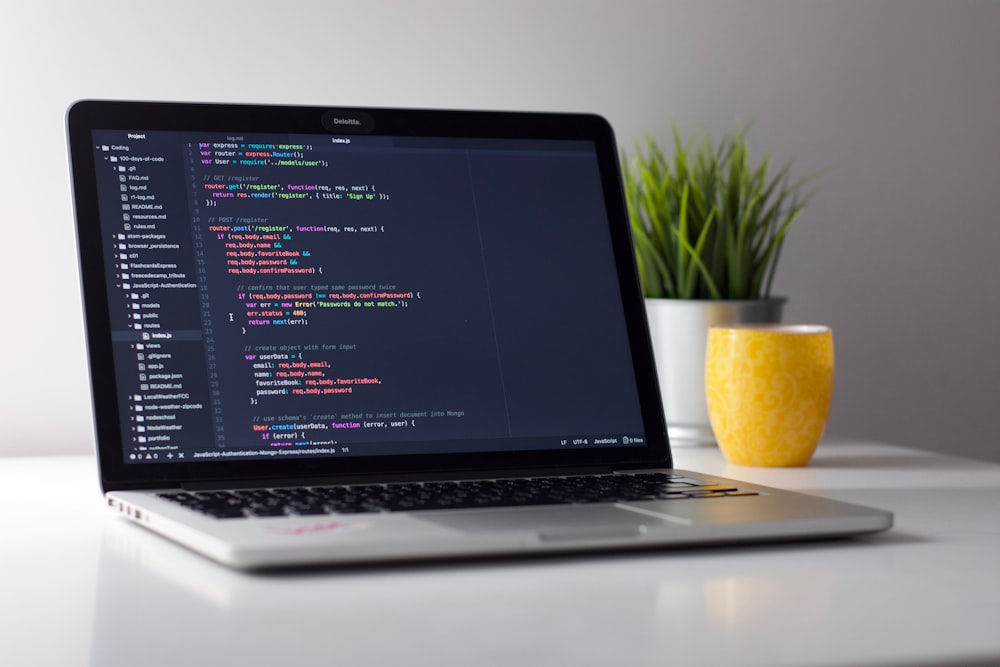
Tools like the early versions of GitHub Copilot and Tabnine operated primarily at the line or function level. A developer would type a comment like // fetch user data from API, and the AI would predict the next few lines of boilerplate code. While useful for saving keystrokes, it required constant human supervision to ensure context.
Phase 2: Conversational Chat & Refactoring
With the integration of powerful conversational LLMs (like GPT-4 and Claude) directly into Integrated Development Environments (IDEs) like VS Code and Cursor, developers could highlight entire blocks of messy code and ask the AI to "Refactor this to be more memory efficient," or "Write comprehensive unit tests for this class." The AI began understanding the broader context of a single file.
Phase 3: Autonomous AI Software Engineers (2026 Reality)
Today, we are in the era of autonomous coding agents, pioneered by systems like "Devin" and advanced Agentic IDEs. You can give these agents a high-level task via a Jira ticket: "Integrate the Stripe payment gateway for the new subscription tier." The AI agent will autonomously:
- Read the existing codebase to understand the architecture.
- Consult the latest Stripe API documentation online.
- Write the backend integration code.
- Update the frontend React components.
- Run local test suites, debug any errors it encounters.
- Submit a complete, working Pull Request for human review.
How Is AI Changing the Software Engineering Profession?
Widespread AI adoption is reshaping the industry in three main ways:
1. Hyper-Accelerated Productivity
Tasks that used to take days—such as setting up a new microservice scaffolding, writing boilerplate CRUD operations, or generating test coverage—now take minutes. Studies show that developers using advanced AI tools can complete routine tasks up to 50-70% faster, allowing companies to ship features at an unprecedented velocity.
2. The Democratization of Coding (Lowering the Barrier)
AI is flattening the learning curve. Product managers, designers, or domain experts with minimal formal programming experience can now prototype applications using natural language prompts. "Prompt Engineering" is becoming just as valuable as knowing the intricacies of C++ syntax.
3. The Shift to "Architect" and "Reviewer"
As AI takes over the mechanical act of typing code, the human developer's role is elevating. Engineers are becoming System Architects and Code Reviewers. The premium skills are now understanding complex system design, ensuring security and compliance, defining strict technical requirements for the AI to follow, and critically evaluating the AI's generated pull requests for subtle logical flaws.
What Are the Risks of AI-Generated Code?
Rapid automation brings new problems, and the industry is grappling with several critical challenges:
- The Problem of "Slop" and Tech Debt: Because AI makes it so easy to generate massive amounts of code instantly, there is a risk of codebases bloating with overly complex, poorly optimized, or unnecessary code (often referred to as AI "slop"). If an engineer doesn't deeply understand the 500 lines of code the AI just generated, maintaining it in the future becomes a nightmare.
- Security Vulnerabilities: AI models are trained on public repositories, which contain millions of insecure coding patterns. Without strict guardrails, AI assistants can inadvertently inject SQL injection vulnerabilities, hardcode secrets, or use outdated libraries.
- The "Junior Developer" Paradox: Traditionally, junior developers cut their teeth and learned the codebase by writing boilerplate and fixing minor bugs—the exact tasks AI is automating. There is a growing concern about how the industry will train the next generation of Senior Architects if the entry-level learning ground is completely outsourced to machines.
Will AI Replace Software Engineers?
No—AI will replace engineers who only write code with engineers who solve problems. AI-assisted software engineering is not a passing trend; it is the new baseline. In 2026, an engineer refusing to use AI tools is akin to an accountant refusing to use Excel and insisting on a paper ledger. By liberating developers from the drudgery of syntax, AI lets them focus on what humans do best: creativity, strategic architecture, and understanding deeply what the user actually needs.