Type something to search...
Multimodal AI: Teaching Machines to See, Hear, and Understand the World

Multimodal AI: Teaching Machines to See, Hear, and Understand the World

Introduction: Moving Beyond Text-Only AI

In the early days of the Generative AI boom, models like GPT-3 were entirely unimodal—they could only process and output text. While their ability to write essays or code was astonishing, their understanding of the world was fundamentally limited. Imagine trying to explain the beauty of a sunset or the complexity of a mechanical blueprint using only words; much of the nuance is lost.

Humans do not experience the world through text alone. We are inherently multimodal creatures, simultaneously processing sights, sounds, text, and contextual cues to make sense of our environment. To achieve true general intelligence, Artificial Intelligence had to evolve to do the same.

In 2026, Multimodal AI has become the standard. Models like GPT-4V (Vision), Google Gemini, and Claude 3 natively ingest, understand, and generate multiple types of data—text, images, audio, and video—simultaneously. This leap allows AI to understand the world much closer to how a human does.

What is Multimodal AI?

A multimodal AI system is designed to draw information from multiple "modalities" (data types) to establish deeper context.

Previously, if you wanted an AI to analyze an image, you would use a dedicated computer vision model to identify the objects (e.g., "a dog," "a frisbee"). Then, you might pass those text tags to an LLM. This fragmented approach lost the rich, semantic connection between the elements.

Native Multimodal AI processes everything in a unified neural network architecture. When you upload a photo of a messy refrigerator to a multimodal model and ask, "What can I make for dinner?", the AI doesn't just list the ingredients; it understands the visual state of the food, correlates it with recipes in its text-based knowledge, and generates a coherent, creative response.

How Multimodal AI Works: The Magic of Unified Embeddings

The secret behind multimodal AI is the concept of a shared embedding space.

In machine learning, an "embedding" is a way of translating data into a mathematical vector (a list of numbers) that represents its semantic meaning. In a multimodal model, the architecture is trained so that different modalities representing the same concept end up mathematically close to each other in this high-dimensional space.

For example, the text word "Dog," the audio file of a dog barking, and a photograph of a Golden Retriever are all converted into vectors. Because the model was trained jointly on text, audio, and images, it understands that these three very different inputs all point to the exact same underlying concept. This shared understanding allows the AI to seamlessly translate and reason across modalities.

Game-Changing Use Cases in 2026

The ability to process multiple data types simultaneously unlocks entirely new frontiers for AI applications.

1. Revolutionary Accessibility Tools

Multimodal AI is transforming the lives of visually impaired individuals. A user can wear smart glasses equipped with a camera, and the multimodal AI can act as a real-time conversational guide. It can read menus, describe the layout of a room, identify the denomination of physical currency, and answer questions like, "Is the crosswalk light green yet?"

2. Advanced Medical Diagnostics

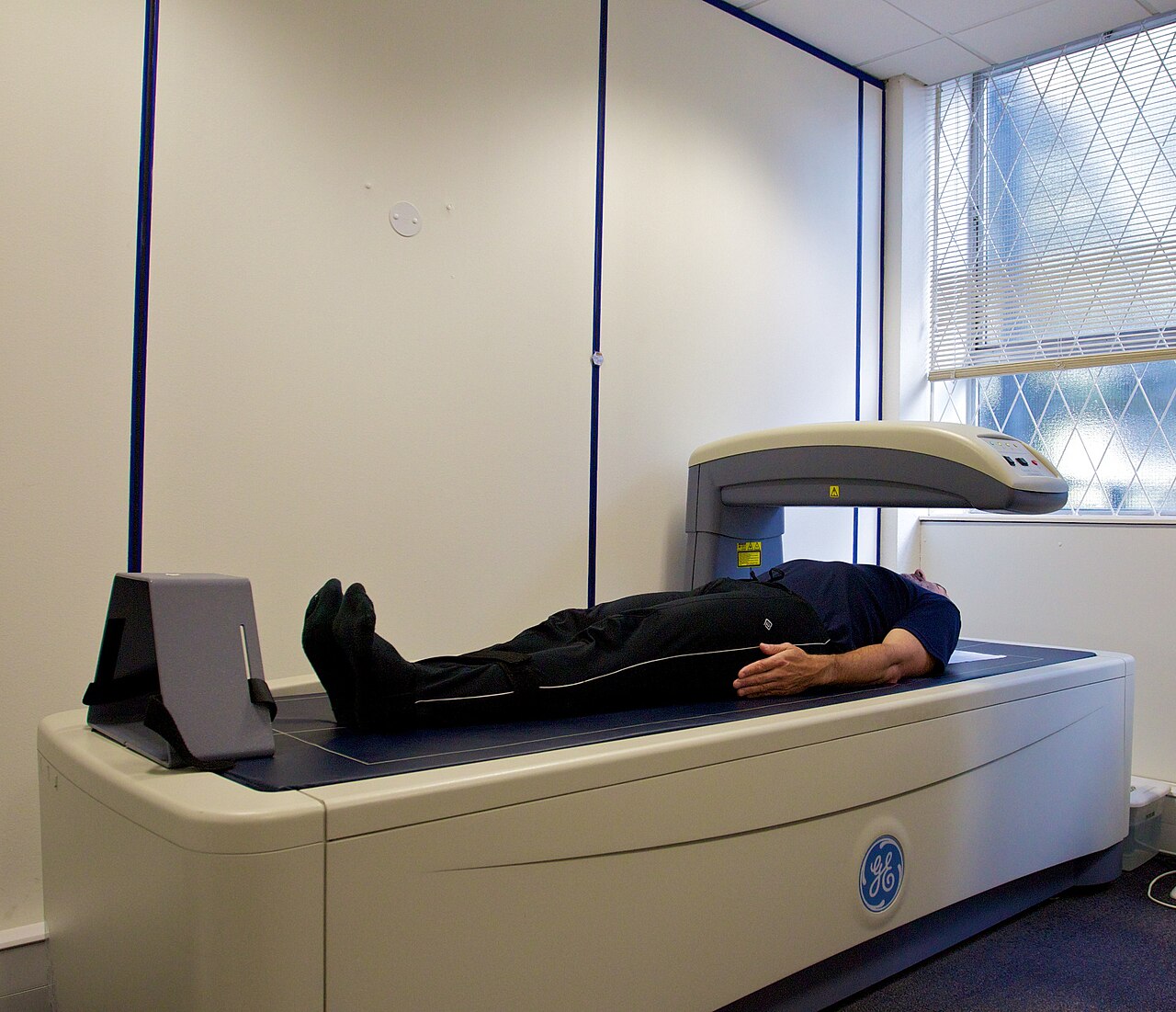
Doctors can now feed an AI a patient's textual medical history, an audio recording of their heartbeat, and a visual X-ray scan all at once. The multimodal AI cross-references these distinct data types, spotting correlations that a specialist looking only at an X-ray might miss, leading to earlier and more accurate diagnoses.

3. Next-Generation Education and Tutoring

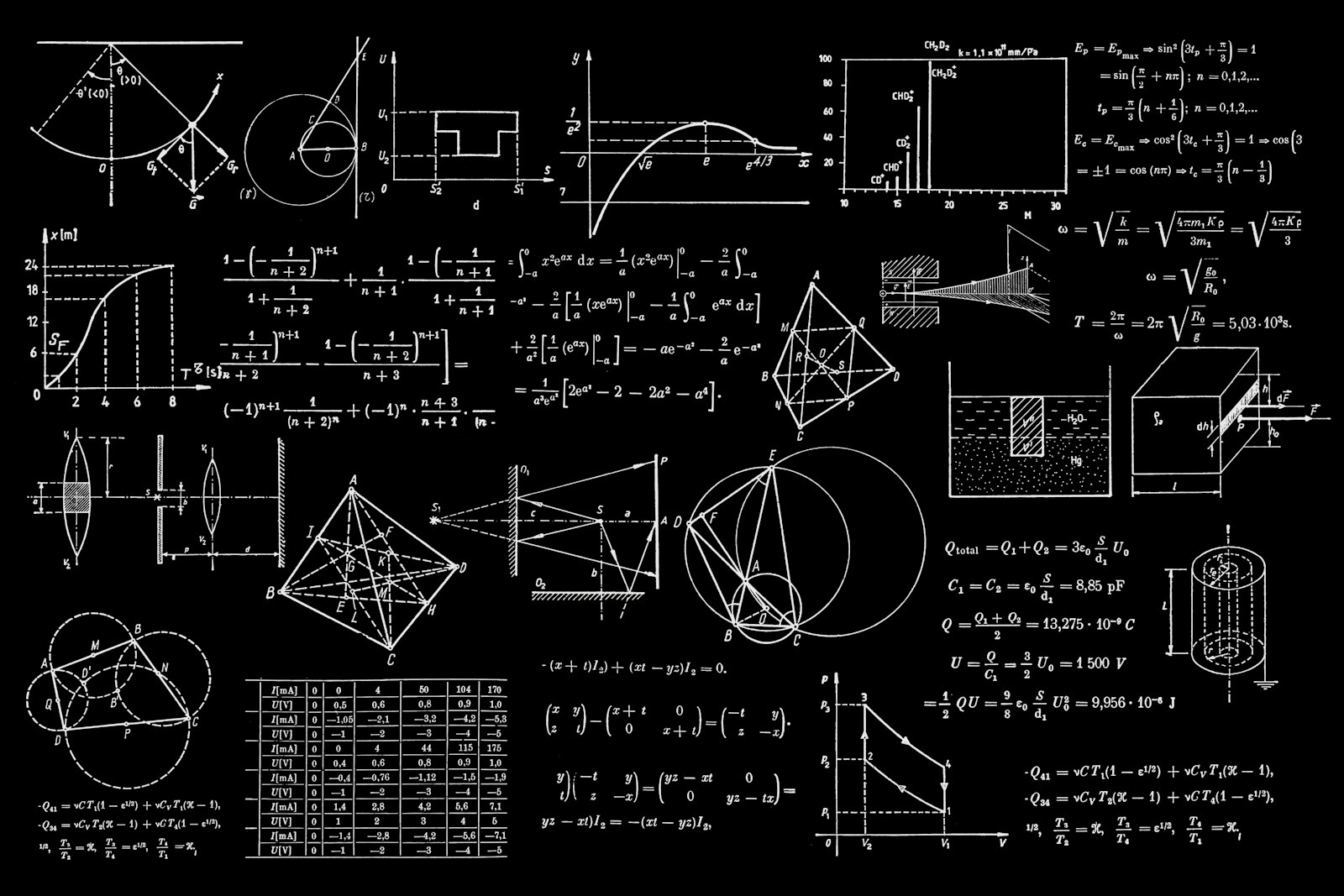
A student struggling with a geometry problem can simply snap a photo of their handwritten math homework. The multimodal AI reads the handwriting, understands the geometric diagram visually, and provides step-by-step textual and auditory guidance to help the student solve it, acting as an infinitely patient, highly perceptive tutor.

4. Seamless Content Creation and Video Analysis

Video editors and marketers use multimodal AI to search through hundreds of hours of raw footage simply by typing, "Find the clip where the speaker is standing near a red car and talking about sustainability." The AI understands both the visual contents of the video and the audio transcript simultaneously.

The Challenges of Multimodal AI

While the capabilities are magical, building and deploying multimodal systems present immense challenges.

  • Massive Compute Requirements: Processing high-resolution video and audio requires exponentially more processing power and memory than analyzing text, driving up the cost of training and inference.
  • Complex Hallucinations: When an AI hallucinates in text, it's problematic. When a multimodal AI hallucinates—for example, falsely identifying an object in an image or generating a deepfake audio clip that never happened—the consequences for misinformation and security are far more severe.
  • Data Alignment Bias: Training these models requires massive datasets of paired data (e.g., an image perfectly described by text). If the training data contains human biases, the model will learn to associate certain visual traits with prejudiced textual concepts.

Conclusion

The shift from text-only LLMs to Multimodal AI represents a crucial step on the path toward Artificial General Intelligence (AGI). By breaking down the barriers between different data types, machines are finally learning to perceive the rich, multifaceted tapestry of the real world. As these models become more efficient and accessible, the way we interact with computers will transition from rigid text prompts to fluid, natural conversations encompassing sight, sound, and language.

Related Post

Generative Engine Optimization (GEO): The Next Evolution of SEO in the AI Era

Generative Engine Optimization (GEO): The Next Evolution of SEO in the AI Era

Introduction: The Shift from Traditional SEO to GEO For decades, Search Engine Optimization (SEO) has been the cornerstone of digital marketing. Marketers focused on keyword density, backlink pro

The Rise of Small Language Models (SLMs): Why Smaller AI is the Future for Enterprises

The Rise of Small Language Models (SLMs): Why Smaller AI is the Future for Enterprises

Introduction: Big Isn't Always Better in AI For the past few years, the AI narrative has been dominated by massive Large Language Models (LLMs) like GPT-4, Gemini, and Claude. These models are te

Autonomous AI Agents: Moving Beyond Chatbots to Action-Driven AI

Autonomous AI Agents: Moving Beyond Chatbots to Action-Driven AI

Introduction: From Answering to Acting For the past several years, our interaction with Artificial Intelligence has been largely transactional and conversational. We type a prompt into ChatGPT, a
Spatial Computing: Blending the Digital and Physical Worlds in 2026

Spatial Computing: Blending the Digital and Physical Worlds in 2026

Introduction: Moving Beyond the Flat Screen For the past forty years, our interaction with the digital world has been confined to flat, two-dimensional screens—first the chunky monitors of deskto

Retrieval-Augmented Generation (RAG): Solving the AI Hallucination Problem

Retrieval-Augmented Generation (RAG): Solving the AI Hallucination Problem

Introduction: The Achilles Heel of LLMs Large Language Models (LLMs) like GPT-4 are incredibly articulate, capable of drafting compelling emails, writing code, and summarizing complex topics. How

Zero-Trust Architecture in the Age of AI: Securing the Borderless Network

Zero-Trust Architecture in the Age of AI: Securing the Borderless Network

Introduction: The Death of the Castle and Moat Historically, corporate cybersecurity was designed around the "Castle and Moat" perimeter model. You built a strong firewall (the moat) around the c

Digital Twins: Creating Virtual Mirrors of the Real World for Predictive Analytics

Digital Twins: Creating Virtual Mirrors of the Real World for Predictive Analytics

Introduction: Simulating Reality Before Acting In the past, predicting the wear and tear of a jet engine or anticipating traffic bottlenecks in a growing city relied heavily on historical data an

AI-Assisted Software Engineering: How AI is Rewriting the Rules of Coding

AI-Assisted Software Engineering: How AI is Rewriting the Rules of Coding

Introduction: The End of the "Human Typewriter" Era For decades, the core image of a software engineer was someone hunched over a keyboard, manually typing thousands of lines of syntax, hunting d

Post-Quantum Cryptography (PQC): Securing Data Against Tomorrow's Supercomputers

Post-Quantum Cryptography (PQC): Securing Data Against Tomorrow's Supercomputers

Introduction: The Looming Quantum Threat For decades, the entire foundation of internet security—from online banking and secure messaging to state secrets and cryptocurrencies—has relied on a mat

How to Prepare for the AI Search Engine Era: Your Ultimate 2026 Trend Guide

How to Prepare for the AI Search Engine Era: Your Ultimate 2026 Trend Guide

Have you ever tossed a quick, messy question into a search bar and been amazed when the AI perfectly summarized exactly what you needed? Those days of frantically clicking through a list of ten blue

The Great Creator Burnout: Why YouTubers Are Quitting

The Great Creator Burnout: Why YouTubers Are Quitting

If you spend any time on YouTube, you've definitely noticed the trend: massive, successful creators with millions of subscribers posting videos titled "I'm Quitting" or "Taking a Break." It's happeni

The Unexpected Shift in the EV Market: Hybrids Make a Comeback

The Unexpected Shift in the EV Market: Hybrids Make a Comeback

Everyone said the internal combustion engine was dead and we'd all be driving pure Electric Vehicles (EVs) by now. But if you look at the actual sales numbers right now, there's a massive plot twist

The Terrifying Rise of Ultra-Fast Fashion

The Terrifying Rise of Ultra-Fast Fashion

For years, we thought brands like Zara and H&M were the pinnacle of "Fast Fashion." They could spot a trend on the runway and have cheap knock-offs in stores within weeks. But a new monster has emer

The End of Scripted NPCs: How Generative AI is Changing Gaming

The End of Scripted NPCs: How Generative AI is Changing Gaming

We've hit a wall with video game graphics. Sure, ray tracing looks nice, but a prettier puddle reflection doesn't fundamentally change how a game feels. What is about to change gaming forever is th

The 'Return to Office' Mandates Are Failing Spectacularly

The 'Return to Office' Mandates Are Failing Spectacularly

We need to talk about the absolute mess that is the corporate "Return to Office" (RTO) mandate. For the past year, CEOs have been sending out passive-aggressive emails demanding everyone come back to

The Silent Revolution: How On-Device AI is Changing Our Gadgets

The Silent Revolution: How On-Device AI is Changing Our Gadgets

Have you noticed your phone or computer getting surprisingly smart lately without even needing an internet connection? We are moving past the days when every little AI task required a strong Wi-Fi si

The Death of Traditional Search: Why AI Engines Are the New Standard

The Death of Traditional Search: Why AI Engines Are the New Standard

Honestly, when was the last time you Googled a complex question and actually got a straight answer without scrolling past four ads and a 2,000-word SEO-optimized recipe blog? Exactly. That's exactly

The Modern Sleep Epidemic: Why We Are All Exhausted

The Modern Sleep Epidemic: Why We Are All Exhausted

Be honest: how many hours of actual, high-quality sleep did you get last night? If you're like the vast majority of adults right now, the answer is probably "not enough." We are living through a mas

The Dumb Truth About the 'Smart Home' Revolution

The Dumb Truth About the 'Smart Home' Revolution

Ten years ago, tech companies promised us a utopian "Smart Home." Our fridges would order milk when we ran out, our lights would sync perfectly with our moods, and our houses would practically run th

The Rise of Smart Rings: Why Your Next Wearable Might Not Be a Watch

The Rise of Smart Rings: Why Your Next Wearable Might Not Be a Watch

For years, if you wanted to track your steps, monitor your sleep, or keep an eye on your heart rate, the answer was obvious: slap a smartwatch or a fitness band on your wrist. But recently, a much sm

The Era of 'Social' Media is Over. Welcome to 'Recommendation' Media

The Era of 'Social' Media is Over. Welcome to 'Recommendation' Media

Do you remember when you used to log onto Instagram or Facebook specifically to see what your actual, real-life friends were doing? You'd see photos of their vacations, their dogs, or what they had f

AR Smart Glasses & Spatial Computing: How They Are Changing Our Daily Lives in 2026

AR Smart Glasses & Spatial Computing: How They Are Changing Our Daily Lives in 2026

Just a few years ago, when you heard 'Virtual Reality (VR)' or 'Augmented Reality (AR)', you probably pictured someone flailing around with a heavy, clunky headset covering half their face, right? Th

Subscription Fatigue: Why We Are All Canceling Our Streaming Services

Subscription Fatigue: Why We Are All Canceling Our Streaming Services

Remember when Netflix was $8 a month, had almost every movie you actually wanted to watch, and the entire pitch was "it's better than cable"? Yeah, those days are completely dead and buried. Welcome

Google I/O 2026 Recap: From Gemini 3.5 Flash to Smart Glasses, the Future of AI is Here

Google I/O 2026 Recap: From Gemini 3.5 Flash to Smart Glasses, the Future of AI is Here

The wait is finally over! Google I/O 2026 just wrapped up, and after staying up late to watch the live keynote, I can honestly tell you—my jaw is still on the floor. This year's announcements were pa

The New Topic in the AI Era: Artificial Intelligence Ethics and Data Privacy Protection Strategies

The New Topic in the AI Era: Artificial Intelligence Ethics and Data Privacy Protection Strategies

Introduction: The Shadow of Data Hidden Behind Convenience It is no longer surprising to have casual conversations with AI assistants, have them summarize complex business documents, and get code