Spatial Computing: Blending the Digital and Physical Worlds in 2026
- Technology, Future Tech
- Exien
- · Updated
Why Is Spatial Computing Called the Post-Smartphone Era?
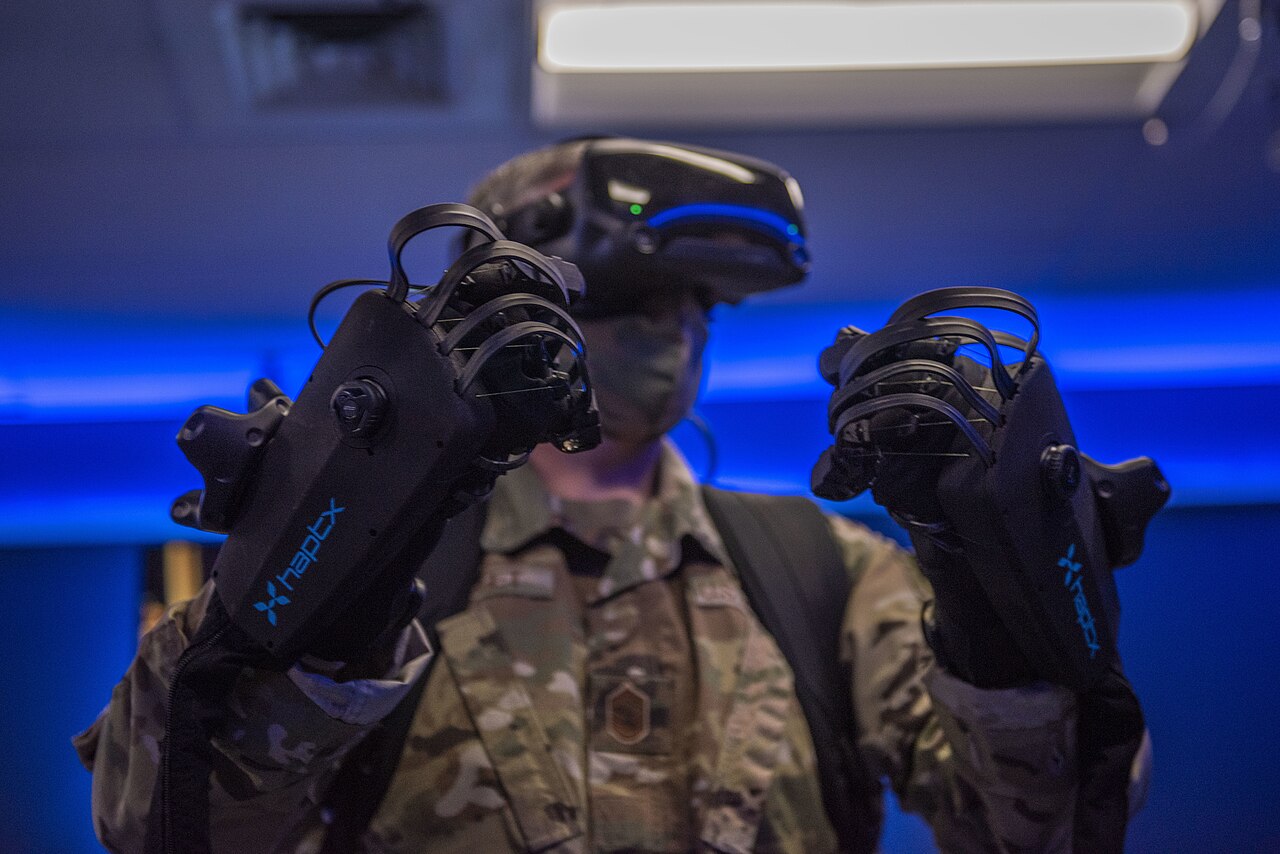
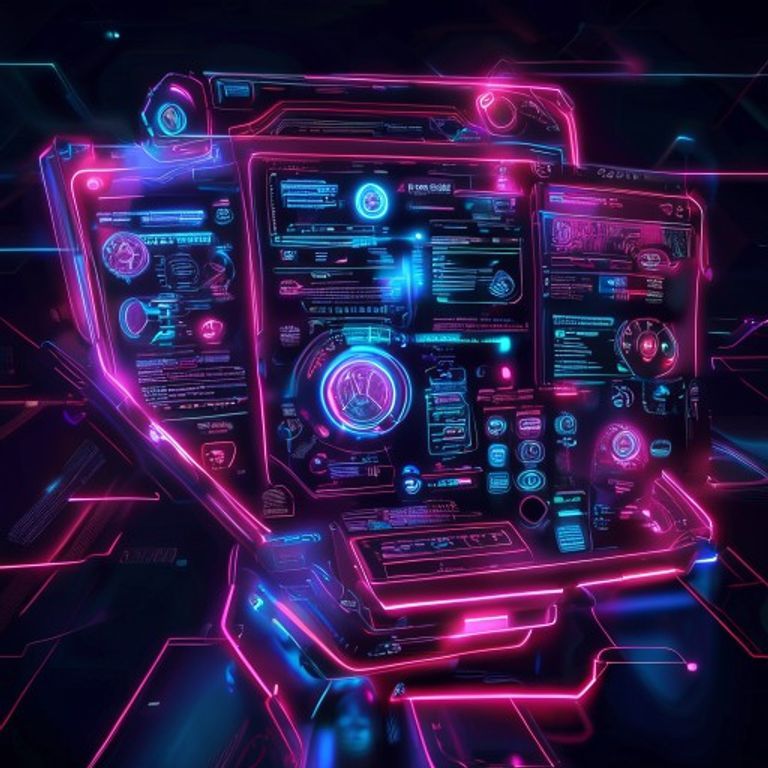
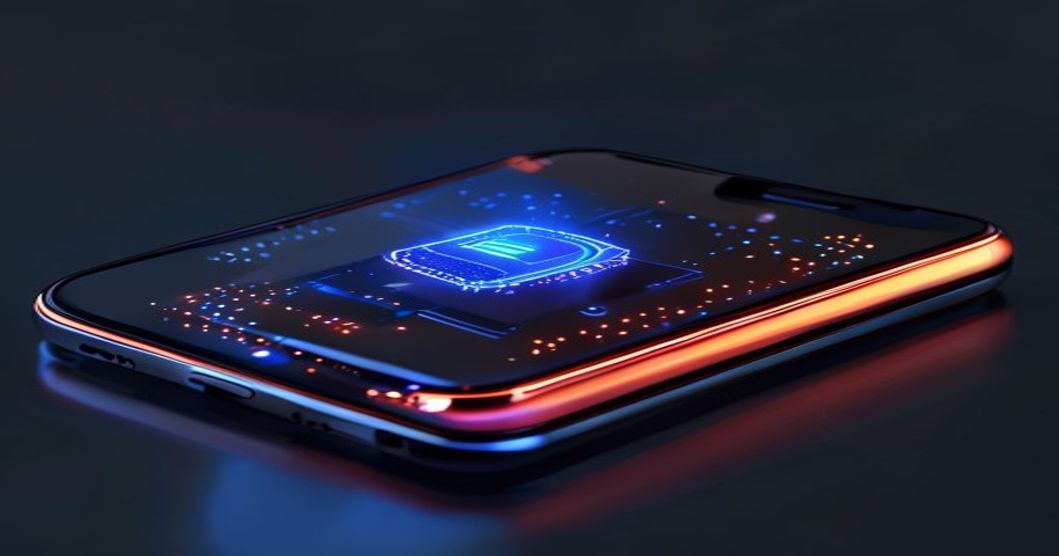
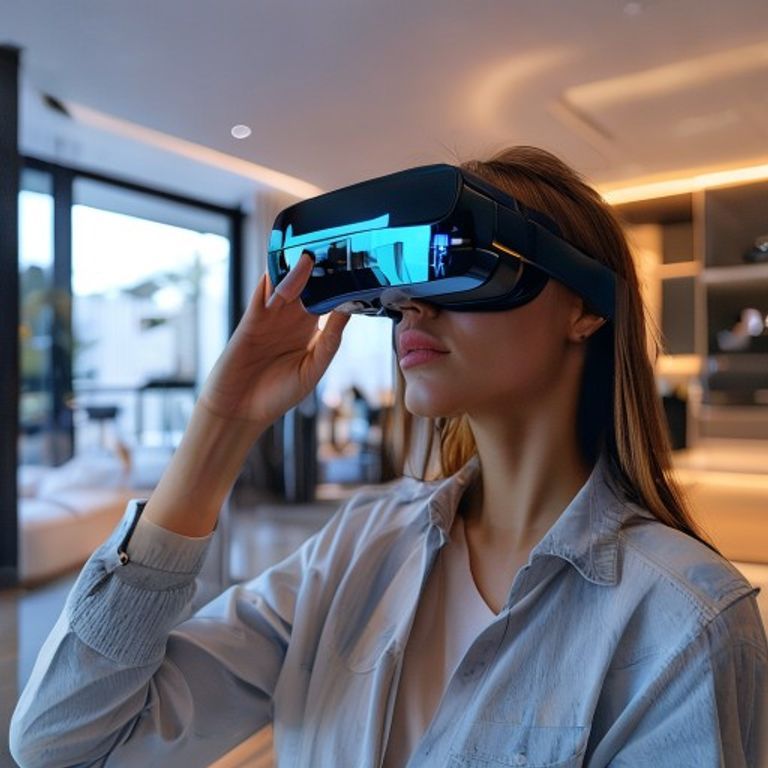
Spatial Computing liberates software from the physical boundaries of a screen, blending digital information seamlessly with our physical environment, and in 2026 it is the catalyst carrying us across the threshold into the post-smartphone era. It is driven by breakthroughs in mixed reality hardware (like the evolution of Apple Vision Pro and Meta Quest lines) and ambient artificial intelligence.
For the past forty years, our interaction with the digital world has been confined to flat, two-dimensional screens—first the chunky monitors of desktop PCs, then the portable screens of laptops, and finally the ubiquitous glass rectangles of our smartphones. While the processing power behind these screens has grown exponentially, the fundamental paradigm of staring into a "magic window" has remained unchanged.
What Exactly Is Spatial Computing?
Spatial Computing is computing in which the space around you becomes the interface. Coined by MIT researcher Simon Greenwold in 2003, the term was originally defined as "human interaction with a machine in which the machine retains and manipulates referents to real objects and space."
In modern practical terms, Spatial Computing means that the physical space around you becomes the interface. Instead of opening an app on a laptop, you place a digital, 3D workspace on your physical kitchen table. Instead of looking down at a map on your phone, directional arrows are projected onto the physical street in front of you.
Spatial Computing is the convergence of several foundational technologies:
- Extended Reality (XR): Encompassing Augmented Reality (AR), Virtual Reality (VR), and Mixed Reality (MR), providing the visual and auditory displays.
- Computer Vision & Sensors: LiDAR, depth cameras, and eye-tracking sensors allow the device to map the 3D geometry of the room and understand where the user is looking in real-time.
- Artificial Intelligence: AI processes the massive influx of sensor data instantly, identifying objects (e.g., "that is a chair," "that is a hand") and enabling natural interactions like voice commands or gesture recognition.
How Do You Control a Spatial Computer?
You control a spatial computer with your eyes, small hand gestures, and your voice. Spatial Computing requires tearing up the traditional rulebook of UI/UX design. The grid of app icons and the reliance on a mouse and keyboard are being replaced by more natural, intuitive modalities.
- Eye Tracking as the Cursor: Your eyes indicate intent. By simply looking at a digital element, you highlight it. The precision of modern eye-tracking makes it faster and more natural than dragging a physical mouse.
- Gestures as the Click: Micro-gestures, such as tapping your thumb and index finger together while resting your hand on your lap, serve as the "click." There's no need to hold clunky controllers or reach out to physically touch digital floating buttons (which leads to "gorilla arm" fatigue).
- Voice and Contextual AI: Keyboards are cumbersome in 3D space. Instead, multimodal AI acts as the primary input. You simply look at a physical object and ask the AI a question about it, and the system understands the context of your gaze.
What Is Spatial Computing Used For in 2026?
Spatial computing is used for virtual workspaces, industrial training, 3D shopping, and lifelike remote meetings. It is rapidly moving from an entertainment gimmick to an essential enterprise and lifestyle tool.
1. The Infinite Canvas Workspace
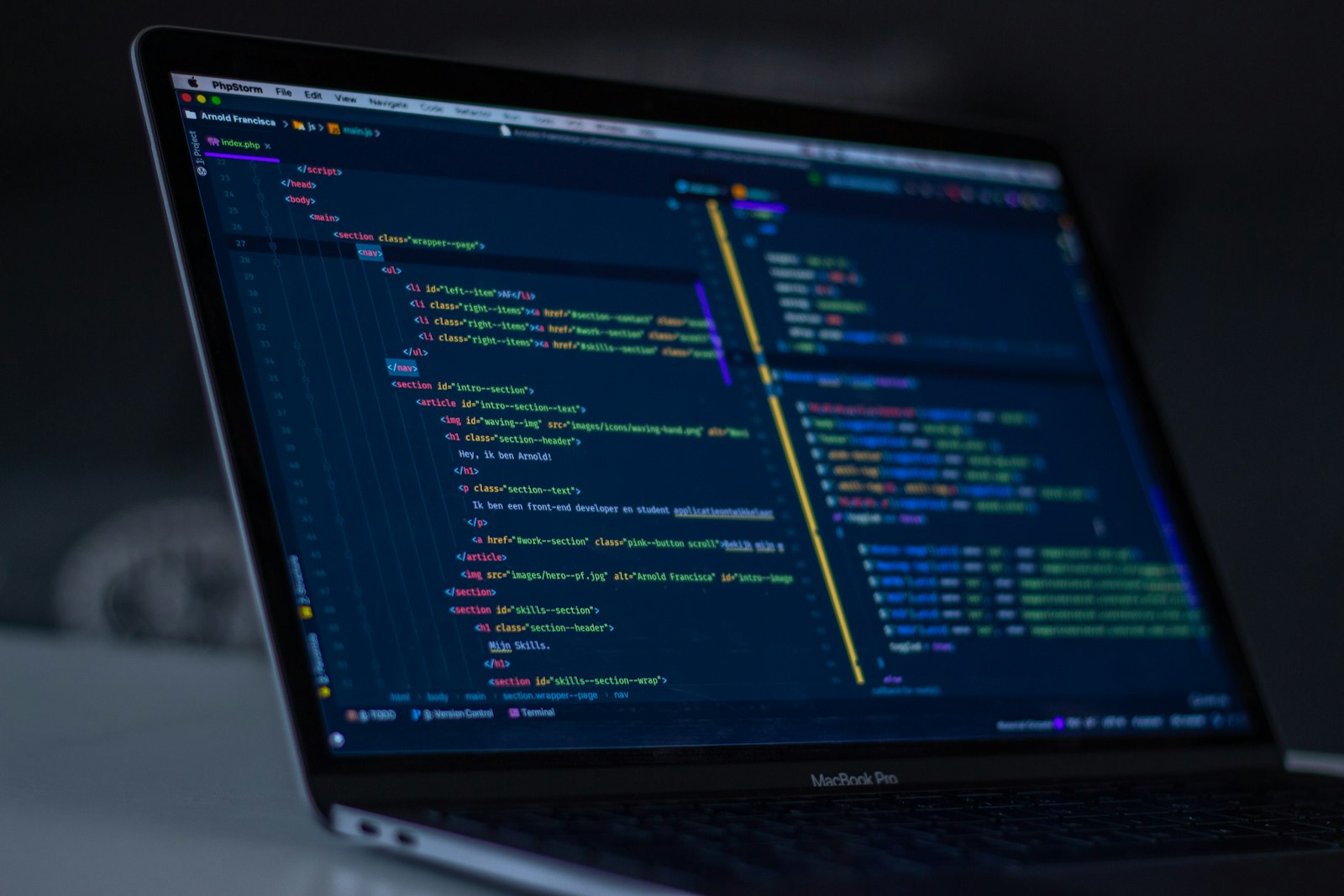
Knowledge workers are no longer constrained by the physical size of their monitors. A developer can have a massive code editor floating above their desk, a browser window pinned to the wall to their left, and a 3D model of the product they are building rotating on the coffee table. Such an "infinite canvas" dramatically improves multitasking and spatial memory.
2. Revolutionizing Industrial Training and Maintenance
In manufacturing and aviation, technicians repair complex machinery while wearing spatial headsets. The headset overlays step-by-step digital schematics directly onto the physical engine part they are repairing. If they make an error, the system visually highlights the mistake in real-time, reducing training time and preventing costly errors.
3. Spatial E-Commerce and Retail
Online shopping is transitioning from viewing 2D photos to placing 1:1 scale, hyper-realistic 3D models of furniture in your actual living room before buying. In fashion, advanced body-tracking allows users to virtually "try on" clothes with accurate physics and fabric simulations, drastically reducing return rates.
4. Telepresence: The Death of the Video Call
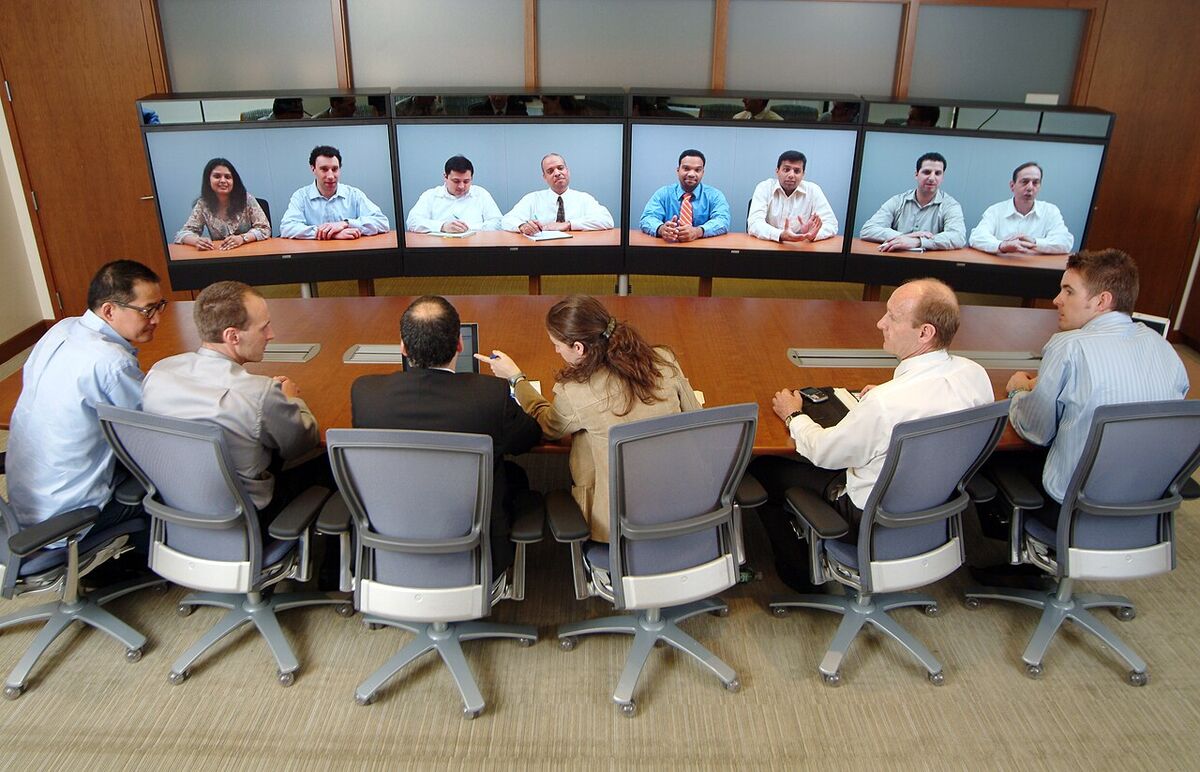
Traditional video calls are flat and exhausting. Spatial computing introduces volumetric telepresence. Remote colleagues appear as lifelike, 3D spatial personas sitting across from you in your living room, complete with accurate eye contact and spatial audio. This creates a genuine sense of "co-presence," making remote collaboration feel as natural as being in the same room.
What Is Holding Spatial Computing Back?
Mass adoption of Spatial Computing is held back by hardware comfort, social acceptance, and privacy.
- Hardware Form Factor: While headsets have become lighter, they still lack the "all-day comfort" of a pair of standard eyeglasses. Battery life remains a bottleneck for untethered experiences.
- Social Acceptance: Wearing an immersive device in public spaces still carries a social stigma. The design must become more transparent and socially unobtrusive.
- Privacy Concerns: Spatial devices constantly map the user's private physical space, capturing highly sensitive data about their home layout, possessions, and even biometric data via eye-tracking. Robust, on-device data processing is critical to prevent a privacy nightmare.
Conclusion
Spatial Computing is not just a new gadget; it is the next major computing platform. Just as the graphical user interface (GUI) democratized personal computers and the touchscreen revolutionized mobile, spatial interaction will redefine our relationship with the digital realm. By seamlessly blending bits and atoms, Spatial Computing promises a future where technology adapts to our physical human context, rather than forcing us to hunch over flat screens.