The Dumb Truth About the 'Smart Home' Revolution
- Technology
- Exien
- · Updated
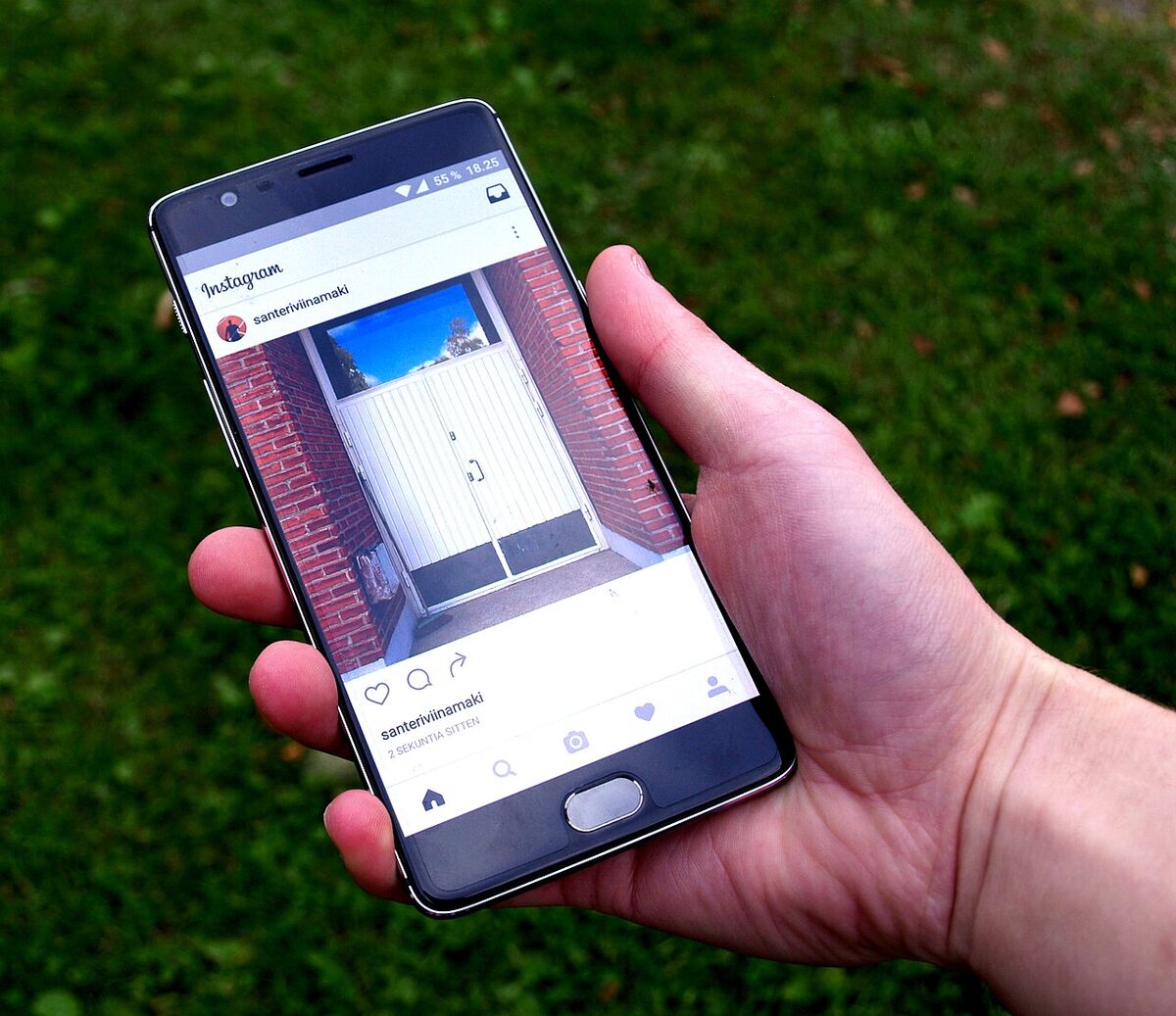
The smart home revolution has stalled and in many ways gotten worse, thanks to app overload, devices that stop getting updates, and new security holes.
What Did the Smart Home Promise?
Ten years ago, tech companies promised us a utopian "Smart Home." Our fridges would order milk when we ran out, our lights would sync perfectly with our moods, and our houses would practically run themselves.
The reality can look very different: someone standing in the kitchen yelling at a plastic cylinder to turn off the lights, only for it to answer "I'm sorry, I can't reach the internet right now."
Why Did the Smart Home Dream Fail?
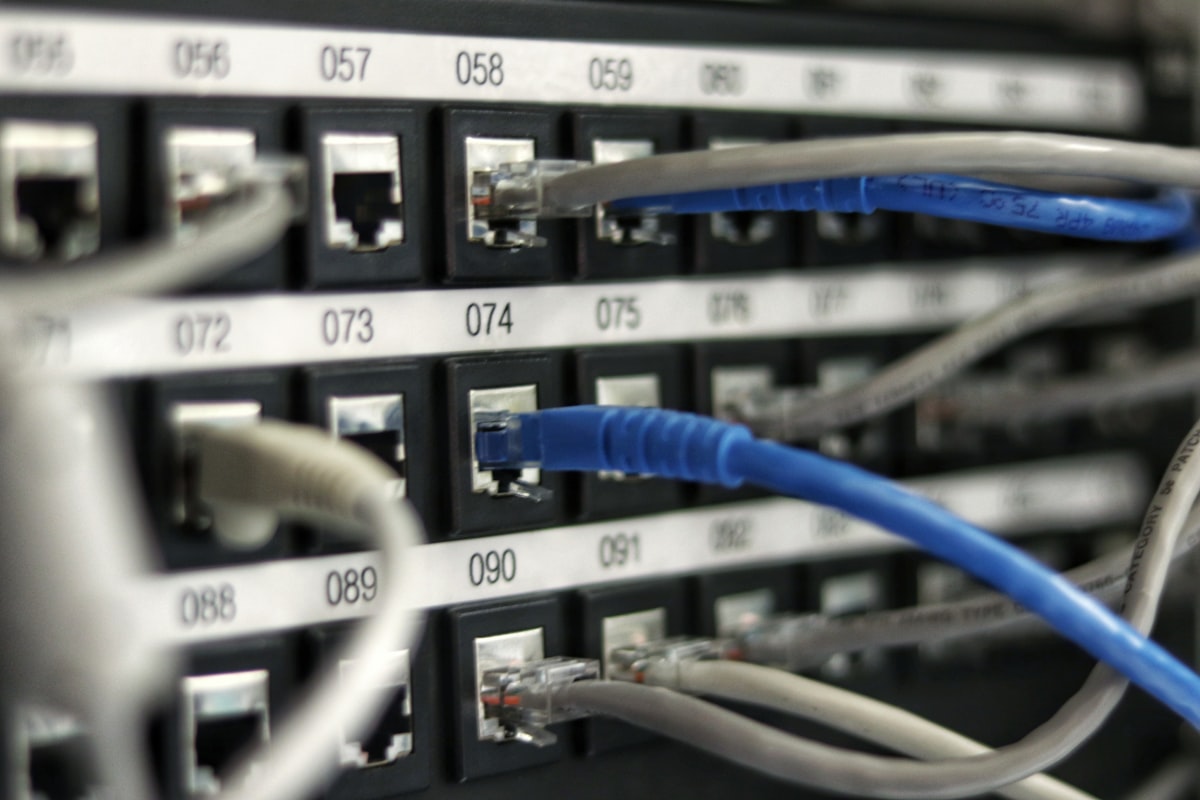
- Too Many Apps: You buy a smart plug, it needs an app. You buy a lightbulb, it needs a different app. Nothing talks to each other smoothly. It's a fragmented nightmare.
- Planned Obsolescence: If you buy a regular "dumb" toaster, it lasts 20 years. If you buy a smart toaster, the company stops updating the app after 3 years, and now you have a very expensive brick.
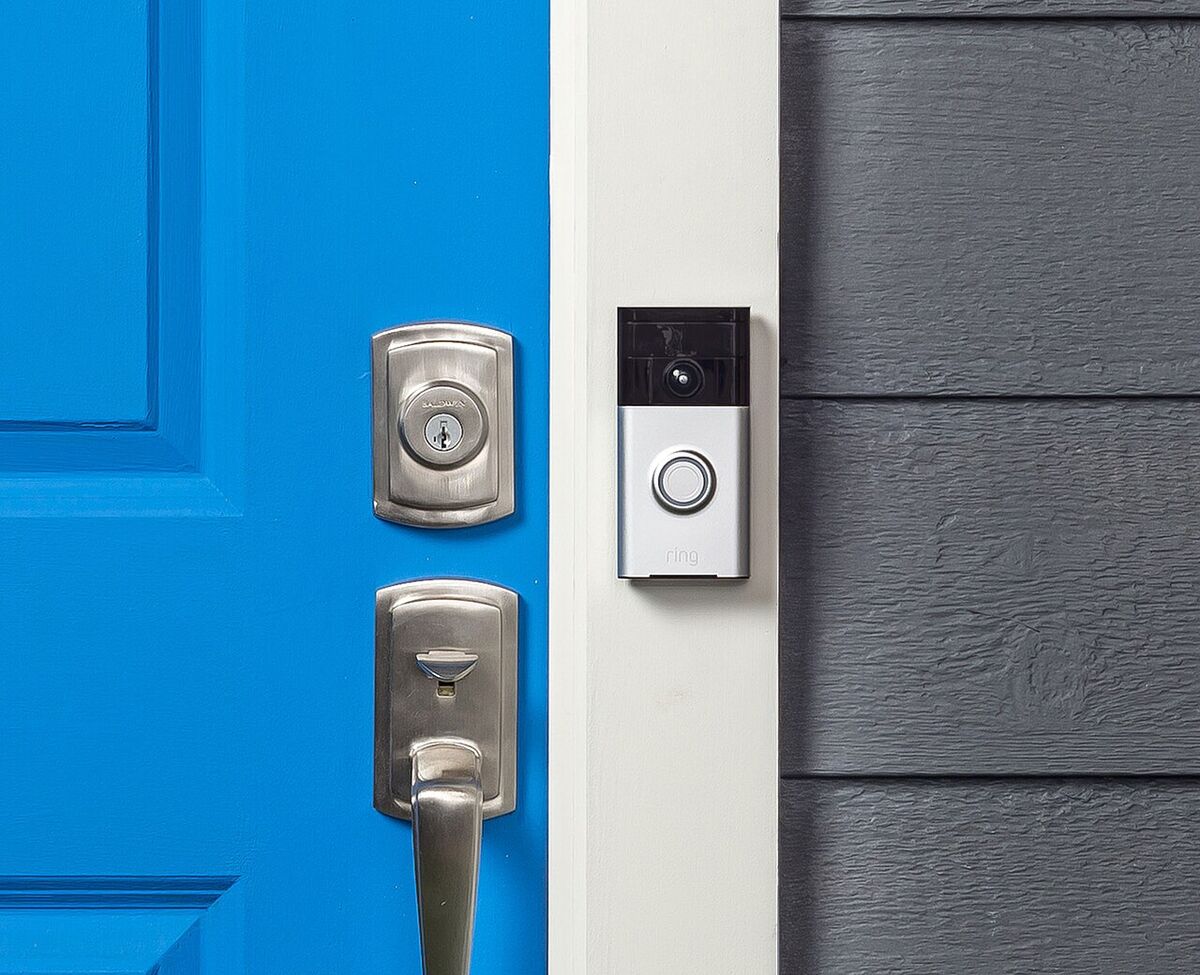
- Security Nightmares: Do we really need our dishwashers connected to the Wi-Fi? Every new connected device is just another entry point for hackers. There have been countless stories of smart cameras getting breached.
Are Smart Features Worth It?
In my view, 90% of "smart" features are just solutions looking for a problem. A physical light switch works 100% of the time, requires no updates, and can't be hacked by a teenager in another country.
Should You "Dumb Down" Your Home?
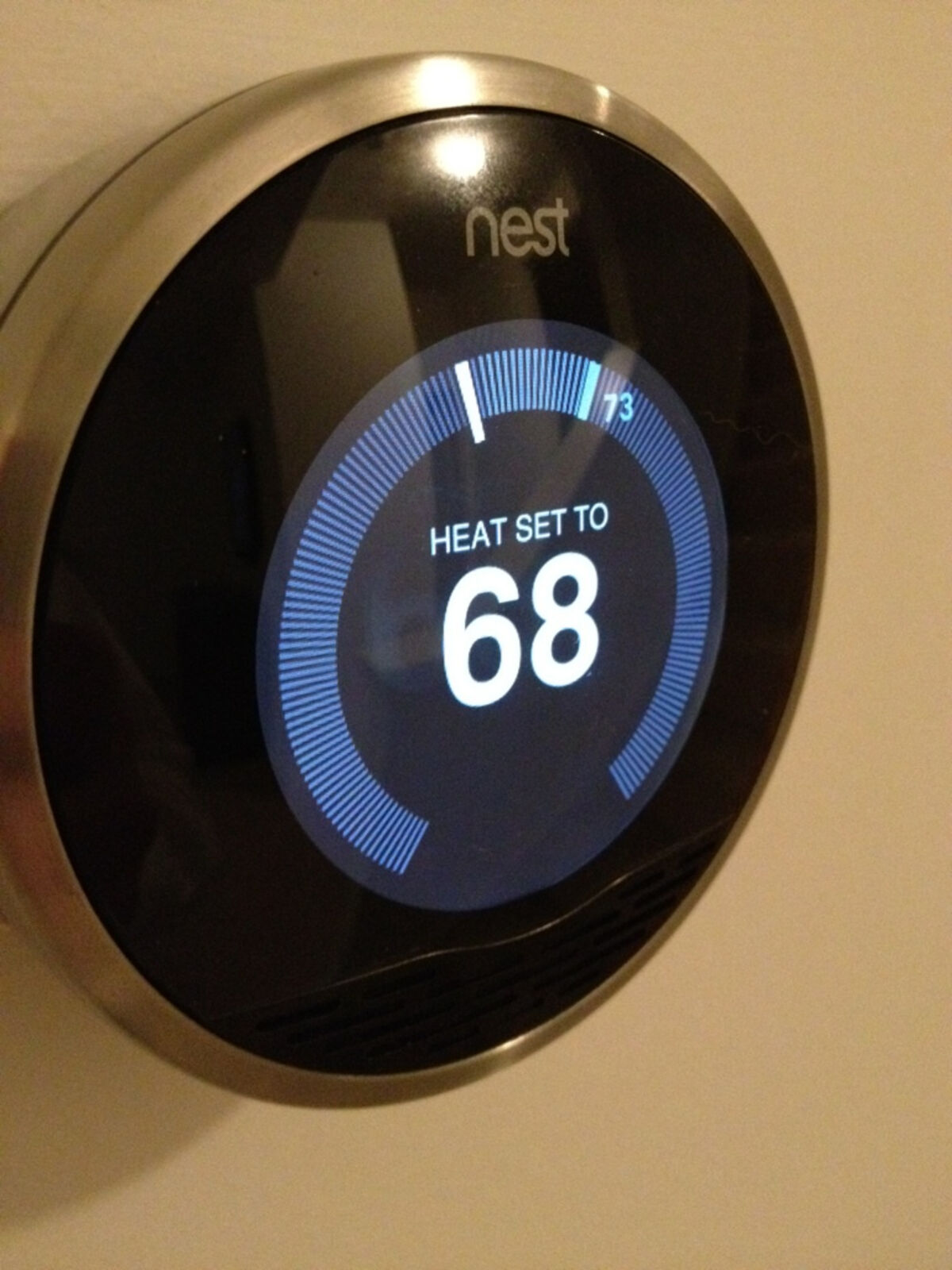
"Dumbing down" a house can be a sensible move. One option is to keep the one device that genuinely earns its place, such as a smart thermostat, and take everything else back to analog. Sometimes, the low-tech solution is actually the smartest one.