Digital Twins: Creating Virtual Mirrors of the Real World for Predictive Analytics
- Technology, Data Engineering
- Exien
- · Updated
Why Simulate Reality Before Acting?
Digital Twins let organizations test thousands of "what-if" scenarios safely in the digital realm before executing them in the physical world. In 2026, the convergence of cheap IoT sensors, massive cloud computing, and advanced AI has allowed us to create living, breathing virtual replicas of physical assets that update in real-time, rather than static 3D blueprints.
In the past, predicting the wear and tear of a jet engine or anticipating traffic bottlenecks in a growing city relied heavily on historical data and educated guesswork. If an industrial machine broke down, it caused millions in unplanned downtime. Today, relying on past data to predict future physical realities is no longer sufficient. A dynamic simulation that constantly mirrors the physical asset closes that gap.
What Is a Digital Twin?
A Digital Twin is a highly accurate virtual model of a physical object, process, or system. The critical distinction between a standard 3D CAD model and a true Digital Twin is the flow of real-time data.
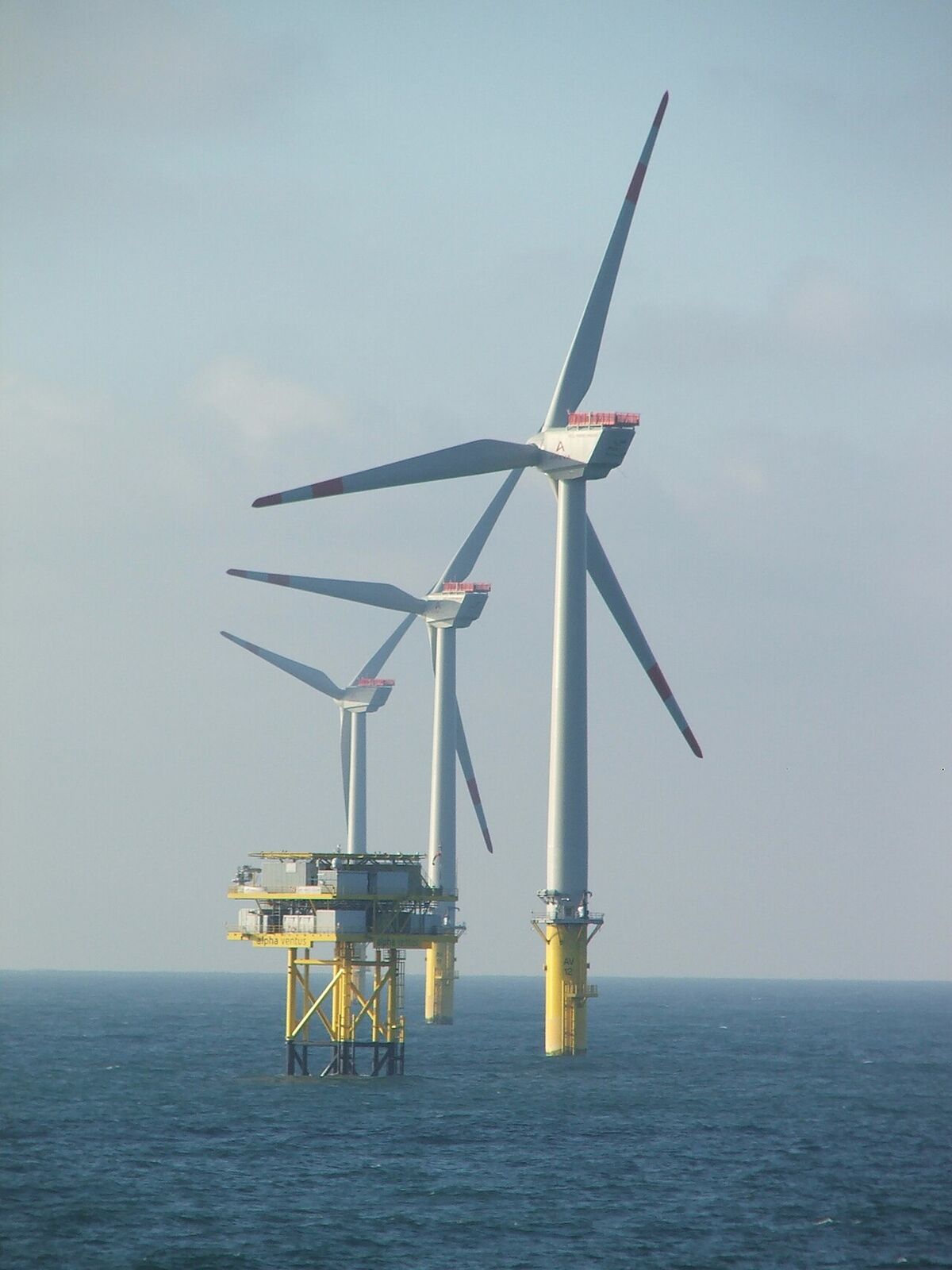
The physical object (e.g., a wind turbine) is outfitted with dozens of sensors measuring temperature, vibration, wind speed, and energy output. These sensors continuously stream data back to the cloud. The virtual model (the Digital Twin) ingests this data instantly, allowing it to mimic the exact real-world state of the physical turbine at any given moment.
What Technologies Power a Digital Twin?
A robust Digital Twin ecosystem integrates three foundational technologies: IoT sensors, physics-based simulation, and AI.
1. The Internet of Things (IoT)
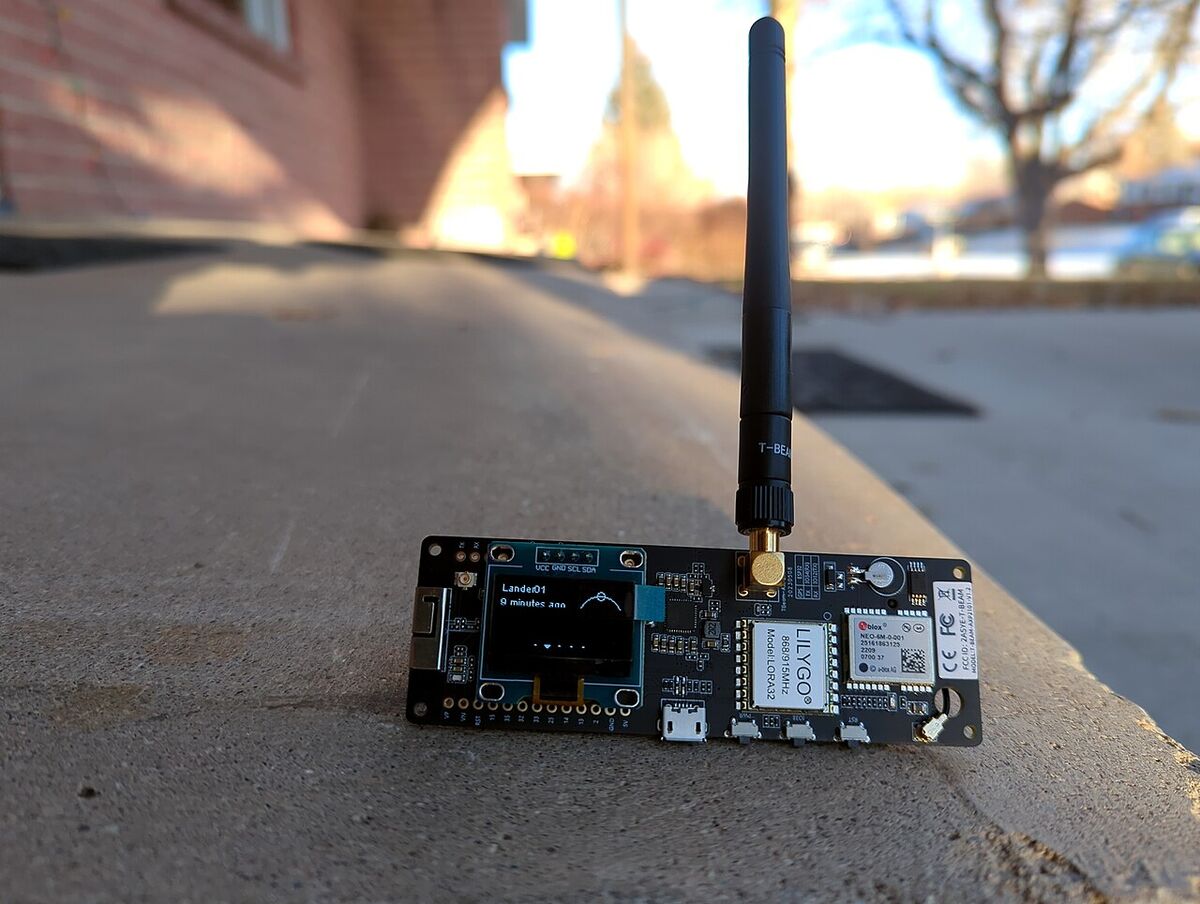
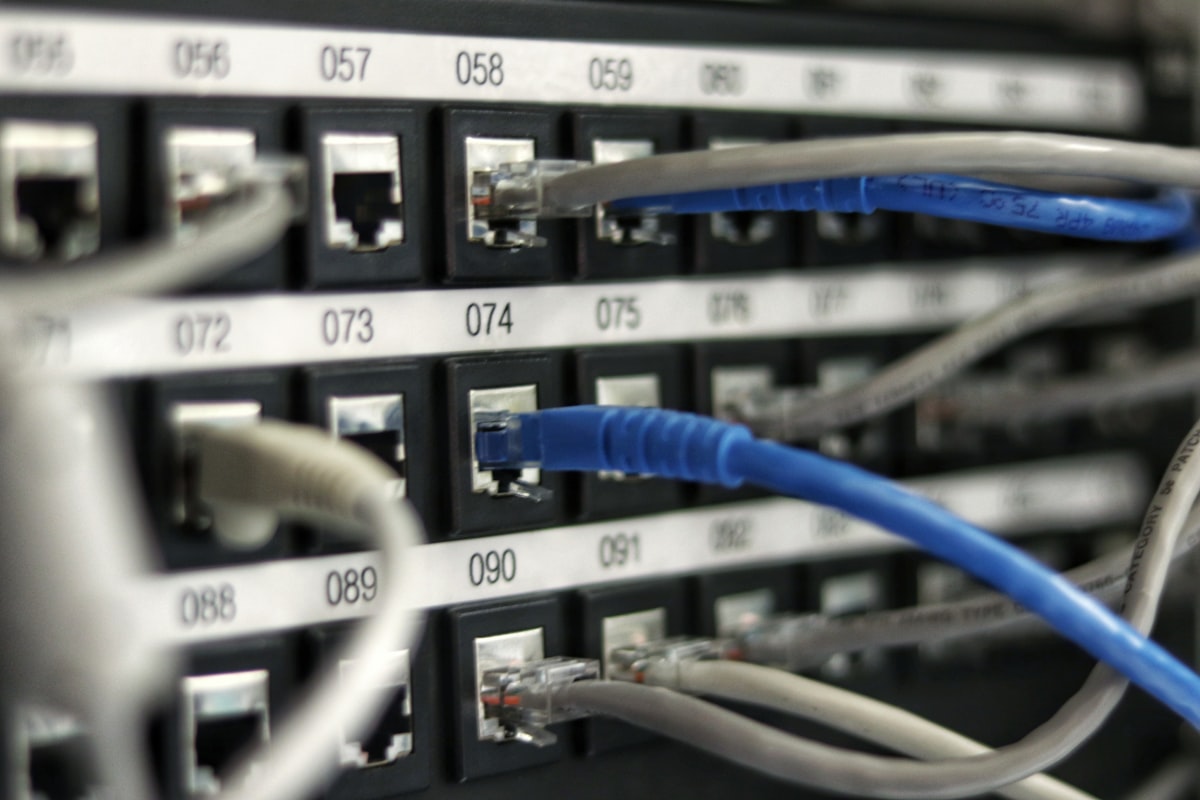
IoT is the nervous system of the Digital Twin. Millions of interconnected sensors gather continuous streams of telemetry data from the physical asset, ensuring the virtual model remains a perfect reflection of reality.
2. High-Fidelity Physics-Based Simulation
A true Digital Twin understands the laws of physics. If the virtual model of a car drives into a virtual wall, the software must accurately simulate the crumple zones based on real-world material science, aerodynamics, and thermodynamics.
3. Artificial Intelligence and Machine Learning
AI serves as the predictive brain. While humans can't easily spot a subtle correlation between a slight increase in engine vibration and an impending catastrophic failure, Machine Learning algorithms trained on the Digital Twin's historical data can identify these microscopic anomalies and predict a breakdown weeks before it happens.
Where Are Digital Twins Used Today?
Digital Twins are used in manufacturing, urban planning, healthcare research, and supply chains. They have graduated from aerospace R&D labs and are now transforming everyday industries:
- Manufacturing and Predictive Maintenance: Instead of replacing parts on a fixed schedule (which is wasteful) or waiting for them to break (which is disastrous), factories use Digital Twins to predict precisely when a specific gear will fail based on its actual usage patterns. Maintenance is performed right on time, reducing downtime by up to 50%.
- Smart Cities and Urban Planning: Urban planners in cities like Singapore have created Digital Twins of entire metropolitan areas. They use these models to simulate the impact of building a new skyscraper on wind patterns, or to predict how closing a specific road will affect traffic congestion and air quality during rush hour.
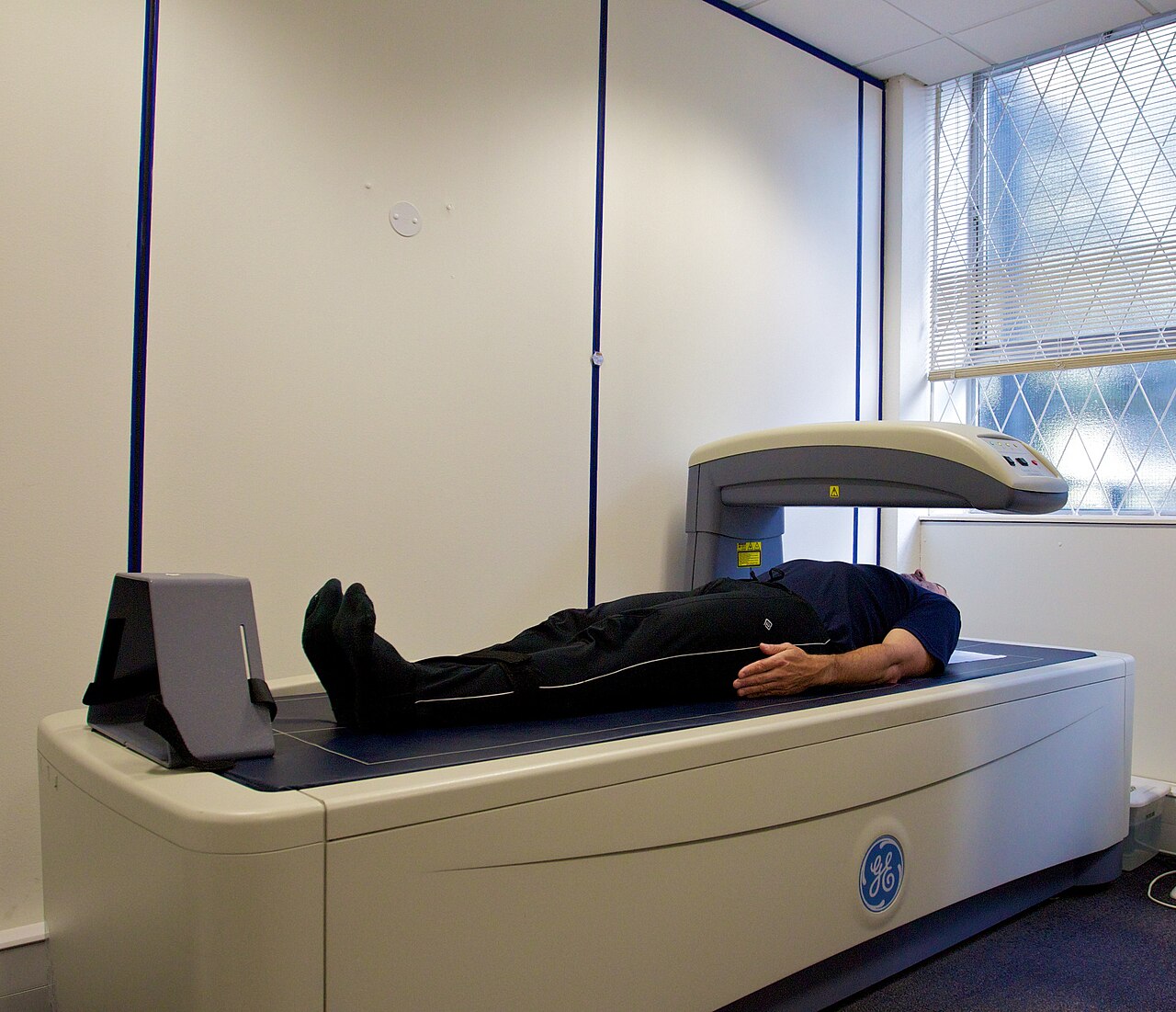
- Healthcare and Personalized Medicine: Medical researchers are exploring the concept of the "Human Digital Twin." By combining a patient's genetic data, medical history, and real-time wearable sensor data, doctors may one day simulate how a specific individual's virtual body would react to a new drug or surgical procedure, a step toward personalized medicine.
- Supply Chain Optimization: Retail giants use Digital Twins of their entire global supply chains to simulate disruptions. "If a hurricane shuts down this port in Asia, how should we reroute shipping lanes to ensure stock remains available in New York?" The Digital Twin calculates the optimal solution instantly.
What Is the Future of Digital Twins?
The future of Digital Twins lies in connecting many twins together, and their scope is expanding. We are moving from single-asset twins (a single jet engine) to System-of-Systems Twins.
Imagine a Digital Twin of a jet engine communicating with the Digital Twin of the entire airplane, which in turn communicates with the Digital Twin of the airport's air traffic control grid. This massive interconnected web of simulations will allow for unprecedented levels of optimization across entire global networks.
Conclusion
The ability to look into a digital mirror and see the exact current state and likely future state of the physical world is one of the most powerful capabilities of the 21st century. Digital Twins allow humanity to fail safely in the virtual world so that we can succeed flawlessly in the real world. By eliminating guesswork and enabling predictive intelligence, Digital Twins are building a more efficient, resilient, and optimized future.