The Silent Revolution: How On-Device AI is Changing Our Gadgets
- Technology
- Exien
- · Updated
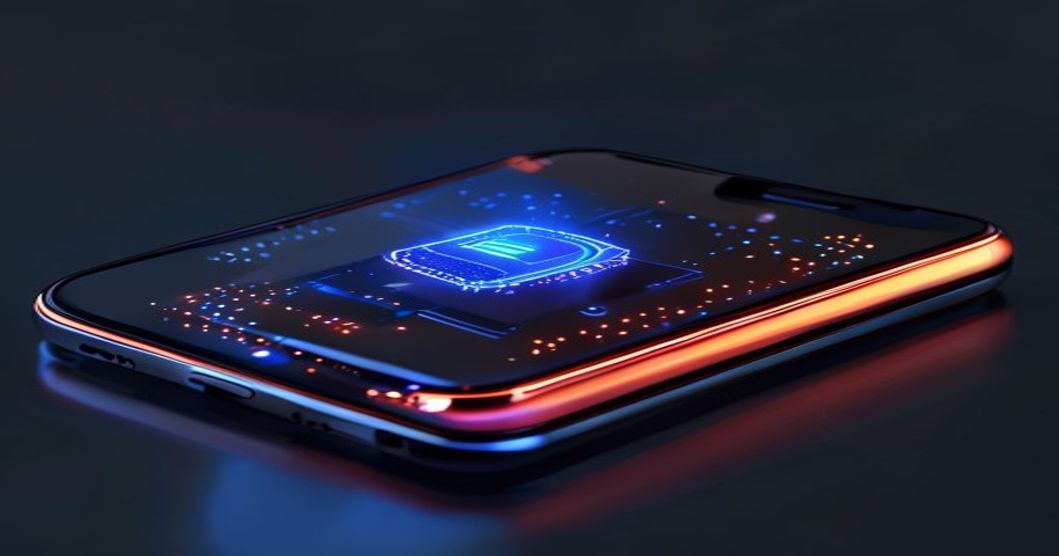
On-Device AI means your phone or PC runs AI tasks on its own hardware instead of sending data to a cloud server. The result is faster responses, better privacy, and AI features that keep working offline, which is why tech giants are racing to put AI chips in everything.
We are moving past the days when every little AI task required a strong Wi-Fi signal and a trip to a massive cloud server. It is a quiet but massive shift in how our everyday gadgets operate, and a huge win for your daily digital life.
What Exactly is On-Device AI?
To put it simply, On-Device AI means the artificial intelligence processing happens right there in the palm of your hand, on your device's own hardware (specifically, using a Neural Processing Unit or NPU).
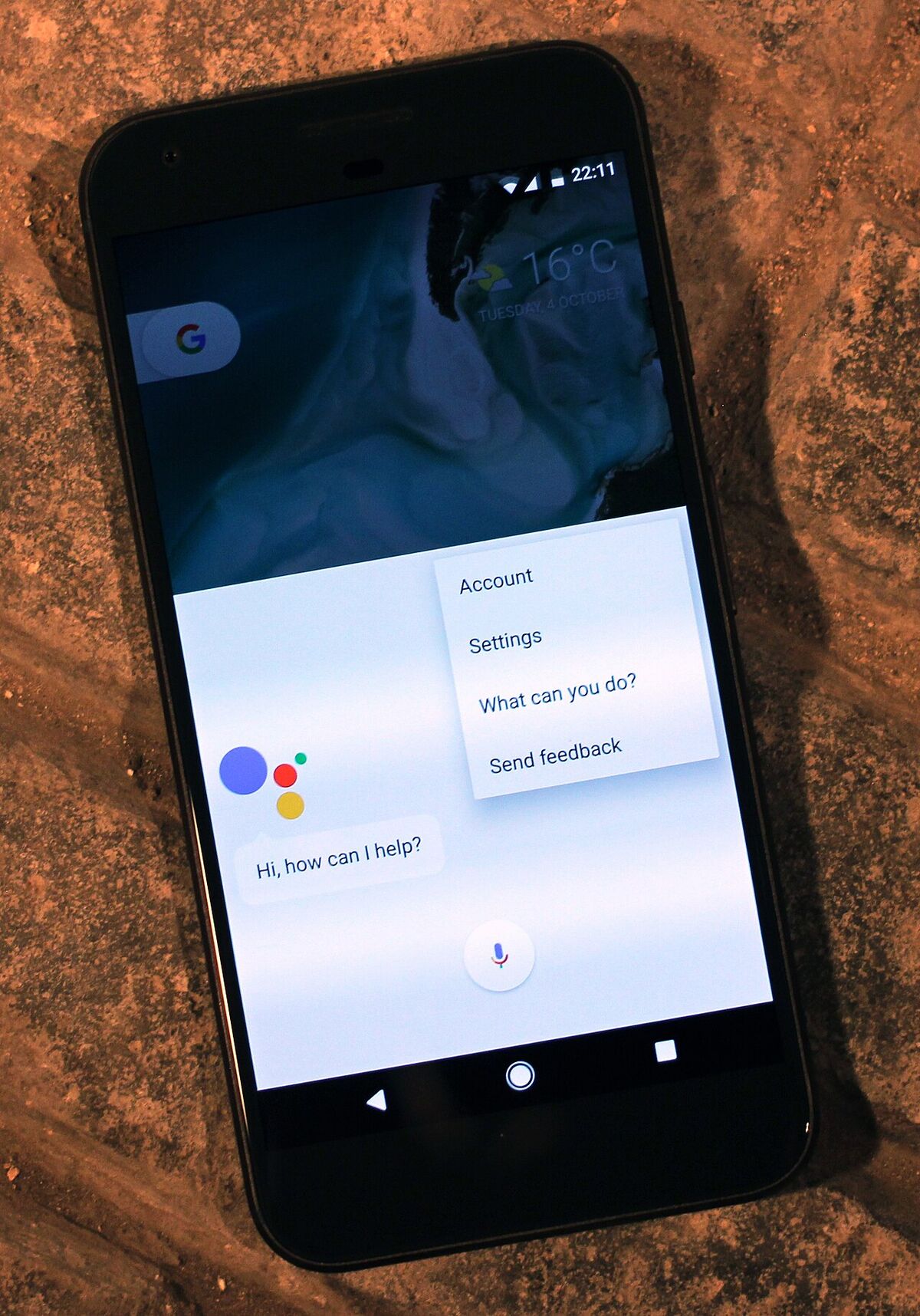
Traditionally, if you asked a voice assistant a question or applied a fancy AI filter to a photo, your phone had to send that data to a remote cloud server. The server did the heavy lifting and sent the result back. Now, your phone or PC has the "brainpower" to do that heavy lifting locally.
What Are the Benefits of On-Device AI?
Moving AI out of the cloud and into your pocket brings three big benefits: speed, privacy, and offline use. Together they solve some of the biggest annoyances we face with modern tech.
1. Speed: Instant Responses
On-Device AI is fast because data doesn't have to travel to a server hundreds of miles away and back. Real fast.
- Voice typing happens in real-time as you speak.
- Photo editing tools like magic erasers work instantly.
- Language translation is seamless, making live conversations in different languages actually viable.
2. Privacy: Your Data Stays Yours
Privacy is perhaps the biggest selling point. With cloud AI, your personal photos, voice recordings, and text messages have to leave your device. With On-Device AI, everything stays local. If you are asking an AI to summarize a sensitive work email or sort through your personal family photos, you can rest easy knowing that data never touches the internet. It is a massive step forward for digital privacy.
3. Offline Capabilities: No Wi-Fi? No Problem
On-Device AI works entirely offline, which matters in a dead zone or on an airplane, where a cloud voice assistant just leaves you frustrated. You can transcribe voice notes, translate text, or organize files without needing a single bar of cellular service.
What Can On-Device AI Do Today?
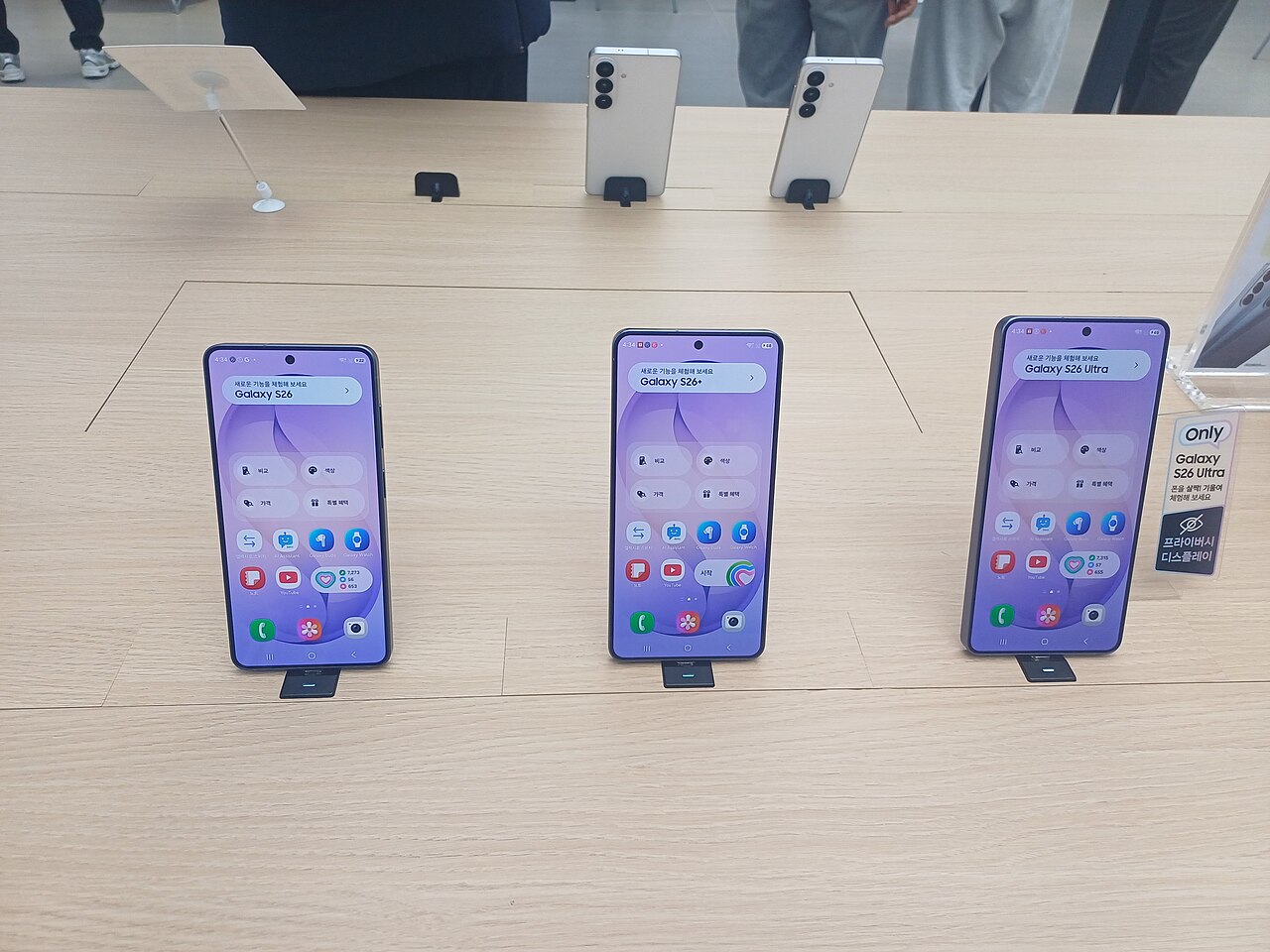
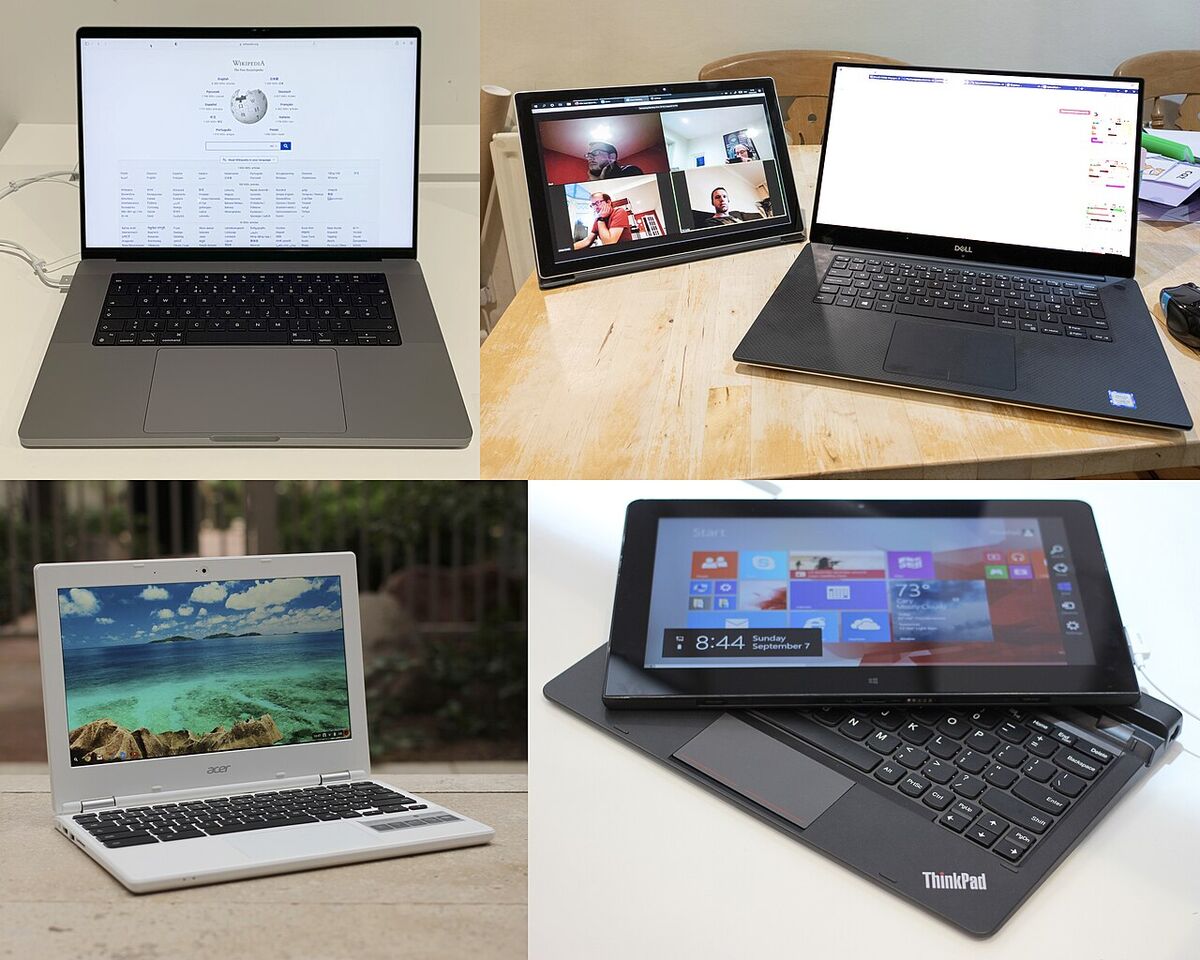
On-Device AI is already baked into the latest smartphones and "AI PCs". Here are some practical ways it's being used right now:
- Live Call Translation: Imagine calling a hotel in a foreign country, and your phone translates your voice to their language, and their voice back to yours, in real-time.
- Advanced Photo and Video Processing: Cameras that can automatically adjust lighting on a pixel-by-pixel basis instantly, or generate frames to make videos smoother.
- Intelligent Summarization: Highlighting a long article or a messy block of notes and having your device instantly generate a bulleted summary.
How Is On-Device AI Changing the "AI PC" and Smartphone?
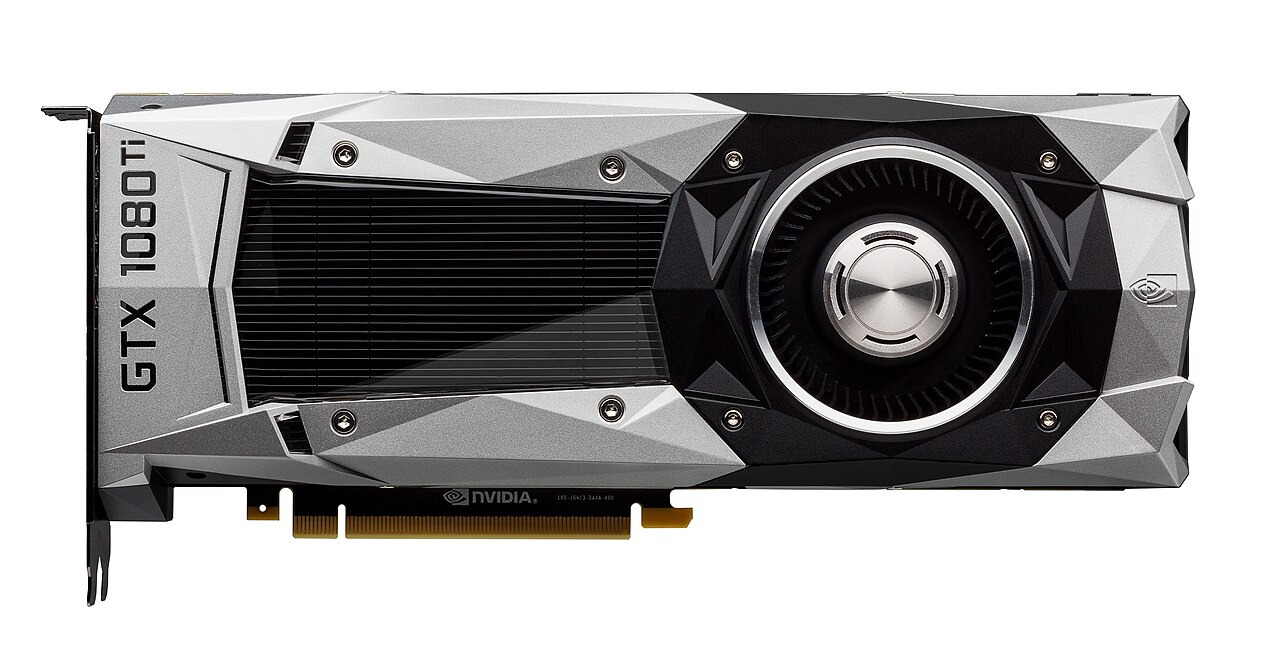
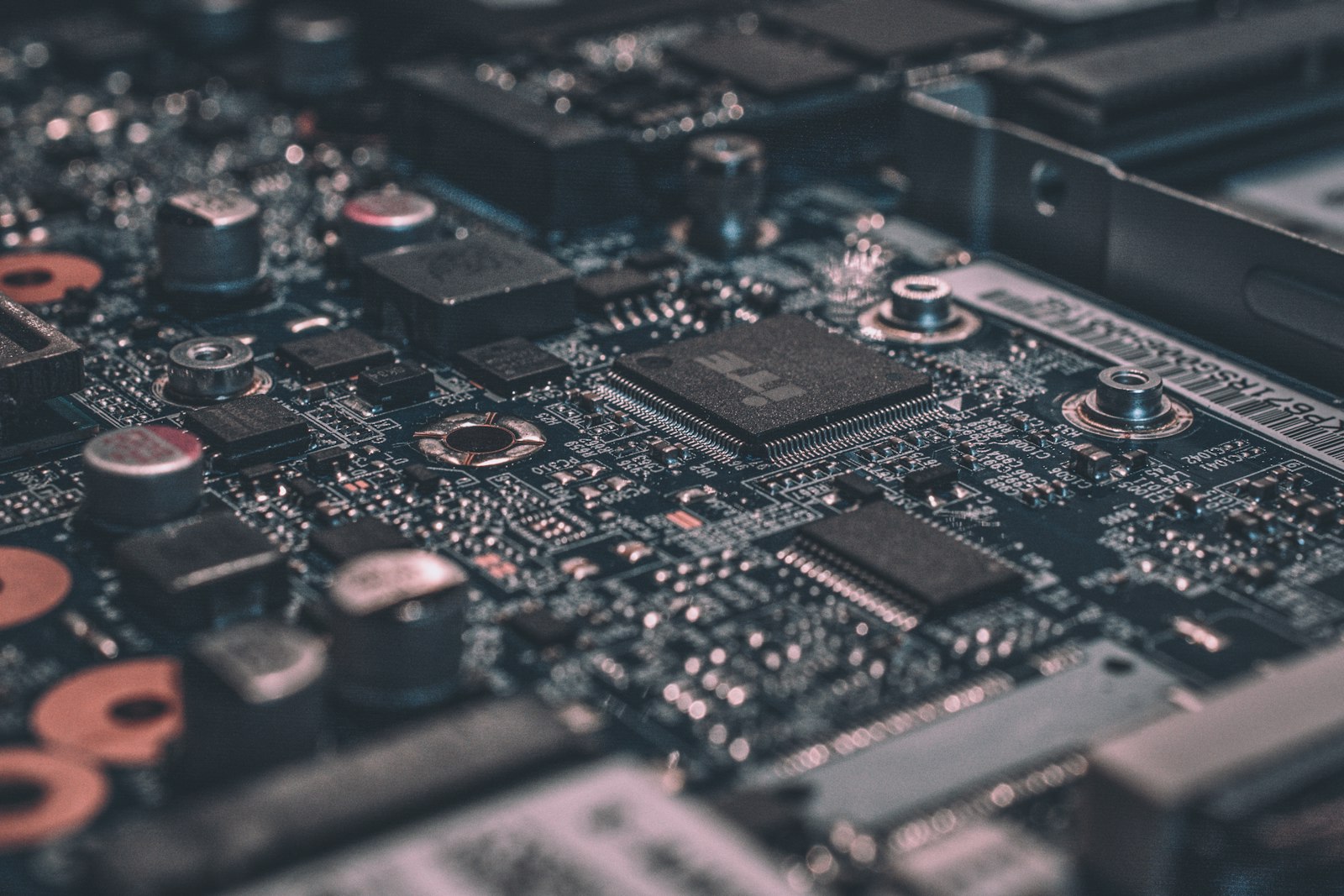
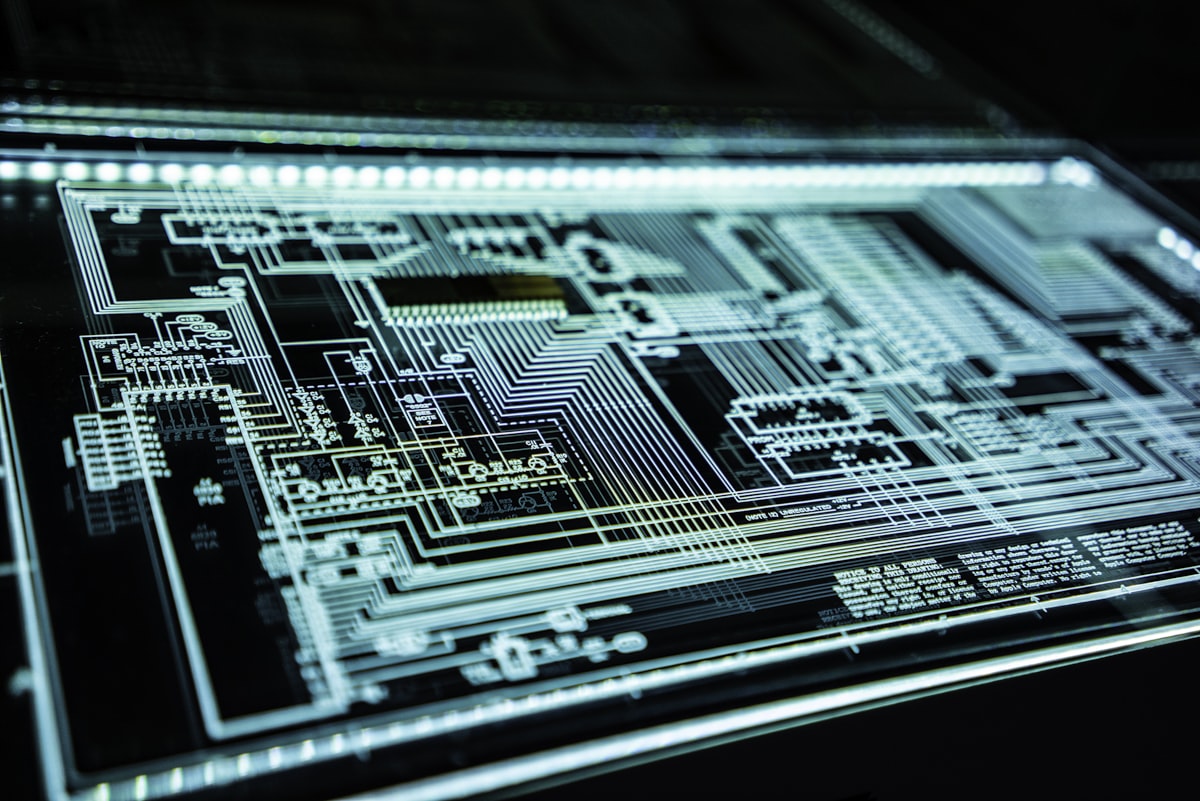
On-Device AI is fundamentally changing hardware, with a massive focus on NPUs (Neural Processing Units). Just like your device has a CPU for general tasks and a GPU for graphics, NPUs are dedicated purely to AI workloads. They are incredibly power-efficient, meaning they can run complex AI tasks without draining your battery in an hour.
As developers get more comfortable with this hardware, the apps we use every day are going to get much smarter and much more personalized, learning our habits and preferences securely on our own devices.
Next time you upgrade your phone or laptop, don't just look at the camera megapixels or the screen resolution. Take a look at its AI capabilities—because having a smart device that can think for itself, offline and privately, is the real next-generation feature.