Controlling a Smart Home with Your Mind: The BCI Reality in 2026
- Technology, Review, Lifestyle
- Exienent
- · Updated
Yes, in 2026 you can control parts of a smart home with your thoughts, using a consumer EEG headband. These Non-Invasive Brain-Computer Interfaces (BCIs) handle broad, mood-based changes like dimming lights well, but mental fatigue, false positives, and comfort limits mean they work best as a supplement to your phone or voice assistant.
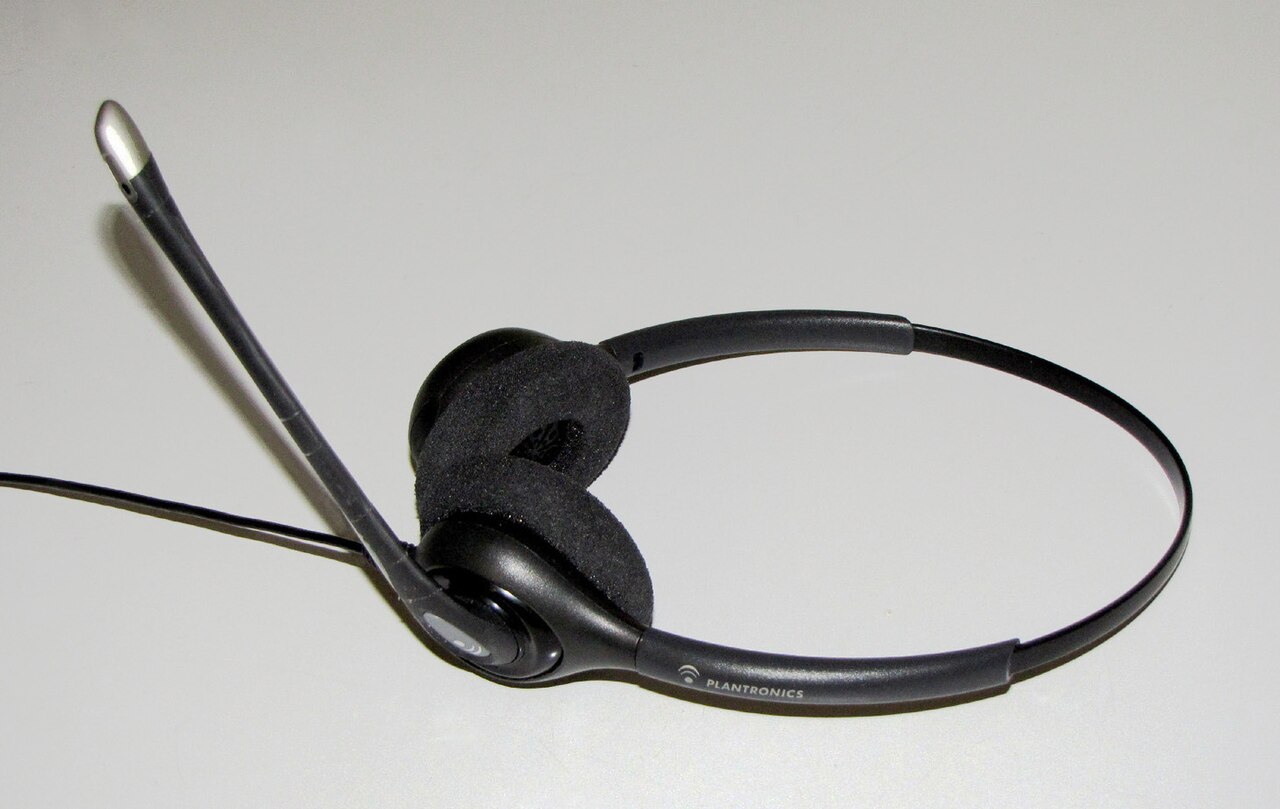
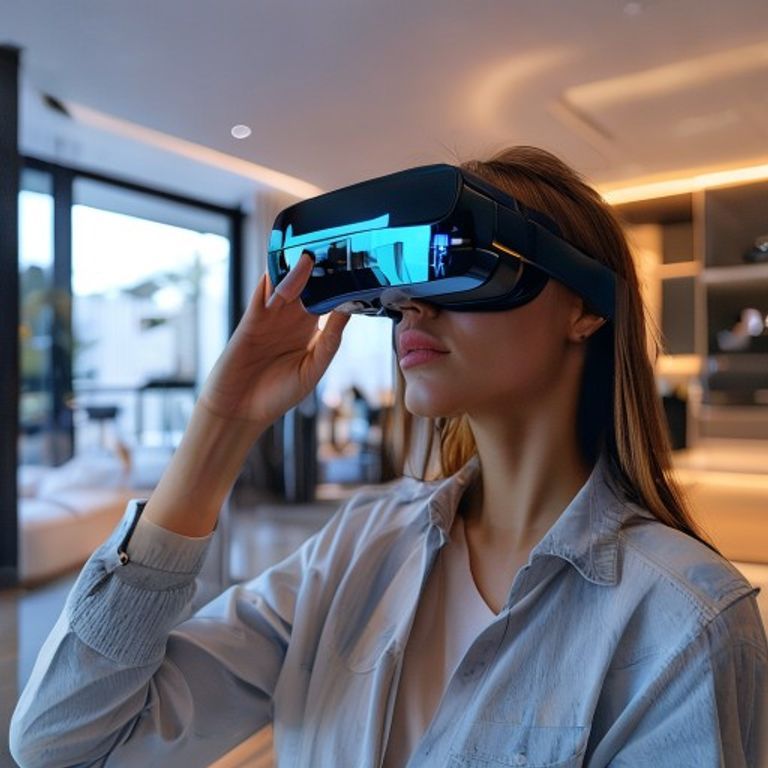
While invasive brain implants like Neuralink grab all the futuristic headlines, this much quieter revolution has been happening in the consumer space. We are talking about sleek, comfortable headbands that read your brain's electrical activity (EEG) and translate it into digital commands without needing a surgeon. These devices have finally evolved from gimmicky focus-trackers into actual controllers for the IoT ecosystem, which raises the obvious question: what is it like when your thoughts become your remote control?
How Do You Set Up a BCI Headband for a Smart Home?
Setup is surprisingly straightforward. The headband connects via Bluetooth, and you then "train" the AI by intensely focusing on specific mental states or visualizing specific actions (like pushing a block or closing your hand) to map them to smart home triggers.
Once calibrated, the experience can feel undeniably magical.
What Can Mind Control Do Well at Home?
"Thought-casting" shines for simple, state-based triggers that need no voice or app:
- Ultimate Convenience: A "deep relaxation" brainwave state can be mapped to living room lighting. Sit on the couch, consciously exhale and clear your mind after a long day, and the lights can dim to a warm amber while an ambient chill playlist starts. No voice commands, no apps. It just knows.
- The "Jedi" Commands: For more active commands, visualizing a strong "pushing" motion can be mapped to motorized blinds. Simply thinking about throwing the blinds open from your desk, then watching them roll up moments later, is the kind of ego-boost voice assistants delivered when they were new.
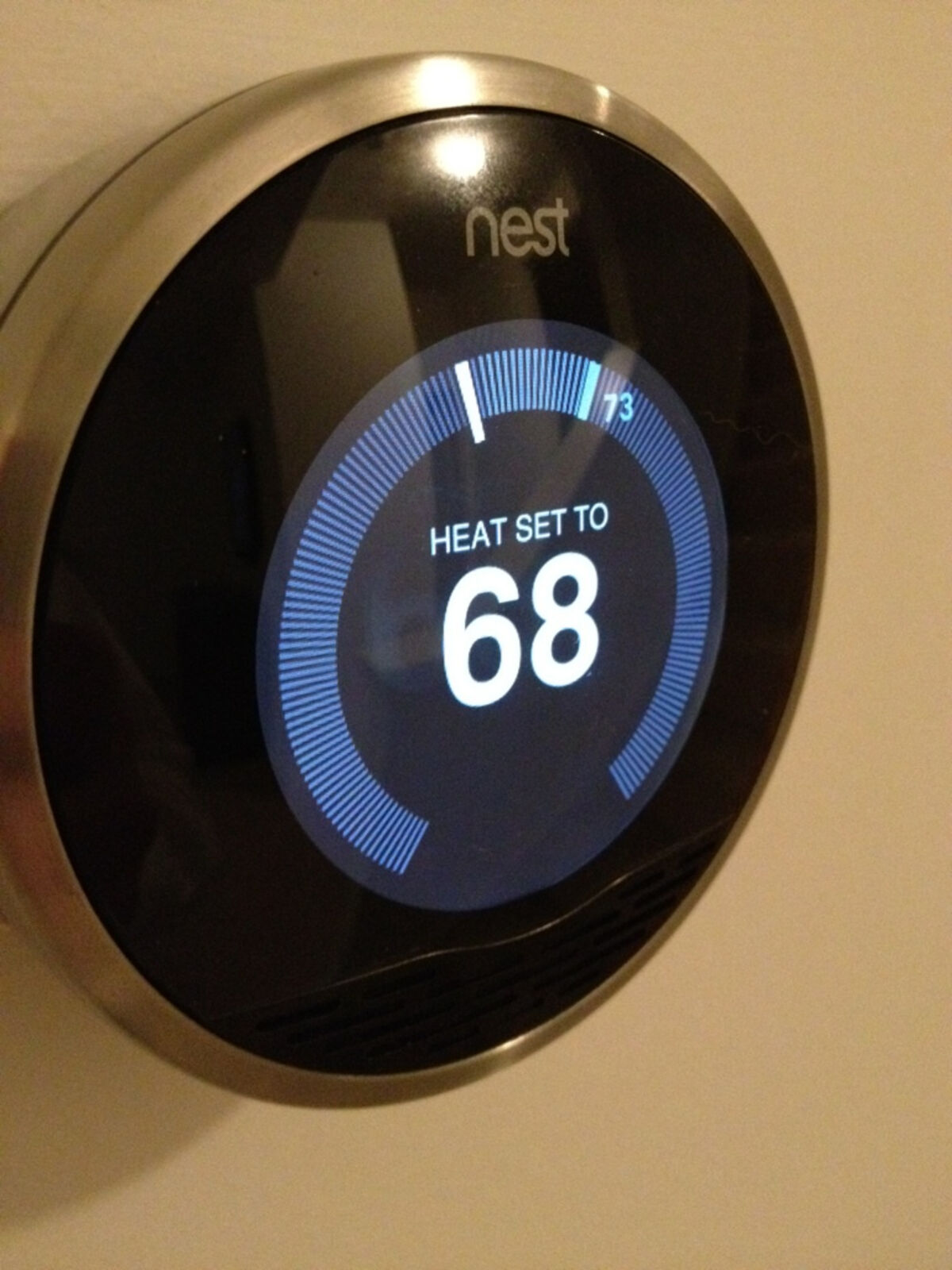
- Silent Control: Unlike voice assistants, which can be disruptive if someone else is sleeping or working, mind control is entirely silent. You could adjust the thermostat from bed in the middle of the night without whispering a word to a smart speaker.
What Are the Downsides of BCI Smart Home Control?
The main downsides are mental fatigue, false positives, and comfort. Relying on a BCI for daily tasks comes with a steep learning curve and some frustrating realities.
- Brain Fatigue is Real: It takes real mental energy to deliberately generate a specific, clean EEG signal, even for something as small as turning on the coffee maker. If you are tired, stressed, or distracted, the headband can struggle to read your intent. Trying to force a "focus" command when you have a headache can be genuinely exhausting.
- The "Intrusive Thought" Problem: While the AI is pretty good at filtering noise, false positives happen. A sudden spike in brain activity during an intense movie could accidentally trigger an "all lights on" command mapped to a burst of focus. Users may need a weird kind of mental discipline to avoid accidentally triggering the house.
- Comfort Over Long Periods: The 2026 headbands are much lighter than older models, but wearing a tight band with dry electrodes pressed against your forehead all day still gets uncomfortable. It's great for targeted sessions, but we aren't at the "wear it and forget it" stage yet.
Is Mind Control the Future of the Smart Home?
Yes, but with caveats. Using a non-invasive BCI feels like a massive leap forward in how we interact with our environment. It removes the friction of physical interfaces or voice commands.
Right now, however, it functions best as a supplementary controller rather than a complete replacement for your phone or voice assistant. It is perfect for broad, state-based environmental changes (like dimming lights when relaxed), but it is still too mentally taxing for granular tasks.
In my view, if you love living on the bleeding edge of tech and have a bit of mental discipline, it can be worth the investment today. Just be prepared to accidentally turn off your TV when you get too excited during a football game! Have you ever thought about controlling your tech with your mind? Let me know your thoughts in the comments.