Powering Your House With Your Car: The Reality of Bidirectional Charging in 2026
- Hardware
- Exienent
- · Updated
Bidirectional charging turns an electric vehicle into a home battery: with Vehicle-to-Home (V2H) it can keep your house running during a blackout, and with Vehicle-to-Grid (V2G) it can send energy back to the utility. In 2026 it is a real option, but it needs a car that supports it plus a dedicated bidirectional charger and a transfer switch installed by an electrician.
Picture the grid going down right as you start cooking dinner. Normally, that means rummaging for flashlights, eating cold sandwiches, and worrying about the groceries in the fridge spoiling. With a V2H setup, you can plug a specialized cable into your EV, tap a button on your phone, and have the house lit up again shortly after.
For years, we’ve thought of electric vehicles as giant batteries on wheels that only consume power. With V2H and V2G technology finally maturing, your car isn't just transportation anymore—it's a massive, mobile power station.
What actually is bidirectional charging?
Bidirectional charging is exactly what it sounds like. Traditional EV charging is a one-way street: electricity flows from the grid, into your charger, and into your car's battery.
Bidirectional charging makes that a two-way street. The massive battery sitting in your driveway can send its stored energy back out. It comes in three main forms:
- V2L (Vehicle-to-Load): Plugging an appliance (like a laptop or a coffee maker) directly into an outlet on the car. This is great for camping.
- V2H (Vehicle-to-Home): Connecting the car to your house's electrical panel so the car can power your entire home during an outage.
- V2G (Vehicle-to-Grid): Selling the stored energy in your car back to the public utility company during peak demand hours, which can earn you money.
V2H is a practical starting point for homeowners: it works like a backup generator without the noise, fumes, and maintenance of a gas generator.
What does a V2H installation require?
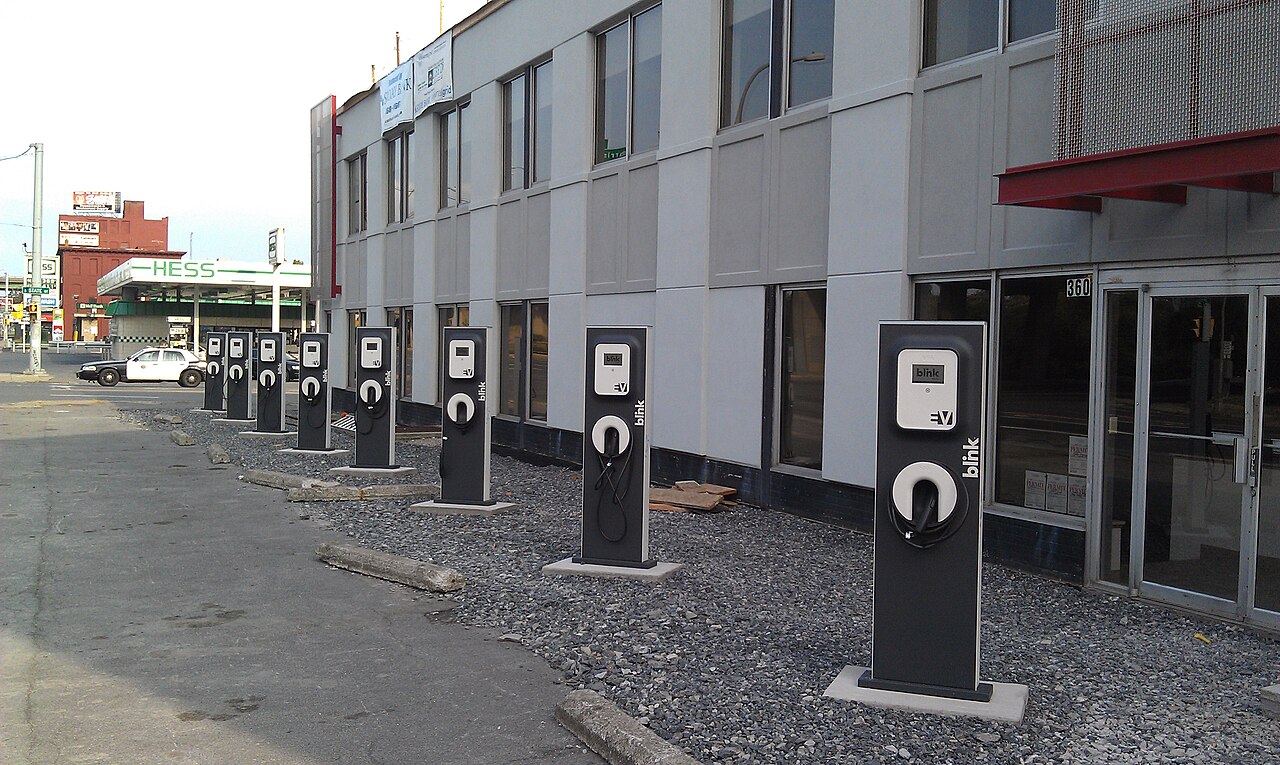
Setting up V2H is neither cheap nor easy, even when your car natively supports bidirectional charging. Your house also has to support it. You can't just plug the car into the wall backwards and expect it to work. An electrician needs to install a dedicated bidirectional charger and, more importantly, a smart transfer switch.
The transfer switch is crucial. It safely disconnects your house from the main utility grid when the power goes out, ensuring your car doesn't accidentally send electricity down the street and electrocute a lineman trying to fix the wires.
Installation can take a full day, may require permits, and is a significant expense. Even so, compared with a dedicated whole-home battery system (like a Tesla Powerwall), using the large battery already sitting in your car can be the more cost-effective route. An average home battery might hold 10-15 kWh of energy, while an EV battery can be considerably larger, so a fully charged car can potentially keep a home running for days rather than hours.
How does V2H work during an outage and every day?
Backup power in a blackout
During an outage, a well-configured system makes the transition close to seamless. The app notifies you that the grid is down and asks whether to switch to backup power, and then the lights come back on. The fridge hums, the Wi-Fi router reboots, and you can cook on an electric stove as if nothing happened. A short outage may use only a small share of a large EV battery, though actual draw depends on your home's load.
Saving money with time-of-use rates
The bigger long-term draw may be everyday savings rather than emergency backup.
Many utility companies now offer "Time-of-Use" rates, meaning electricity is cheap at night and much more expensive during the late afternoon. With a few taps in the app, you can set the system to take advantage of the price gap (a form of V2H arbitrage).
An example daily schedule:
- Midnight to 6 AM: The car charges up using cheap off-peak electricity from the grid.
- 4 PM to 9 PM: The grid hits peak demand and prices spike. The house automatically stops drawing power from the grid and starts pulling power from the car.
- 9 PM onwards: The house switches back to grid power, and the cycle repeats.
You won't notice the switch happening. Whether your bill drops, and by how much, depends on your utility's rate structure, your usage, and how much of the battery you're willing to cycle.
Is bidirectional charging worth it right now?
If you are buying a new EV in 2026, check whether it supports bidirectional charging. It is rapidly becoming a standard feature, but some manufacturers are still lagging behind.
The upfront cost of the necessary home hardware is still a hurdle, and the savings depend on local rates. In my view, though, the peace of mind of backup power and the potential to shift expensive peak usage make it a genuine glimpse into the future of decentralized energy. Instead of worrying about the power going out, you just make sure the car is plugged in.