Replacing a Monitor With a 3D Holographic Display: What to Expect
- Technology, Hardware, Lifestyle
- Exienent
- · Updated
A consumer desktop holographic display can replace a flat monitor for 3D-heavy work: it shows glasses-free 3D, lets you arrange windows by depth, and makes 3D models feel physical. For anyone without 3D-heavy work, though, glare sensitivity, software hiccups, and a steep price mean it's worth waiting a year or two.
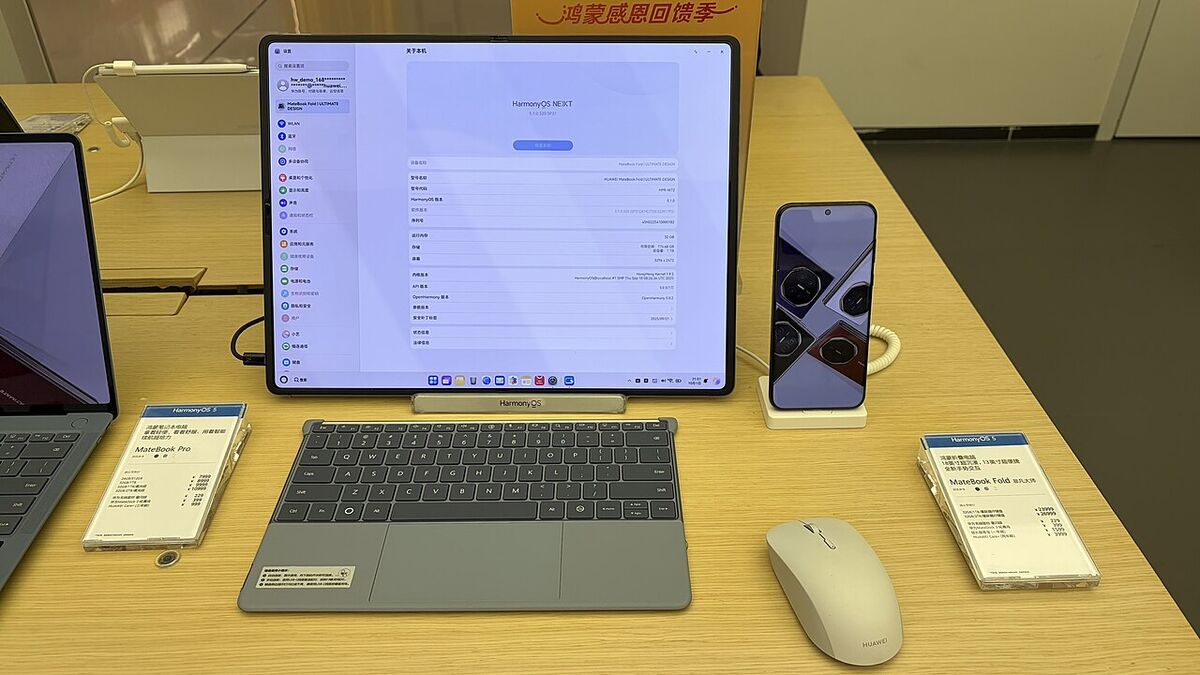
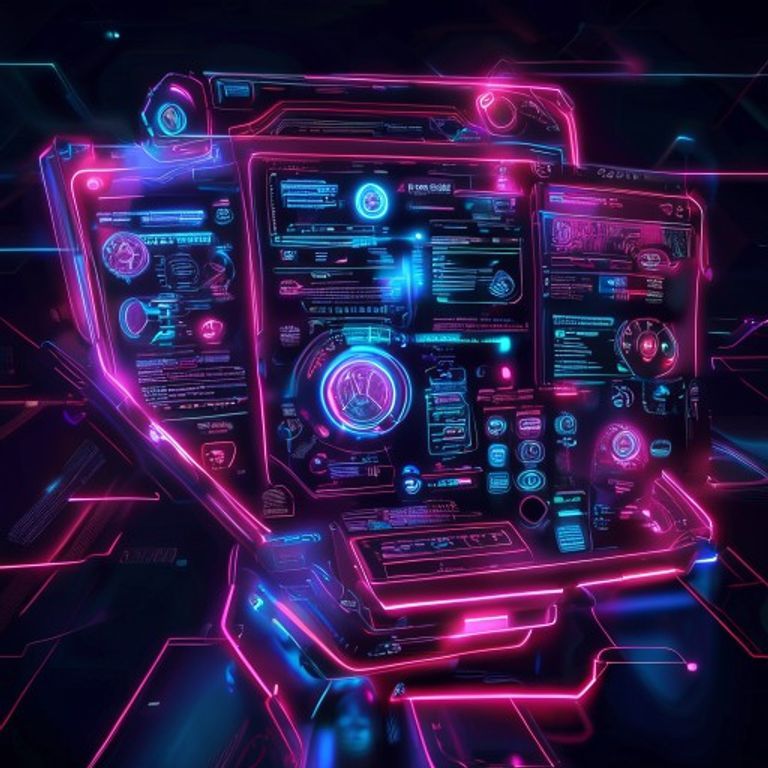
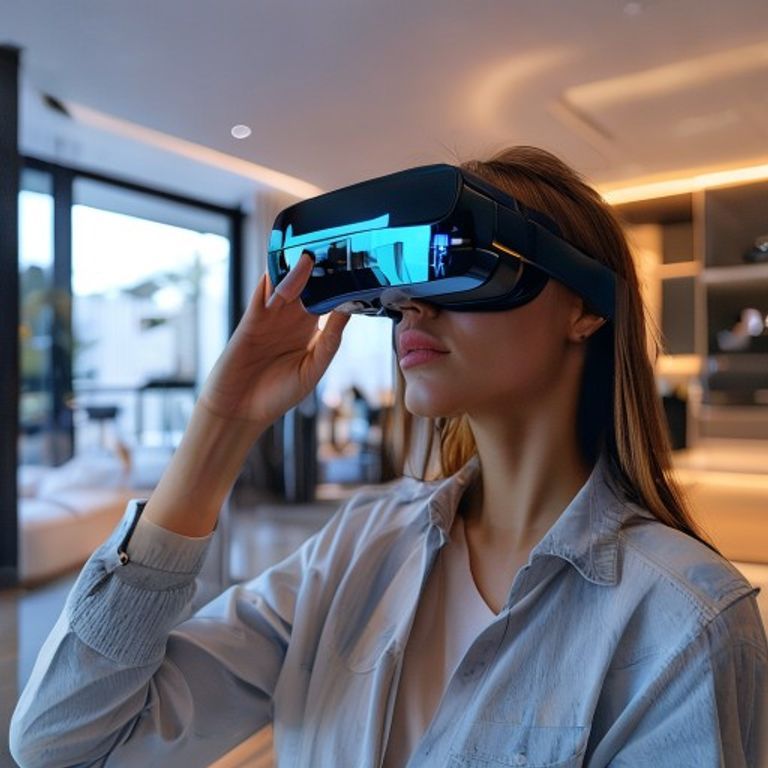
Sci-fi movies have long shown characters waving their hands through floating, glowing 3D objects. In 2026, that dream is quietly arriving on standard office desks in the form of consumer-grade desktop holographic displays. No VR headsets, no clunky smart glasses—just naked-eye 3D projection sitting where a regular screen would be, potentially replacing even a dual-monitor setup.
Is it an expensive gimmick or a genuine productivity revolution? Here is what living and working in the third dimension looks like.
How Does a Holographic Display Work Without Glasses?
The key is light-field display hardware. Unlike the 3D TVs of the 2010s that required polarizing glasses, these displays use microscopic lenses and AI-driven eye tracking to beam slightly different images directly into your left and right eyes simultaneously. So the obvious question—"Where are the glasses?"—has a simple answer: there aren't any.
The result is striking. Open a 3D architectural model or even just a standard website, and the content appears to pop out of the screen. You can lean to the left to look around a window, or lean in to look closer at a detail, and the perspective shifts in real time.
What Is a Workday on a Holographic Display Like?
Switching an entire workflow from flat 2D to a 3D volume requires a bit of brain rewiring. Daily tasks can change in a few ways:
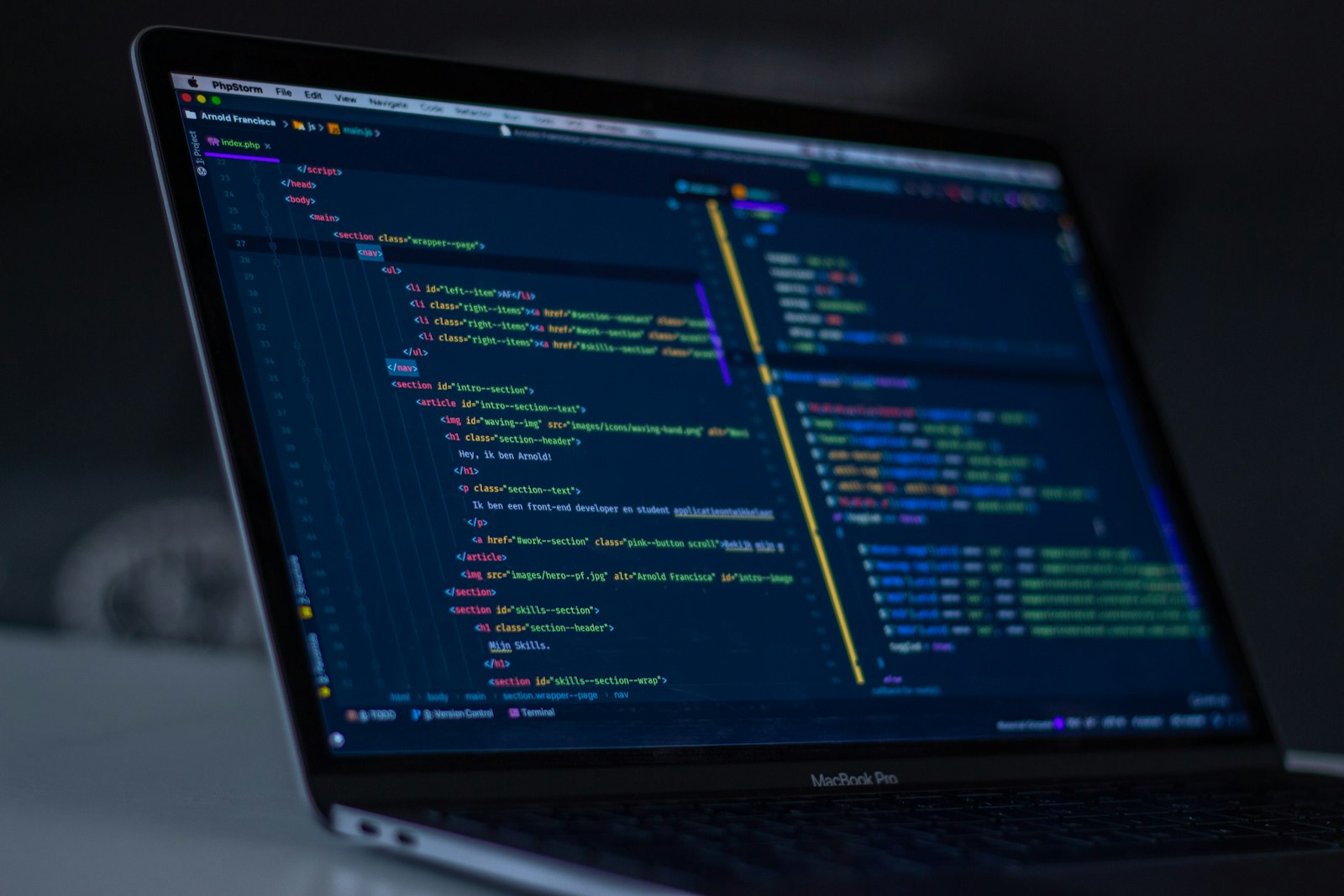
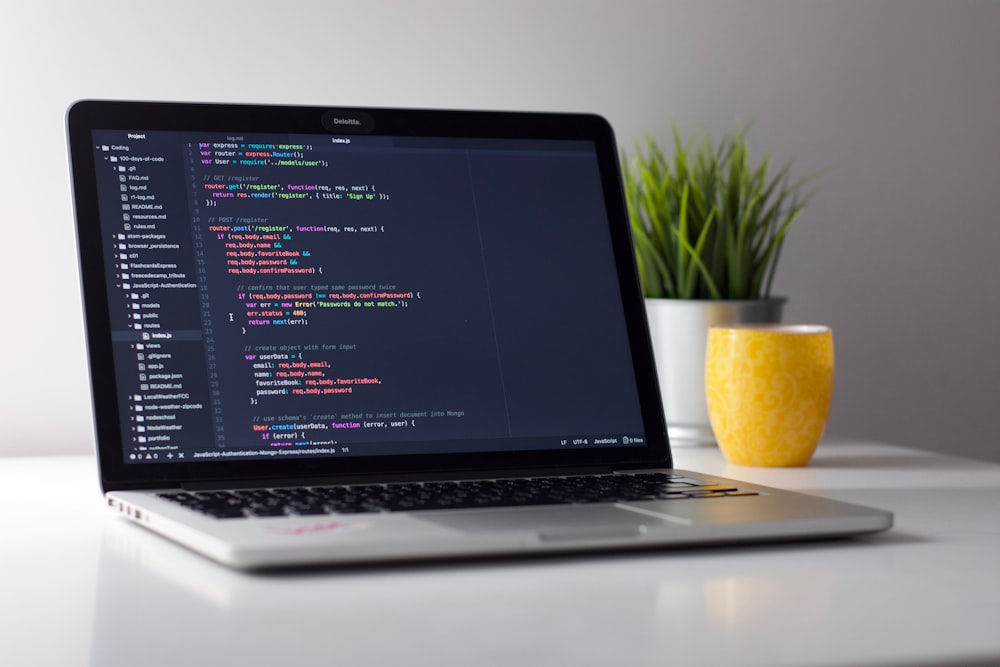
- Organizing Windows by Depth: Instead of placing windows side-by-side, you can place them front-to-back. A code editor might sit in the foreground, sharp and close, while Slack and Spotify hover slightly behind and to the left and reference documentation floats in the deep background. Physically looking "past" distractions can help you focus.
- The Power of Physicality: Open an email with a 3D prototype attached, and the object can materialize on your desk. You can reach out and rotate it with hand gestures. It feels less like using a computer and more like working in a physical workshop.
- Possibly Less Eye Strain: Because the display projects true optical depth, your eye muscles shift focus from near to far, as they do in the real world, rather than staring at a fixed flat plane for 8 hours. That may make your eyes feel less tired at the end of the day, though comfort varies from person to person.
Where Do Holographic Displays Fall Short?
Holographic displays are not a flawless utopia. Early adopters face some very real frustrations worth knowing before pulling out a credit card:
- The Glare Issue: These displays are highly sensitive to ambient light. If sunlight hits the screen directly from a window, the holographic effect washes out quickly. You need a relatively controlled lighting environment for the best experience.
- Software Compatibility Hiccups: While major apps are updating fast, dragging an older, legacy 2D application into the 3D volume can sometimes cause weird visual artifacts. The software ecosystem is still playing catch-up to the hardware.
- The Price Tag: The cost of entry is still steep. While prices have dropped significantly compared to the enterprise models of a few years ago, you are still paying a premium over top-tier traditional OLED monitors.
Is It Time to Ditch Your Flat Screen?
For some people, yes. Once you get used to spatially organizing information and handling digital objects as if they were physical items, a flat screen can feel restrictive, almost like looking at the world through a tiny window. That ability is a big leap forward in how we interact with technology.
If you are a 3D artist, an engineer, or someone who simply loves bleeding-edge tech, a holographic display can fundamentally change how you work. For everyone else, it might be worth waiting another year or two for prices to drop and the software ecosystem to mature. Still, I think the flat screen era is on borrowed time.