Replacing a Regular Dashcam with an AI Dashcam in 2026: What Actually Changes
- Tech Review, Hardware
- Exienent
- · Updated
An AI dashcam is worth the upgrade if you want a proactive co-pilot that warns you about hazards before they happen; if you only need footage for insurance claims, a standard $100 dashcam is still perfectly fine. AI models add predictive collision warnings, automatic cloud backup and pedestrian detection, but they come with false alerts and, for the best features, a subscription.
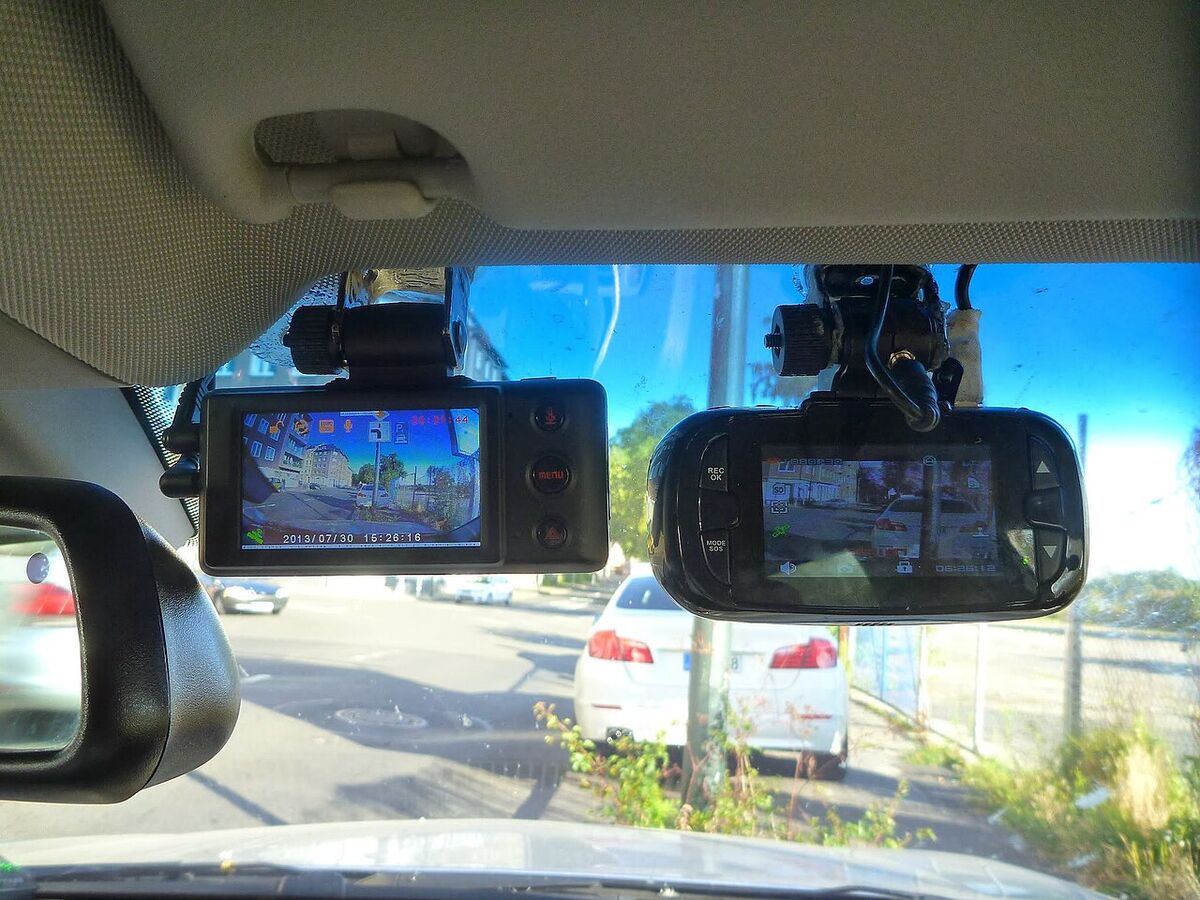
A standard dashcam is a simple "set it and forget it" device that continuously records footage onto an SD card, just in case the worst happens. With AI creeping into every corner of our lives, a huge surge of AI dashcams has hit the market. The promise: they don't just record; they actively analyze the road, warn you of impending dangers, and even monitor your driving habits. Here is how that promise holds up in 2026.
How Hard Is an AI Dashcam to Install?
Installation is usually easier than you might expect. Older systems required hardwiring directly into the fuse box for parking mode, but some AI models use a simple OBD-II port adapter for continuous power.
Setup happens in a smartphone app rather than on a tiny screen on the camera itself. The dashcam connects to the phone via a localized 5GHz Wi-Fi network, and everything is managed from there.
Pro Tip: Make sure your windshield is absolutely spotless before mounting the camera. The AI relies heavily on clear visibility to map lanes and detect objects.
What Does an AI Dashcam Do Better Than a Regular One?
The differences between an old "dumb" camera and an AI unit show up as soon as you hit the road.
The Impressive Stuff
- Predictive Collision Warnings: This is where the AI truly shines. It doesn't just look at the car immediately in front of you. The camera actively tracks the speed and trajectory of multiple vehicles ahead, so it can alert you to hard braking several cars ahead before the driver directly in front of you even reacts.
- Smart Cloud Backup: With an old camera, saving a clip means pulling the SD card and finding an adapter. If the AI detects a significant G-force event (like a hard brake or a bump), it automatically locks the clip and uploads it to the cloud via your phone's cellular connection.
- Vulnerable Road User Detection: It does an impressive job of distinguishing pedestrians and cyclists from static objects, giving a gentle chime if someone steps near the crosswalk.
What Are the Downsides of AI Dashcams?
The biggest hurdle with this early-2026 AI tech is the false positive rate.
- Shadow Confusion: Driving through heavily wooded areas on a sunny day can cause the system to misinterpret dark shadows across the road as solid objects, triggering unnecessary braking alerts.
- Overly Aggressive Lane Departure: The lane-keeping warnings can be highly sensitive. Drifting even slightly onto the line while dodging a pothole may set off a warning. Thankfully, you can dial down the sensitivity in the app.
Is the AI Dashcam Subscription Worth It?
The subscription is worth it mainly for people who drive for a living. Most premium AI dashcams in 2026 require a monthly or yearly subscription to unlock the best features—like real-time cloud uploading, remote live viewing, and advanced AI analytics reports.
If you are a gig economy worker (like an Uber or delivery driver), the subscription is a reasonable business expense. The peace of mind and automatic cloud evidence are valuable. However, for the average commuter, it might feel like an unnecessary recurring cost on top of an already expensive piece of hardware.
Final Verdict: Should You Upgrade?
An AI dashcam can make you a more self-aware driver, and its predictive alerts are genuinely impressive.
However, you have to be willing to tolerate a learning curve and occasional false alarms. If you simply want a device to record accidents for insurance purposes, a standard $100 dashcam is still perfectly fine. But if you want a proactive co-pilot that actively helps you avoid accidents before they happen, the AI upgrade is a fascinating glimpse into the future of driving.