Can the 2026 iPad Pro Actually Replace a MacBook for Developers? A Practical Breakdown
- Hardware, Development
- Exienent
- · Updated
No, the 2026 M4 iPad Pro cannot fully replace a MacBook for a professional developer. It works remarkably well as a thin client for remote development over SSH, but the lack of local Docker, a native terminal, and a truly desktop-class browser means it is best treated as a companion device rather than a primary machine.
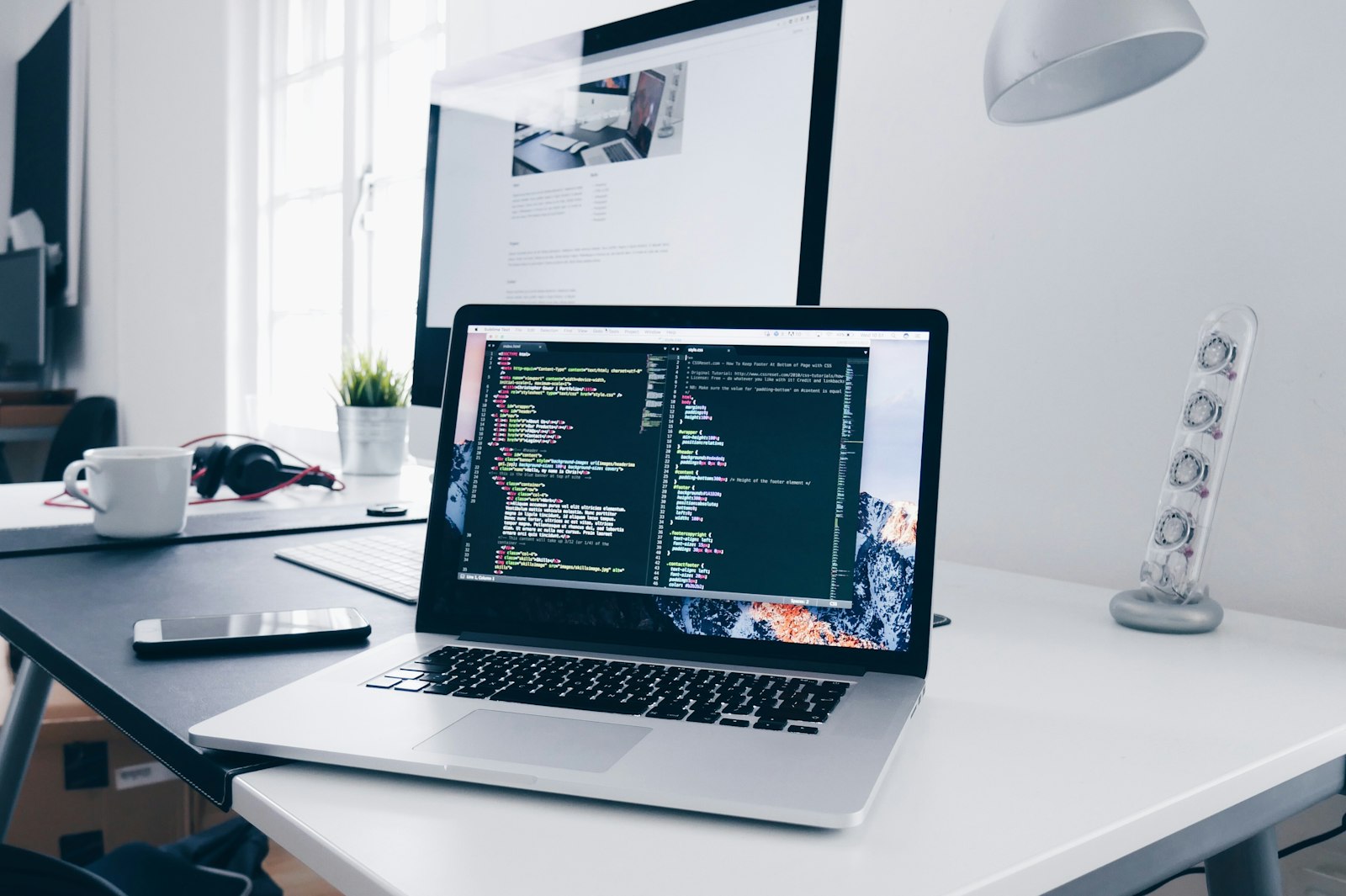
Every few years, Apple releases a new iPad Pro with a processor that rivals its top-tier laptops, and every time the tech community asks the same question: "Can I finally code on this thing?" For years the answer was "not really." You could SSH into a remote server or use web-based IDEs, but it always felt like a series of compromises. With the major iPadOS updates in late 2025 and the horsepower of the 2026 M4 iPad Pro, it is worth looking again at what a full-stack web workflow (React, Node.js, and a bit of Python) looks like on the iPad alone.
What Setup Do You Need to Code on an iPad Pro?
A workable setup pairs the 13-inch M4 iPad Pro with the Magic Keyboard, optionally connected to an external 4K monitor. iPadOS now handles external displays properly, without the awkward black bars of earlier versions.
On the software side, an iPad development workflow can rest on three pillars:
- Blink Shell: A strong SSH client for iPadOS, used to connect to a Linux VPS where the actual code lives.
- VS Code Server (via Browser): A tunnel to the VPS lets you use the familiar VS Code interface right in Safari.
- Local Sandboxes: For quick frontend prototyping, apps like CodeSandbox and Play.js fill the gap.
What Does the iPad Pro Do Well for Developers?
The iPad Pro shines when the heavy work runs elsewhere, when you want fewer distractions, and when the hardware itself becomes part of the workflow.
1. The "Thin Client" Workflow Is Nearly Perfect
When the heavy lifting (Node servers, Docker containers) is offloaded to a remote Linux machine via Blink Shell, the iPad barely breaks a sweat. Battery life can comfortably cover a full working day of coding in this setup, with power to spare.
2. Focus and Single-Tasking
macOS makes it easy to end up with 40 windows open. The iPad nudges you into a more focused paradigm, and Stage Manager has gotten significantly better. Keeping the IDE on the main screen with a terminal and browser off to the side can make for a focused, distraction-free environment.
3. The Hardware Is Unmatched
Typing on the Magic Keyboard is excellent, the OLED screen is easy on the eyes for long reading sessions (like poring over documentation), and the ability to pull off the tablet and sketch an architecture diagram with the Apple Pencil is something macOS simply cannot replicate.
Where Does the iPad Pro Fall Short for Coding?
The iPad can do a lot, but the friction in some areas is hard to live with.
1. Are Safari's Browser Limitations a Real Problem?
Yes. Safari on iPadOS claims to be "desktop class," but it isn't. With web-based IDEs or heavy web apps (like complex AWS consoles or Figma), Safari may occasionally reload the page because of memory management limits. Losing your place in a large codebase because the browser decided to refresh is infuriating.
2. Can You Run Docker or a Terminal Locally on an iPad?
No, and that is the biggest limitation. You cannot run Docker locally on an iPad, and you cannot open a native terminal and type npm install. Everything depends on an internet connection to a remote server, so on a train with spotty Wi-Fi the entire development environment can go dead in the water.
3. The "App Tax" Workarounds
Simple things on a Mac take extra steps on an iPad. Inspecting network requests in Safari's developer tools requires an awkward setup. Downloading a zip file of assets, extracting it, and moving it into the right project folder feels clunky compared to the native Finder experience.
Final Verdict: Who Should Code on an iPad Pro?
The iPad Pro is no longer a toy, but it is a companion device, not a MacBook replacement for professional developers in 2026.
If you are a student learning to code, or a developer who already spends most of the day working over SSH, the iPad can be phenomenal. For heavy offline local development, Docker environments, and complex multi-window multitasking, you will still want a real laptop.
In my view, its sweet spot is focused writing and lightweight code reviews on the couch. It won't retire your MacBook, but it can earn a permanent spot in your backpack.