Consumer Exoskeletons in 2026: What Walking Like a Superhuman Is Really Like
- Hardware
- Exienent
- · Updated
Consumer exoskeletons are real products in 2026: lightweight, AI-driven hip units from companies like Hypershell and Dnsys push your thighs forward as you walk, making long hikes and uphill climbs feel easier. They work best on trails and open ground, while stairs, public attention, and battery life remain the main drawbacks.
The word "exoskeleton" used to conjure Iron Man, or Ripley fighting the Alien Queen in a massive yellow mech suit. It always felt like technology that belonged 50 years in the future, or strictly within the confines of military research labs.
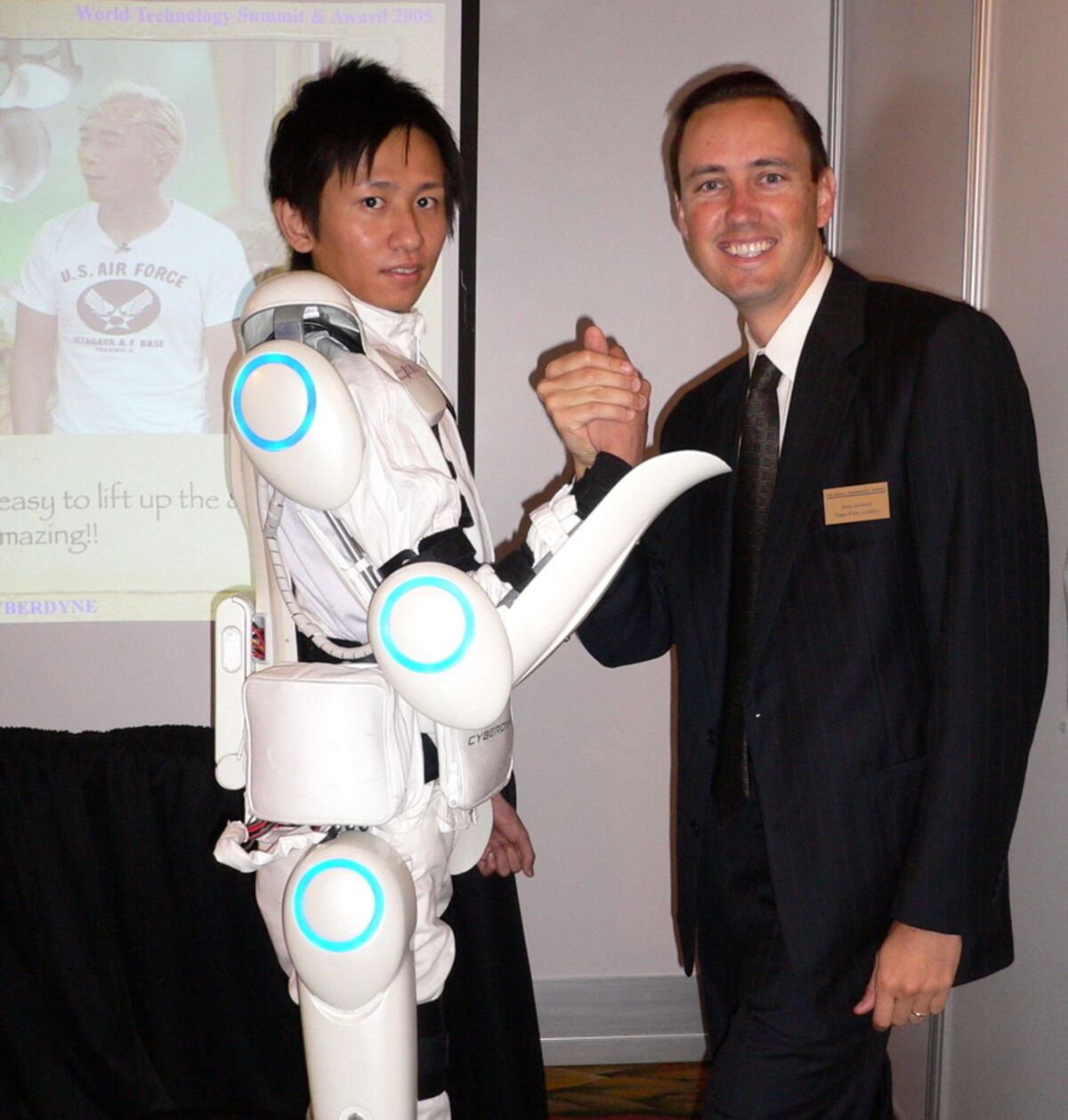
But welcome to 2026. Lightweight, consumer-grade robotic exoskeletons are now commercially available. Hypershell and Dnsys are selling wearable robotic legs aimed not at soldiers, but at hikers, photographers, and anyone who just wants to walk a little further without getting tired. Here is what these devices are, how they feel in use, and where they fall short on mountain trails, daily commutes, and chores around the house.
What Does a Consumer Exoskeleton Look Like?
A consumer exoskeleton looks less like a robot suit and more like a high-tech climbing harness. It doesn't enclose your entire leg. Instead, it consists of a rigid, motorized waist belt that sits right above your hips, with two carbon-fiber "arms" that extend down the side of your thighs. These arms strap onto your legs just above the knee.
The Specs at a Glance:
- Weight: About 1.8 kg (4 lbs). It feels incredibly light in the hands.
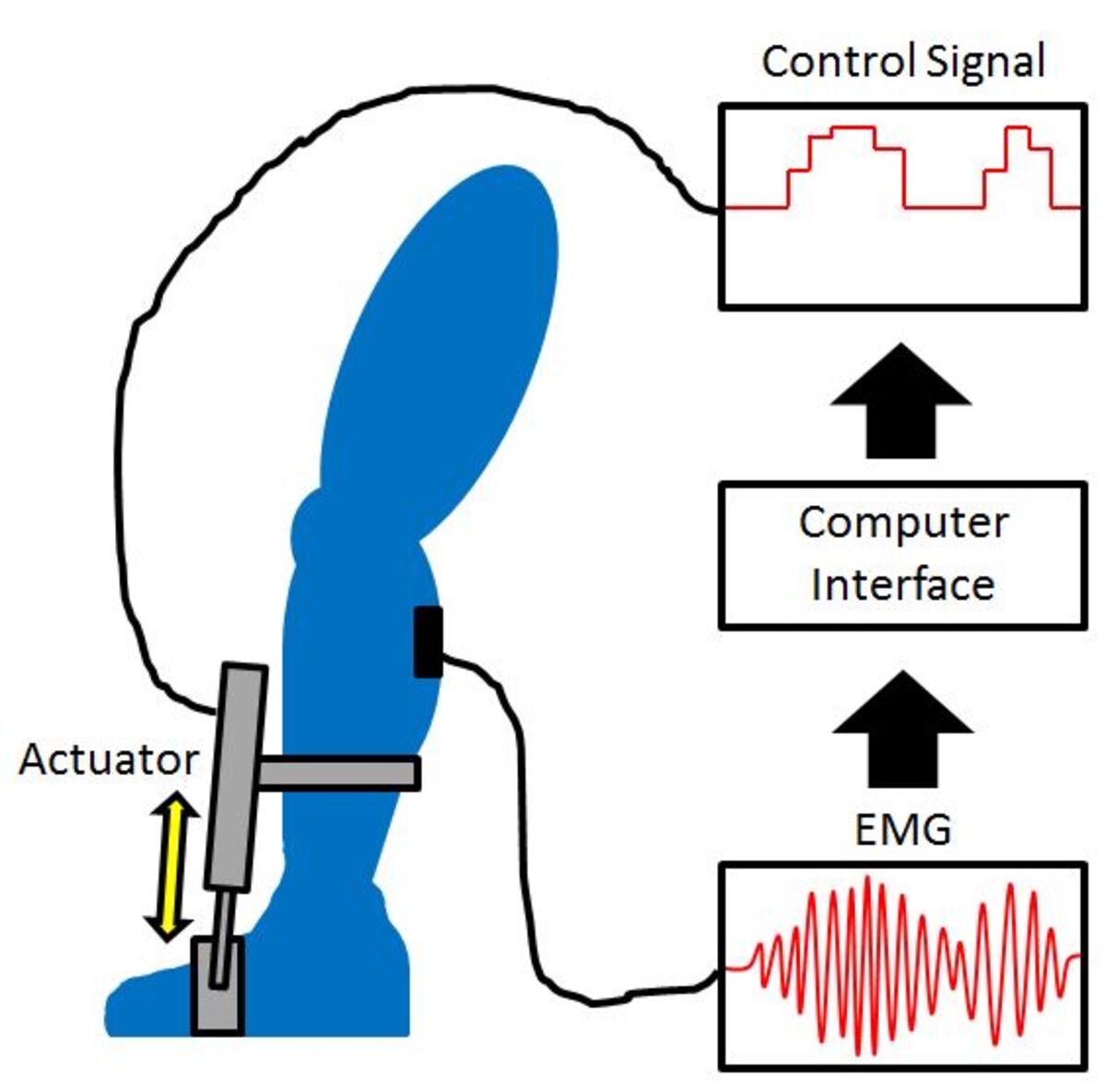
- Motor: A single, powerful AI-driven motor located at the base of the spine, which translates torque down to the thigh braces.
- Sensors: It uses dual motion sensors that track how your body is moving at 1000 times per second to predict your next step.
Putting it on takes about a minute. You buckle the waist belt, strap in your thighs, and hit the power button located on your hip.
How Does Wearing an Exoskeleton Feel?
Wearing one feels like "adaptive anti-gravity": a push that arrives just as you start each step. The first steps can be startling, but not because the device is clunky.
As you step forward, the AI recognizes your intent. Before your foot even hits the ground, the motor quietly whines and actively pushes your thigh forward. The physical sensation is bizarre but impressive. It doesn't feel like a robot forcing you to move; rather, it feels like a strong, invisible hand gently lifting your leg from behind every time you take a step.
You don't control it with a joystick or buttons. The AI reads your gait. If you walk slowly, it provides a gentle nudge. If you start running, it aggressively throws your legs forward.
How Well Does an Exoskeleton Work on Hiking Trails?
Hiking is where a consumer exoskeleton makes the biggest difference, especially on steep climbs and with a loaded backpack.
Uphill Performance: This is where the exoskeleton shines. Because the motor assists each knee lift, a steep incline can feel closer to walking on flat ground, and the effort of a long climb can drop noticeably. For hikers who usually finish with burning calves, it can feel like a cheat code for reality.
Downhill Braking: Going downhill is notoriously tough on the knees. Modern exoskeletons have an "adaptive braking" mode. When the sensors detect you are descending, the motors reverse their function. Instead of pushing you forward, they provide resistance, absorbing the shock of each footfall, which can leave your knees feeling less worn at the end of a hike.
What Are the Downsides of Wearing an Exoskeleton?
The main downsides are awkward stairs, constant attention, and an abrupt drop-off when the battery dies. While the performance is astonishing, living with an exoskeleton isn't entirely seamless.
- The Stairs Problem: The AI is brilliant at walking and running, but navigating tight, steep stairs is awkward. The system sometimes gets confused by half-steps or uneven treads, applying thrust right when you are trying to pause.
- The Stares: You will look like a cyborg. On the trail, people may stare. Some will ask genuine questions, while others may look at you like you are "cheating" at nature. You have to get used to being a conversation starter.
- Battery Life Limits the Illusion: The battery lasts about 15-20 miles depending on the assist level. But when it dies, the magic is over abruptly. Suddenly, you are no longer a superhuman; you are just a regular person carrying a dead 4-pound piece of metal on your waist. You have to actively unbuckle the leg straps to walk normally without fighting the resistance of the dead motor.
Are Exoskeletons the Future of Mobility?
I think wearable robotics could become as common as electric bicycles within the next decade.
For extreme hikers or outdoor workers carrying heavy loads, this is a revolutionary piece of gear today. But beyond that, the bigger question is what it could mean for aging parents. If this technology can make a grueling hike feel far easier, imagine what it could do for someone struggling with daily mobility.
The consumer exoskeleton era has arrived in 2026. The hardware is lighter, the AI is smarter, and for the first time, walking like a superhuman is actually something you can buy. Just be prepared for the strange looks on the trail.