Wire-Free RTK Robot Lawn Mowers in 2026: A Brutally Honest Review
- Tech Review, Hardware
- Exienent
- · Updated
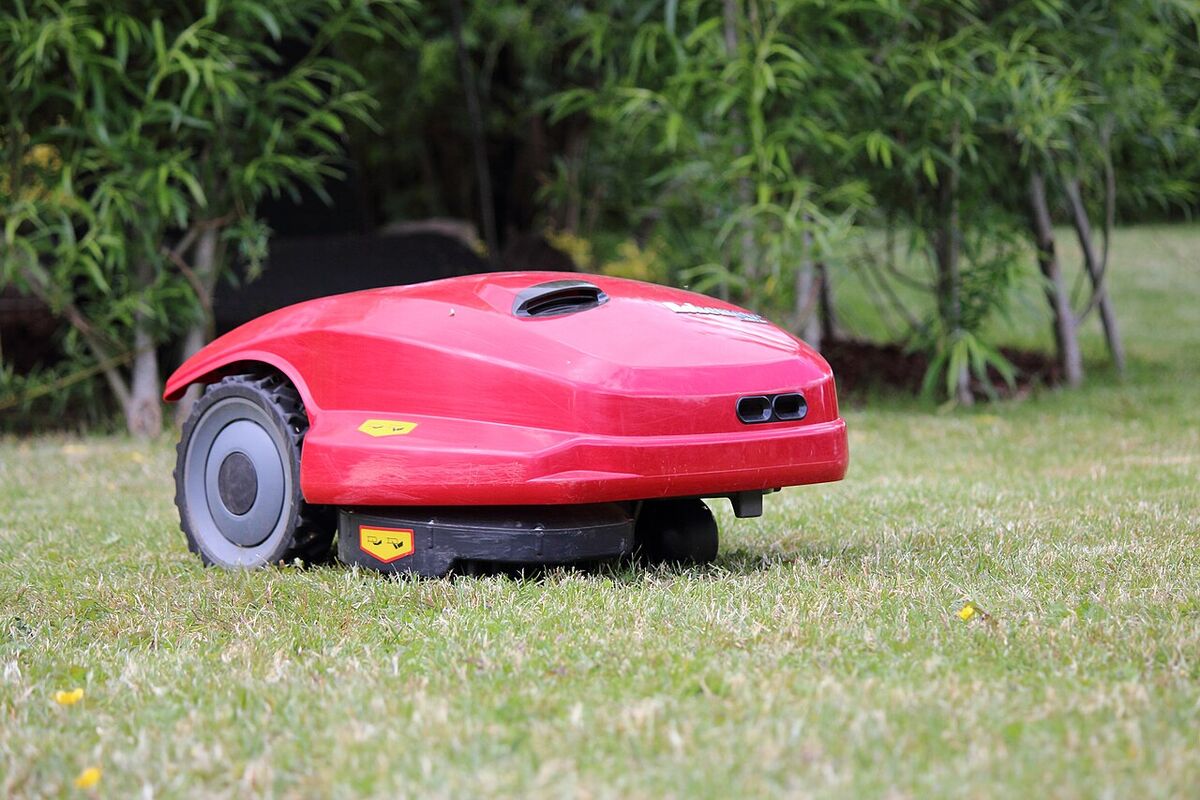
Wire-free RTK robot lawn mowers are worth it in 2026 if your yard has decent sky visibility and you hate mowing: they map your lawn without a buried boundary wire, mow in straight lines, and steer around obstacles with AI vision. The trade-offs are uncut edges, GPS dropouts in narrow sky-blocked strips, and a high upfront price.
Why Was the Boundary Wire Such a Dealbreaker?
Mowing is loud, sweaty, and during the peak of summer it feels like an endless battle against nature. For years, robot mowers looked like the answer, but there was a massive catch: the boundary wire. Spending an entire weekend burying a flimsy wire around the perimeter of a yard—only to chop it in half with an edger later—put many robot mowers out of the question.
The robot mower game has changed. Thanks to the plummeting costs of RTK (Real-Time Kinematic) GPS technology and advanced AI vision systems, the dreaded perimeter wire is finally obsolete on the newest wire-free, AI-guided models.
How Do You Set Up Virtual Boundaries Without a Wire?
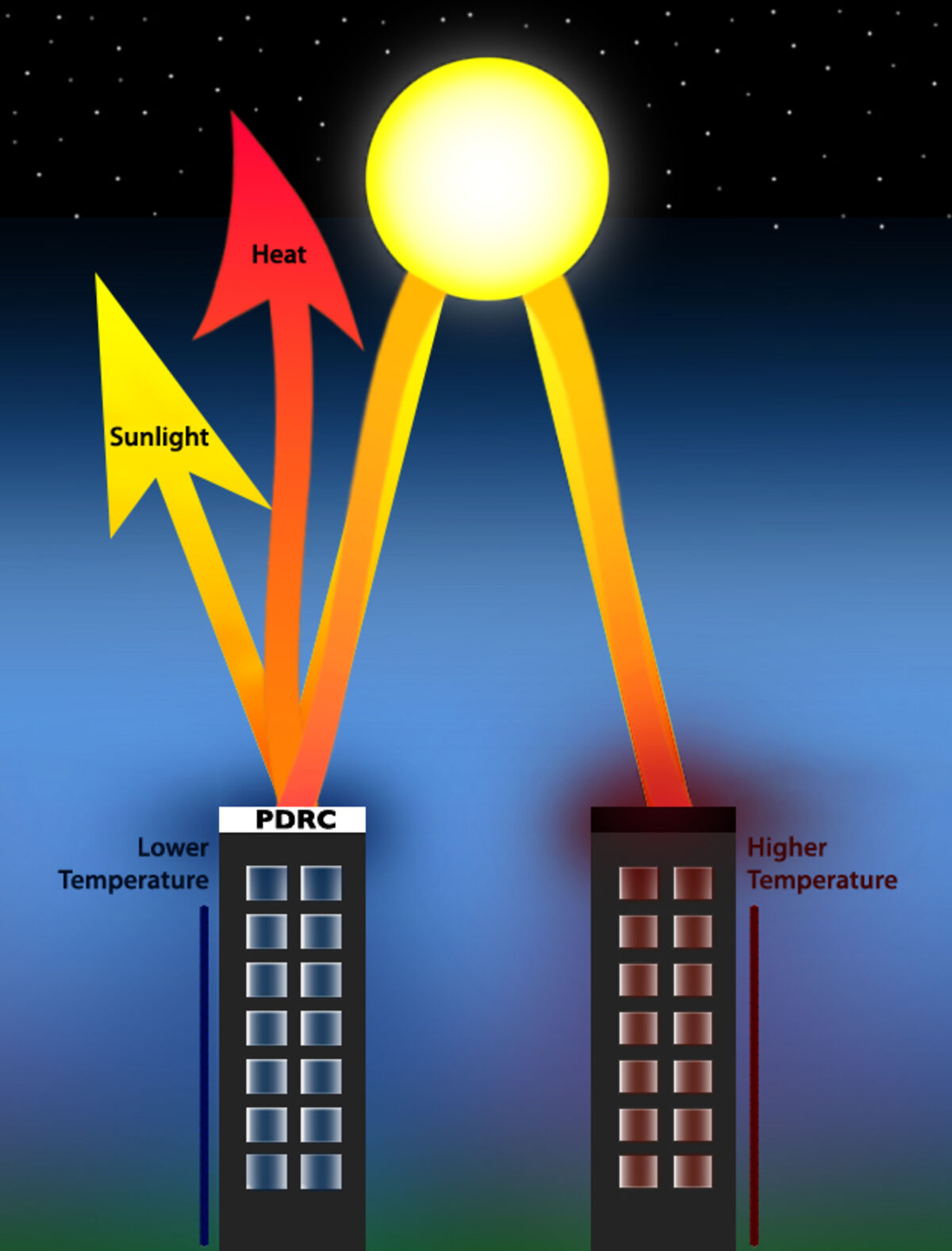
You set the boundaries by driving the mower around your yard in a smartphone app. Unboxing one feels less like unpacking a yard tool and more like setting up a miniature Mars rover. The base station requires a clear view of the sky, and it comes with an RTK reference antenna that you mount on your roof or a tall pole. This antenna communicates with satellites and the mower simultaneously, giving the robot millimeter-level accuracy without a single wire in the dirt.
In the app, you essentially drive the mower around the perimeter of the yard like a remote-controlled car. You can trace around flower beds, avoid a fire pit, and set up a "no-go" zone around a gnarly tree root. The app then generates a 3D map of the property, which can save the hours of manual trench digging that older wired models required.
How Well Does an RTK Robot Mower Actually Mow?
It mows in neat, overlapping, straight lines rather than bouncing around randomly like an old Roomba, and it can leave professional-looking stripes on the grass.
Can AI Vision Avoid Toys, Branches, and Hoses?
Yes, avoiding clutter is where the onboard AI camera earns its keep. A yard full of stray dog toys, fallen branches, and the occasional garden hose left out is an obstacle course for a mower.
Older mowers would blindly run over a tennis ball and jam their blades. 2026 models actively scan the grass ahead. If one spots an object, it stops, assesses it, and routes itself around the obstacle—a brightly colored dog toy, for example—then resumes its straight path.
How Loud Is a Robot Mower?
A robot mower is shockingly quiet compared to a gas mower that wakes up the neighborhood. It sounds roughly like a small desk fan humming in the distance, which makes early-morning schedules realistic without bothering the neighbors.
What Are the Realistic Drawbacks?
Before you throw your push mower in the trash, there are a few frustrating realities you need to know about owning a high-tech mower.
- The Edge Trimming Dilemma: Robot mowers are famously bad at edges. Because the blades are set back from the chassis for safety, they leave about a 3-inch strip of uncut grass against fences, walls, and raised garden beds. You will still need a manual string trimmer now and then to keep the edges looking clean.
- The GPS Blind Spots: While RTK GPS is amazing, it requires line-of-sight to the sky. A narrow strip of grass wedged between a tall fence and a building is a "canyon" where the mower can lose its GPS lock and sit there beeping until you rescue it with the app's manual drive mode.
- The Upfront Cost: These machines are serious investments. While prices are dropping, a good wire-free RTK mower still costs more than a very nice riding mower.
Is a Wire-Free Robot Mower Worth It in 2026?
I think the answer is yes for the right yard.
Yes, it has a high upfront cost, and yes, the edges still need occasional trimming. But the luxury of looking out the window at a freshly cut lawn—without breaking a sweat—is hard to beat. If you hate yard work and have a yard with decent sky visibility, this is one piece of smart home tech that genuinely delivers on its sci-fi promises.