Wi-Fi 8 is Coming in 2026: Why You Should Care About 'Ultra Reliability'
- Technology, Smart Home, Hardware
- Exienent
- · Updated
Wi-Fi 8 (technically IEEE 802.11bn) is the first Wi-Fi generation built around reliability rather than peak speed, which is why the industry has dubbed it "Ultra High Reliability" (UHR). Its goal is fewer dropped calls, less lag and steadier smart home devices, and it is expected to start rolling out heavily in late 2026.
For years, router companies have sold us on theoretical peak speeds. "Gigabit! Multi-Gigabit!" they yell. But if you are sitting three rooms away from your router trying to join a Zoom call while someone else in the house is downloading a massive game update, you know the reality: peak speed doesn't matter if the connection drops.
Based on the technical whitepapers and early hardware announcements from companies like Broadcom and TP-Link, here is why this generation actually matters for your home network, without the engineering jargon.
What problem is Wi-Fi 8 trying to solve?
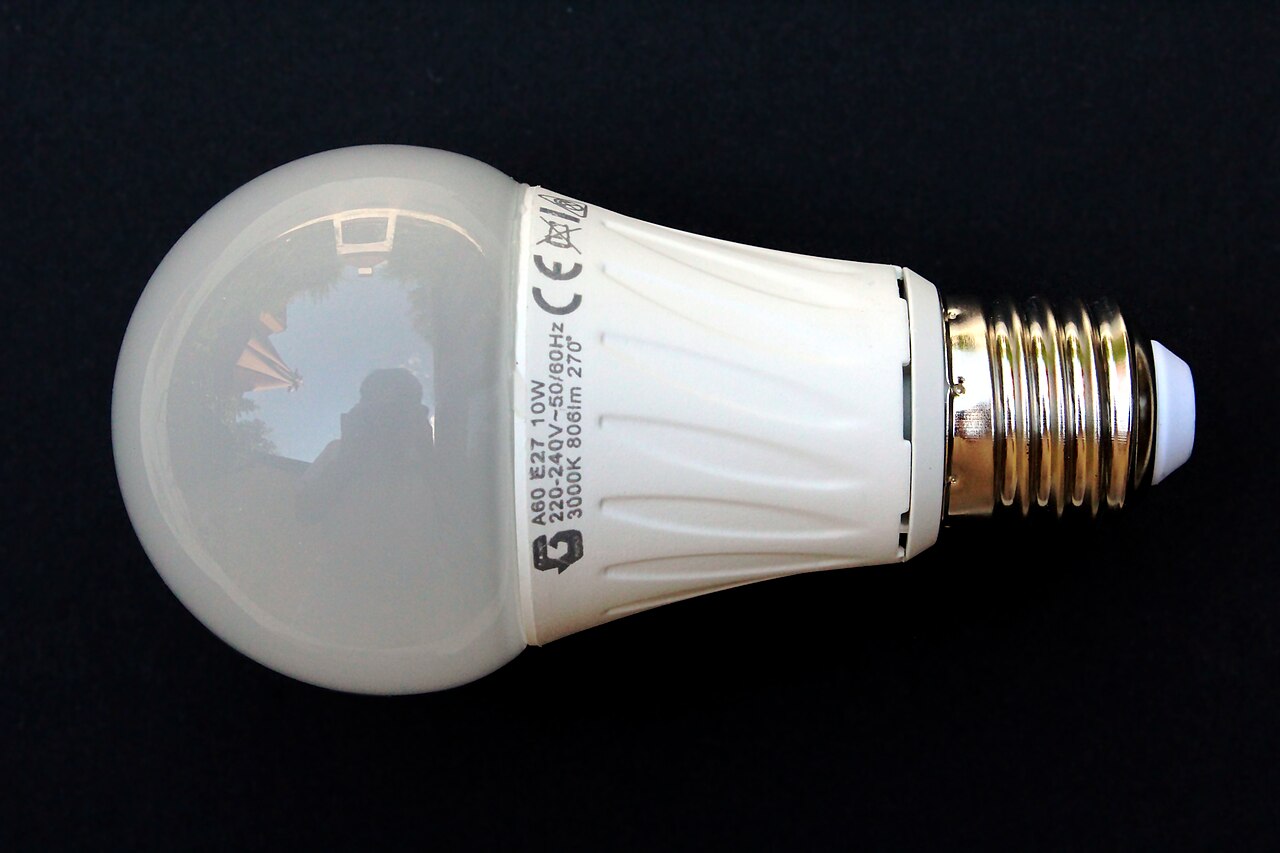
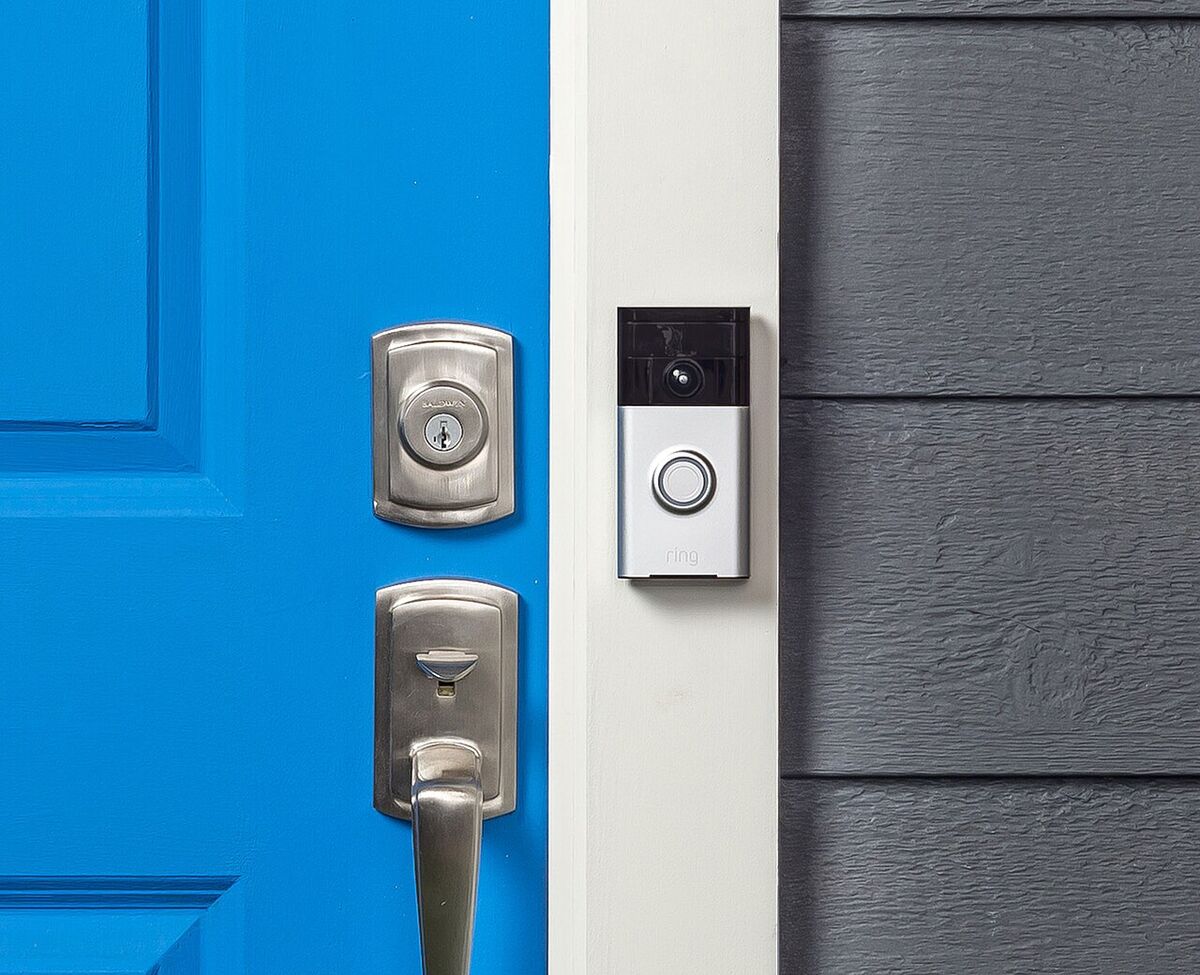
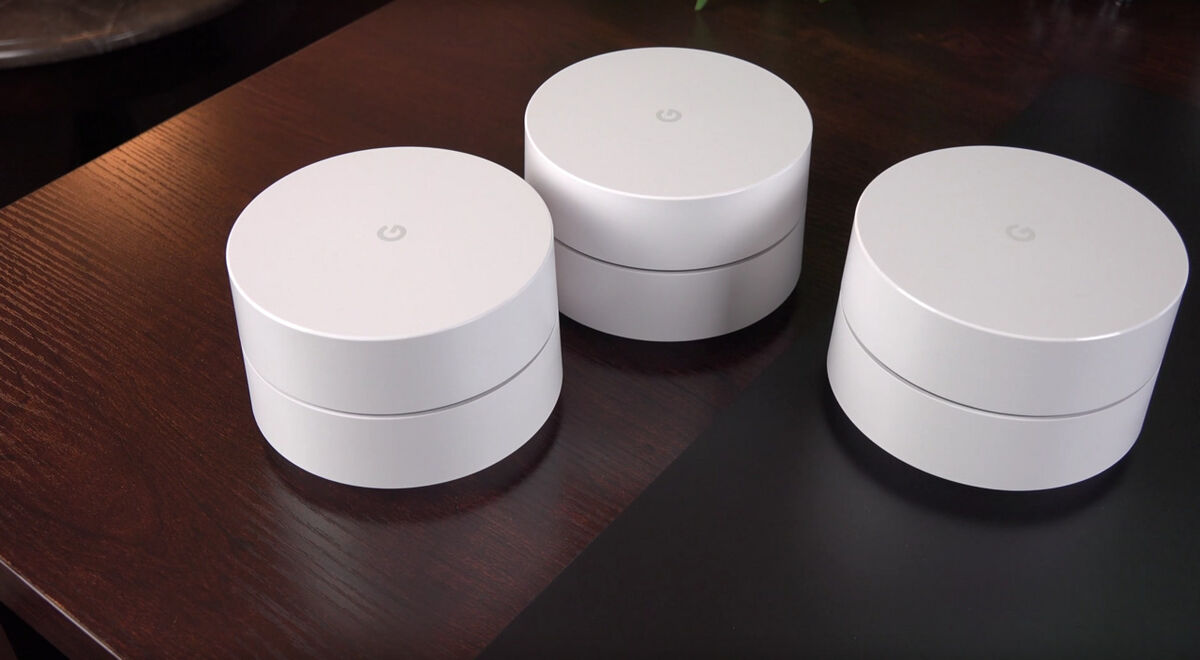
Wi-Fi 8 is trying to fix crowded, poorly coordinated home networks. A typical setup might include a primary router, a mesh node or two, a smart TV, three smartphones, two laptops, a smart doorbell, and about fifteen smart lightbulbs. The airwaves are incredibly crowded.
Currently, when multiple access points (like in a mesh system) try to talk to devices, they often step on each other's toes. It's like having three people trying to give you directions at the same time in a crowded restaurant.
Wi-Fi 8 shifts the focus. Instead of trying to scream louder and faster (which was the focus of Wi-Fi 6 and 7), it's learning how to orchestrate the conversation.
What are the key features of Wi-Fi 8?
The Wi-Fi 8 standard brings four headline features worth knowing before you upgrade your home network:
- Multi-AP Coordination (The Game Changer): This is the crown jewel of Wi-Fi 8. Instead of your mesh nodes acting somewhat independently and causing interference, Coordinated Beamforming (Co-BF) allows multiple access points to work together. They negotiate who talks to which device and when, drastically reducing interference. It's like having a traffic cop directing cars through a busy intersection instead of everyone just honking.
- Smoother Mesh Roaming: Have you ever walked from the living room to the bedroom while on a video call, and your phone stubbornly clings to the faraway living room router until the call drops? Wi-Fi 8 protocols force devices to hand off connections much more intelligently and smoothly between access points.
- Dynamic Sub-channel Operation: Older Wi-Fi gets bogged down if a slow, older device takes up too much airtime. Wi-Fi 8 uses advanced spectrum utilization to dynamically allocate tiny slices of bandwidth. Your smart thermometer doesn't need the same priority as your gaming PC, and Wi-Fi 8 is designed to handle that disparity.
- Smarter Power Management: For mobile devices and battery-powered IoT gadgets (like outdoor security cameras), Wi-Fi 8 access points can tell the device exactly when to wake up to receive data and when to sleep. That can translate into longer battery life for smart home devices.
Should you wait for Wi-Fi 8 or buy Wi-Fi 7 now?
If you just bought a high-end Wi-Fi 7 mesh system, there is no need to wait or panic; it should serve you well for years. However, if you are still limping along on a Wi-Fi 5 or early Wi-Fi 6 router provided by your internet service provider, and you constantly experience lag spikes, buffering, or smart home devices going offline, I would strongly suggest keeping an eye out for the first wave of Wi-Fi 8 routers hitting the shelves in Q3/Q4 of 2026.
Why does reliability matter more than speed now?
Reliability matters more because a dropped connection is felt immediately, while advertised peak speeds are theoretical numbers you will never reach. Wi-Fi 8 moves past marketing gimmicks built on those numbers—it's about stability, consistency, and a network that just works without you ever having to think about it.
Are you dealing with Wi-Fi dead zones right now? Let me know in the comments if you plan on making the jump when the new gear drops!