Cultured Meat in 2026: The Truth About Lab-Grown Burgers
- Environment, Technology, Health
- Exienent
- · Updated
Cultured meat—often called lab-grown meat—is real animal meat grown from cells in a bioreactor, and in 2026 it has quietly moved from experimental novelty to a premium, yet accessible, option at specialized grocery stores. The short answer to whether it can replace conventional meat: on taste and texture it can come very close, but price and limited variety still hold it back.
A few years ago, eating meat grown in a bioreactor sounded like something straight out of a sci-fi movie. Looking past both the marketing hype and the skepticism, the real questions are simple: How does it taste? Is it any different for your body? And is it actually a viable replacement for the real thing?
What Is Cultured Meat, Exactly?
Cultured meat is real animal meat, not a plant-based substitute like Beyond Meat or Impossible Foods. That is the most common misconception.
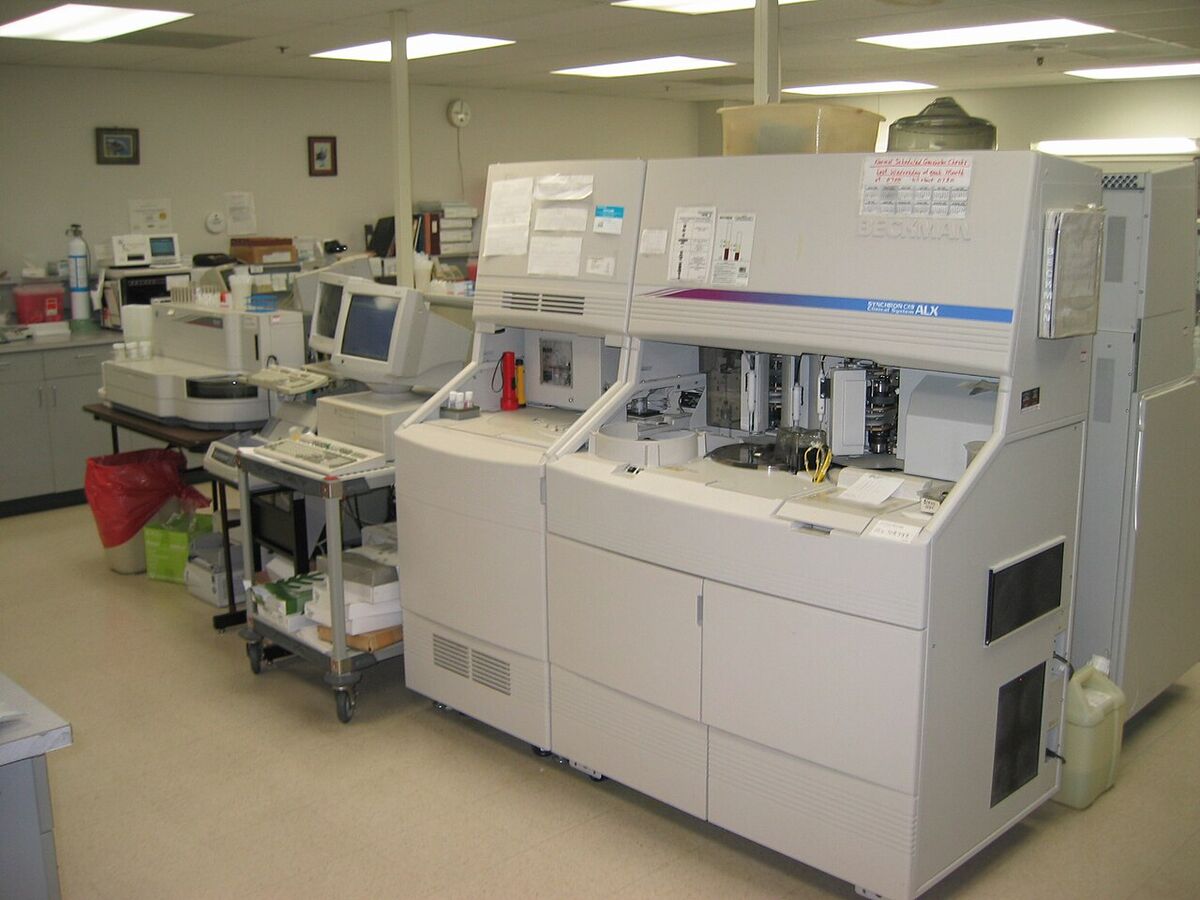
The process starts with a painless biopsy from a living animal—for a beef burger, a cow. Those cells are then placed in a bioreactor, where they are fed nutrients, amino acids, and vitamins, allowing them to multiply and form muscle tissue. It is biologically identical to conventional meat, just grown without the need to raise, feed, or slaughter the animal.
How Does Cultured Meat Taste?
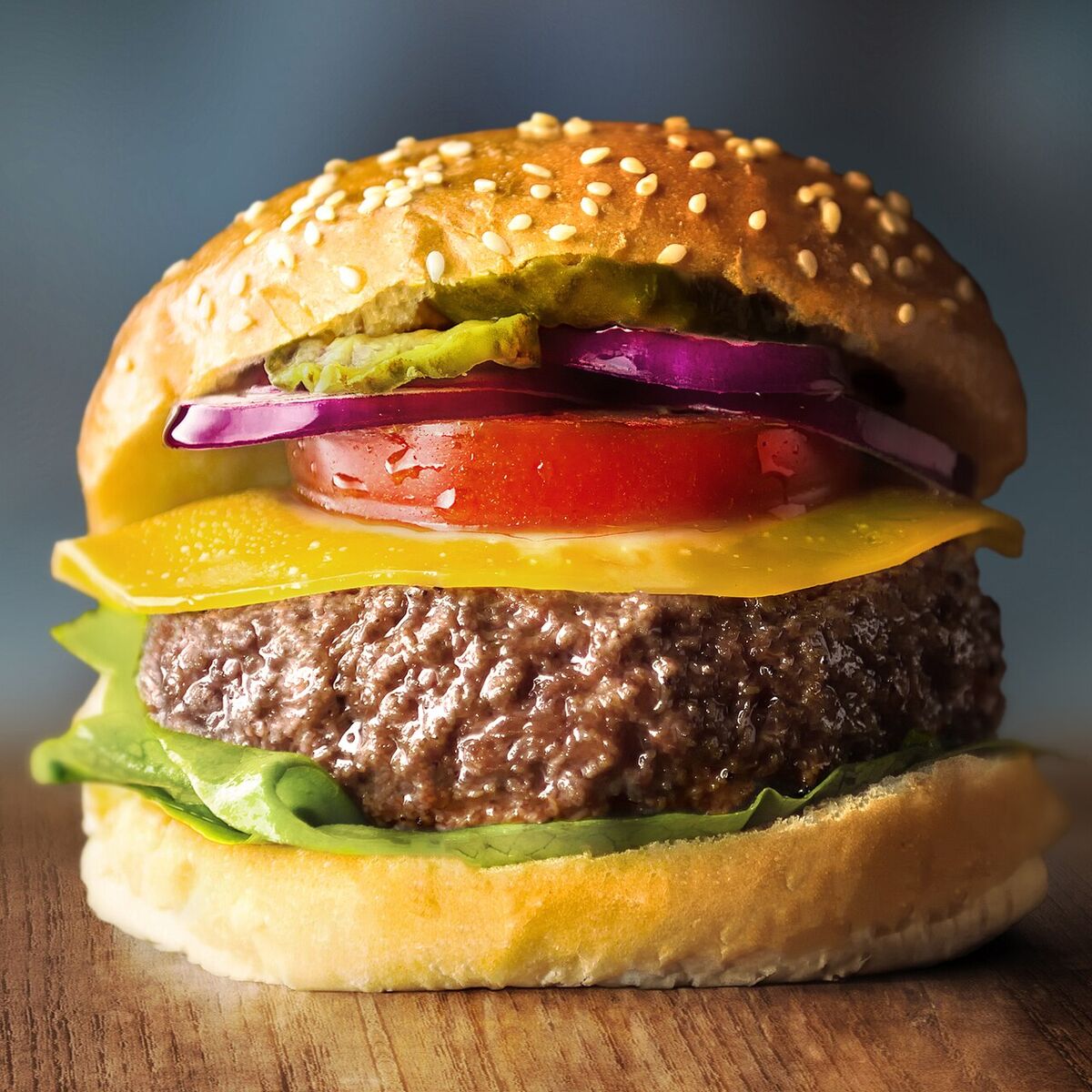
A cultured beef patty can taste remarkably like beef, because it is beef. On the grill, a cultured burger can smell like a backyard barbecue rather than anything sterile.
The Taste: The rich, savory umami profile of beef is present. Served at a restaurant without a label, a cultured patty may be hard to tell apart from a conventional one.
The Texture: This is where the technology has improved drastically. Early lab-grown meats were essentially formless ground mush. Now, companies use advanced scaffolding techniques to give the meat structure, so a patty can have a satisfying chew, with muscle fibers that tear apart much like a high-quality ground beef patty.
Cultured chicken nuggets and sausage links are also on shelves. Cultured chicken can be particularly impressive, aiming for the fibrous texture and mild flavor you expect from premium poultry.
Is Cultured Meat Healthier?
Cultured meat differs from conventional meat mainly in how it is produced. Because it is grown in a controlled, sterile environment, it is free of antibiotics and growth hormones, and the risk of bacterial contamination like E. coli or Salmonella is greatly reduced.
Some premium cultured meats are also nutritionally optimized. Producers can engineer the fat profile to contain higher levels of Omega-3 fatty acids, similar to wild-caught salmon, while reducing saturated fats. How any food affects your digestion is individual, so it's worth paying attention to your own response and talking to a professional about specific dietary needs.
What Are the Pros and Cons of Cultured Meat?
The trade-offs break down like this:
The Pros:
- Zero Guilt: No animals are slaughtered for the meal, which can be a significant psychological relief.
- Environmental Impact: The carbon footprint, land use, and water consumption for cultured meat are exponentially lower than traditional animal agriculture.
- Purity: No antibiotics, no microplastics, and no risk of zoonotic diseases.
The Cons:
- The Price: While prices have dropped significantly since 2024, cultured meat still commands a premium. It's currently priced similarly to high-end, organic, grass-fed beef. It is not yet cheaper than standard grocery store meat.
- Limited Variety: While burgers, sausages, and nuggets are widely available, creating a perfect, thick-cut cultured ribeye steak with intricate marbling is still incredibly difficult and rare.
Is Cultured Meat the Future?
I think cultured meat is not a passing trend. The technology has matured to the point where the taste and texture of ground products can rival conventional meat.
The price still needs to drop for mass global adoption, but the benefits—both ethical and environmental—are simply too significant to ignore. At current prices it may work better as an occasional purchase than an everyday staple, yet in my view it deserves a place in the grocery rotation.
If you have the opportunity to try a cultured burger at a local restaurant or specialized grocer, I'd recommend checking your preconceived notions at the door and taking a bite. You might just be tasting the future of food.