Synthetic Biology in 2026: The New Industrial Revolution Happening in Petri Dishes
- Technology, Health
- Exienent
- · Updated
Synthetic biology is the practice of rewriting the DNA of microbes like yeast and bacteria so they grow the materials we need, from biodegradable plastics to medicines to leather. In 2026, it has finally scaled up from laboratory test tubes to massive commercial bioreactors, turning biology into a new manufacturing engine.
For a long time, when we talked about "manufacturing," we pictured giant steel factories, conveyor belts, and massive chemical vats. We took raw materials, heated them up, smashed them together, and created products. It was a loud, dirty, and incredibly energy-intensive process.
Over the last few years, that definition has quietly undergone a massive shift. The bio-manufacturing factories of 2026 look very different. They are quiet. They look more like breweries than traditional factories. And their primary engine isn't a machine—it is DNA. Welcome to the golden age of synthetic biology, where we are literally programming living cells to grow what we need.
How Does Synthetic Biology Work?
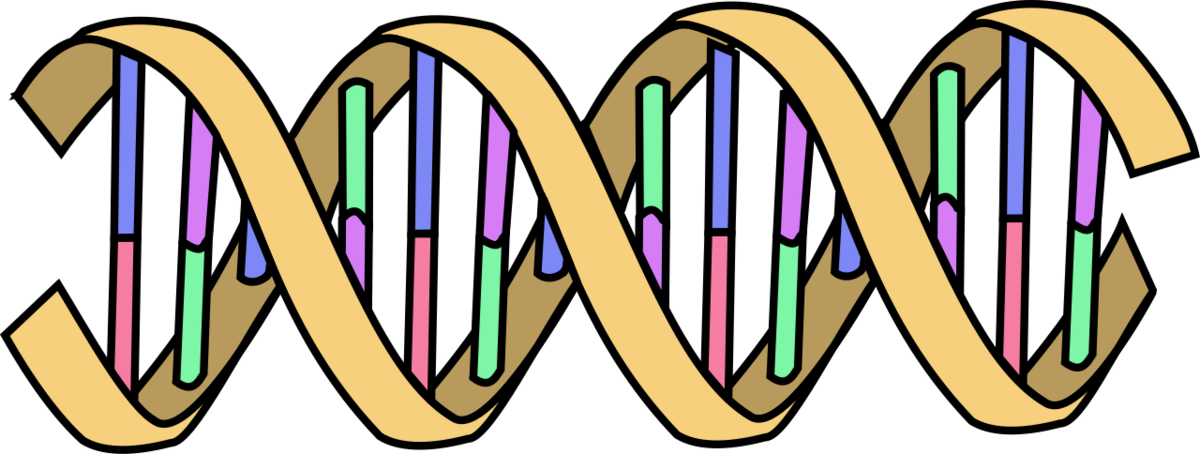
Synthetic biology works by treating DNA like software code and rewriting it. To understand what is happening right now, you have to look at biology through the lens of software engineering.
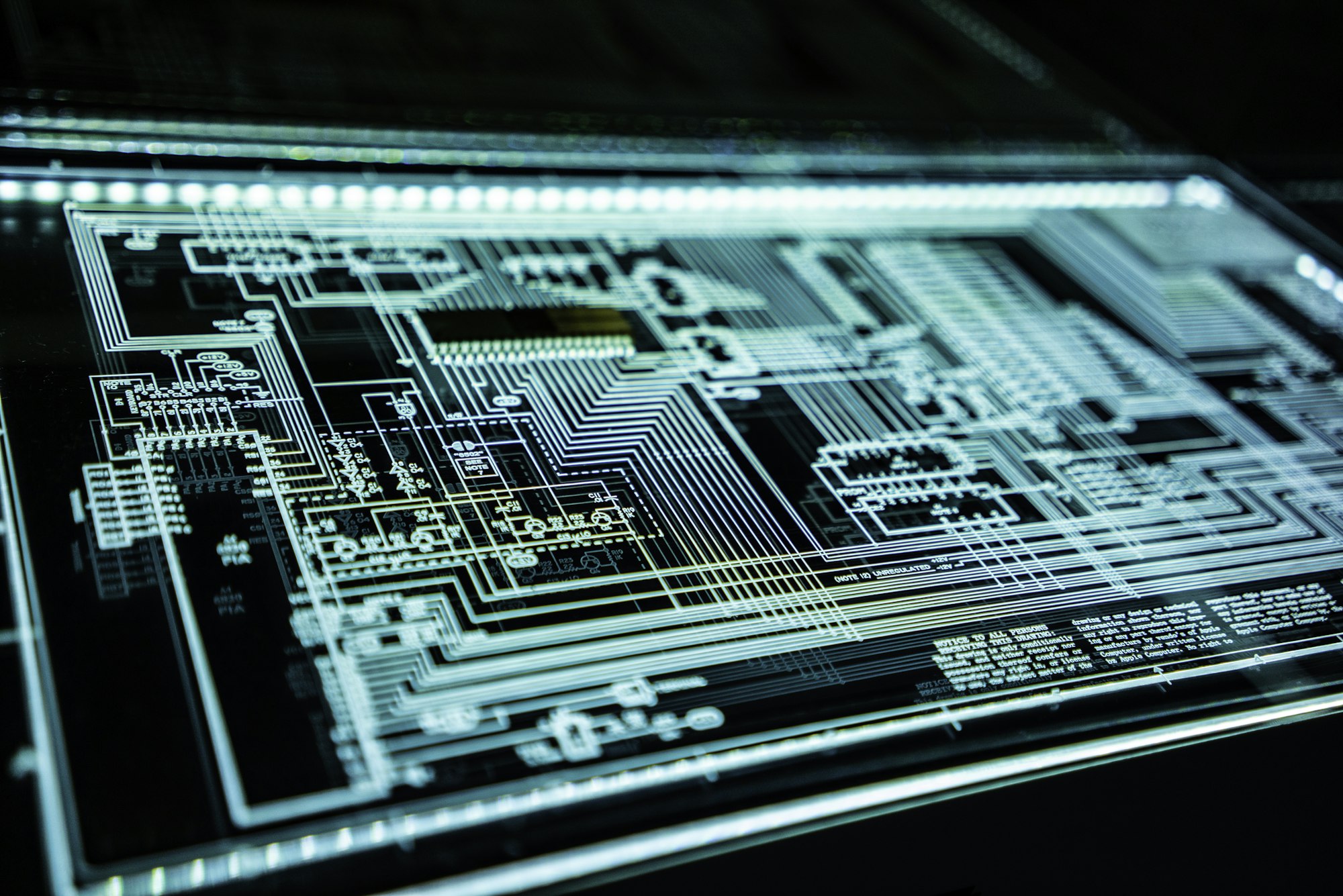
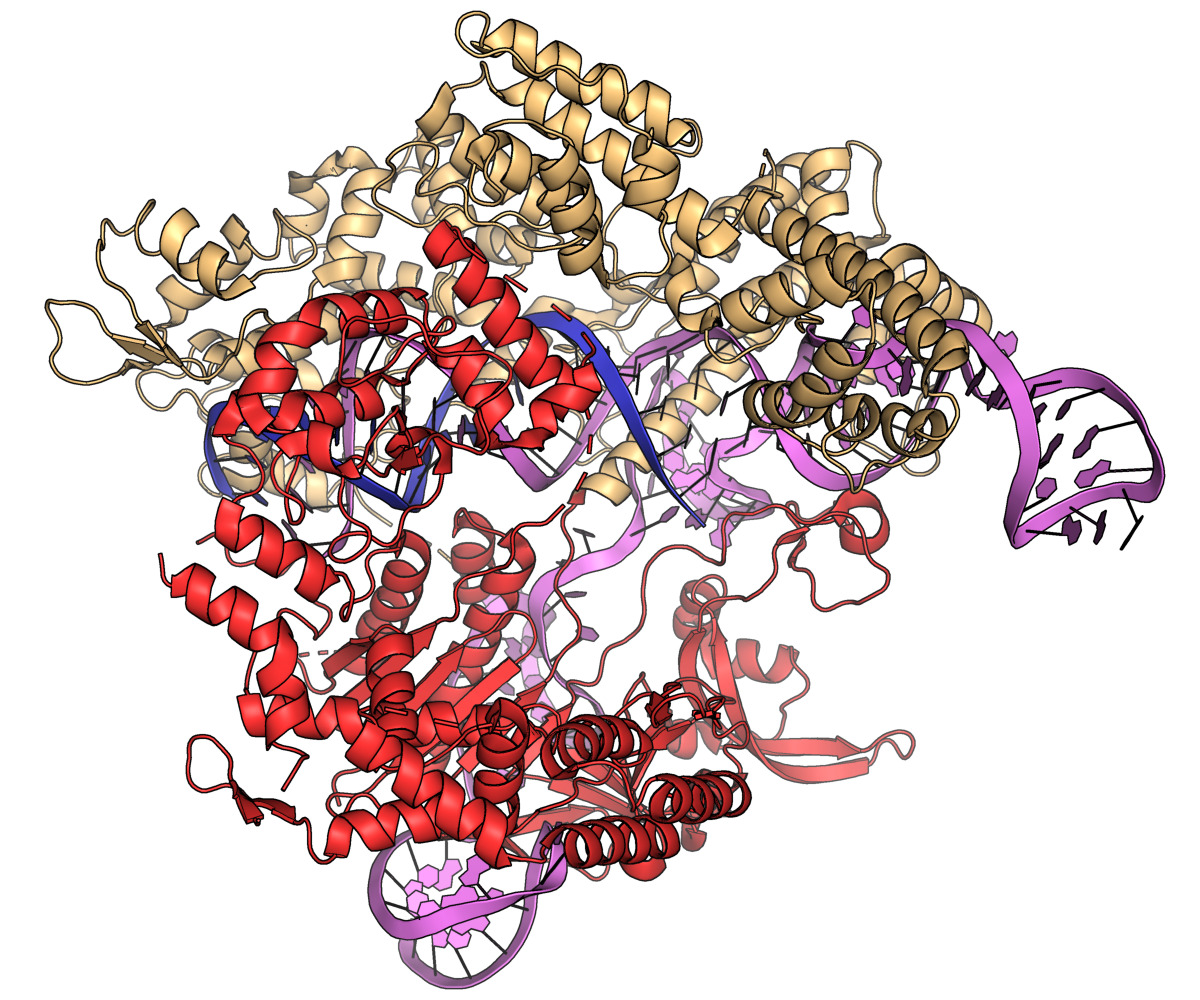
DNA is essentially code. A sequence of DNA tells a cell exactly what to do and what to produce. Historically, we just let nature run that code. But today, using synthetic biology, scientists are rewriting the code. They are writing genetic sequences from scratch on computers, printing them out, and inserting them into standard microbes, like yeast or bacteria.
Suddenly, that ordinary yeast cell isn't just making beer anymore. By tweaking its genetic code, that same yeast cell can be instructed to consume sugar and produce spider silk, artificial vanilla flavoring, or complex pharmaceutical compounds. We are treating cells like microscopic, programmable 3D printers.
What Synthetic Biology Breakthroughs Are Hitting the Market in 2026?
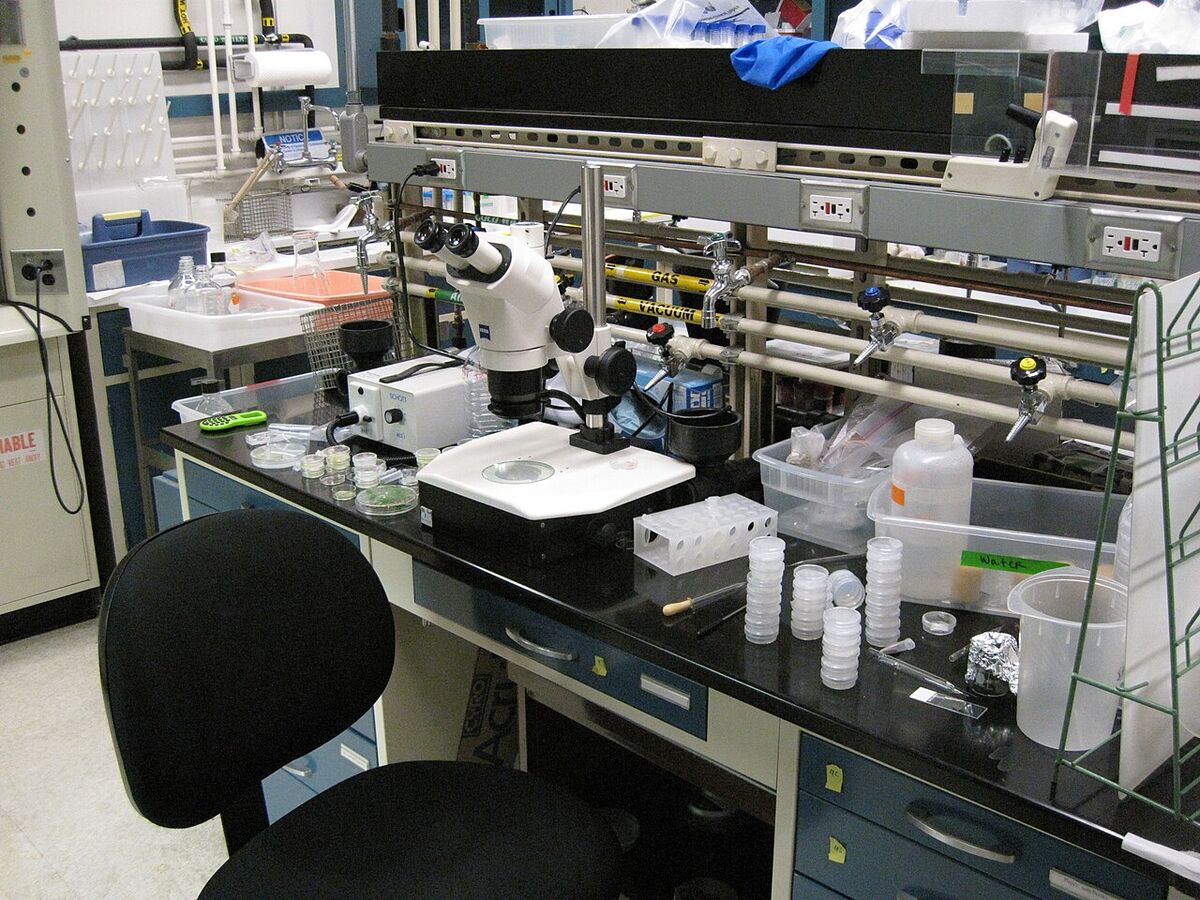
The biggest ones are bio-plastics, bio-manufactured medicines, and grown leather. The concept isn't entirely new, but 2026 is the year the technology has finally scaled up from tiny laboratory test tubes to massive commercial bioreactors. Here is what is rolling off the bio-manufacturing lines today.
Bio-Plastics That Actually Disappear
We all know the plastic crisis is out of control, and traditional "biodegradable" plastics often require industrial composting facilities to actually break down. The breakthrough this year comes from genetically engineered bacteria that produce a polymer called PHA.
These bio-plastics look and act just like the clear plastic packaging you are used to, but because they are synthesized by living organisms, nature already knows how to break them down. If a PHA wrapper ends up in the ocean or your backyard, naturally occurring microbes will eat it, leaving behind nothing but water and a bit of organic compost. Major consumer brands are aggressively switching their packaging to these synthetic bio-plastics right now.
Next-Generation Medicines and Bio-Therapeutics
Traditional drug manufacturing involves combining harsh chemicals in massive reactors. It is expensive and prone to supply chain disruptions.
Synthetic biology has disrupted this. Today, we are engineering bacteria to act as living pharmaceutical factories. The most exciting development is the production of complex, highly customized proteins for targeted cancer therapies. Instead of a one-size-fits-all chemical drug, doctors can order highly specific, bio-manufactured antibodies that are essentially grown to order in a bioreactor, with the potential to greatly improve the speed and cost of personalized medicine.
Sustainable Textiles and "Grown" Leather
The fashion industry is notoriously brutal on the environment, particularly the leather tanning process. In 2026, you don't need a cow to make leather. Companies are using programmed yeast and mycelium (the root structure of mushrooms) to grow sheets of collagen that are indistinguishable from animal leather. It feels the same, it smells the same, and it is just as durable. But it requires zero animals, a fraction of the water, and involves zero toxic tanning chemicals.
Why Is the Future Grown, Not Built?
Because the next century of manufacturing will be defined by partnering with biology rather than forcing raw materials into shape. We spent the last century extracting things from the earth and using brute force to mold them. The next one is going to be defined by our ability to grow the things we need.
We are still in the early days. Programming biology is infinitely more complex than writing Python code; biological systems are chaotic, unpredictable, and prone to mutation. But the speed of iteration is accelerating every single month. In my view, synthetic biology is proving that the most advanced, efficient, and sustainable manufacturing technology on the planet isn't something we invented—it is something we are finally learning how to speak to.