Space-Based Solar Power: Is It Just Sci-Fi or the Future of Energy in 2026?
- Technology, Environment
- Exienent
- · Updated
Space-Based Solar Power (SBSP) is not science fiction: the physics are sound, and in 2026 plummeting launch costs are making the economics work for the first time. Orbiting solar arrays would collect sunlight around the clock and beam it to Earth as microwaves. It won't power our cities in the next five years, but today's pilot projects show the core technology works.
The idea of building massive solar panels in orbit and beaming that energy back down to Earth does sound like something out of a James Bond villain's playbook or a SimCity expansion pack. Yet major aerospace companies and international space agencies aren't just talking about it anymore; they are launching prototype satellites and funding massive engineering studies. So is beaming power from space going to help solve the clean energy crisis, or is it an incredibly expensive pipe dream? Here is the real state of SBSP in 2026.
What Is the Problem With Solar Power on Earth?
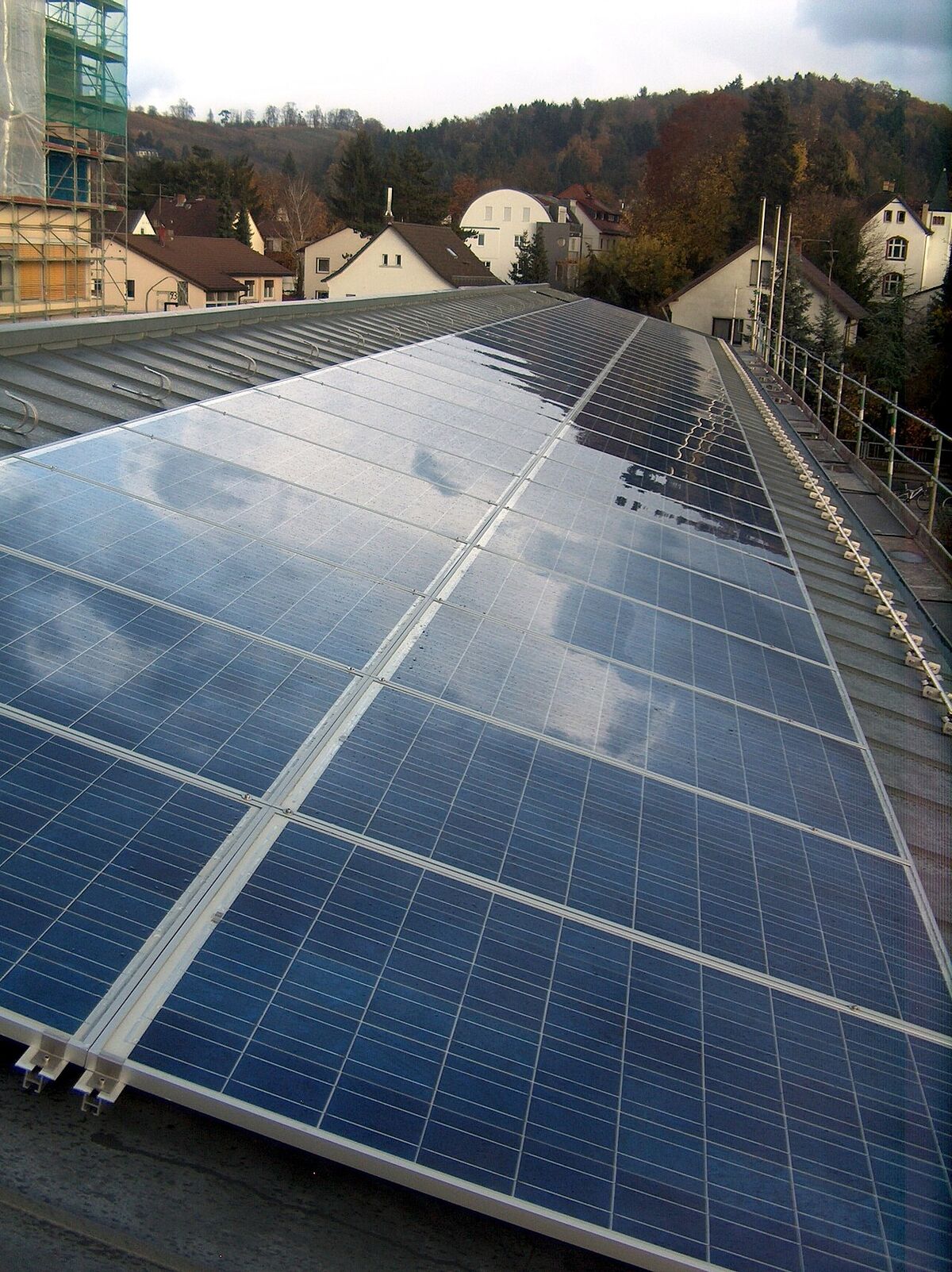
Terrestrial solar has two massive flaws, and they are the reason anyone wants to put solar panels in space.
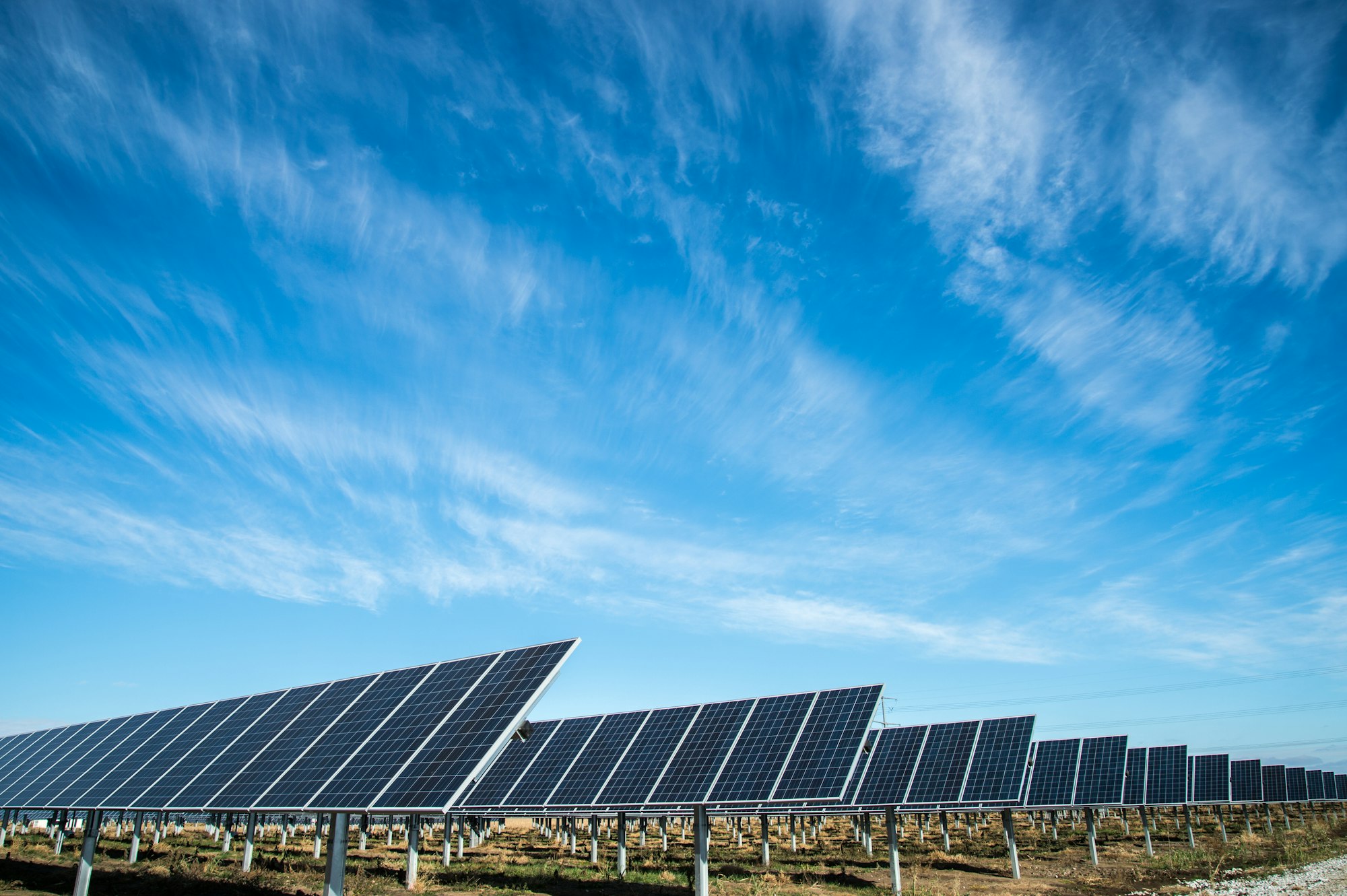
First, the sun sets. Solar panels only generate electricity for a fraction of the day. Second, weather gets in the way. Clouds, rain, and winter seasons drastically reduce the efficiency of terrestrial solar farms. To make solar a true baseline power source, we have to build incredibly expensive, resource-heavy battery storage facilities to hold onto that daytime energy for the night.
Space-based solar power is designed to solve exactly that problem.
How Does Space-Based Solar Power Work?
The concept is surprisingly straightforward, even if the engineering is mind-bogglingly complex.
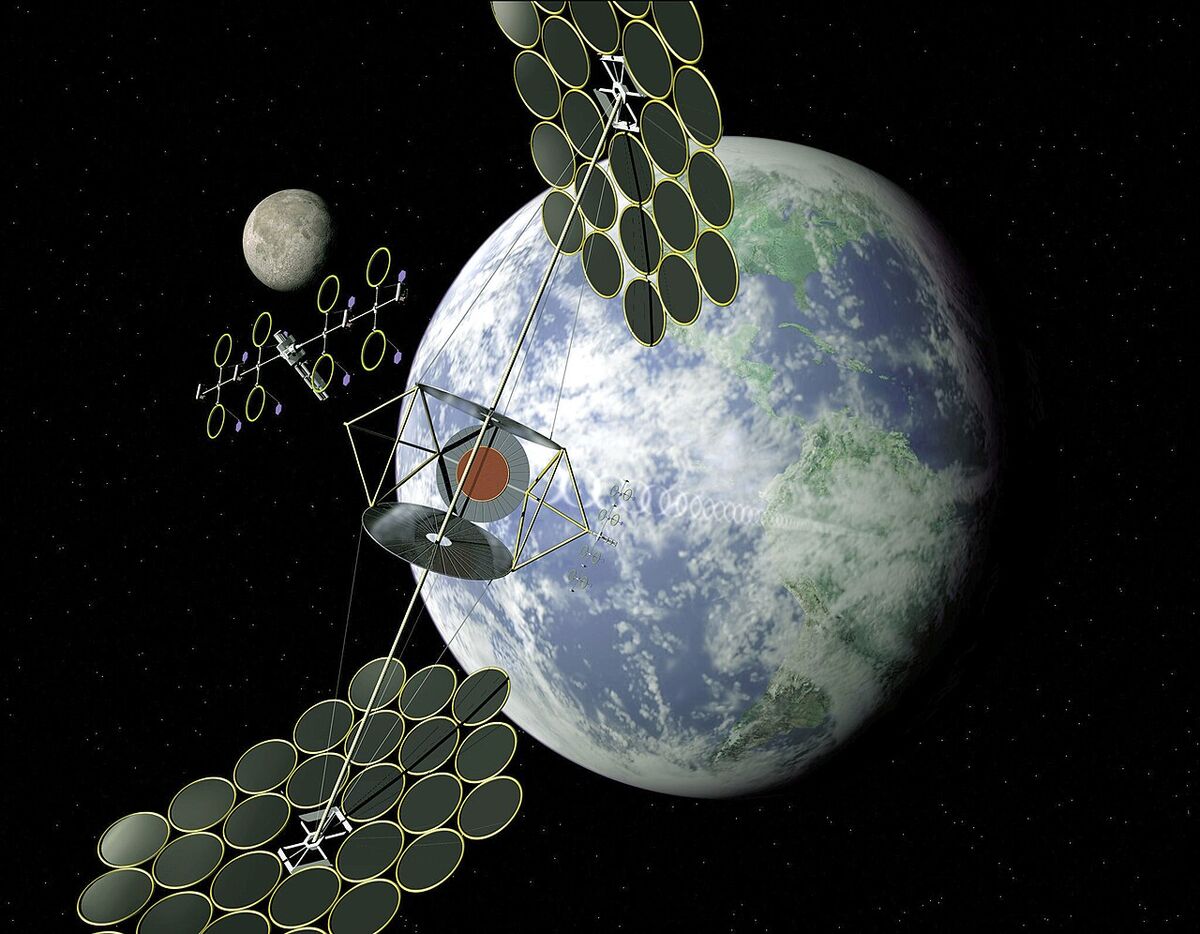
- Orbiting Arrays: You launch massive arrays of solar panels into Geosynchronous Equatorial Orbit (GEO), which is about 36,000 kilometers above the Earth. Up there, the satellite is bathed in intense, unfiltered sunlight essentially 24 hours a day, 7 days a week, 365 days a year. There are no clouds, no atmosphere to scatter the light, and no night.
- Energy Conversion: The solar panels collect that massive amount of energy and convert it into direct current (DC) electricity.
- The Wireless Beam: This is the part that sounds like sci-fi. The satellite converts that electricity into highly focused microwaves (or in some designs, lasers) and beams it directly back to Earth.
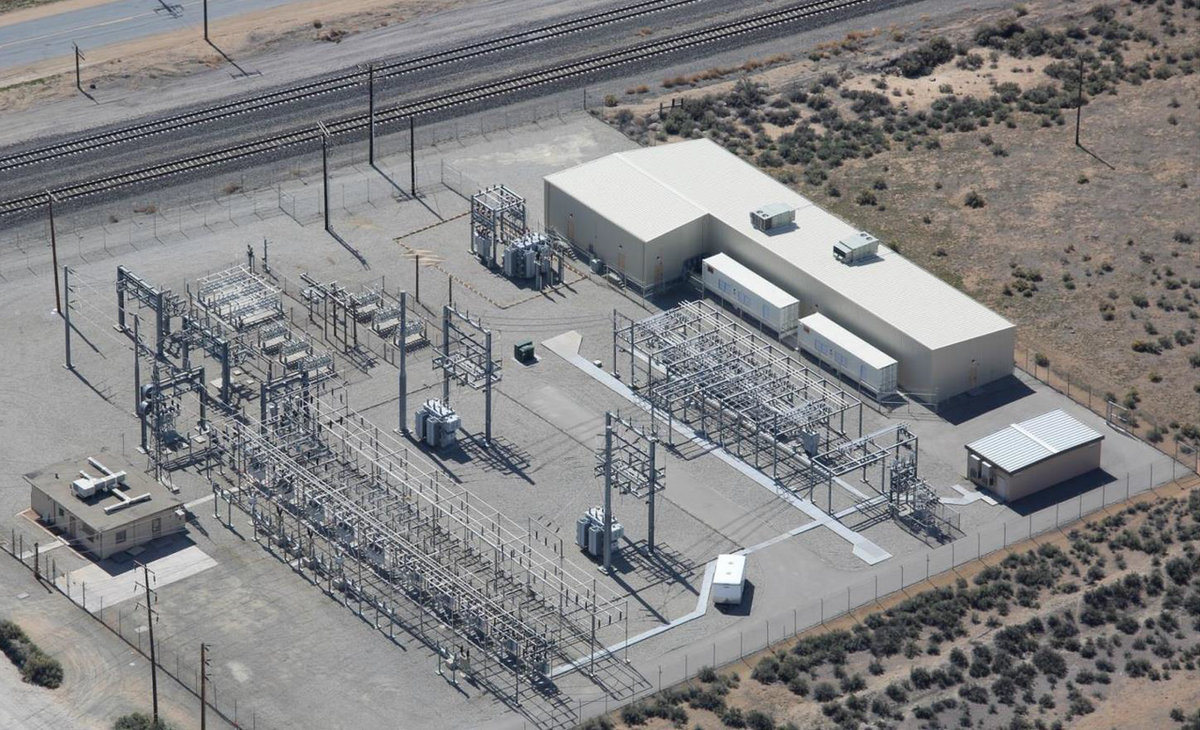
- The Rectenna: Down on the ground, a massive, net-like receiving antenna called a "rectenna" (rectifying antenna) catches those microwaves and converts them back into electricity, which is then fed directly into the local power grid.
Why Is 2026 the Turning Point for SBSP?
The plummeting cost of launching things into space is the main reason the idea is finally being taken seriously, after decades of sitting in filing cabinets at NASA.
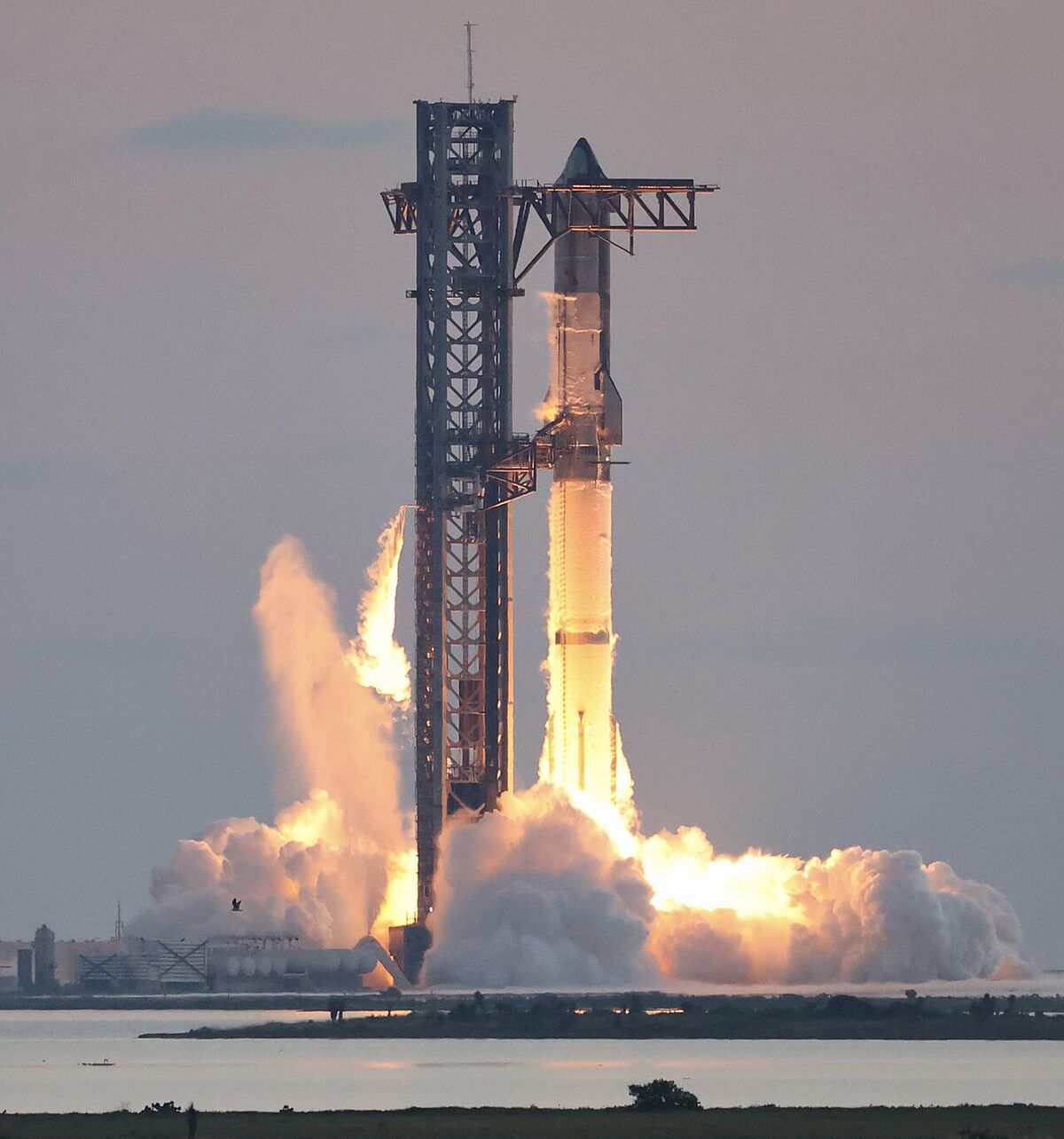
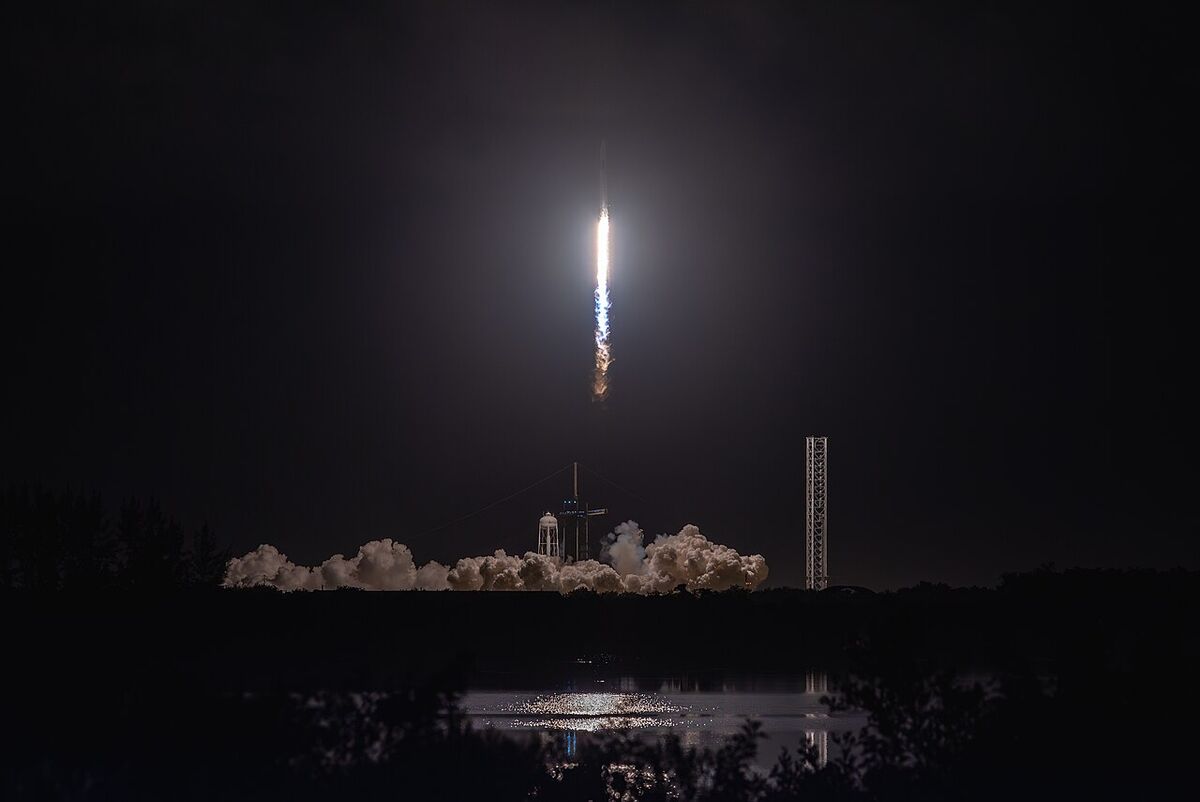
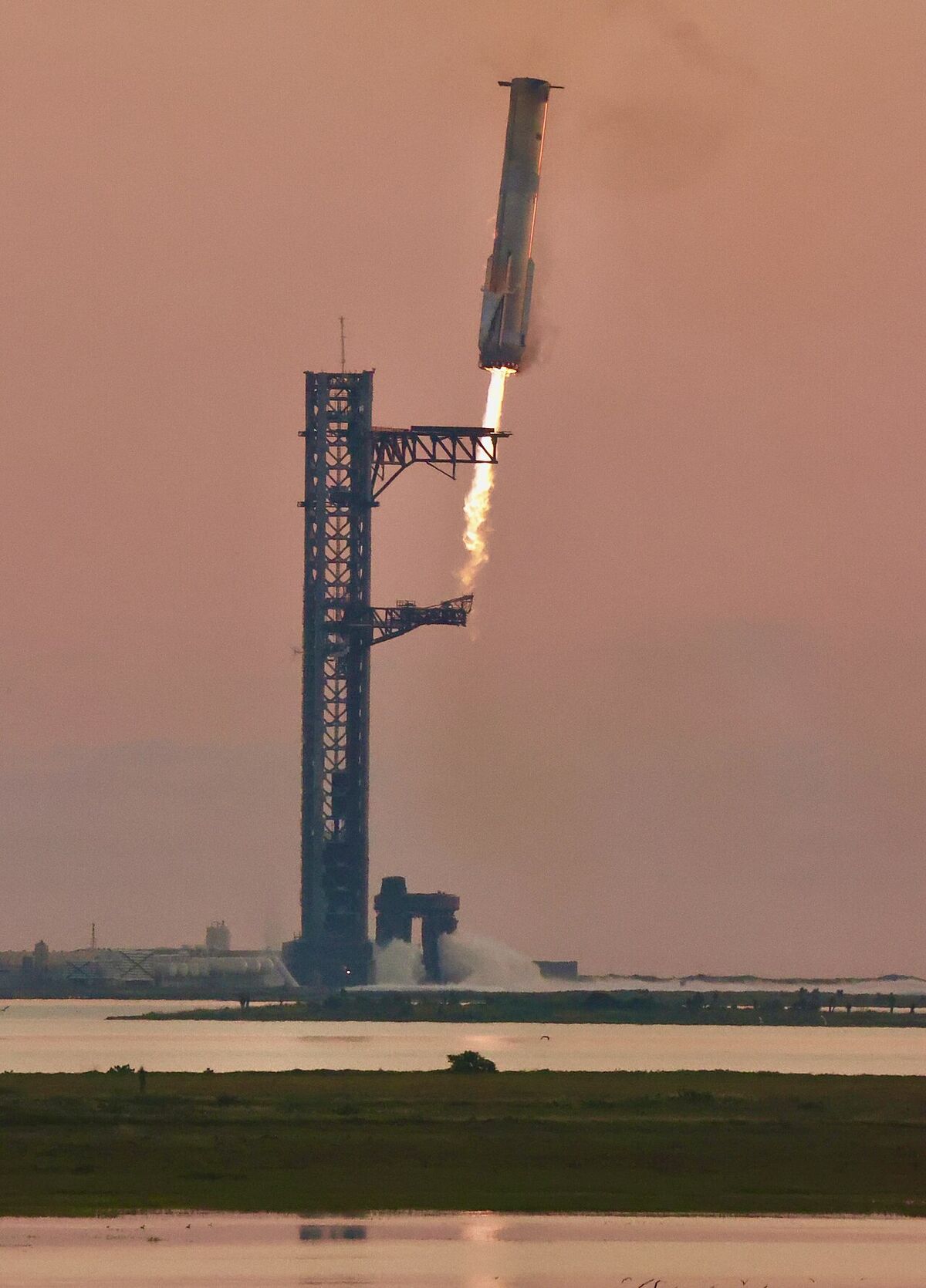
A decade ago, the idea of launching thousands of tons of solar panels into high orbit was economically laughable. The rocket fuel alone would cost more than the electricity the panels would ever generate. However, thanks to reusable rocket technology pioneered by companies like SpaceX (especially with the successful deployment of the Starship architecture), launch costs have fallen off a cliff. What used to cost tens of thousands of dollars per kilogram now costs hundreds.
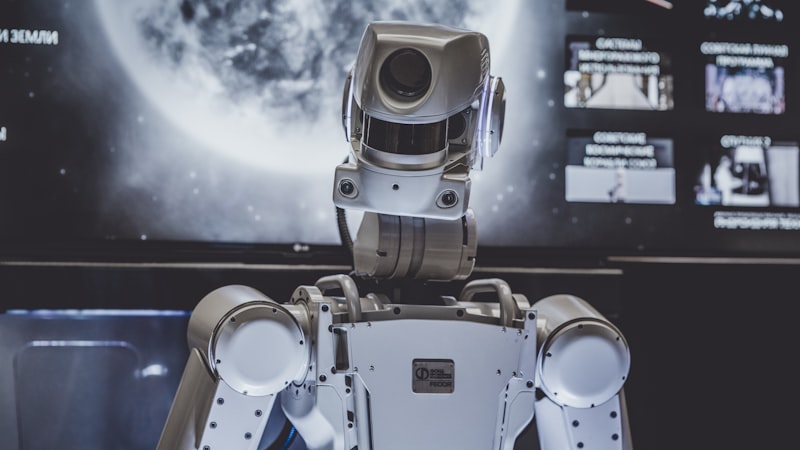
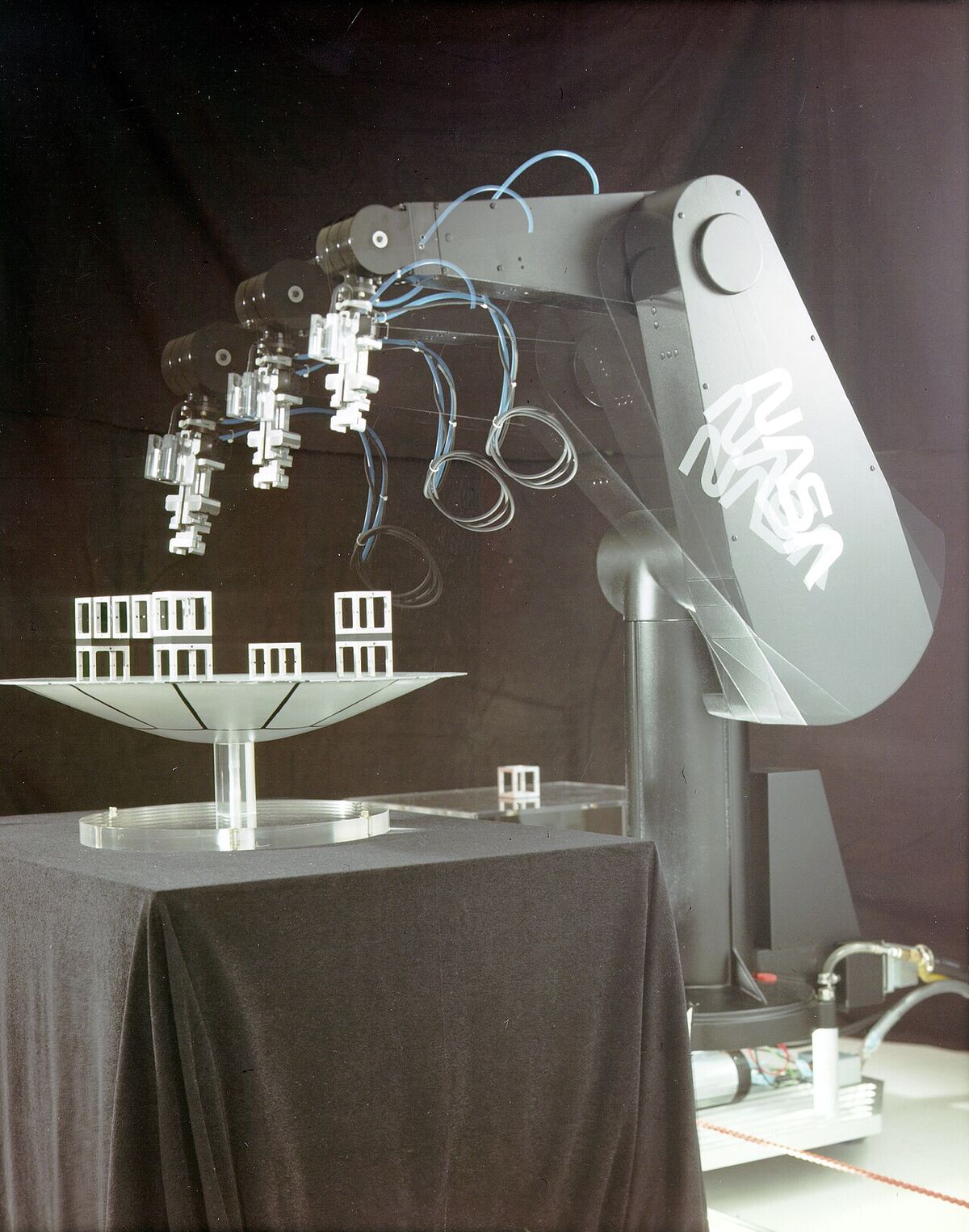
Robotics and autonomous assembly have also advanced to the point where astronauts in spacesuits don't need to bolt panels together in zero gravity. Autonomous robotic arms can now unpack and assemble massive, modular structures in orbit with incredible precision.
What Hurdles Does Space-Based Solar Power Still Face?
Major engineering and political hurdles still stand in the way of electricity beamed down from the heavens.
How Big Would a Space Solar Station Be?
Enormous. A commercially viable space solar station would span several kilometers across. Building something that large in space, keeping it stable, and protecting it from space debris is a logistical nightmare.
Is the Microwave Beam Safe?
Scientifically, yes. The microwaves used are non-ionizing (meaning they don't cause cancer like radiation), and the beam is spread out over a wide area, so its intensity is roughly equivalent to standing in front of an open microwave oven or standing in the sun. If a bird flies through it, the bird will simply feel a slight warming sensation, not burst into flames.
However, explaining that to the public is going to be a monumental PR challenge. "Don't worry, the giant invisible energy beam from space is totally safe" is a tough sell for local zoning boards when trying to build the receiving rectennas.
Will Space-Based Solar Power Become Reality?
In my view, yes—but slowly. Space-Based Solar Power is not a scam, and it is not impossible. The physics are entirely sound, and for the first time in history, the economics are starting to make sense.
I don't think we will be powering our cities entirely from space in the next five years. However, the pilot projects happening right now in 2026 are proving the core technologies work. As we look for clean, reliable baseline power to complement wind and terrestrial solar, the idea of a 24/7 power plant in the sky is simply too good to ignore. The future of energy might just be looking down on us right now.