Starlink Mini Off the Grid: Is It the Ultimate Digital Nomad Tool?
- Technology
- Exienent
- · Updated
The Starlink Mini is a backpack-sized satellite dish with a built-in router that sets up in minutes, draws roughly 25 to 40 watts, and can run from a 100W USB-C power bank. SpaceX advertises speeds over 100 Mbps. For remote workers whose income depends on a connection, it can turn off-grid locations into workable offices; for casual campers, it's an expensive luxury.
Why Does the Starlink Mini Matter for Remote Workers?
The Starlink Mini matters because, for anyone who earns a living online, "off the grid" usually means "out of office." Remote work while traveling can come with the anxiety of wondering whether an Airbnb will actually have the 100Mbps Wi-Fi it promised, or whether you'll end up tethering to a phone with one bar of 5G during a crucial Zoom call.
When SpaceX announced the Starlink Mini, promising high-speed satellite internet in a package small enough to fit in a standard backpack, it looked like the holy grail for digital nomads, vanlifers, and frequent travelers—whether at a cabin in the woods or in a moving vehicle.
How Hard Is the Starlink Mini to Set Up?
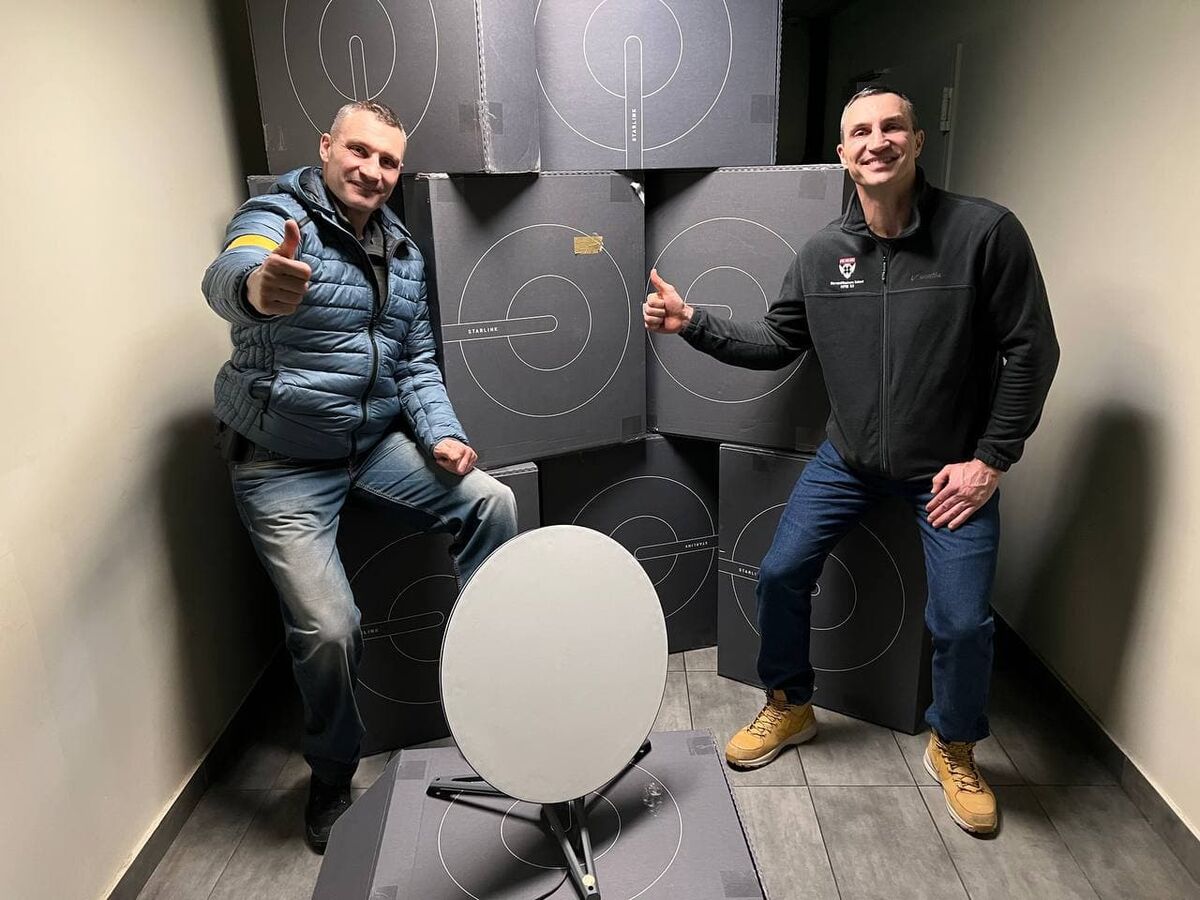
Setting up the Starlink Mini is ridiculously simple. The first thing that stands out is its size: it's roughly the size of a thick laptop (about 11.75 x 10.2 inches) and weighs just over 2.5 pounds.
Compared to the standard Starlink dish—which needs a dedicated mounting pole and a separate router, and feels like setting up a small satellite tracking station—the Mini is a revelation. The router is built directly into the dish itself.
The setup process is so simple it almost feels like you missed a step:
- Pull it out of your bag.
- Prop it up using the built-in kickstand.
- Plug it into a power source.
- Wait about two minutes for it to acquire a signal.
That's it. You don't need to manually aim it (though the app helps you point it in the general optimal direction). Getting from arrival at a remote campsite to being online in Slack can take just minutes.
How Much Power Does the Starlink Mini Use?
The Starlink Mini draws roughly 25 to 40 watts, and that low power consumption may be its most significant upgrade over the standard Starlink—more than the size.
The standard dish is a power hog, drawing anywhere from 50 to 75 watts consistently. If you live out of a van or camp, you need a substantial battery bank to keep it running all day.
The Mini, by contrast, sips power. Crucially, it comes with a barrel jack adapter and can be powered via a 100W USB-C PD power bank. That changes the dynamic: a standard, airline-approved portable laptop battery pack can keep it running for a while, so you no longer need an expensive, heavy portable power station just to check email in the wilderness.
How Fast Is the Starlink Mini?
SpaceX advertises speeds over 100 Mbps for the Starlink Mini. Portability and low power draw don't matter if the internet is unusable, so what does that speed mean for everyday work?
- Video Calls: At advertised speeds, group calls on Google Meet or Zoom should be workable without drops, as long as the sky is clear.
- Large Files: Downloading large PDF reports or pulling a docker container from GitHub can feel comparable to home Wi-Fi. Uploading large 4K video files takes longer because upload speeds are asymmetrical, but it can be manageable.
- Streaming: 4K streaming, such as Netflix in the evening by the campfire, is within reach.
Expect hiccups during heavy rainstorms, which can cause temporary speed drops (a known issue with all satellite internet), and when trees block the northern sky. The Starlink app is excellent at helping you identify obstructions, but you must have a clear view of the sky for it to work reliably.
Is the Starlink Mini Worth the Price?
Whether the Starlink Mini is worth it depends on how much your income relies on connectivity. The hardware is expensive upfront, and the monthly subscription tiers for the "Roam" plans (which you need to use it in different locations) are not cheap. Depending on your region, there may also be data caps on the cheapest Mini plans, so it's not ideal for downloading massive 100GB video games every day.
That cost has to be weighed against the value it provides.
If you are a casual camper who just wants to check Instagram on the weekend, the Starlink Mini is an expensive luxury. Turn off your phone and enjoy nature.
But if you are a remote worker, a freelancer, or a digital nomad whose income depends on a reliable connection, the math changes completely. Being able to book a remote cabin in the mountains and still join a Monday morning stand-up without panicking about cell reception is a kind of peace of mind that's hard to price.
Final Thoughts: Is the Starlink Mini a Real Work-From-Anywhere Tool?
In my view, yes. The Starlink Mini is not just a miniaturized version of the original dish; it is a new category of device that comes close to delivering true "work from anywhere" freedom. It is easy to set up, runs off standard portable batteries, and promises speeds that rival decent home broadband.
For the modern digital nomad, the Starlink Mini isn't just a cool gadget. It can be an essential piece of professional infrastructure.