Living With a Cuffless Blood Pressure Smartwatch: How It Changes Health Tracking in 2026
- Health, Technology, Review
- Exienent
- · Updated
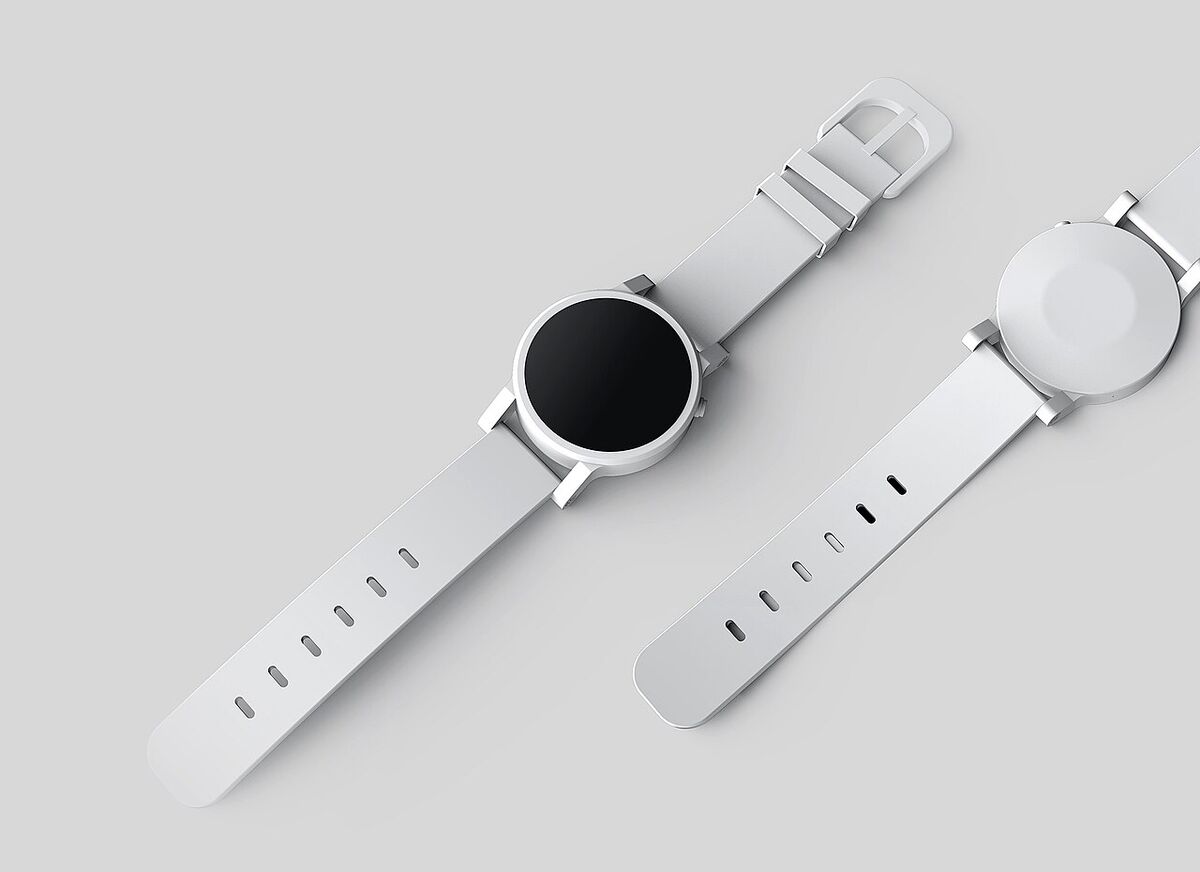
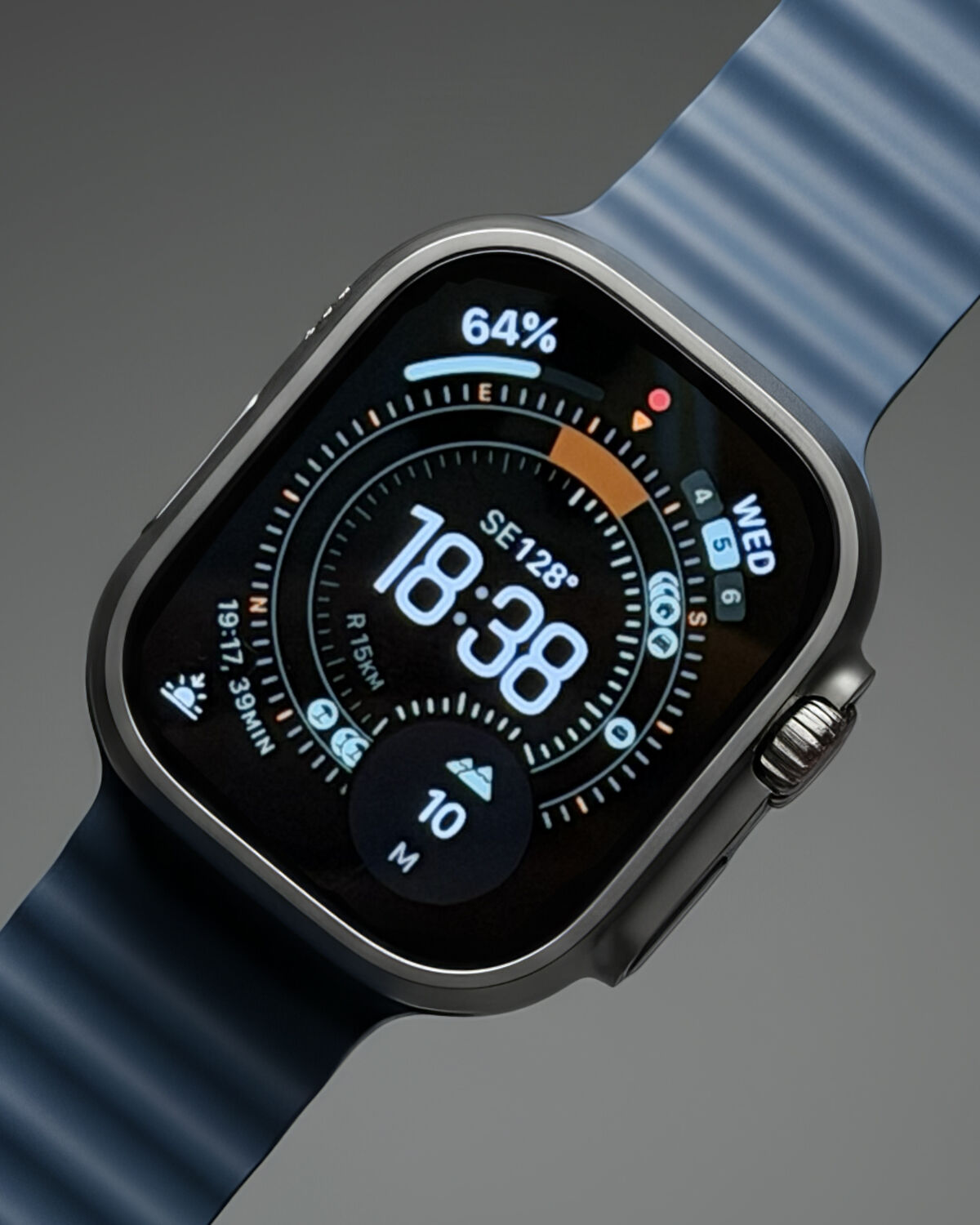
The 2026 flagship smartwatches finally deliver true, continuous, cuffless blood pressure monitoring: no squeezing and no periodic calibration with a traditional cuff, just passive optical and acoustic sensors reading your vitals 24/7. The result is a far richer picture of how daily life affects your blood pressure, with real caveats around fit, noise and anxiety. It is a tracking tool, not a replacement for your doctor.
For decades, measuring blood pressure has meant the same archaic ritual: strapping a restrictive, inflatable nylon cuff around your bicep, waiting for it to squeeze uncomfortably tight, and hoping your temporary anxiety—the dreaded "white coat syndrome"—doesn't artificially spike the numbers. Continuous data from the wrist can be illuminating, occasionally stressful, and potentially transformative.
How Does a Cuffless Blood Pressure Watch Work?
A cuffless watch estimates blood pressure from the wrist alone, and the biggest leap in 2026 is how it does it. A few years ago, early attempts required calibrating the watch against a traditional medical cuff once a month. It was tedious and defeated half the purpose of a standalone wearable.
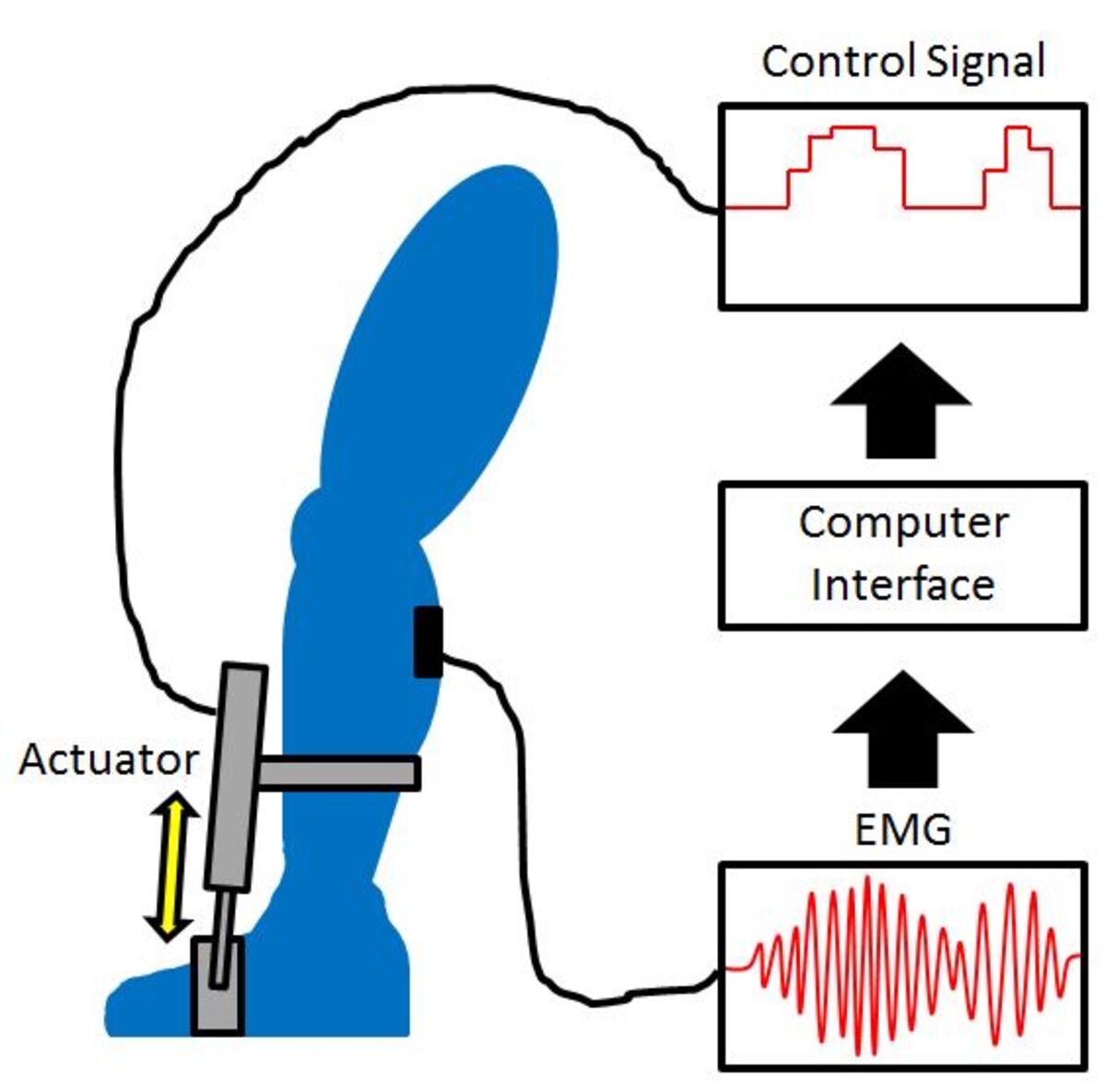
The new generation relies entirely on photoplethysmography (PPG) sensors and micro-acoustic transducers. The PPG sensors shine green light deep into your wrist tissue to measure the expansion and contraction of capillaries, while the acoustic sensors literally listen to the tiny sounds of pulse waves traveling through your blood vessels. Advanced machine learning algorithms fuse these two data streams to calculate systolic and diastolic pressure continuously.
Is Cuffless Blood Pressure Accurate?
Accuracy is now medically validated, and a quick spot check against a pharmacy blood pressure kiosk is a sensible way to see whether your watch's readings land close to a clinical device. Seeing a watch track a cuff-based machine without squeezing your arm can feel like a magic trick. If a reading looks unusual, confirm it with a cuff or a clinician.
What Can Continuous Blood Pressure Data Show?
Continuous data reveals how volatile blood pressure is. We are used to knowing our heart rate and daily step count, but blood pressure is a different beast: it is intimately connected to your immediate physical and emotional state.
The data can show that blood pressure doesn't only spike during an intense workout; it may also rise while reading a frustrating email, dip during a post-lunch slump, or take a while to return to baseline after a strong afternoon coffee.
The watch provides a daily "Pressure Burden" score—a metric that calculates how long your blood pressure remained in elevated zones throughout the day, regardless of the peaks. It frames stress not just as a feeling but as something measurable.
The watch can also nudge you in the moment. If it detects sustained elevation—say, while you are stuck in standstill traffic gripping the steering wheel—it buzzes gently and suggests a 2-minute breathing exercise. Slow breathing may help bring readings down for some people.
What Are the Downsides of Cuffless Monitoring?
Despite the convenience, living with a cuffless BP monitor isn't perfect, and two issues stand out.
First, the sensors demand strict contact with your skin. If the watch is slightly loose, or if you sweat heavily during a run, the readings can occasionally drop out or produce erratic spikes. The software is good at filtering out this "noise," but you may need to wear the watch tighter than usual to get reliable data.
Second, the psychological burden of having too much information is real. There is a fine line between being informed and being a hypochondriac. Seeing slightly elevated numbers after a salty meal or a poor night's sleep can create a feedback loop: you stress about your blood pressure, which pushes it higher. Learning to look at trends rather than every momentary fluctuation takes some time.
Will Cuffless Monitoring Change Preventive Health?
The shift from episodic measurement to continuous monitoring could change the paradigm of cardiovascular health.
A doctor's visit captures a snapshot of your blood pressure in a single, stressful moment. A health app fed by a cuffless watch holds a continuous dataset that can show how sleep, diet, stress and workouts relate to your readings hour by hour.
That makes it possible to test your own habits—for example, comparing nighttime readings after an evening walk with those after a night on the couch, or seeing what a poor night's sleep looks like in the data. Discuss any patterns that worry you with a healthcare professional rather than acting on them alone.
In my view, cuffless blood pressure monitoring isn't just a neat party trick; it's a fundamental upgrade to how we understand our own bodies.