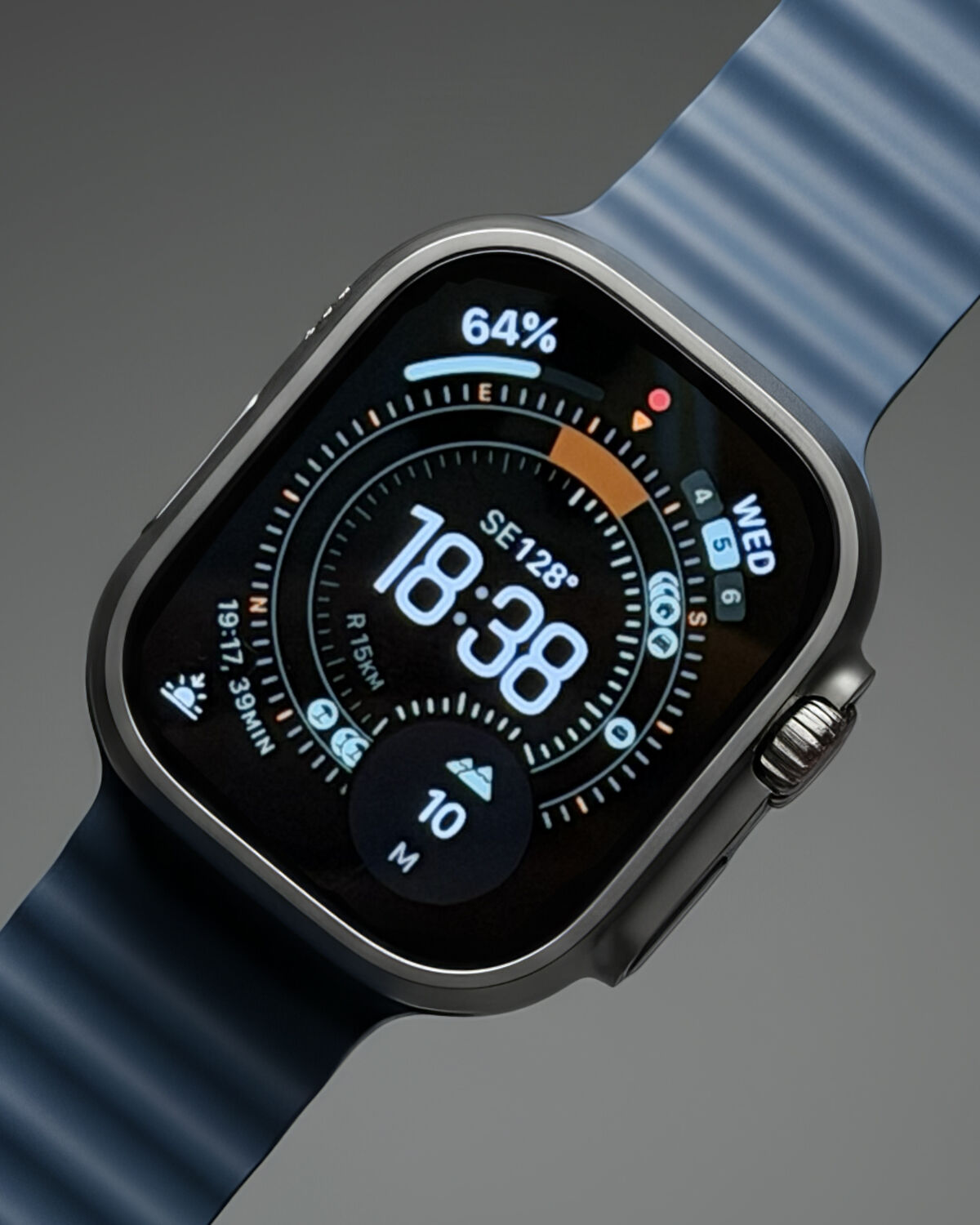
Running with AI Smart Insoles: The End of Wrist-Based Fitness Trackers?
- Technology, Health, Hardware
- Exienent
- · Updated
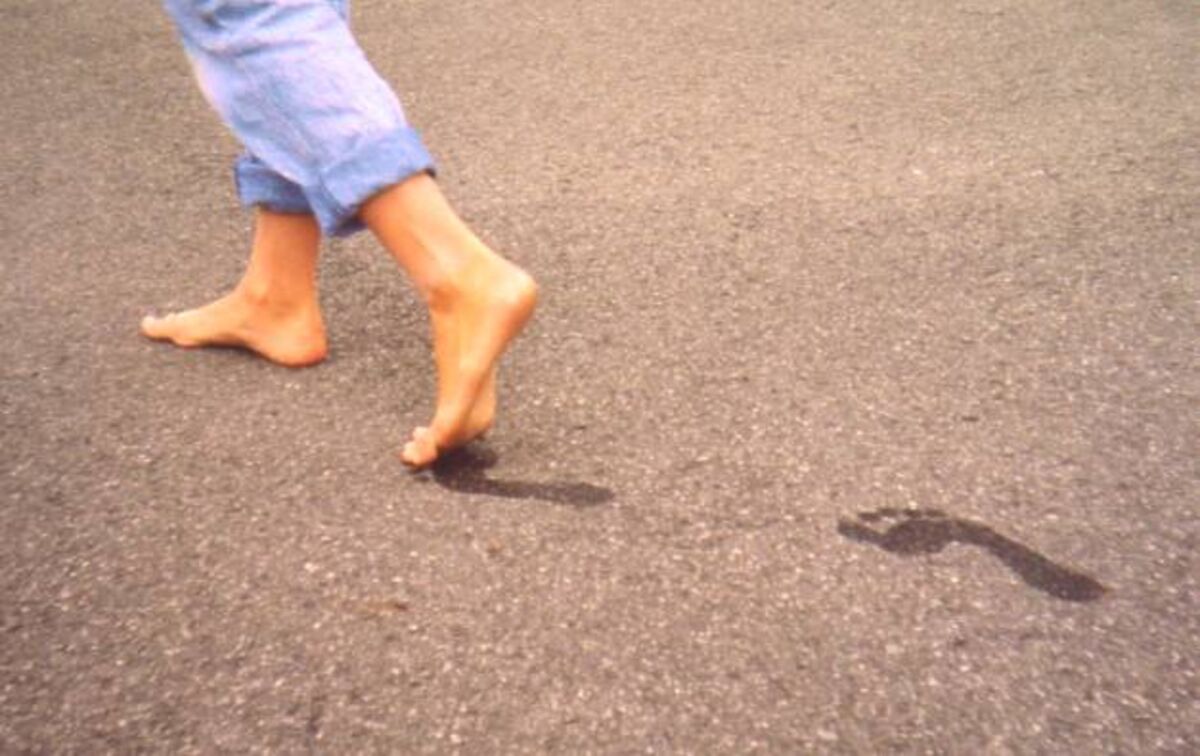
AI Smart Insoles measure how your feet actually hit the ground—strike zone, left/right balance, and contact time—and turn that data into real-time running coaching. They won't make smartwatches obsolete, but for running, walking, and physical therapy they capture biomechanical detail that a device on your wrist physically cannot.
For years, the standard advice for anyone looking to get serious about running was simple: buy a good pair of shoes and strap a GPS smartwatch to your wrist. We've spent a decade looking at our wrists to tell us how our feet are performing. In 2026, the hardware paradigm in the fitness world has shifted downwards, into AI smart insoles and natively integrated AI sneakers. For runners dealing with recurring discomfort or a plateau, generic cadence data from a watch may not be enough, and that is the gap these insoles aim to fill.
What Are AI Smart Insoles?
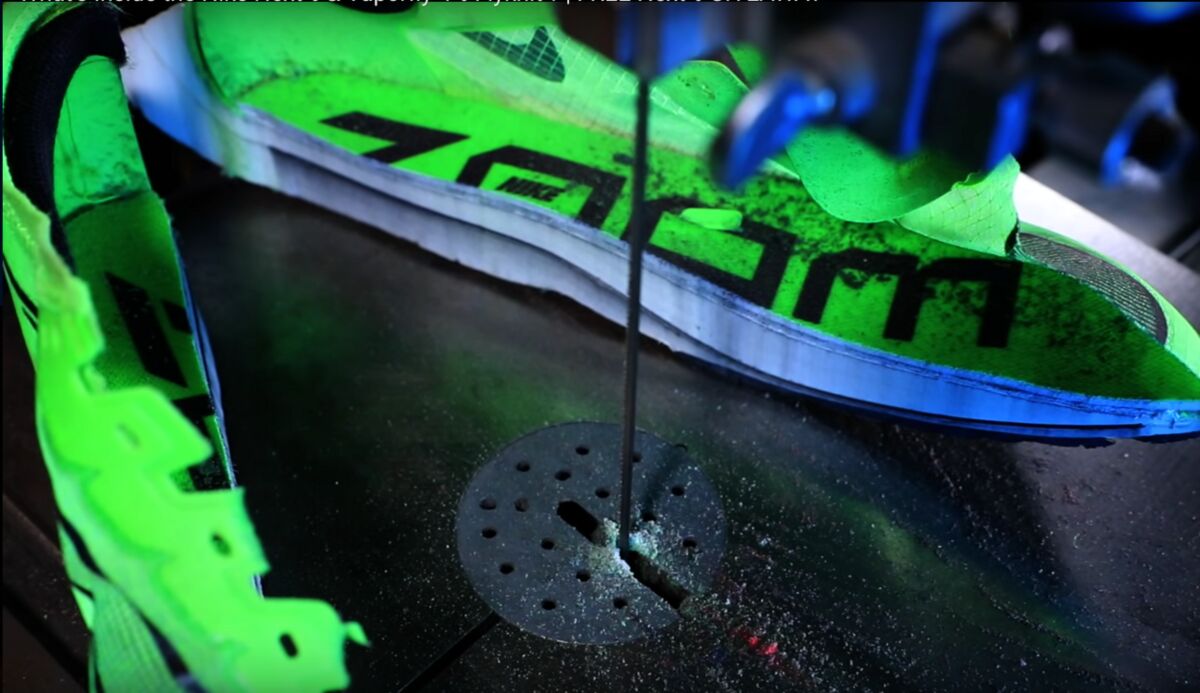
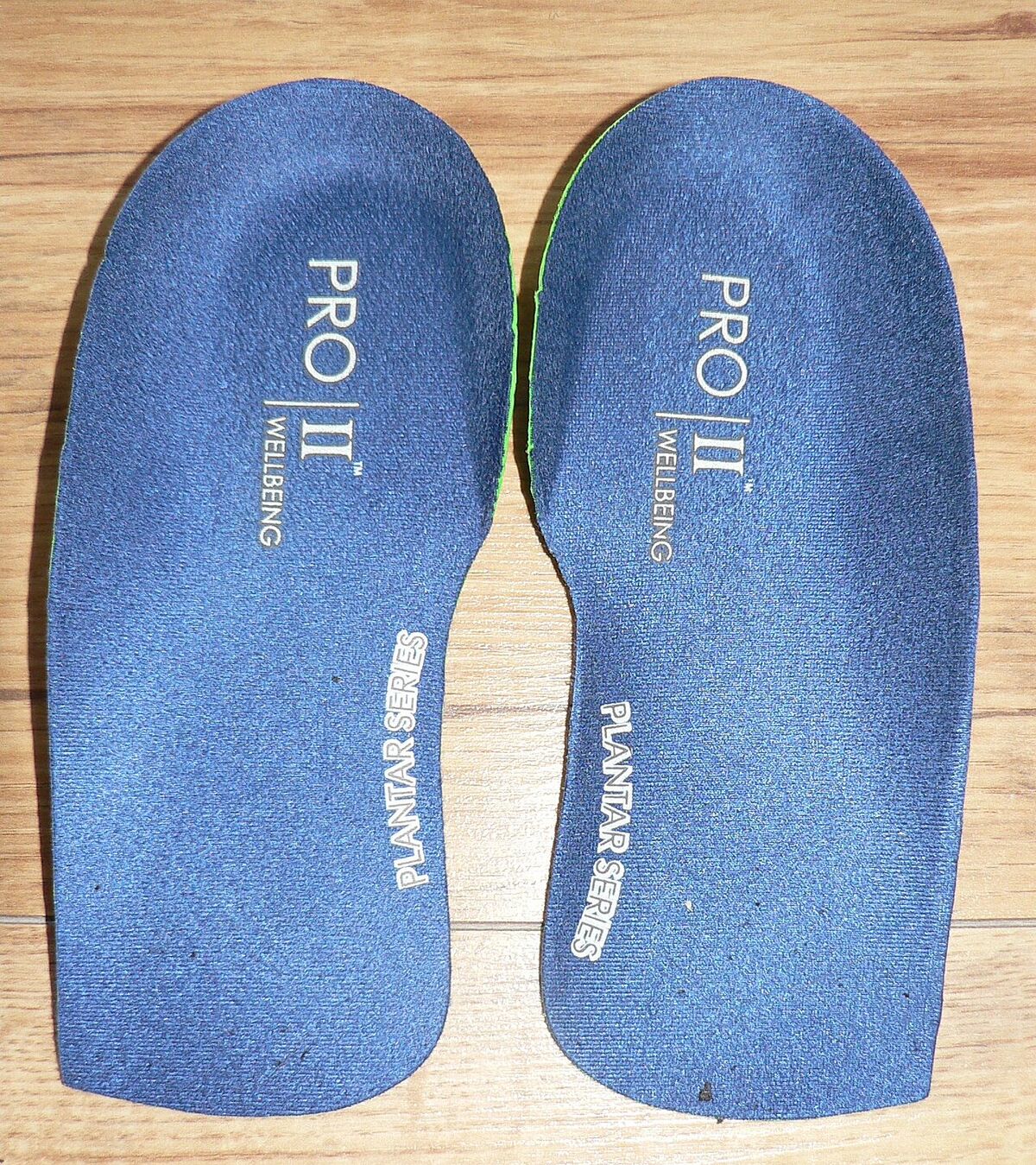
AI smart insoles are sensor-packed shoe inserts paired with an AI coaching app. At first glance, they look exactly like premium orthotic inserts you might buy at a pharmacy or get prescribed by a podiatrist. They are slim, lightweight, and comfortable. But inside the foam and carbon fiber lies a staggering amount of technology.
Leading 2026 consumer models feature a high-density matrix of over 100 microscopic pressure sensors, alongside 6-axis accelerometers and gyroscopes. Unlike older generation pedometers that simply counted "steps," these insoles generate a high-resolution, 3D topographical map of exactly how your foot strikes the ground, rolls, and pushes off, hundreds of times a second.
The "AI" part comes into play with the companion app. The insoles connect via Bluetooth to your phone. The app doesn't just display raw data; it uses a dedicated neural processing unit (NPU) to run your specific biomechanical data through machine learning models trained on thousands of professional runners and physical therapy profiles.
What Is It Like to Run with AI Smart Insoles?
Running with smart insoles means getting spoken, form-specific feedback mid-run. A smartwatch might report a respectable cadence and good pace, yet a few minutes into a run the AI coach can interrupt your music through your earbuds with a cue like this:
"Your left foot is demonstrating severe overpronation on impact, and you are heel-striking harder on downhill sections. Try to shift your weight slightly forward and increase your cadence by 4 steps per minute."
Receiving real-time, highly specific anatomical feedback can be jarring at first. A wrist watch can tell you how fast you are running, but smart insoles tell you how you are running.
Which Metrics Can Insoles Track That a Watch Cannot?
Here is what these insoles track that a watch physically cannot:
- Strike Zone Mapping: The app shows exactly where you land (heel, midfoot, or forefoot) and how that changes as you fatigue. It can reveal, for example, that your form deteriorates late in a run and you shift into heavy heel-striking—a pattern worth knowing about if you have knee discomfort.
- Left/Right Asymmetry: The insoles measure the exact force applied by each foot, which can highlight a muscular imbalance you didn't know you had.
- Flight Time vs. Contact Time: By measuring the exact milliseconds your foot spends in the air versus on the ground, the AI can calculate your running efficiency and suggest specific drills to improve your "spring."
Why Are Smart Insoles Called "Ambient" Fitness Tracking?
Smart insoles are "ambient" because they work in the background without any interaction. They represent a move toward true Ambient Computing.
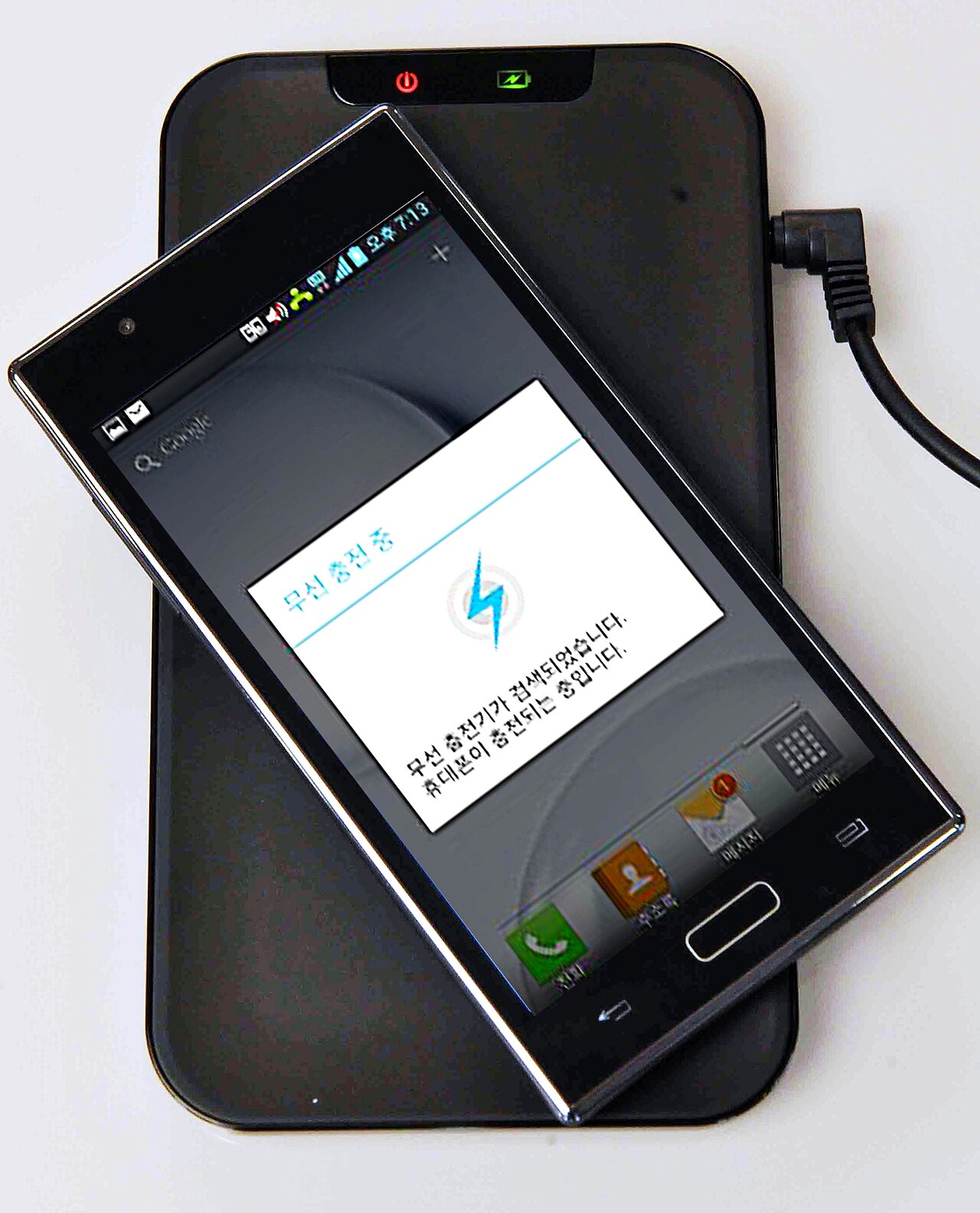
With a smartwatch, you have to actively engage with it. You look at the screen, you scroll through menus, you charge it every night. The smart insoles disappear into the background: once they are in your shoes, it is easy to forget they are there. They charge wirelessly via a mat, so placing one in the entryway means you simply drop your shoes on it when you get home.
The data gathering is frictionless. You don't have to remember to "start a workout." The moment you start jogging, the insoles wake up, recognize the activity profile based on the pressure patterns, and begin logging.
Are Smartwatches Dead? The Verdict
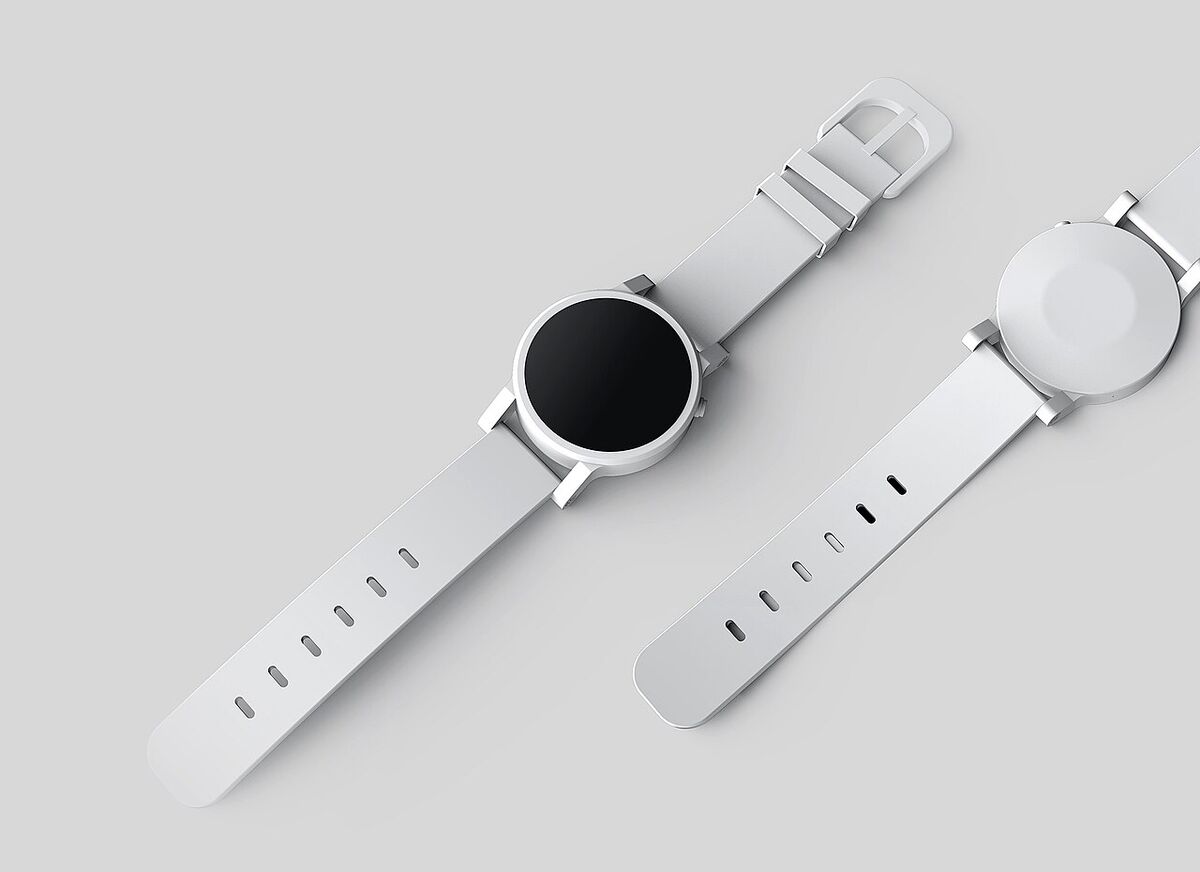
No, smartwatches aren't dead. They are still the best devices for reading notifications, checking the weather, and tracking holistic metrics like all-day heart rate and sleep (since you don't sleep in your running shoes).
However, for the specific act of running, walking, and physical therapy, AI Smart Insoles offer a level of granular, actionable intelligence that a device on your wrist simply cannot match. By addressing biomechanics at the source of impact, they don't just track your run—they may help you refine your form. If you are dealing with recurring running injuries, treat the data as a complement to advice from a physiotherapist or sports medicine professional, not a replacement. For breaking a plateau, 2026 may be the year to look down instead of at your wrist.