The Smart Home Finally Makes Sense: Matter in 2026
- Technology, Hardware, Lifestyle
- Exienent
- · Updated
In 2026, the Matter smart home standard finally delivers on its promise: Matter-certified devices from Apple, Google, Amazon, and Samsung can be set up by scanning a QR code and shared across ecosystems without extra accounts. A few gaps remain—mainly advanced features and legacy devices—but for anyone buying a smart plug, thermostat, or lock today, the Matter logo is the thing to look for.
Why Was the Smart Home So Fragmented Before Matter?
Before Matter, every device was locked to one ecosystem. Buying a smart bulb or a smart plug meant carefully checking the box for the "Works with Apple HomeKit" or "Works with Google Assistant" logo. If you had an iPhone but your partner had an Android, setting up a shared smart home was an absolute nightmare of overlapping apps and disconnected ecosystems.
A few years ago, the tech industry promised a savior: Matter. It was pitched as a universal standard—a magic protocol that would let devices from Apple, Google, Amazon, and Samsung all talk to each other seamlessly. But for a long time, it felt like vaporware. Early rollouts were buggy, and device support was spotty. By 2026, the ecosystem has matured enough that a home can be built entirely around Matter-certified devices.
How Easy Is It to Set Up a Matter Device?
Setting up a Matter device is genuinely easy now; onboarding is the biggest improvement over the old fragmented setup.
- Scan and Go: Gone are the days of downloading a proprietary app, creating yet another account, and trying to force a lightbulb onto a 2.4GHz Wi-Fi network. With a new Matter device, you simply open Apple Home or Google Home, scan the QR code on the box, and within seconds it's connected to the local network via Thread.
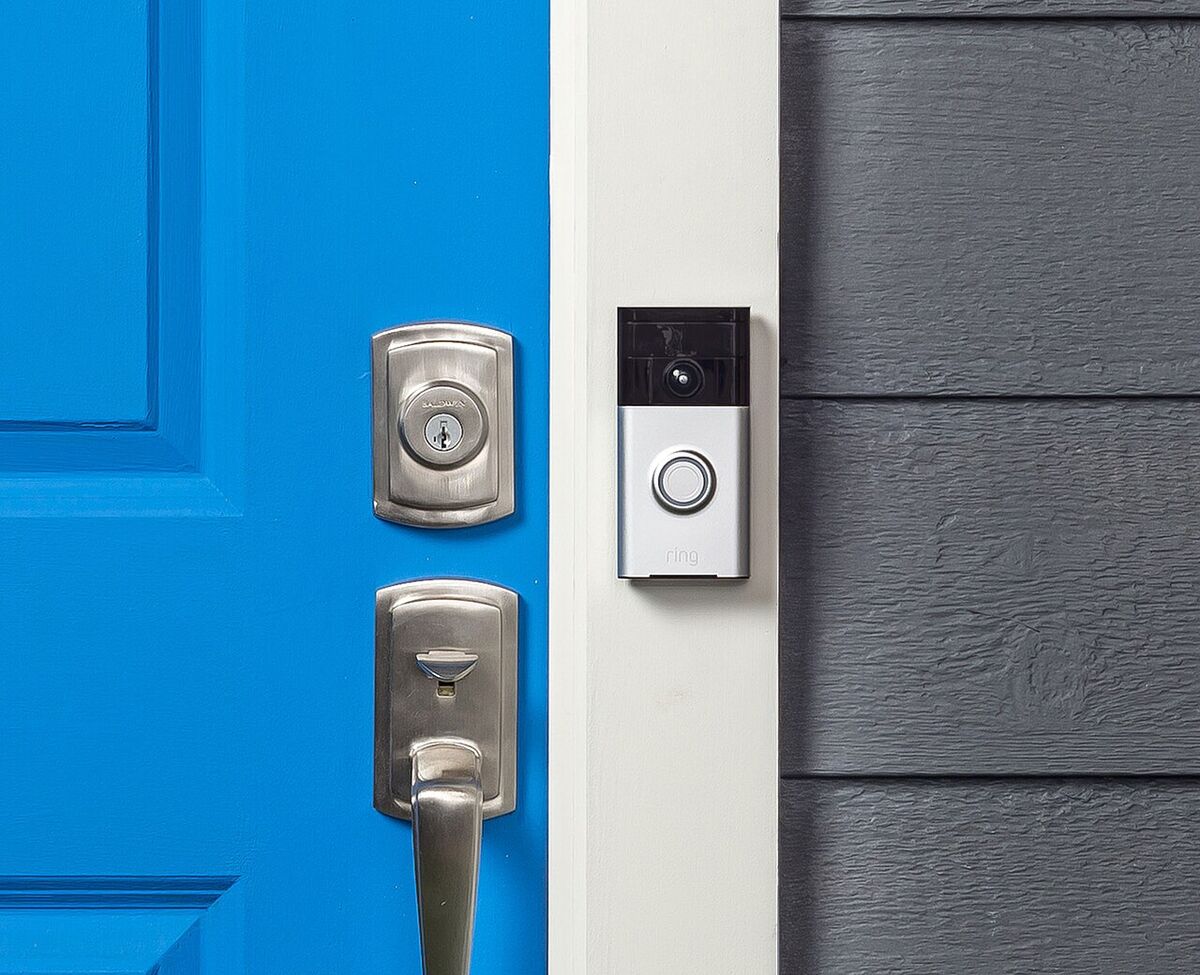
- True Cross-Platform Harmony: The real magic is shared control. Someone can set up a new smart lock on an iPhone (Apple Home), generate a pairing code through Matter's "Multi-Admin" feature, and hand it to a roommate who uses a Google Pixel. The same lock then appears in the roommate's Google Home app. No third-party accounts required.
What Does Thread Do for a Matter Smart Home?
Thread is the network Matter devices run on, and it is the main reason a 2026 smart home can feel so robust. Matter is the language these devices speak; Thread carries the conversation.
Unlike Wi-Fi, which bogs down your router, or Bluetooth, which has terrible range, Thread creates a self-healing mesh network. Every smart plug and lightbulb acts as a relay, extending the signal.
- Instant Response: When you ask Siri or Google Assistant to turn off the living room lights, the command can execute almost instantly, without the noticeable delay of a round trip to a cloud server.
- Local Control: Because Matter and Thread prioritize local communication, the smart home still functions even if the internet goes down. As long as the local Wi-Fi router is on, lights and locks can still be controlled from a phone.
What Are Matter's Remaining Limitations?
Matter's foundation is finally solid, but the ecosystem isn't completely flawless yet.
- Advanced Features: Matter is great for basic functions (on/off, dimming, locking/unlocking). However, if you want to access highly specific, advanced features of a device—like complex custom animations on a specific brand of LED strip—you might still need to dip into the manufacturer's native app.
- Legacy Devices: Getting older, non-Matter devices to play nicely can be a headache. You often need to buy a Matter-compatible bridge (like the newer Philips Hue hubs) to translate the old signals.
Is It Finally Time to Build a Smart Home?
Yes—in my view, 2026 is the year to stop waiting. For years, the honest advice was to hold off because the technology was too fragmented. I think that advice no longer holds.
The promise of the Matter protocol has actually materialized. It has transformed the smart home from a frustrating hobby for tech enthusiasts into a reliable, boringly functional utility that anyone can use. If you are looking to buy a smart plug, a thermostat, or a lock today, make absolutely sure it has the Matter logo on the box. It is the only way forward.