Are Smart Glasses the New Smartphone? What Multimodal AI Wearables Can Do
- Technology, Review
- Exien
- · Updated
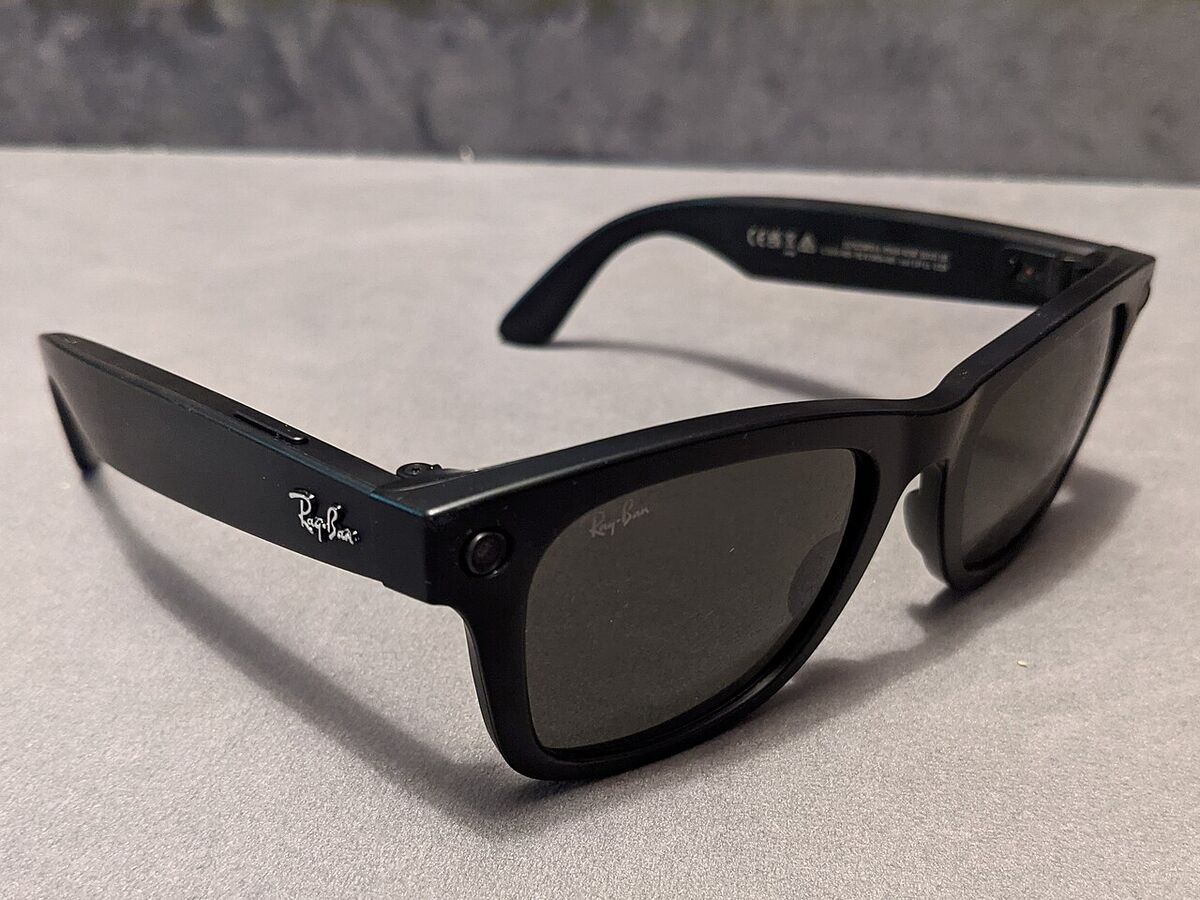
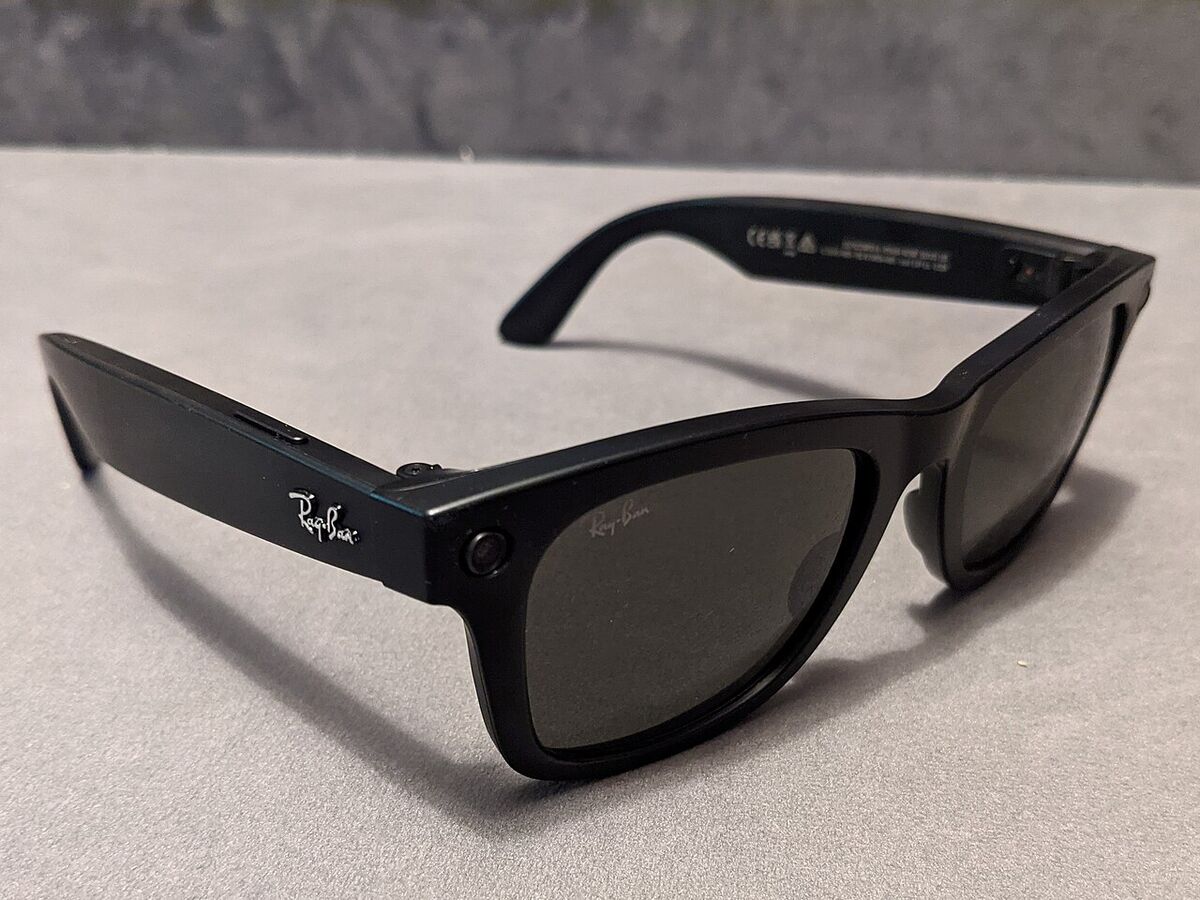
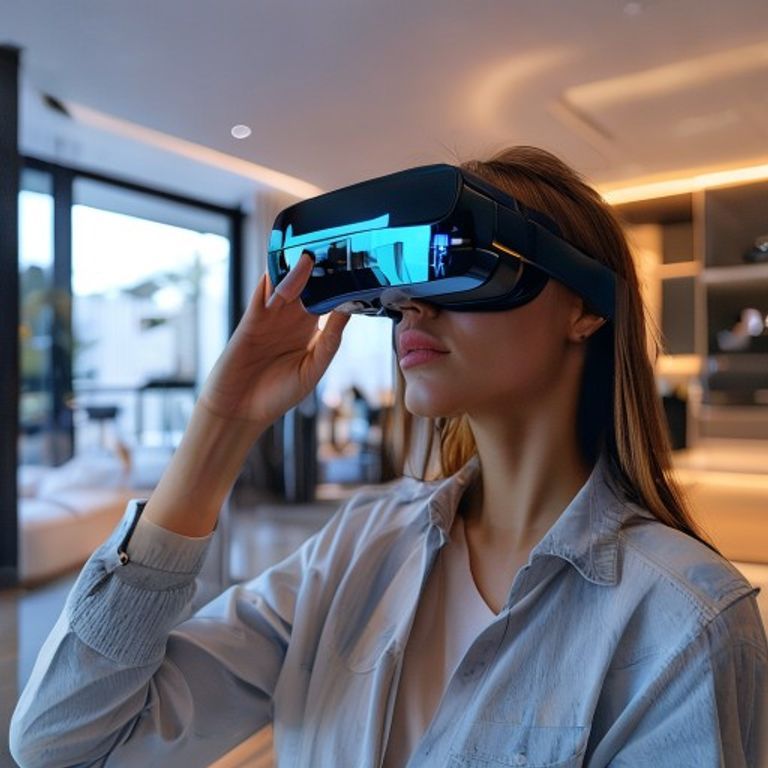
AI smart glasses like the latest Meta Ray-Ban, powered by real-time Multimodal AI, are not a full smartphone replacement yet, but they can take over "quick information retrieval": identifying what you see, translating speech and giving directions without a screen. You still need a phone for deep work, movies and visual feeds, and battery life remains the biggest weakness.
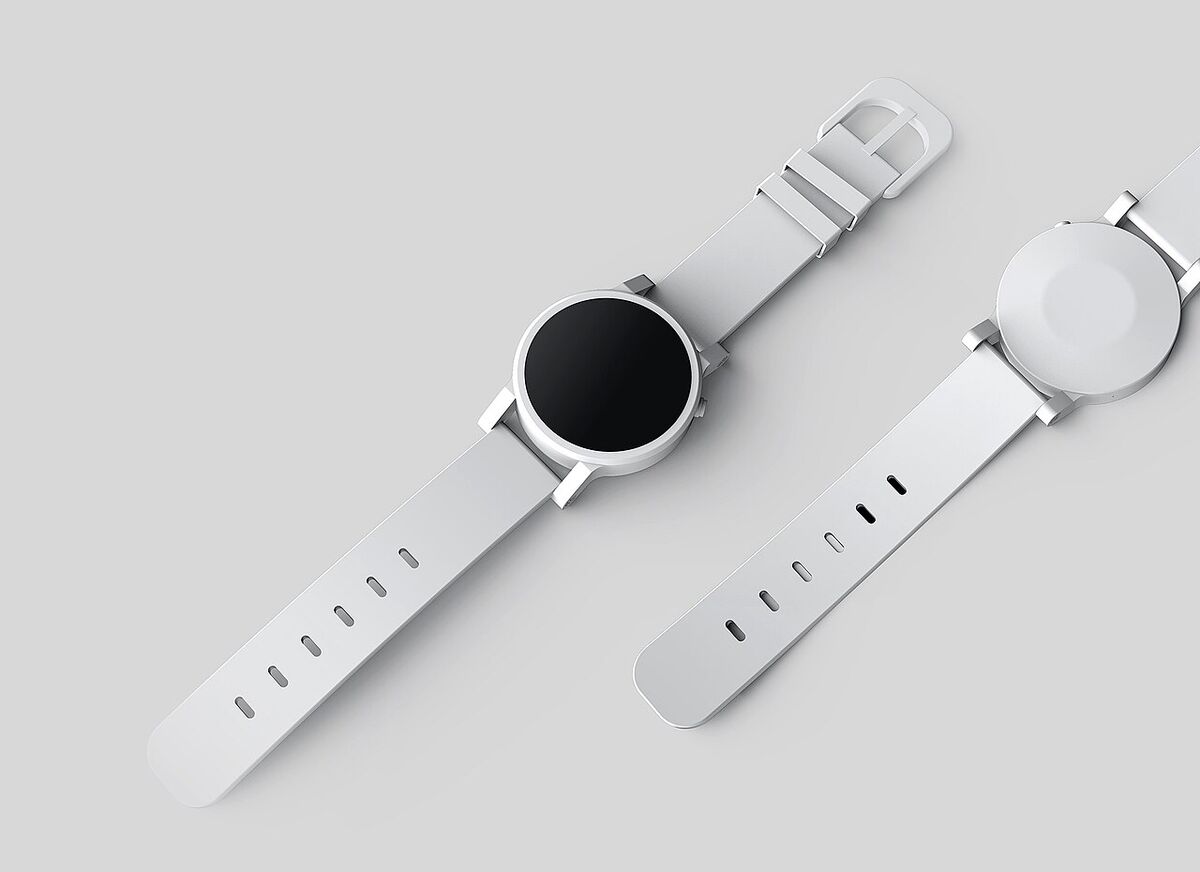
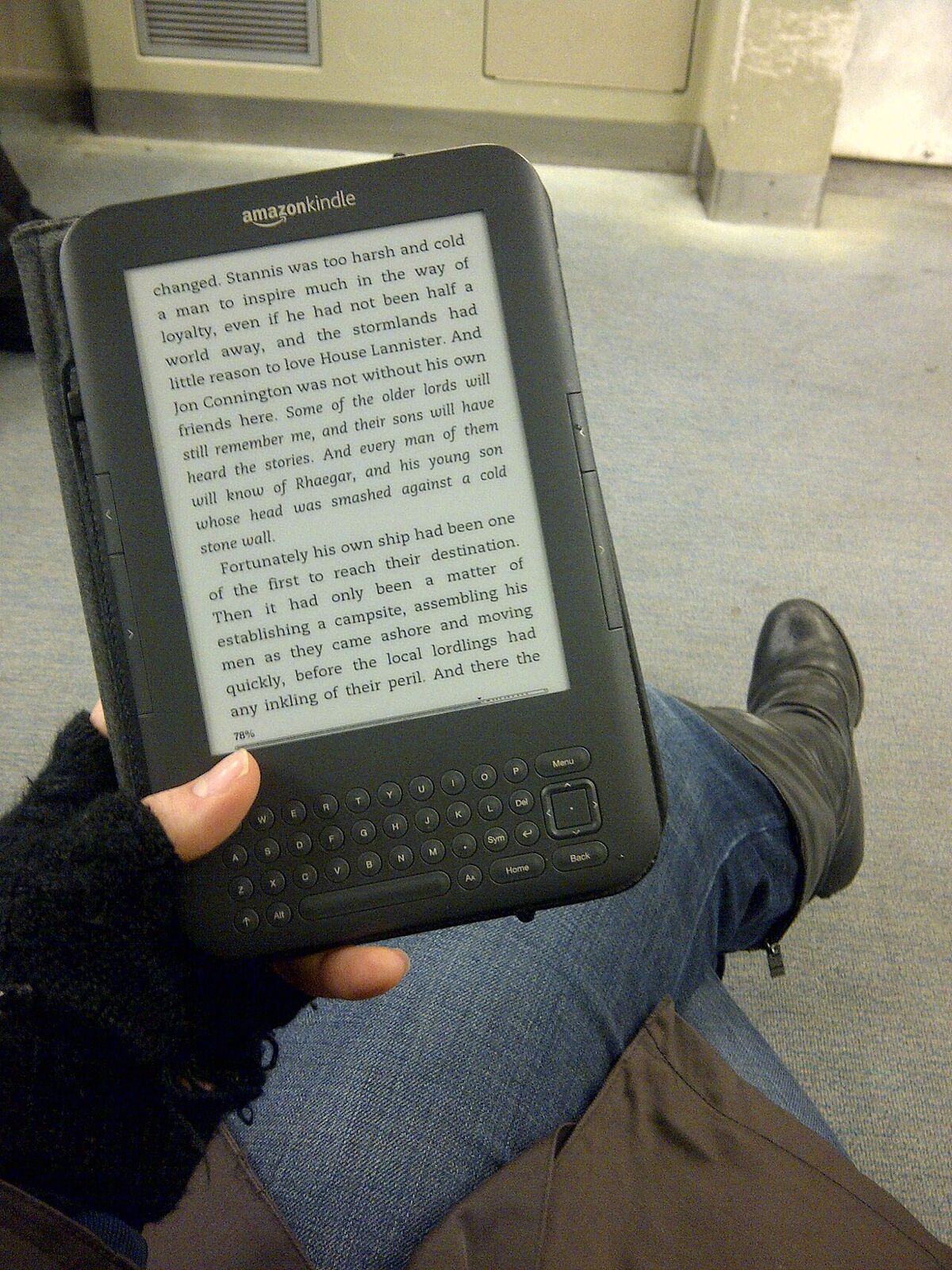
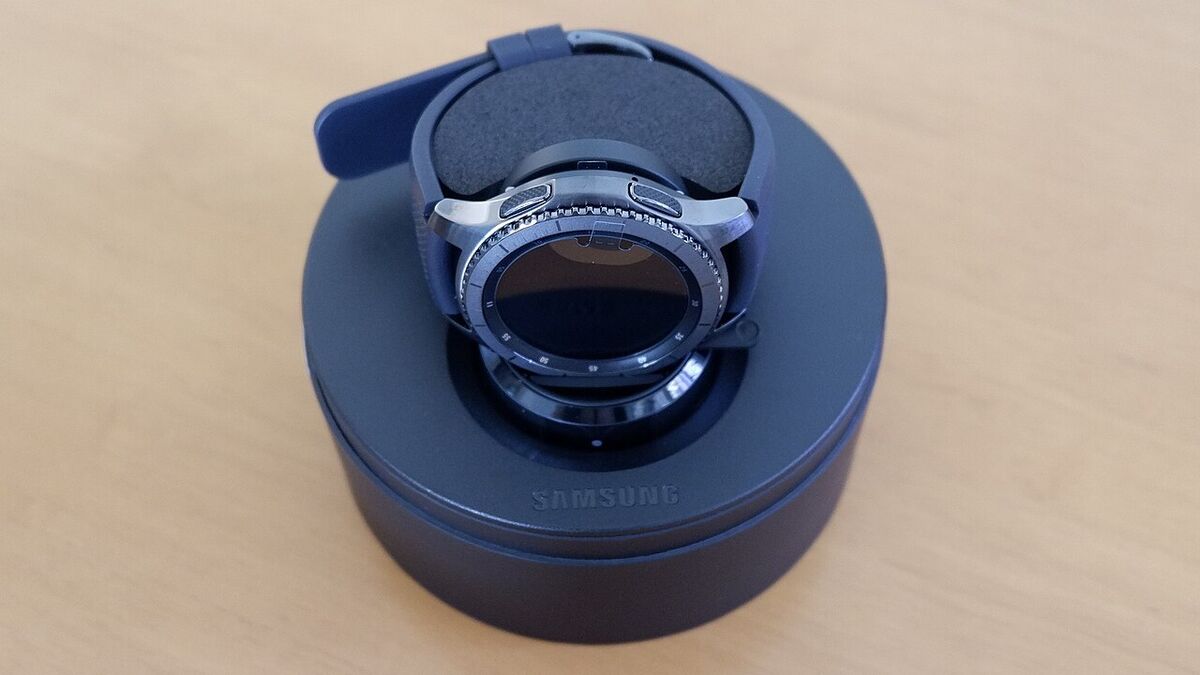
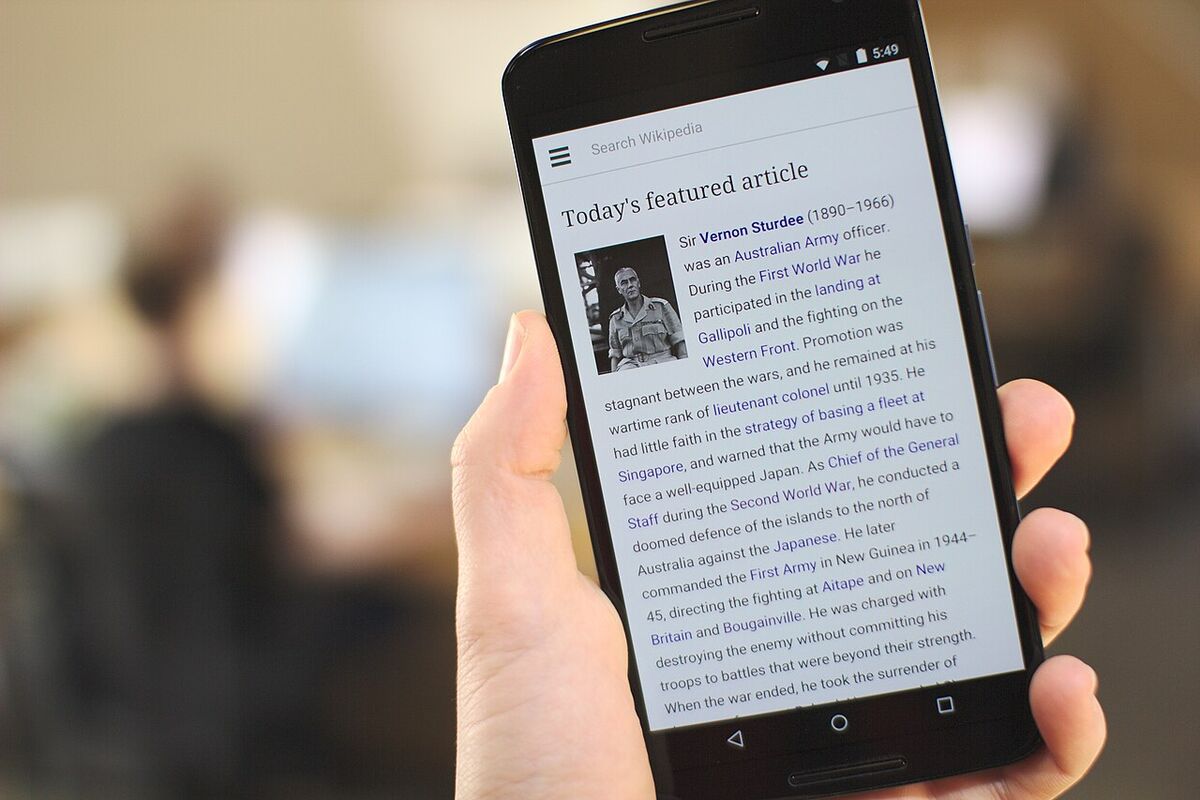
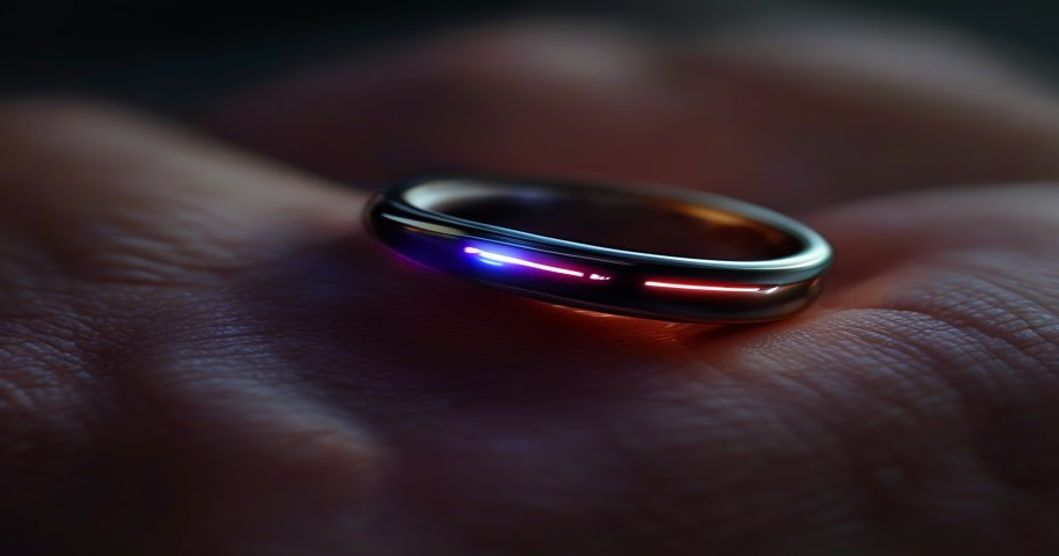
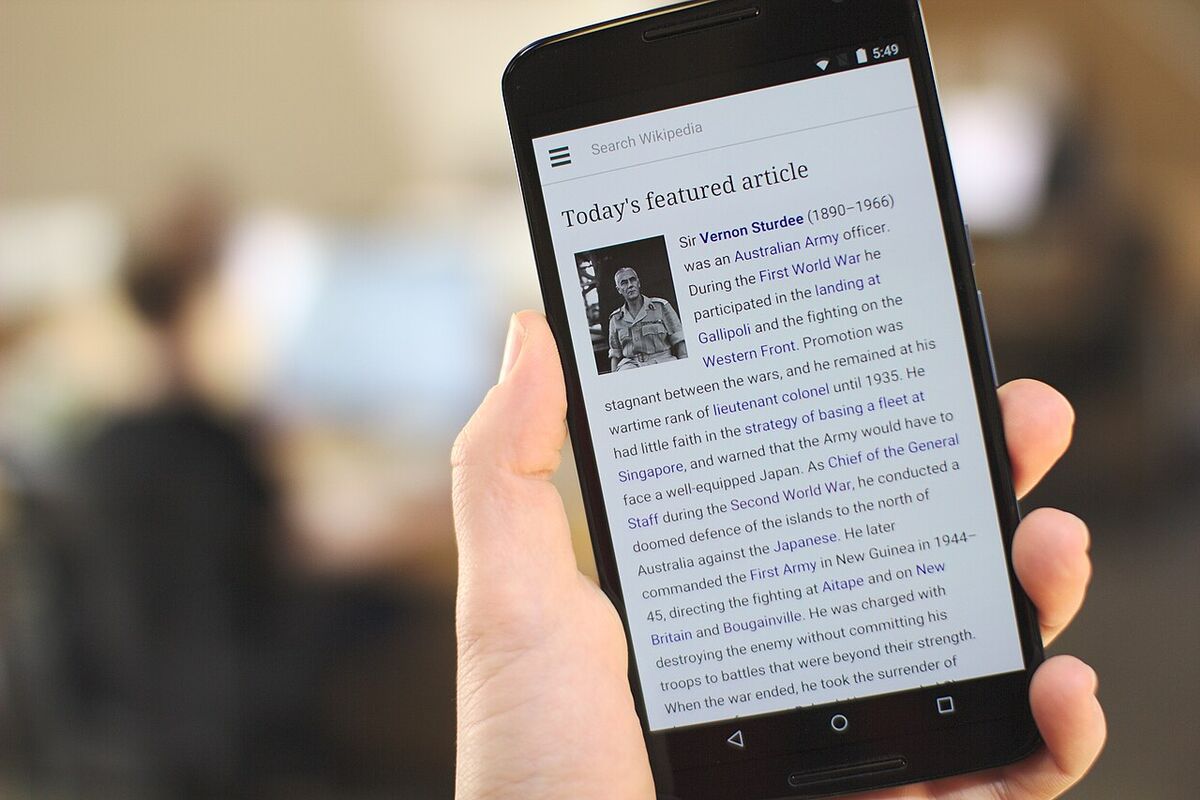
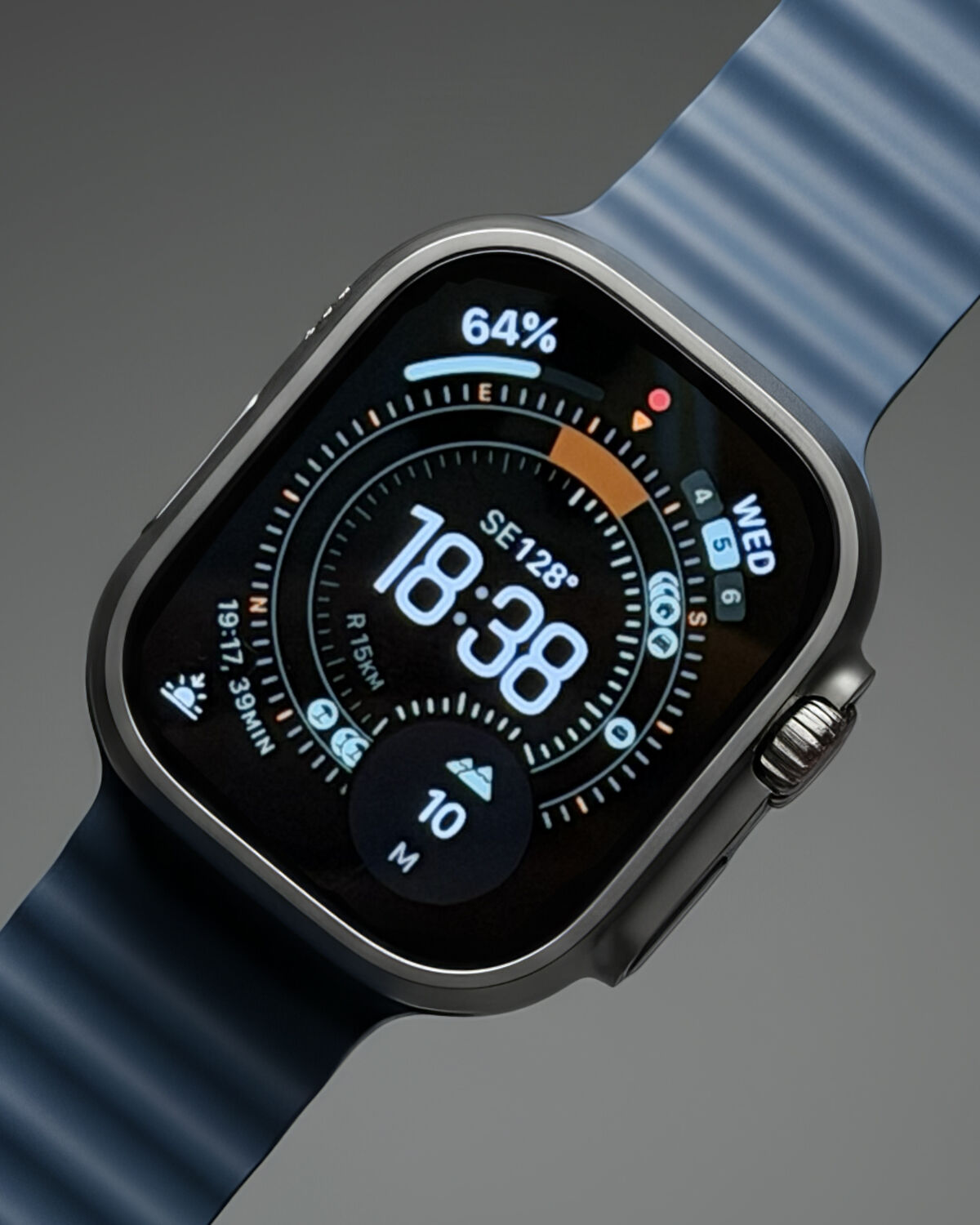
We've been talking about the "death of the smartphone" for a decade, and it always felt like empty hype. VR headsets are too clunky to wear to the grocery store, and smartwatches, while great, are too small to replace a 6-inch screen. The more plausible smartphone replacement isn't a new screen at all. It's a pair of glasses that lets you keep your phone in your pocket more often.
What Is Multimodal AI in Smart Glasses?
Multimodal AI is artificial intelligence that understands not just text, but sight and sound simultaneously. In a pair of glasses, this means the AI sees what you see and hears what you hear in real time.
Instead of pulling out a phone, opening Google, typing a query, and reading a screen, the workflow looks like this: you look at an unfamiliar plant on a hike and say, "Hey Meta, what kind of plant is this, and is it poisonous to dogs?" The AI analyzes the camera feed and whispers the answer into your ear via open-ear speakers.
It feels less like using a computer and more like having a very smart, invisible friend walking next to you.
What Can AI Smart Glasses Actually Do?
- Live Translation: At a market abroad, if someone speaks Spanish, the glasses can translate their voice into English directly into your ear almost instantly—no need to shove a phone in their face to use Google Translate.
- Contextual Visual Search: Looking inside your fridge and asking, "What can I make for dinner with these ingredients?" is very practical. The AI can identify items like leftover chicken, spinach, and half an onion, and suggest a quick recipe.
- Hands-Free Navigation: Walking through a busy city relying on audio cues and subtle lights in your peripheral vision beats staring down at a map app and bumping into people.
What Are the Downsides of AI Smart Glasses?
Wearing AI on your face still has two main friction points.
First, battery life is still the Achilles' heel. If you constantly use visual search or record video, you may be putting these back in their charging case before lunchtime.
Second, the social dynamic is still slightly awkward. While the Meta Ray-Bans look like normal Wayfarers, a tiny LED lights up when the camera is active. Explaining to friends that you aren't recording them—you're just asking the AI to read a menu in a dark restaurant—gets old fast.
Will Smart Glasses Replace Your Phone?
Not entirely, and not yet.
You still need a screen for deep work, watching movies, or scrolling through visual feeds like Instagram. But the paradigm shift is real: glasses can become the primary tool for "quick information retrieval," which can cut down how often you reach for your phone.
| Task | Better on smart glasses | Better on a phone |
|---|---|---|
| Quick questions, translation, directions | Yes | |
| Deep work, movies, Instagram | Yes |
Key Takeaway: The era of "Look down" technology is transitioning to "Look up" technology. By combining a socially acceptable form factor (sunglasses) with the power of Multimodal AI, companies like Meta are building the first wearable that can genuinely reduce our reliance on screens.
Should You Buy AI Smart Glasses in 2026?
If you hate how much you stare at your phone but still want the power of the internet with you at all times, I think 2026 is the year smart glasses finally make sense. Have you thought about trying a pair? Let me know in the comments if you think wearing AI is the future, or just a passing trend!