Why Swap Social Media Algorithms for RSS Feeds in 2026
- Lifestyle, Technology, AI & Data
- Exienent
- · Updated
RSS feeds let you read the internet on your own terms: you choose the sources, updates arrive in chronological order, and the feed simply ends when there is nothing new. For anyone worn out by algorithmic timelines and doomscrolling, replacing social media apps with an RSS reader is a simple way to reclaim focus without disconnecting from the web.
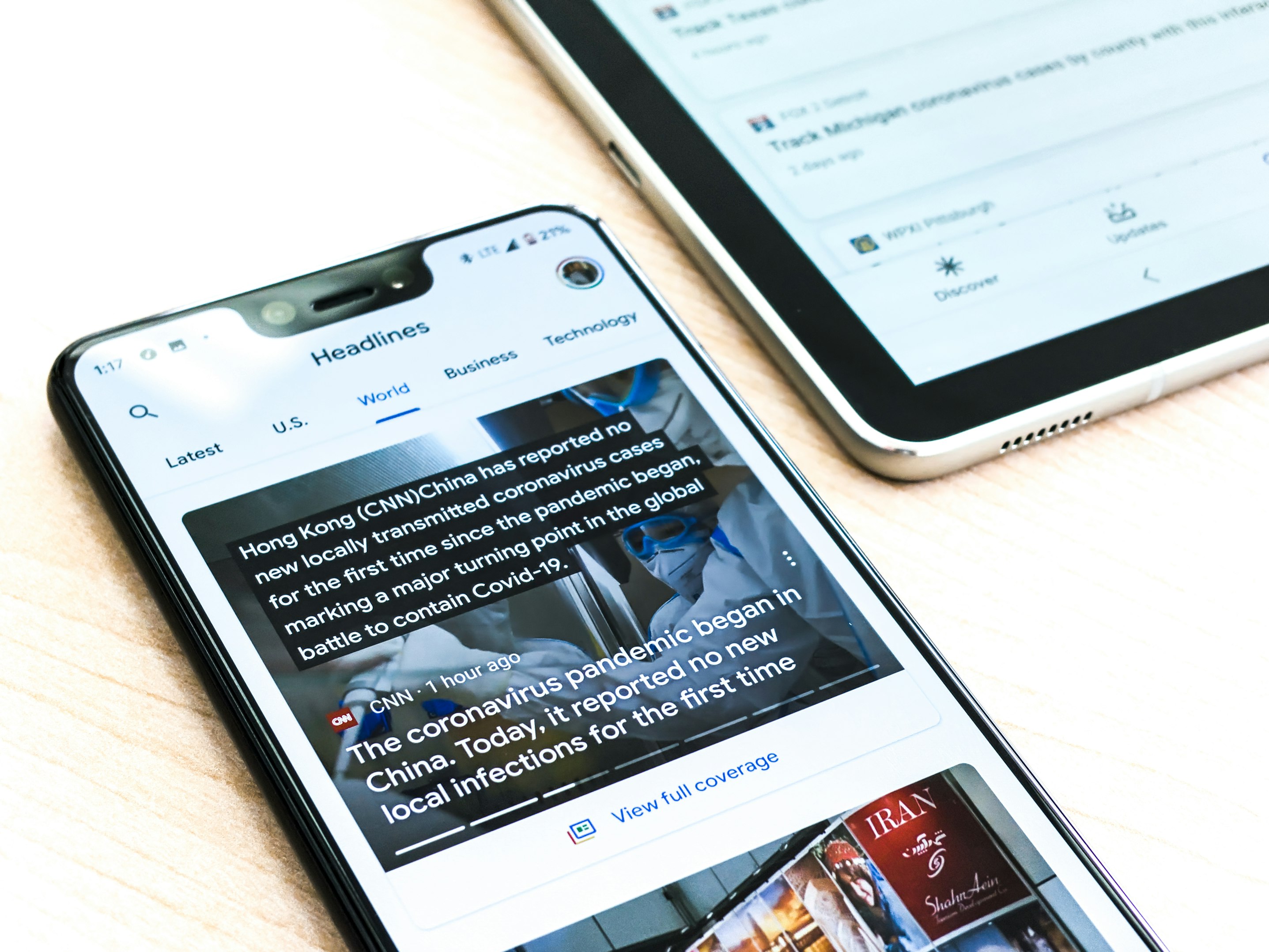
It's easy to end up staring blankly at a phone screen late at night, unaware of how much time just disappeared into a timeline of short-form videos and rage-inducing hot takes. The algorithms powering social platforms are built to hijack attention, feeding a non-stop diet of content designed to trigger emotional responses rather than provide any real value. The result can be a fried brain and little capacity left for deep work.
Fixing that doesn't require disconnecting from the internet completely or giving up the blogs and news sources you actually care about. An older piece of internet technology handles it well: RSS feeds. The idea is a radical experiment in simplicity: delete the algorithmically driven social media apps from your phone, replace them with a single, simple RSS reader, and carefully curate a list of blogs, independent writers, and niche news sites as your main way of consuming content.
Here is why escaping the algorithms and returning to the intentional, quiet web is worth considering.
What Is Wrong with Social Media Algorithms?
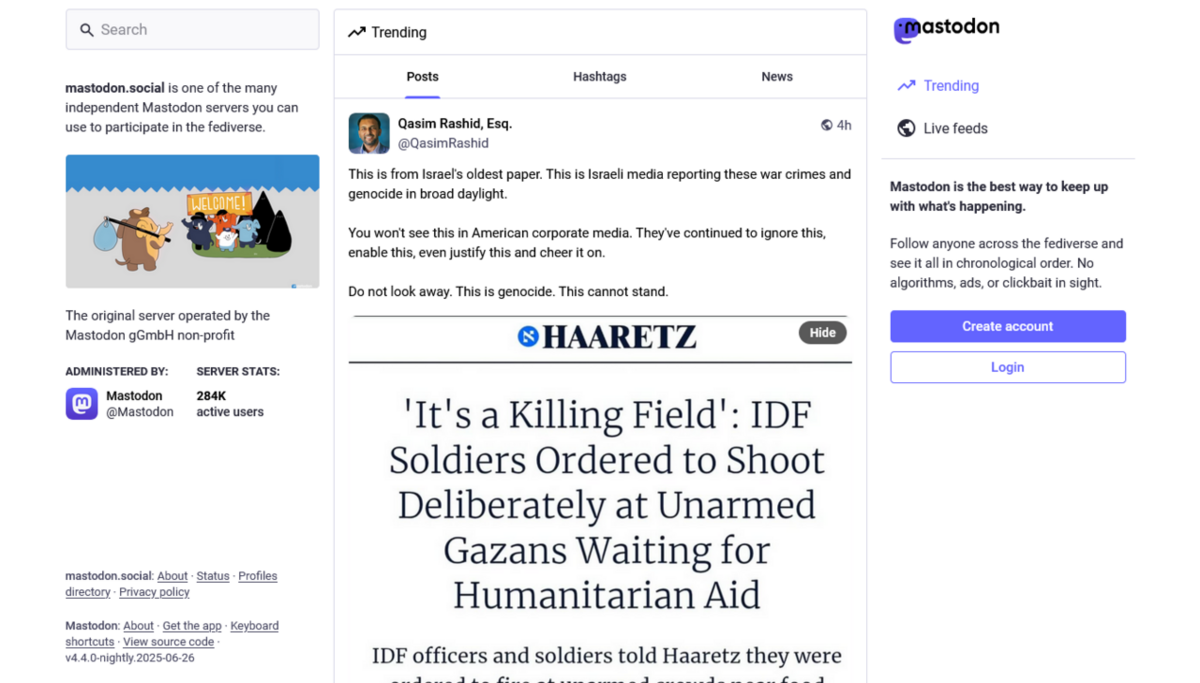
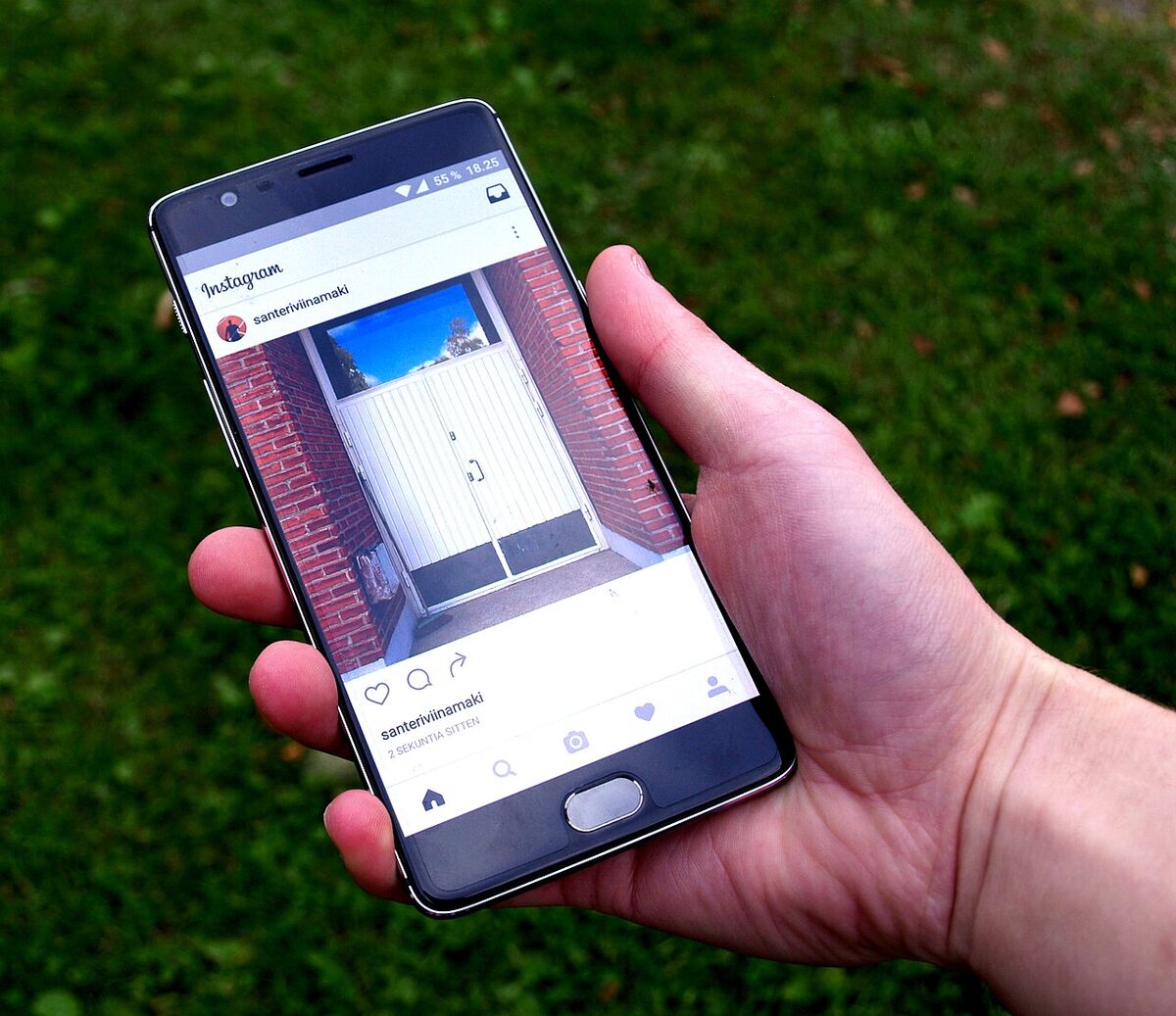
Social media algorithms decide what you see based on what keeps you on the app, not on what is accurate or useful. When you open a platform like X, TikTok, or Instagram, you aren't really choosing what to read; you are being served content by a highly optimized recommendation engine. These algorithms are incredibly good at predicting what will keep you on the app, but they don't care if the content is accurate, enriching, or good for your mental health.
This leads to a few massive problems:
- The Echo Chamber Effect: You are constantly fed opinions that reinforce your existing worldview, making it harder to encounter nuanced or challenging ideas.
- Engagement Baiting: Creators are forced to prioritize sensationalism and outrage because that's what the algorithm rewards with visibility.
- Passive Consumption: You lose the agency of deciding what to read, becoming a passive consumer of a never-ending feed.
What Is RSS and How Does It Give You Back Control?
RSS (Really Simple Syndication) is a web feed that allows you to access updates to online content in a standardized, computer-readable format. Instead of visiting ten different websites every day to see if they posted something new, an RSS reader aggregates all those updates into one clean, chronological list.
There is no algorithm. There are no recommendations. There is no endless scroll.
If a blog you subscribe to posts an article, it shows up in your feed. If it doesn't post, your feed is empty. It's profoundly simple, and in 2026, this simplicity feels like a superpower.
What Changes When You Switch from Social Media to RSS?
Switching to RSS can bring more intentional reading, less screen time, and better content, but the transition isn't always smooth. At first it can feel like digital withdrawal: you may open your phone out of habit, open your RSS reader, see no new articles, and feel a strange sense of anxiety. A brain used to the unpredictable dopamine hits of a slot-machine-style timeline can keep craving them for a while.
Once that noise clears, these are the biggest changes a switch can bring:
1. A Return to Intentional Reading
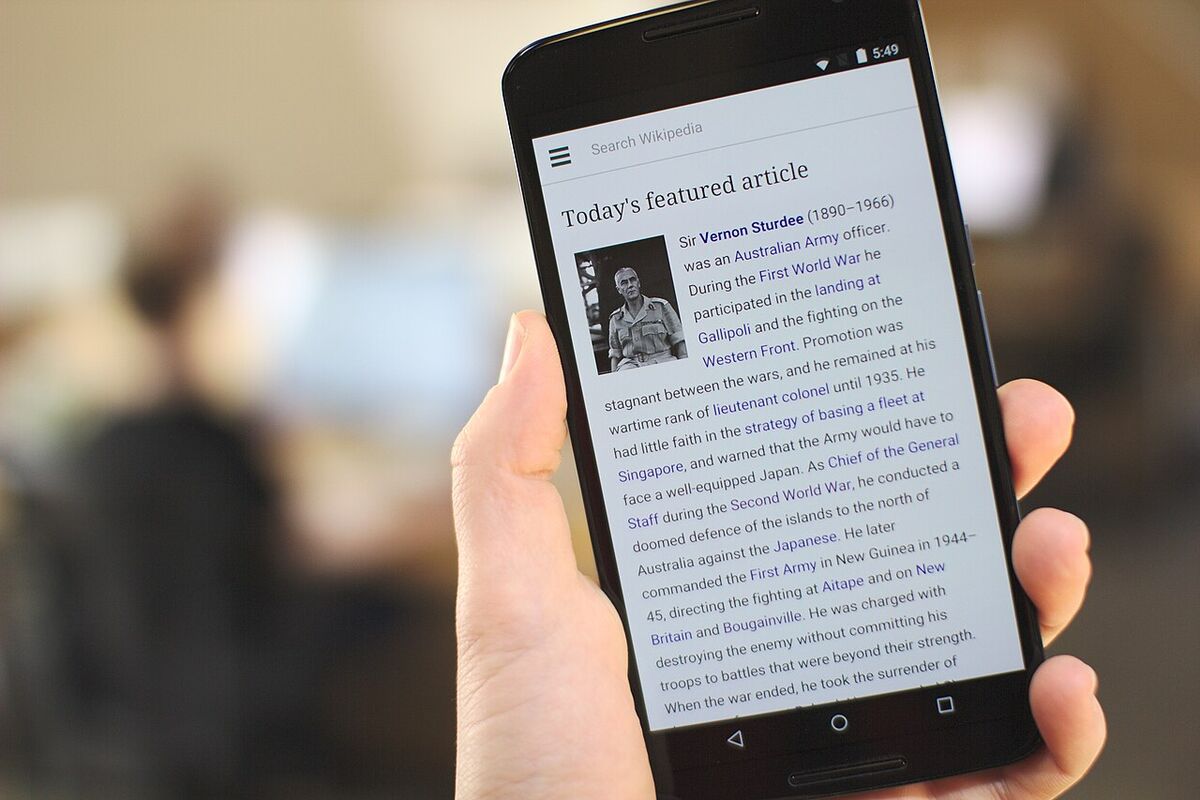
Opening an RSS reader is a deliberate choice: you sit down to read the latest essay from a writer you respect. The interface is clean text and images—no flashy ads, no auto-playing videos, and no comment sections filled with arguments. That makes it easier to actually finish long-form articles instead of skimming the first paragraph and scrolling past.
2. Reduced Screen Time
Because the feed has a definitive end, you can actually "finish" reading the internet for the day. Once you've read the new posts in your reader, you can put your phone down, and your screen time can drop as a result.
3. Higher Quality Content
The creators you follow via RSS don't need to write clickbait headlines to appease an algorithm; they already have your attention. As a result, the content you consume can be deeply researched, thoughtful, and far more valuable than the fragmented thoughts that fill a social media timeline. You can end up feeling better informed, yet less stressed.
How Do You Build Your Own Quiet Web with RSS?
Building an RSS setup takes three steps, and it is easier than you think. If you are feeling algorithm fatigue, it's worth a try.
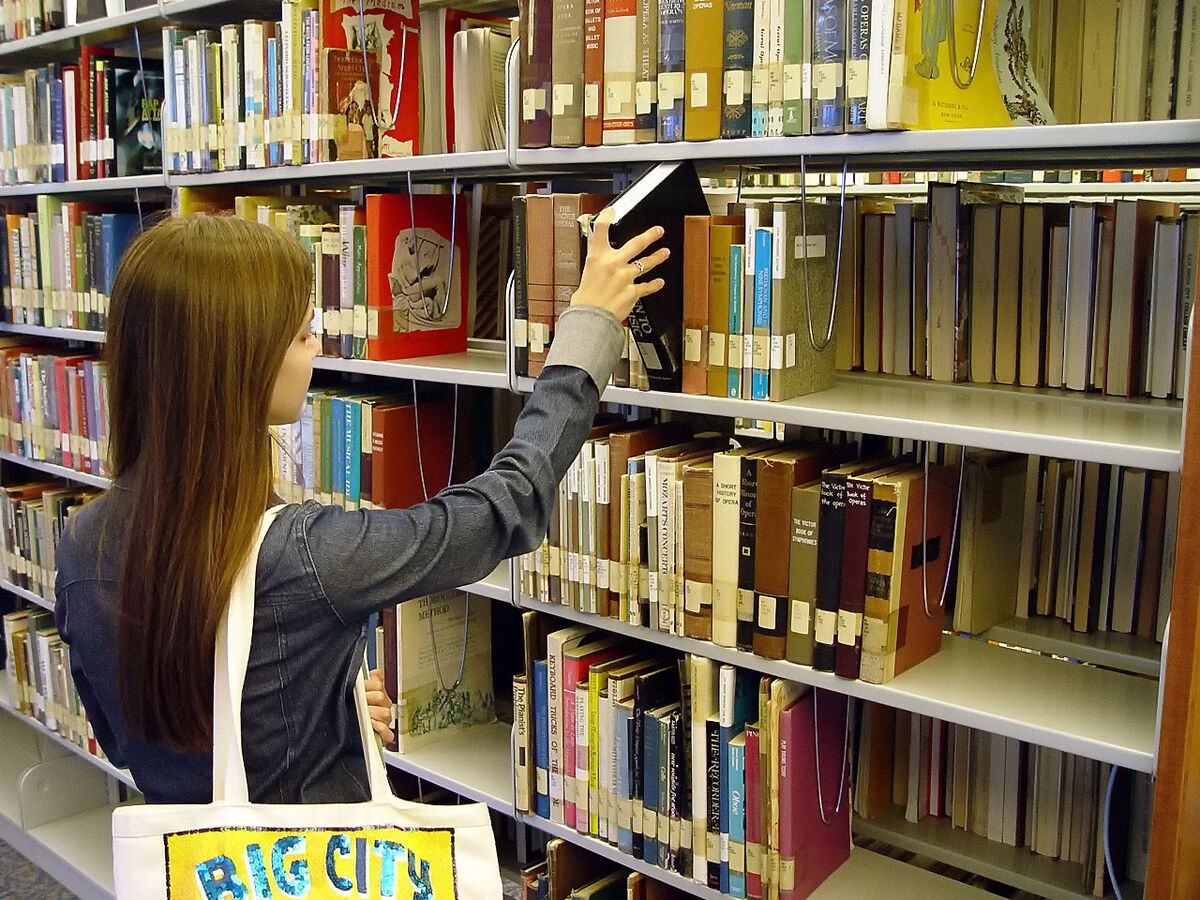
- Pick a Reader: There are fantastic free and paid options available, such as Feedly, Inoreader, or open-source solutions like FreshRSS.
- Find the Feeds: Most websites still have an RSS feed, even if they don't advertise it loudly. Just look for the classic orange RSS icon or type the website URL into your reader's search bar; it will usually find the feed automatically.
- Curate Ruthlessly: Only subscribe to sources that genuinely add value to your life. If a site posts too frequently and clutters your feed, unsubscribe. You are the algorithm now.
Is Leaving Algorithms for RSS Worth It?
I think it is. In an era where tech giants spend billions developing AI to keep our eyes glued to their platforms, choosing to use RSS is an act of rebellion. It's a conscious decision to reclaim your attention and take ownership of your digital environment.
With RSS, a smartphone no longer has to be a slot machine; it can be a quiet, personal library. If you're tired of being manipulated by the feed, I can't recommend this switch enough. Let the algorithms have the masses; the quiet web is so much better.