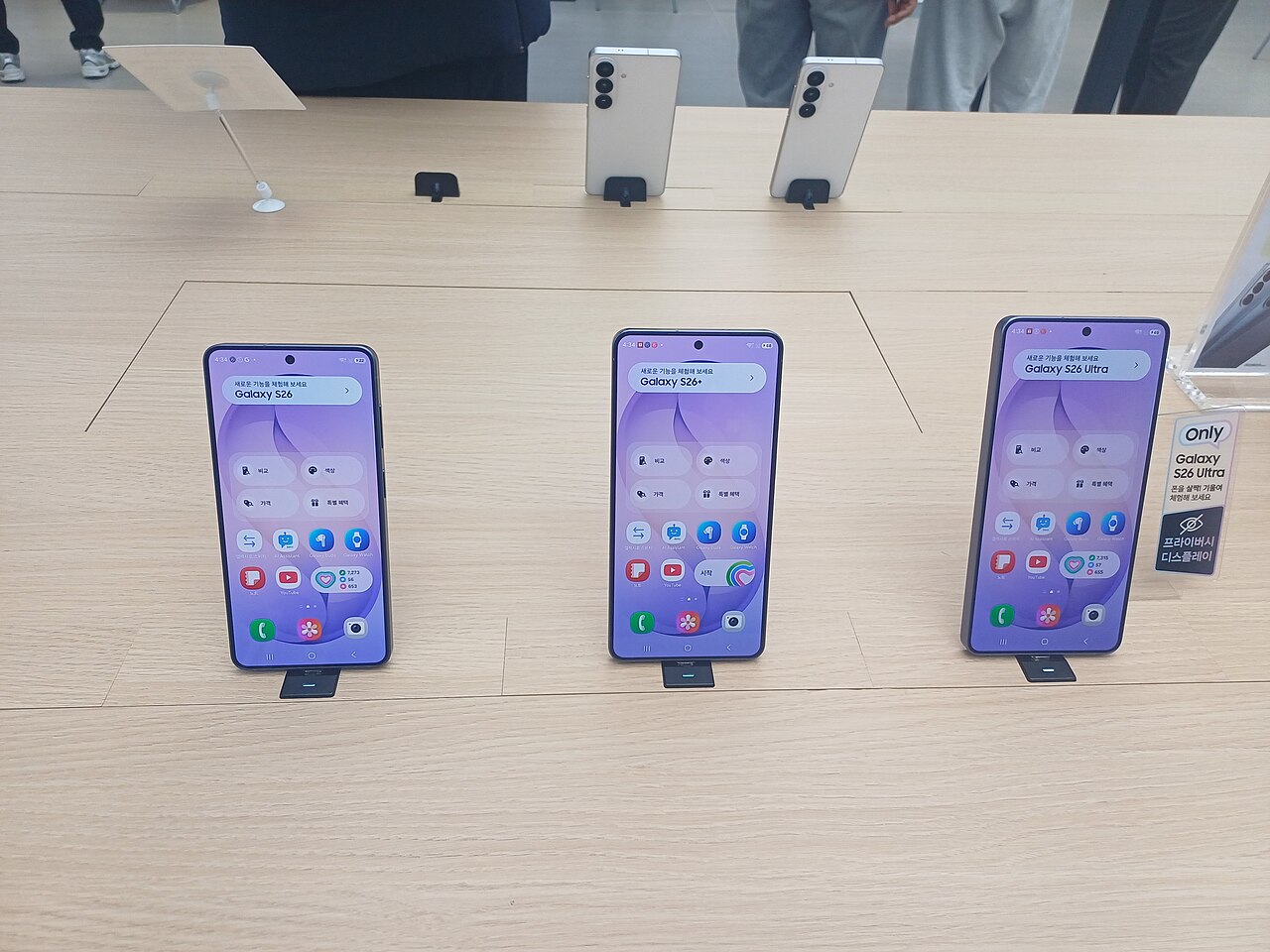
Quitting YouTube Shorts, Reels, and TikTok for 30 Days: What Can Change in Your Brain
- Lifestyle, Health
- Exienent
- · Updated
Quitting short-form video—YouTube Shorts, Instagram Reels, and TikTok—for 30 days can be uncomfortable at first, with restlessness and a strong urge to swipe, but the empty time it frees up can be refilled with slower activities. Over the month, the urge may fade, and some people may find it easier to stay focused or to wind down at night. Results vary from person to person, and this is not medical advice.
Why Consider a Short-Form Detox?
A short-form detox is worth considering when "just 5 minutes" of Shorts in bed keeps turning into a lost evening. Time seems to disappear, your eyes get dry, and you can't remember what you just watched.
The swiping can creep into every gap in the day: the subway commute, the restroom, even meals. A warning sign is struggling to finish a single page of a book without reaching for your phone. That pattern is sometimes described as a 'popcorn brain'—a brain that only responds to large, intense stimuli, like popcorn popping.
A 30-day break from YouTube Shorts, Instagram Reels, and TikTok is a simple way to test how much of that pull is habit. Here is what each stage of the month can look like, from deleting the apps and handling withdrawal to the changes that may follow.
What Happens in the First Week?
The first week can bring withdrawal-like restlessness, even though the setup is simple. Delete the TikTok app, check Instagram only on a PC, and pause your watch history in the YouTube app settings so the home screen stays blank. The real challenge starts after that.
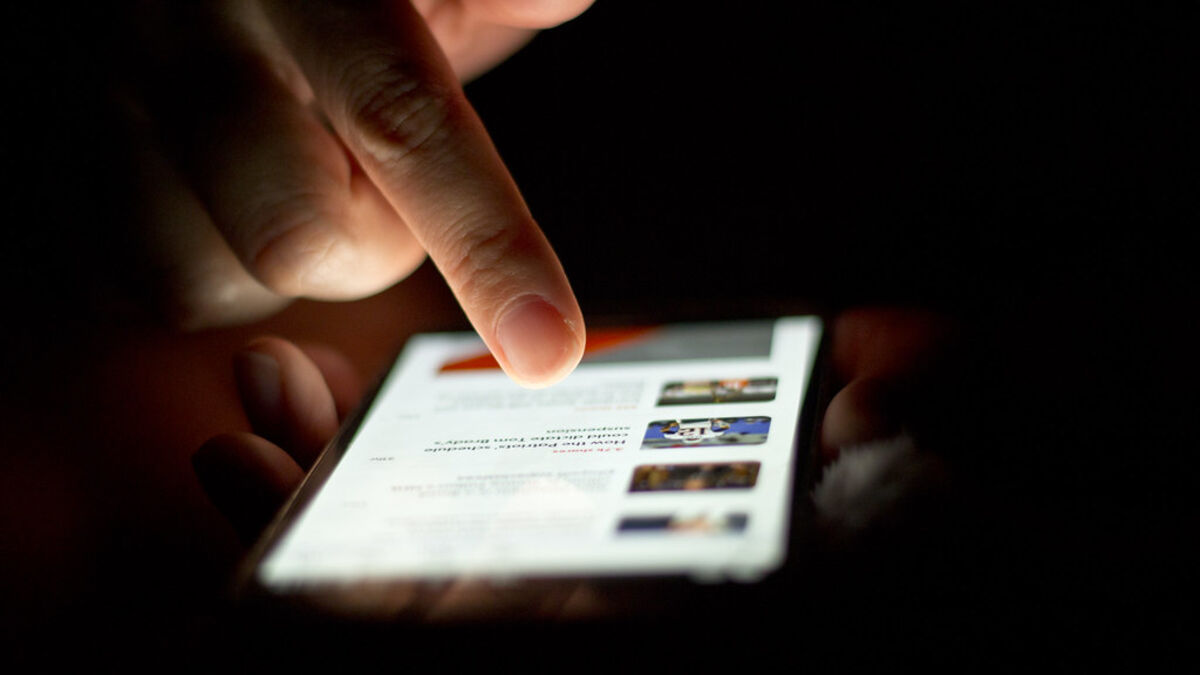
The first few days can feel very hard. Short 'voids'—lying on the couch after work or a trip to the restroom—can be difficult to sit through. You may catch yourself making the swiping-up motion in the air with your thumb without realizing it, a habit you could call the 'phantom thumb.'
It can feel like your brain is craving intense, fast stimulation, and the fear of missing out on something fun (FOMO) may be strong. Long-text news or slow-paced documentaries can feel too boring at first, because the screen doesn't change every few seconds.
How Can You Fill the Empty Time?
The empty time is easier to handle when you fill it with other, higher-quality stimuli rather than simply enduring it.
On a commute, audiobooks or podcasts can replace short-form videos. Closing your eyes and focusing on sound may also give your eyes a rest after a day of staring at a monitor. A rule of leaving the phone on your desk when going to the restroom can help too. Those few minutes may feel boring at first, but they can become a rare moment in the day to let your mind wander and zone out.
Weekends can change as well. Morning hours that would otherwise go to scrolling in bed can be spent reading at a local cafe or catching up on chores, and the day may start to feel longer.
What Can Change by Weeks 3 and 4?
By the third and fourth weeks, the urge to watch short-form videos may fade considerably, and changes can start to show up in daily life and work.
One possible change is attention span. Instead of reflexively checking your phone whenever work gets slightly stuck, you may find it easier to push past the hurdle and stay with one task for longer. Reading a thick book in longer sittings can also become easier.
Another is emotional steadiness. Short-form algorithms keep serving content that pulls your emotions in different directions—extreme humor, rage-inducing clips, provocative news. Cutting it out may reduce those swings, and some people may find it easier to fall asleep. If sleep or mood problems persist, talk to a healthcare professional rather than relying on a detox alone.
Is Short-Form Content Bad After 30 Days?
Short-form content is not inherently bad, and after 30 days the goal is control, not permanent avoidance. There is plenty of useful information in short videos, and they can bring quick enjoyment. The problem is losing control and spending time exactly as the algorithm spoon-feeds it, without noticing how the habit has taken hold.
Even right now, do you feel like swiping away to find another short, stimulating video before finishing this article? If so, try deleting your short-form apps tonight, just for one day before you sleep. Your thumb might feel a bit bored at first, but you may find some of your lost time and focus coming back.