What Is My Real Age? Inside the Biological Age Reversal Trend
- Health, Technology, Lifestyle
- Exienent
- · Updated
Biological age is an estimate of how old your cells and DNA actually are, as opposed to the chronological age printed on your ID. In 2026 it can be measured with an at-home epigenetic test kit, and the results have fueled an Age Reversal trend in which people try to turn back their body's internal clock with supplements, sleep optimization, and temperature therapy. The number can be a strong motivator, but it works best as a prompt for healthier habits rather than a verdict.
What Is Biological Age, and Why Does It Matter?
Biological age reflects how old your cells and DNA actually are, while 'chronological age' is simply calculated from your birth year on your ID card. Someone who notices that waking up isn't as easy as it used to be, or that their energy has dropped, might wonder whether they are just getting older or whether their body is aging faster than the calendar says. That question sits behind a term that has been constantly popping up in health communities lately: Biological Age.
Here in 2026, people are no longer just focused on living longer; they are obsessed with Age Reversal—turning back their body's internal clock.
How Can You Find Your DNA Age with a Drop of Saliva?
You can find it with an At-home Epigenetic Test kit delivered to your doorstep. Just a few years ago, getting an accurate picture of your internal health meant going to a hospital, drawing vials of blood, and undergoing complex checkups. The pace of technological advancement has changed that remarkably fast.
You simply spit into a small tube or swab the inside of your cheek, mail it back, and wait. A few weeks later, a smartphone app delivers a shocking (or pleasantly surprising) result.
- DNA Methylation Analysis: This analyzes which switches on your genes have been turned on or off to precisely measure cellular aging.
- While there are other methods like gut microbiome testing or telomere length measurement, the epigenetic clock is currently recognized as the most accurate indicator.
A result that comes back noticeably older than your chronological age can be a real jolt, and for some people it may be the push they need to drop habits like late-night snacking.
Why Are People Viewing Aging as a Disease?
The explosion of this trend is fueled by a shift in perspective: seeing aging not as a natural, inevitable process, but as a Treatable Disease. As the research of prominent scientists like Dr. David Sinclair has become popularized, the resignation of "getting old is unavoidable" has been replaced by the hope that "we can get younger if we manage it."
So, what do people do once they measure their biological age? Some dive headfirst into hardcore Biohacking.
1. Hyper-Personalized Nutrition and Supplements
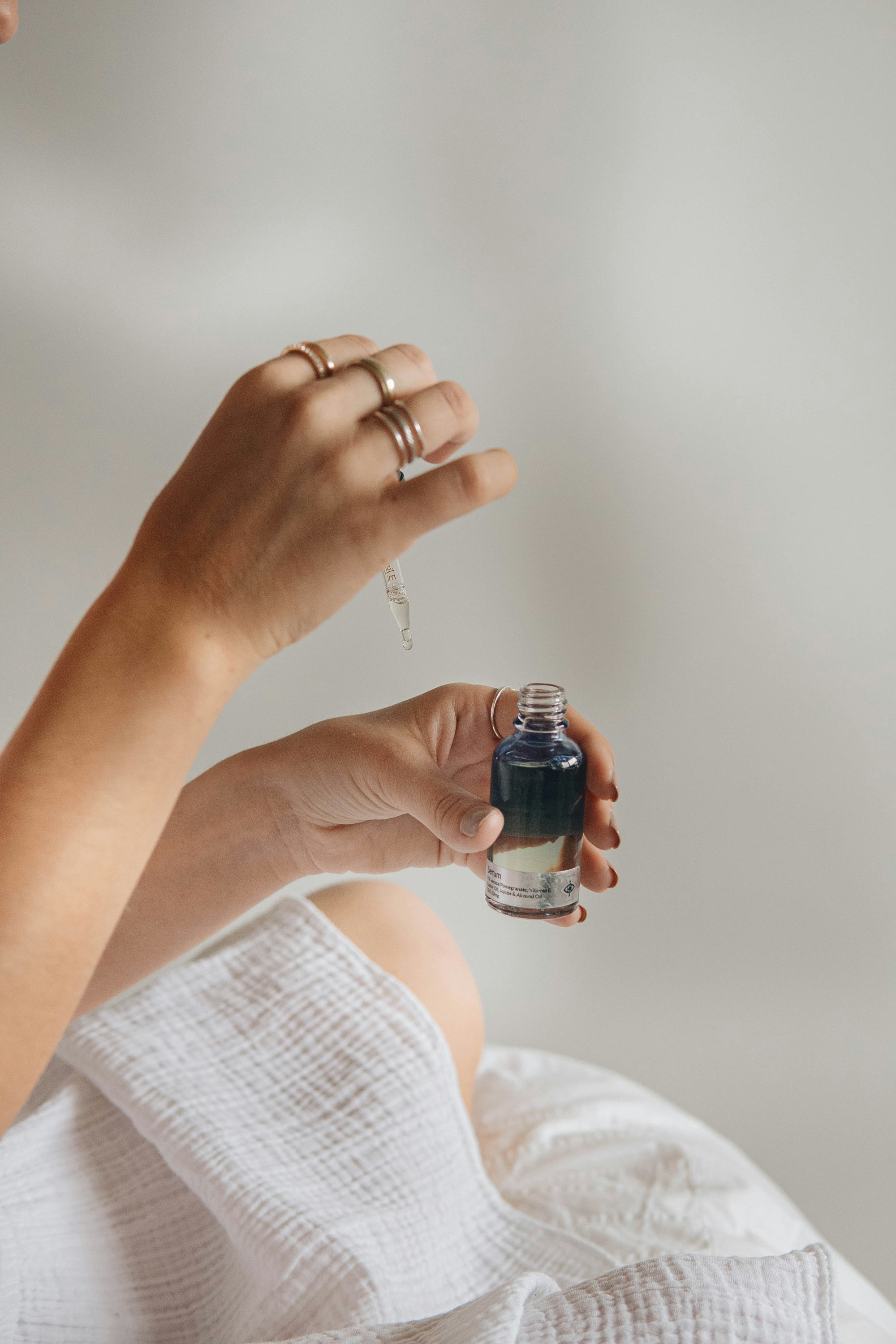
The days of taking a single generic multivitamin are over for this crowd. Based on their DNA results and blood data, people are consuming Longevity supplements like NMN, Resveratrol, and Fisetin, calculating their intake down to the milligram. Some apps even recommend different supplement stacks each morning based on your sleep score and stress levels from the previous night.
2. Extreme Sleep and Stress Management
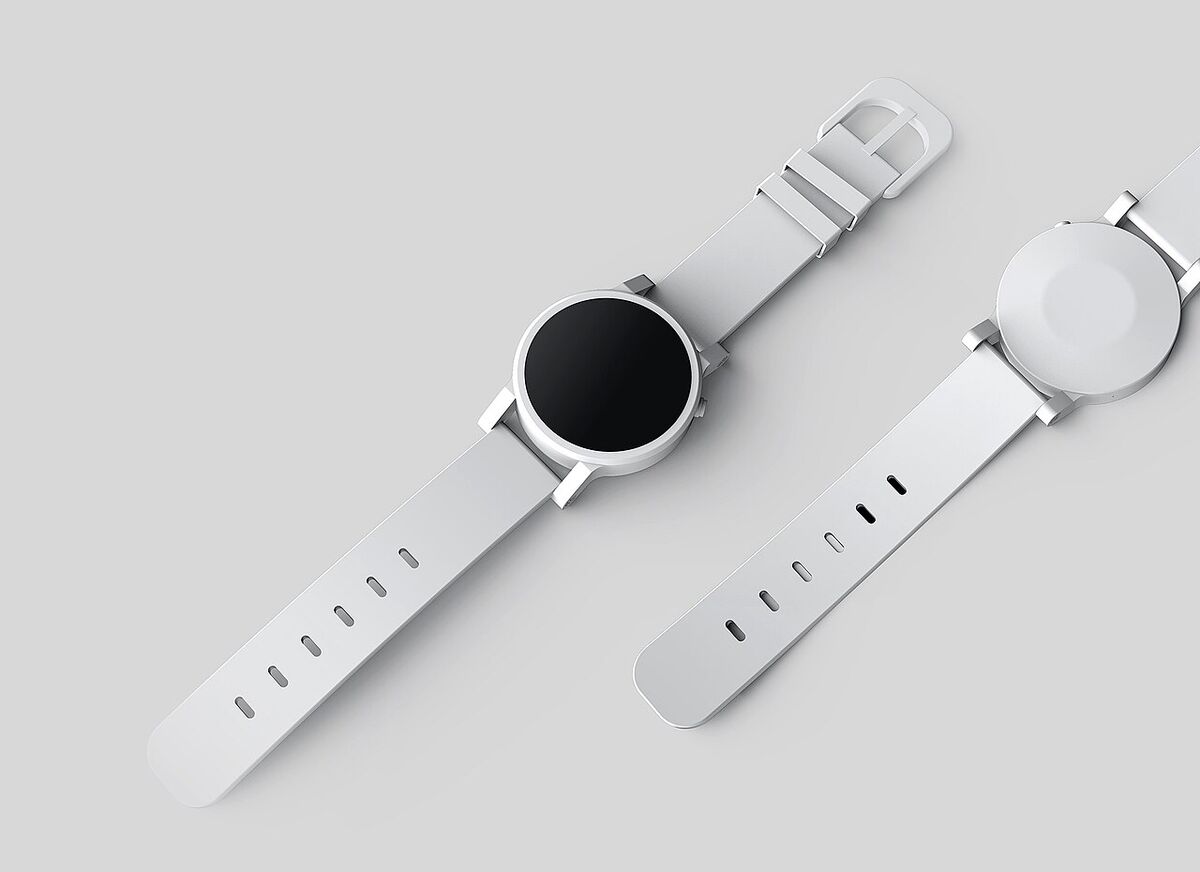
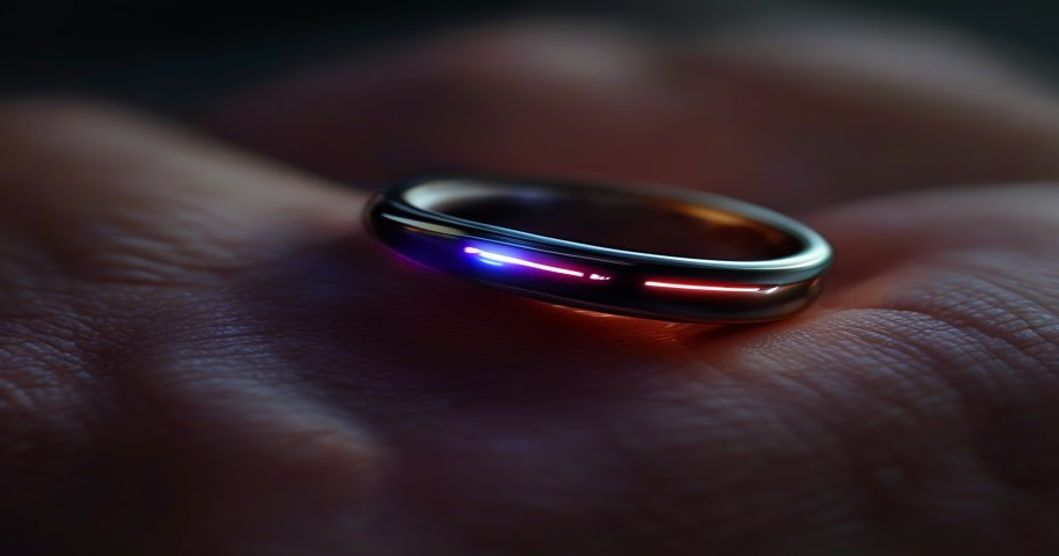
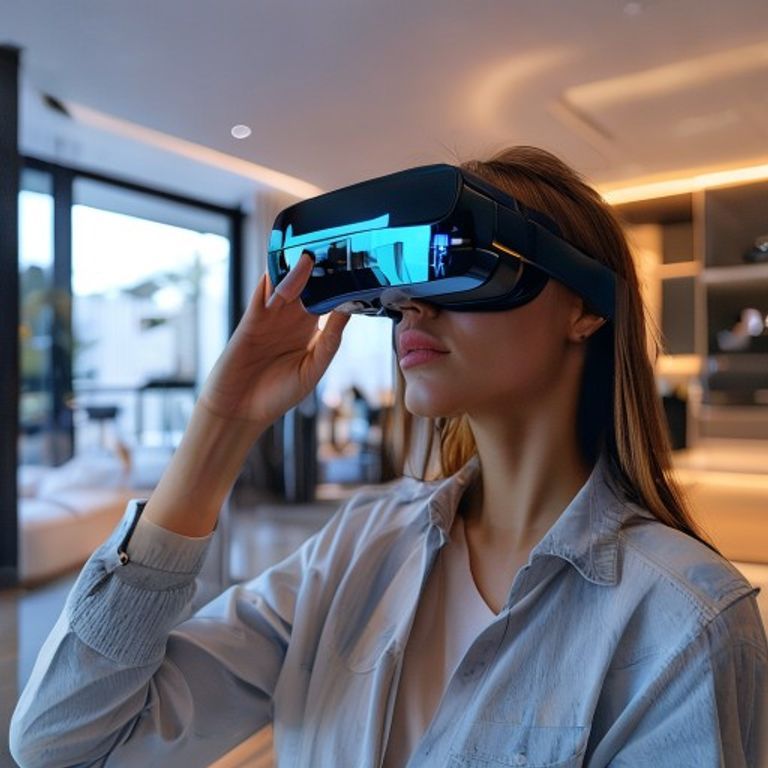
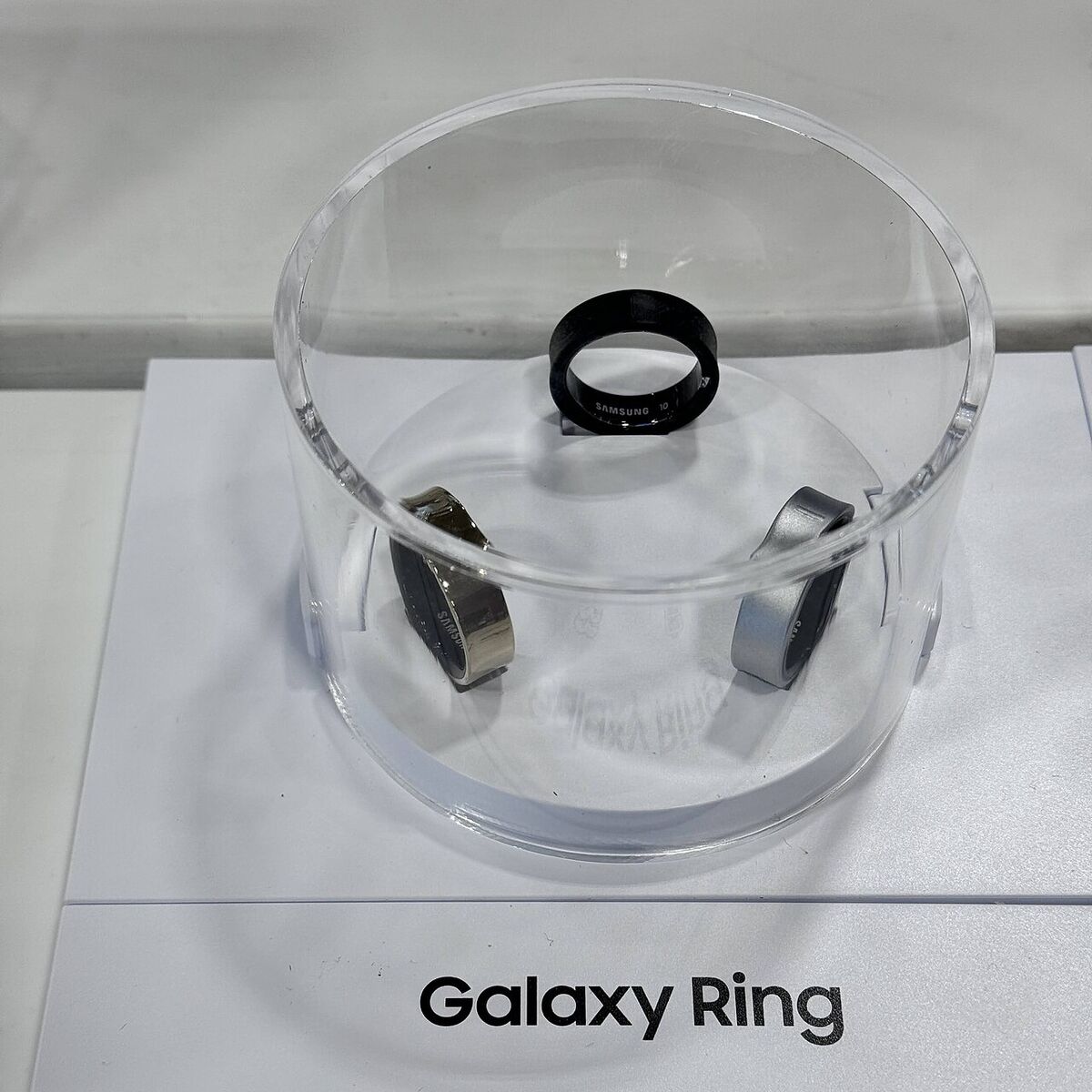
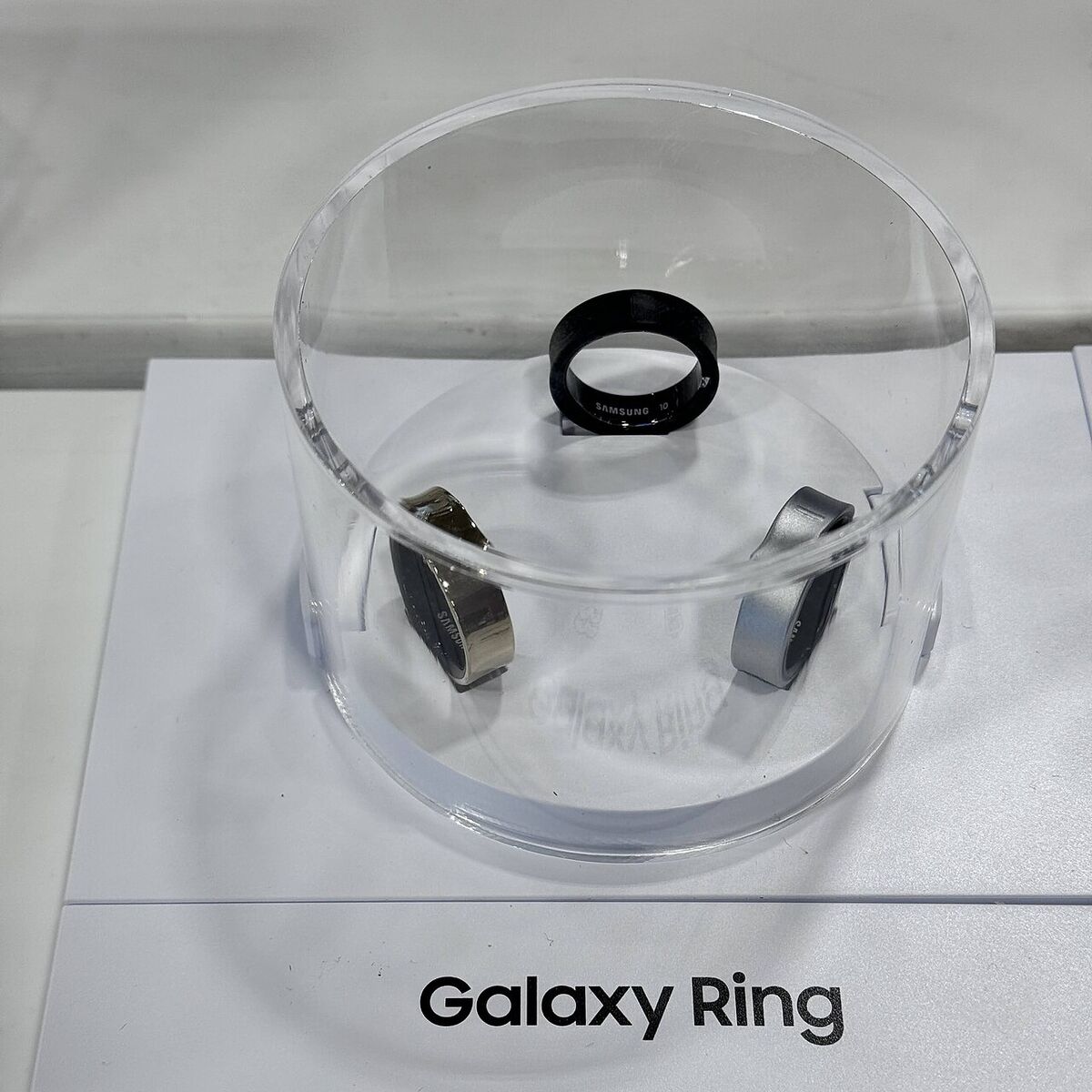
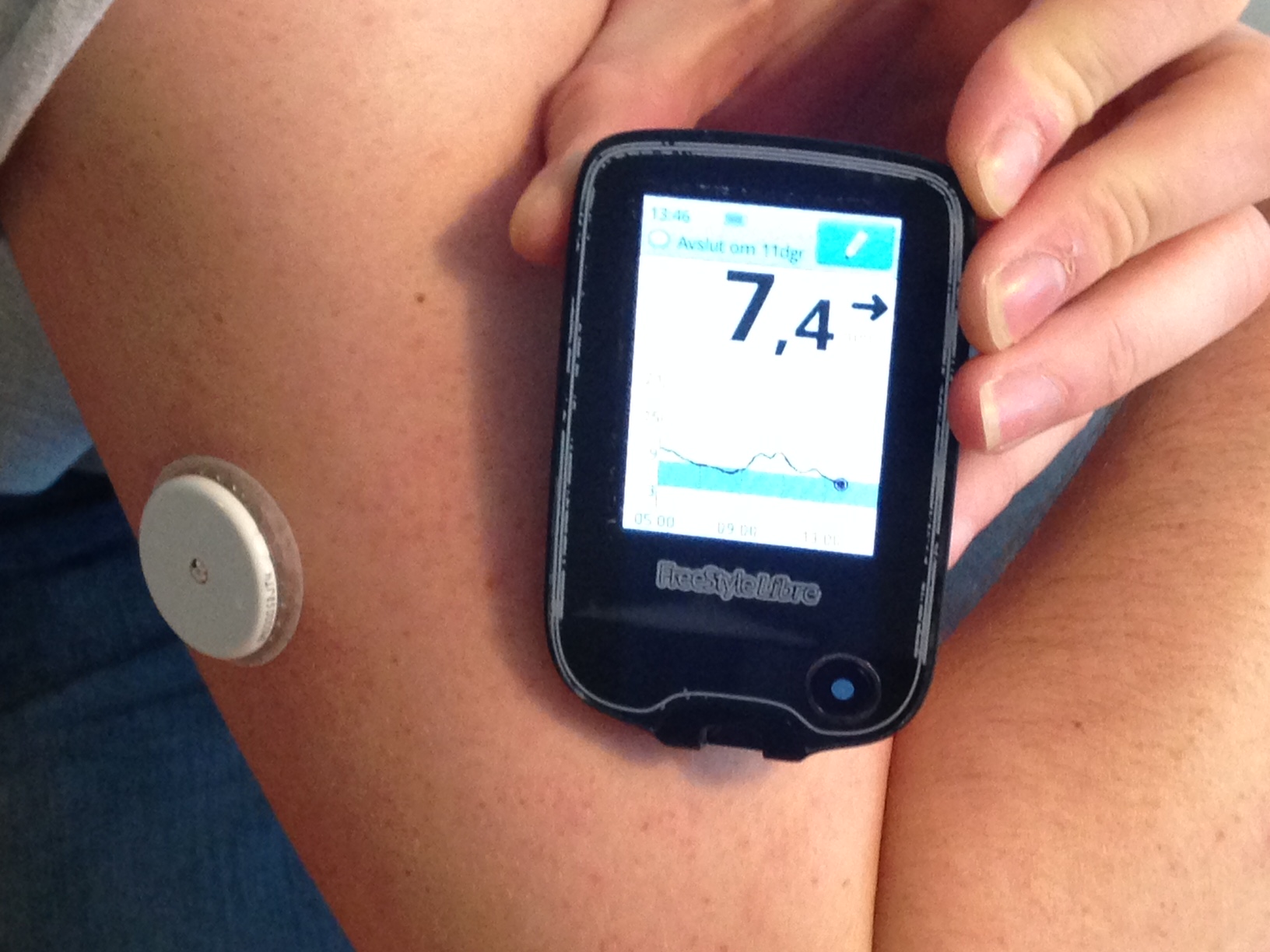
No matter how well you eat, poor sleep undermines it. Some people now put an obsessive amount of effort into increasing their Deep Sleep duration, controlling everything from the temperature of their smart mattresses to the CO2 concentration in their bedrooms. Wearable devices like smart rings and smartwatches are no longer just timepieces; they act as round-the-clock monitors of every heartbeat.
3. Extreme Temperature Shock Therapy
You've probably seen videos on social media of people stepping out of a steaming sauna and immediately submerging themselves in a tub full of ice water (a Cold Plunge). Because studies suggest this rapid temperature change may induce beneficial stress that awakens the body's cellular healing abilities, an increasing number of people are installing dedicated ice baths right on their apartment balconies.
Can Obsessing Over Your Biological Age Backfire?
Yes, fixating on the numbers can create stress of its own. Watching this trend unfold, I'm seriously considering taking a test myself, but I also worry about becoming too absorbed in the score. If you let your mood be dictated by the 'health score' an app gives you every morning, the very pursuit of health might ironically end up causing mental anxiety.
Nevertheless, biological age measurement technology provides incredible motivation. A vague resolution like "I should take better care of my health" can turn into concrete action: "My biological age is three years older than my actual age? I'm hitting the gym today!" Before starting supplements or extreme routines, it is worth checking with a doctor.
Ultimately, the goal isn't just about shrinking a number on a screen; it's about enjoying more days filled with vitality. If you get the chance, try finding out your body's true age. That number might just be the turning point that changes your lifestyle.