Beanless Coffee: The Future of Sustainable Caffeine?
- Environment, Lifestyle
- Exienent
- · Updated
Beanless coffee is a bean-free alternative that recreates coffee's flavor from upcycled ingredients like date seeds and chicory, using up to 90% less water and generating over 80% fewer carbon emissions than traditional coffee. It can pass for a standard drip coffee, especially with milk, but it lacks the complexity of specialty beans, so it works best as an everyday cup rather than a replacement for a carefully brewed single-origin.
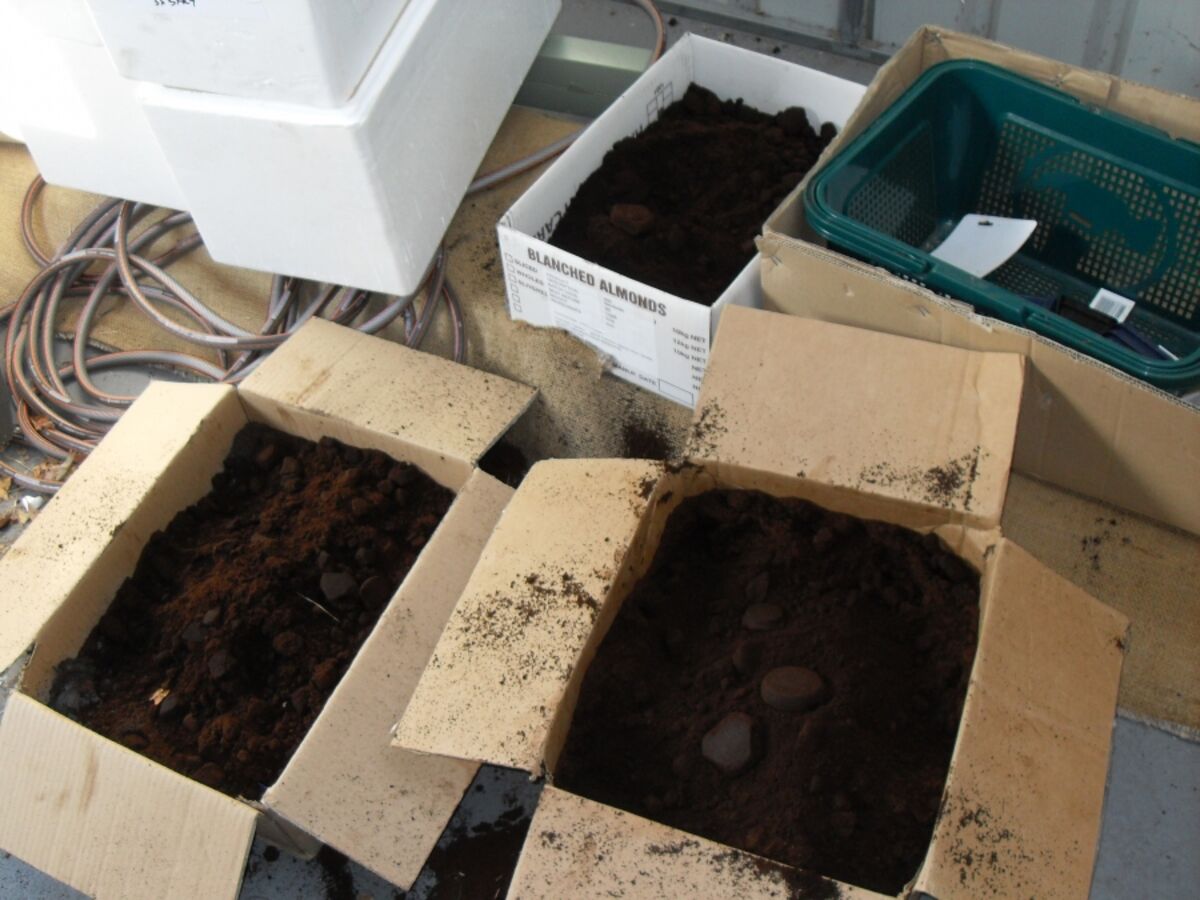
The interest comes from a real problem. Climate change is threatening major coffee-growing regions, and deforestation is accelerating to clear land for new farms, turning the daily cup of joe into an environmental heavy hitter. That has fueled a boom in heavily funded food-tech startups promising coffee without the bean. The question is whether it can actually replace the real thing, or whether it is just overpriced, caffeinated dirt.
What Exactly Is Beanless Coffee?
Beanless coffee is coffee flavor reverse-engineered from ingredients other than coffee beans. It sounds like science fiction, but the concept is surprisingly grounded.
Instead of growing a coffee plant for years, harvesting the cherries, extracting the seeds (beans), shipping them across the globe, and roasting them, food scientists rebuild the flavor profile of coffee using upcycled ingredients.
The core ingredients typically include:
- Roasted agricultural byproducts: Things like date seeds, chicory, ramón seeds, or even upcycled sunflower seed shells.
- Caffeine extraction: Usually derived from green tea or synthesized.
- Flavor compounds: Fermentation techniques and natural flavors are used to mimic the complex acidity and bitterness of real coffee.
The goal isn't just to make a coffee substitute (like those old-school dandelion root teas), but to create a molecular match that looks, smells, and tastes exactly like a medium roast Arabica, while using a fraction of the water and producing significantly fewer carbon emissions.
Does Beanless Coffee Taste Like Real Coffee?
It can come surprisingly close to ordinary drip coffee. The aroma can be rich, nutty, and slightly chocolatey, leaning more toward a dark roast than a light, fruity Ethiopian bean, but recognizably coffee.
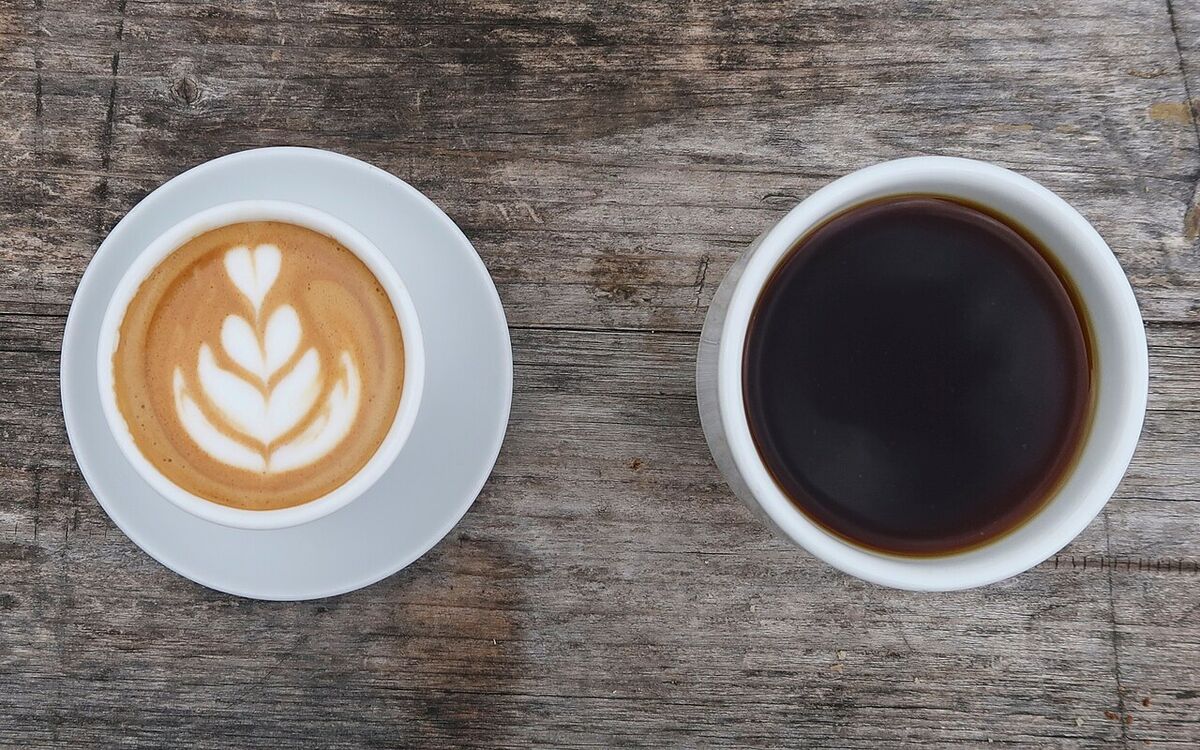
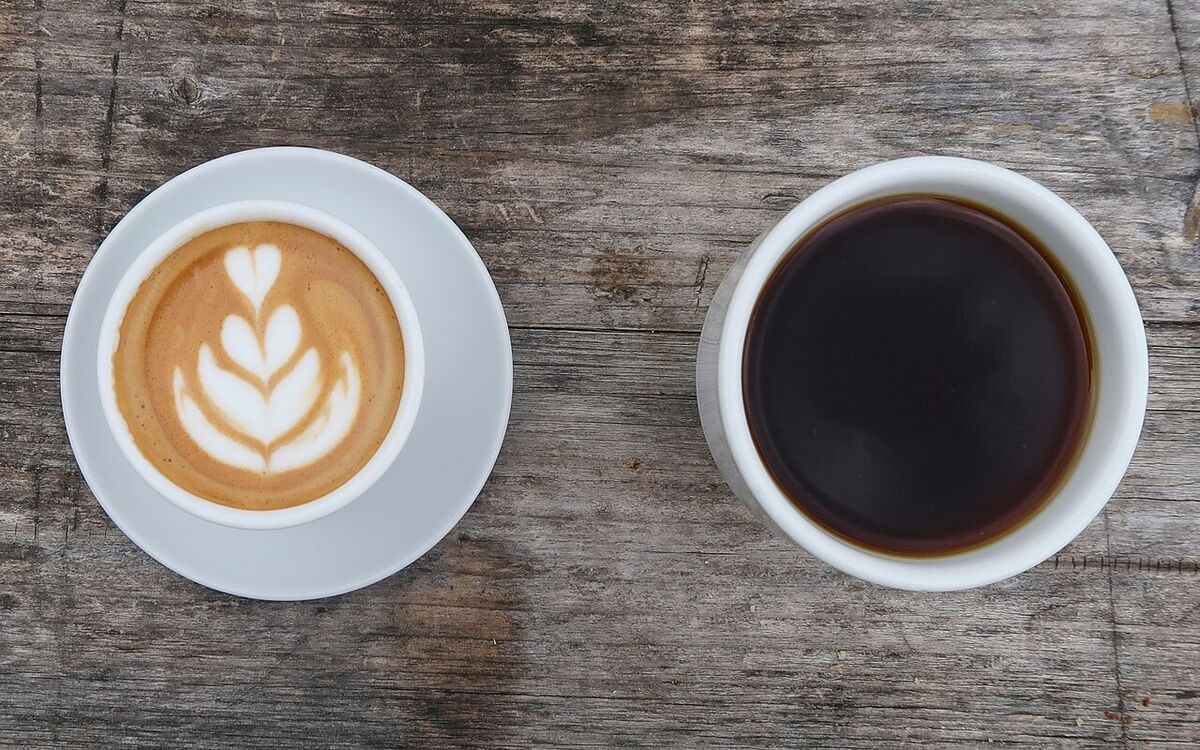
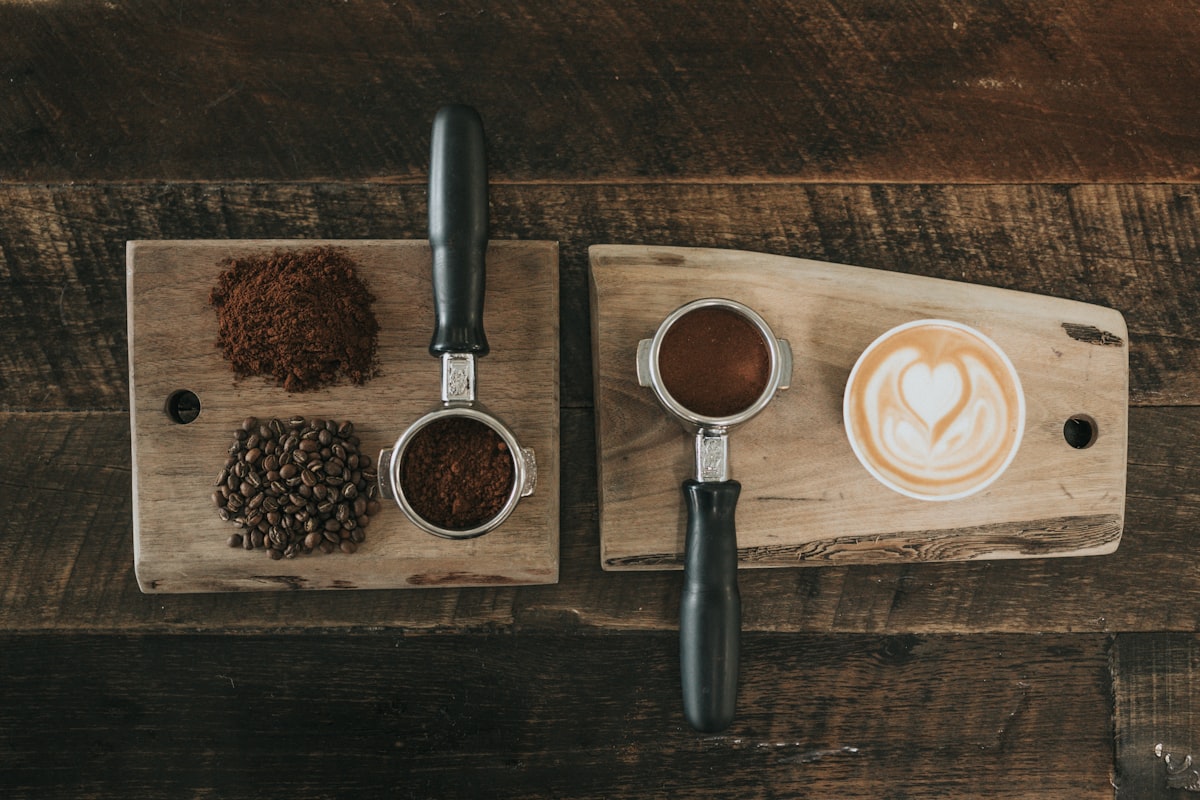
Brewed as a pour-over, the grounds can behave much like real coffee, blooming slightly when hot water hits them, though the crust may not form quite as thickly. In the cup, it can deliver the expected bitterness, a decent mouthfeel, and a smooth finish, similar to a standard, diner-style drip coffee.
What it may lack is the bright, acidic fruitiness and floral notes of high-end specialty beans, so it can taste "flat" next to a complex single-origin pour-over. Mixed with a splash of oat milk, though, the difference from a regular latte can be hard to spot.
What Are the Benefits of Beanless Coffee?
The biggest benefits are environmental impact, potentially gentler acidity, and price stability, which help explain why investors are pouring millions into this sector.
1. The Environmental Impact is Staggering Traditional coffee is notoriously thirsty and land-intensive. Beanless alternatives use up to 90% less water and generate over 80% fewer carbon emissions. Plus, because they often use upcycled ingredients (like date seeds that would otherwise be thrown away), it's a win for reducing food waste.
2. Possibly Gentler Acidity Some beanless blends may be lower in acidity than highly acidic coffees, which could feel gentler on the stomach for some drinkers. The caffeine hit may also feel smoother than a sharp espresso. Effects vary from person to person, so anyone with ongoing heartburn or reflux should talk to a doctor rather than rely on a coffee swap.
3. Price Stability With climate change causing unpredictable weather patterns, traditional coffee prices are becoming highly volatile. Because beanless coffee relies on abundant, easily sourced ingredients, its price is much more stable, making it a reliable daily staple.
What Are the Drawbacks of Beanless Coffee?
It's not all perfect. There are a few hurdles this industry needs to overcome before it can take over the kitchen.
1. The Missing Complexity The flavor profile is good, but not great. It lacks the nuanced terroir that makes drinking coffee such an adventure. Right now, beanless coffee is aiming for the middle-of-the-road "standard coffee" flavor to appeal to the masses.
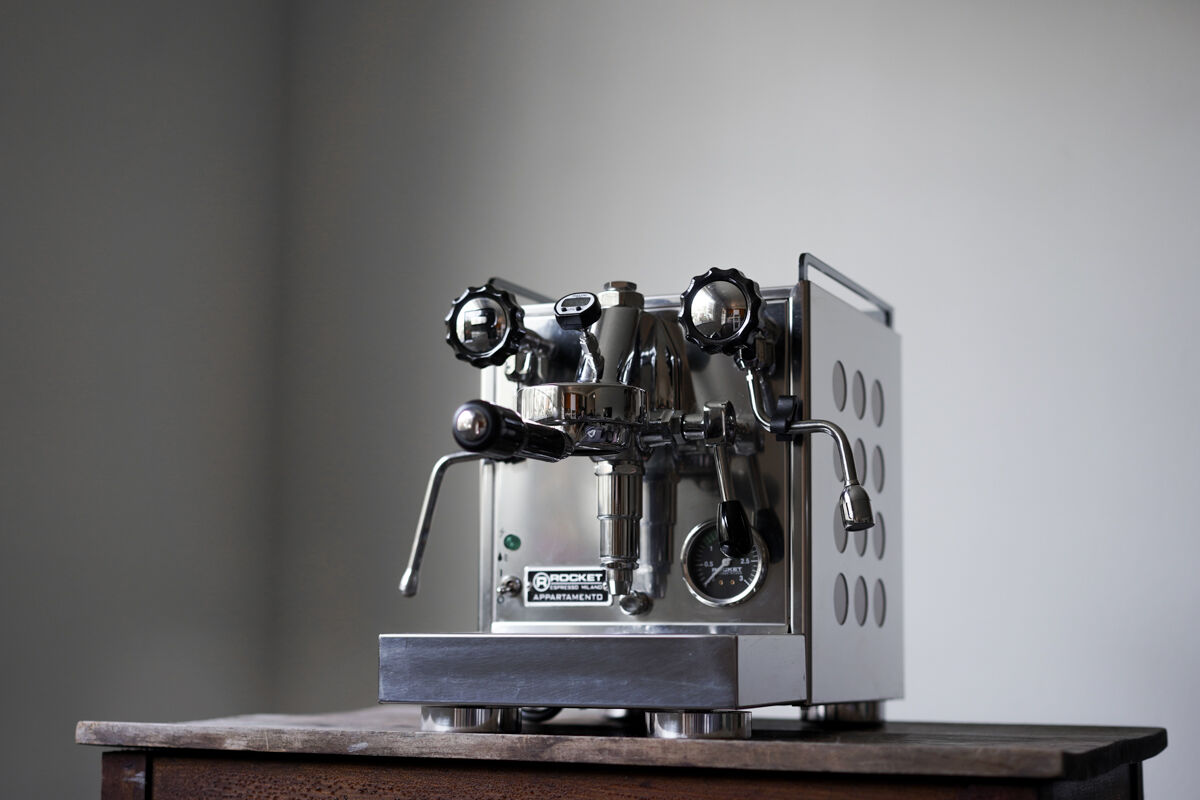
2. The Brewing Experience While it can work fine as a pour-over, it may not perform perfectly in an espresso machine. The "grounds" may not tamp down in the same way, which can lead to channeling and a less impressive crema. It is likely to shine best as a drip or French press brew.
3. The Emotional Factor There's an undeniable romance to real coffee—the story of the farmers, the origin of the beans, the centuries of tradition. Replacing that with a lab-formulated powder, no matter how sustainable, feels a bit clinical.
Is Beanless Coffee Worth Switching To?
For everyday drinking, it can be. Beanless coffee shows that we don't need to rely solely on fragile, climate-threatened crops for our daily caffeine fix. I think it is a brilliant, necessary innovation.
A hybrid approach makes sense. For a quick, utilitarian morning cup before work—the kind usually drowned in milk anyway—the beanless alternative is a sensible way to cut your daily carbon footprint.
For slow weekend mornings, when you want to truly savor the ritual and complexity of a perfect pour-over, a bag of high-quality, ethically sourced Arabica still has the edge. Beanless coffee might not replace the art of specialty coffee just yet, but it’s more than ready to replace the everyday habit. And for the sake of the planet, that’s a massive step in the right direction.