Can a 360 Action Cam Replace Your Phone Camera? An Everyday Review
- Technology, Review, Lifestyle
- Exienent
- · Updated
Can a 360 action camera replace your phone camera for everyday life? For capturing experiences, it can: because it records everything around you, you stop framing shots in the moment and choose the angle later in software. It won't replace your phone for documents, quick reference shots, or dim scenes, and the editing step takes real time.
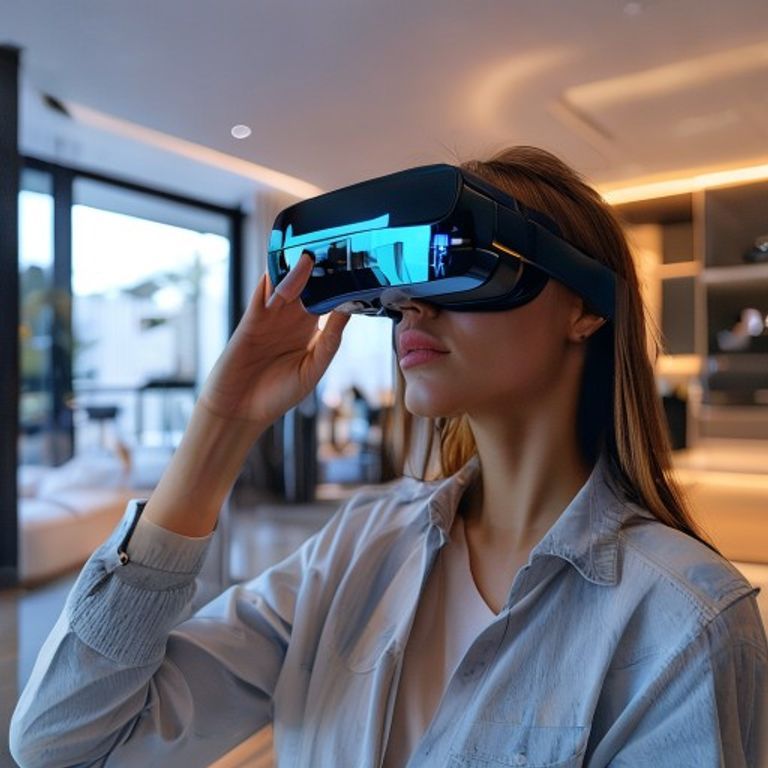
We've all been there. You're at a beautiful location, or witnessing a hilarious moment with your friends, and you immediately whip out your smartphone. You squint at the screen, adjust the framing, tap to focus, and by the time you've captured the "perfect" shot, the actual moment has passed. You experienced it through a 6-inch pane of glass.
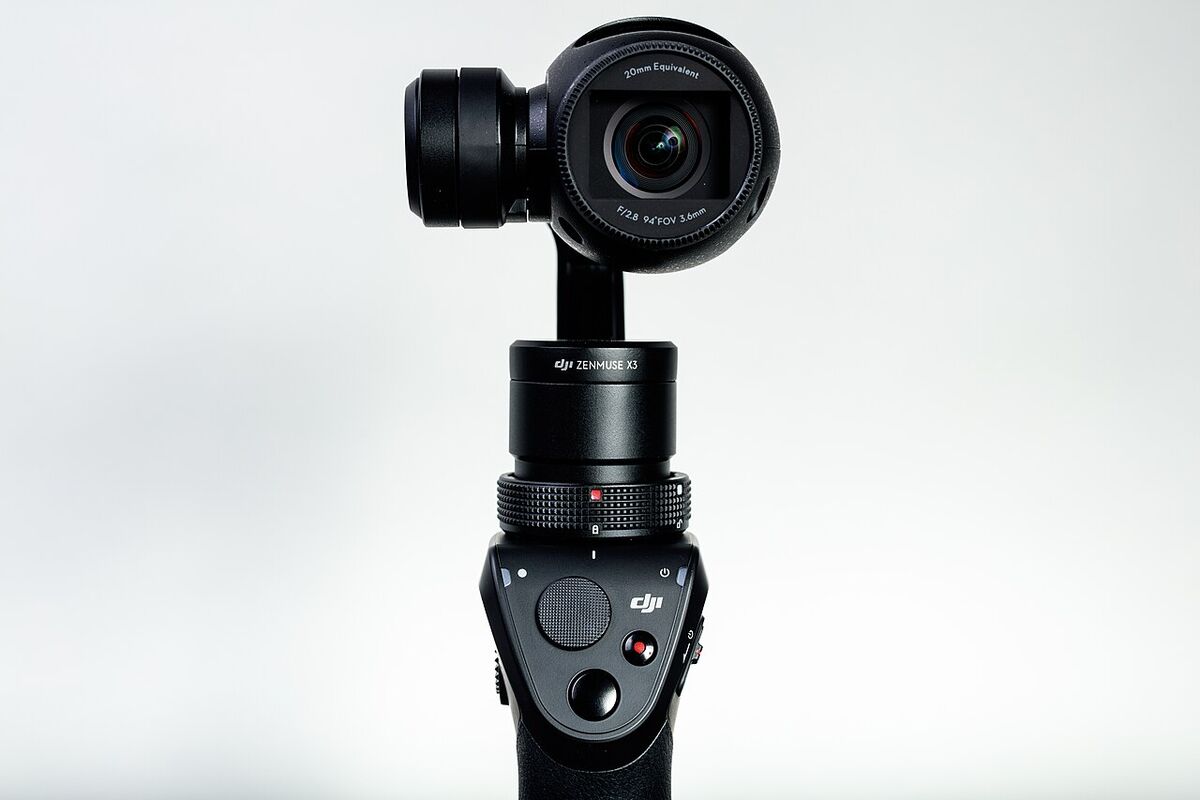
Swapping the phone for a weird-looking stick with two bulging lenses is a drastic change for anyone tired of playing amateur cinematographer on vacation and in daily life. Here is how it can change your relationship with capturing memories.
Do You Need to Aim a 360 Camera?
No — you simply do not need to aim a 360 camera, and that is its biggest paradigm shift. This sounds trivial, but it can fundamentally rewire how you exist in the world.
When you use a smartphone or a traditional action camera, your brain is constantly calculating the frame. Are they in the shot? Is the background cut off? Is it level?
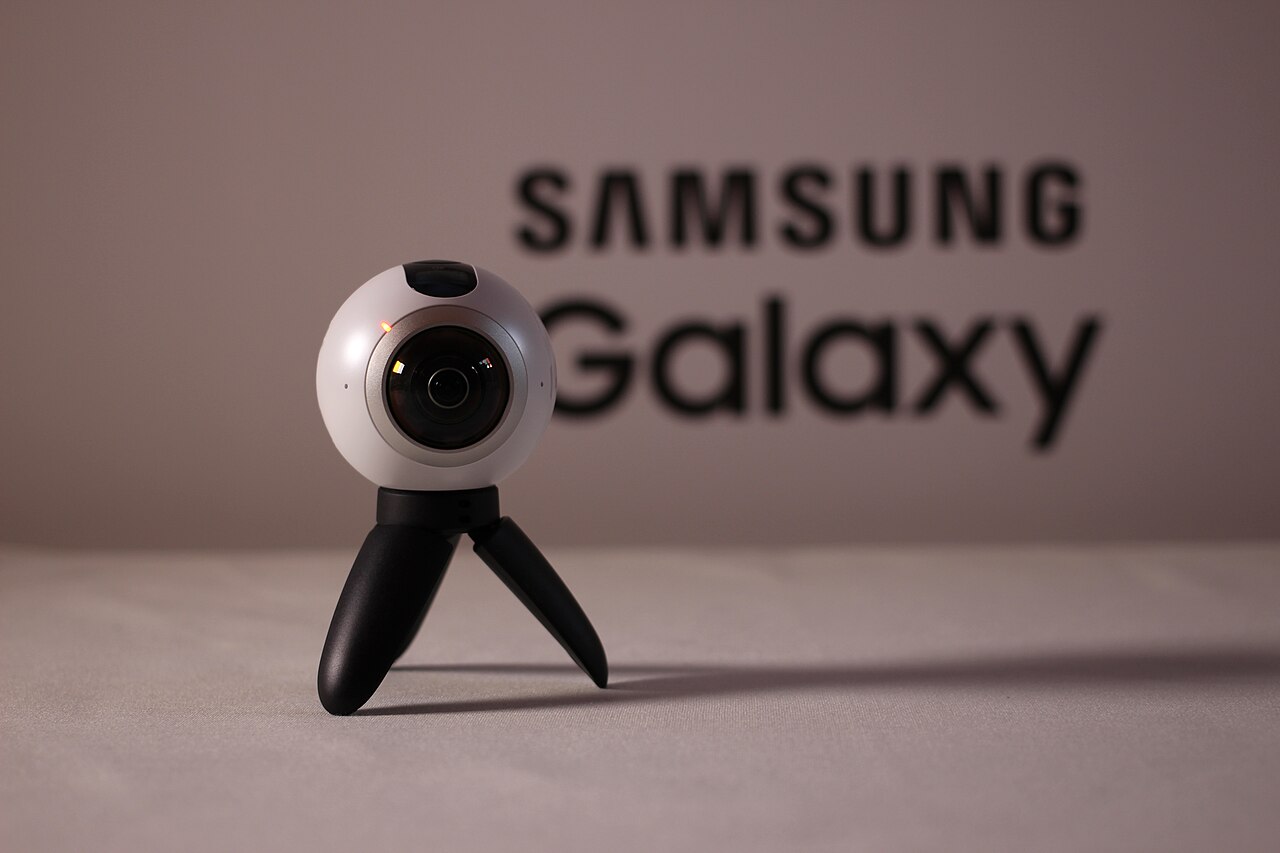
With a 360 camera, because it uses dual fisheye lenses to record everything in a complete sphere around you simultaneously, framing happens after the fact.
- Total immersion in the moment: You can actually look at the sunset, or look directly into the eyes of the person you're talking to, instead of glancing nervously at a screen to check the recording. Just hold the camera up and let it run.
- No missed moments: You never miss a reaction. If you're recording a scenic view in front of you, the camera is simultaneously capturing the look of awe on your own face behind it.
What Is Reframing in 360 Video?
Reframing is the process of taking spherical 360 footage and exporting it as a standard, flat video that looks like it was shot on a regular camera. A raw 360-degree video looks like a warped, spherical mess, so the real magic of the 2026 generation of these cameras happens in the software.
- The AI Director: The mobile apps that accompany these cameras have gotten astonishingly good. You can simply let the AI analyze the footage. It will automatically track subjects, find the most interesting angles, and cut together a dynamic video with smooth pans and zooms.
- Infinite camera angles from one take: Because you captured everything, you are essentially your own camera crew. From a single clip of walking down a street, you can export a wide shot of the buildings, a tracking shot of a passing car, and a close-up of your own reaction. It feels like cheating.
What Are the Downsides of a 360 Action Camera?
Editing time, fragile lenses, and weak low-light performance. A 360 camera isn't a magical solution for everyone.
- The Workflow is Time-Consuming: While AI helps, if you want full creative control, reframing footage on your phone requires time and effort. It is an extra step that smartphone photography doesn't have. If you just want to point, shoot, and instantly post to social media, a 360 workflow will frustrate you.
- The Lenses are Terrifyingly Fragile: Unlike traditional action cameras where the lens is tucked safely behind a protective flat glass element, 360 camera lenses bulge out prominently. If the camera falls over on a hard surface, the lens is almost guaranteed to scratch. You have to treat it with a level of care that feels contradictory to the phrase "action camera."
- Low Light is Still the Enemy: While daytime footage is stunning, the small sensors struggle significantly as soon as the sun goes down. If you are shooting a dimly lit dinner or a night market, your smartphone will still capture a cleaner, brighter image.
Is a 360 Camera Worth It for Everyday Use?
For capturing experiences, yes. A 360 action camera won't replace a smartphone for taking pictures of documents or quick reference shots. But for experiences, it can take over the role of main camera.
The mental freedom of just holding a stick in the air and trusting that the camera is seeing everything can let you actually participate in your own life again. If you are tired of watching your vacations through your phone screen, I think a 360 camera is well worth a try. It might just ease your digital fatigue.
Have you tried using a 360 camera yet? Let me know in the comments if the editing process scares you off, or if you're ready to ditch the smartphone viewfinder!