What a Feed of Only Virtual Influencers Reveals About the Strange Future of Social Media
- Technology, Business & Marketing
- Exienent
- · Updated
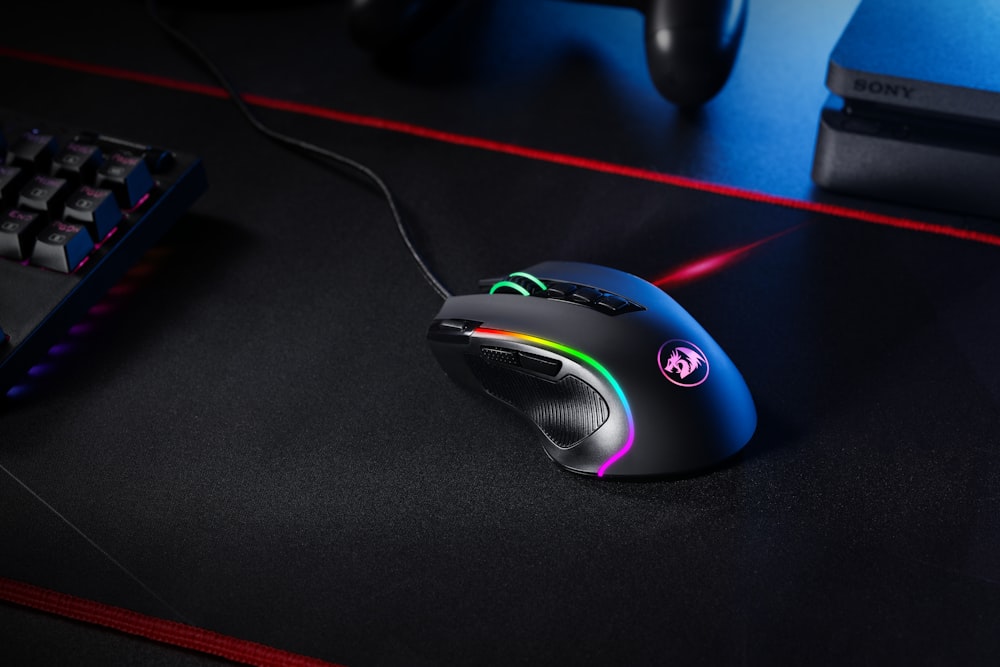
Virtual influencers are AI-generated or CGI personalities that post, sell and interact like human creators, and in 2026 they are no longer a novelty but a core marketing channel. Brands love them because they are fully controllable, never cause scandals and are always available. The catch is on the audience side: a feed made entirely of synthetic people can be beautiful and entertaining, yet it may feel strangely hollow.
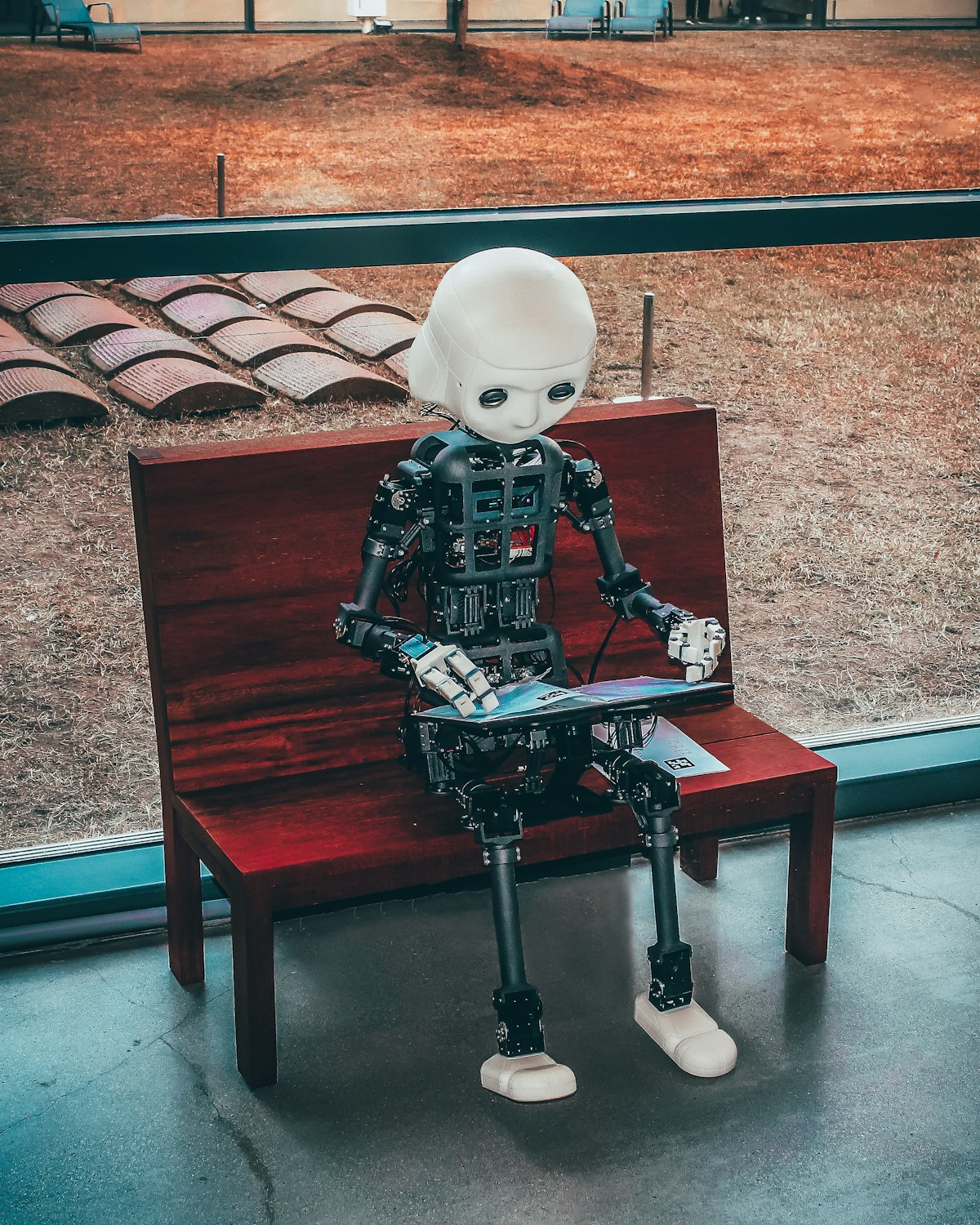
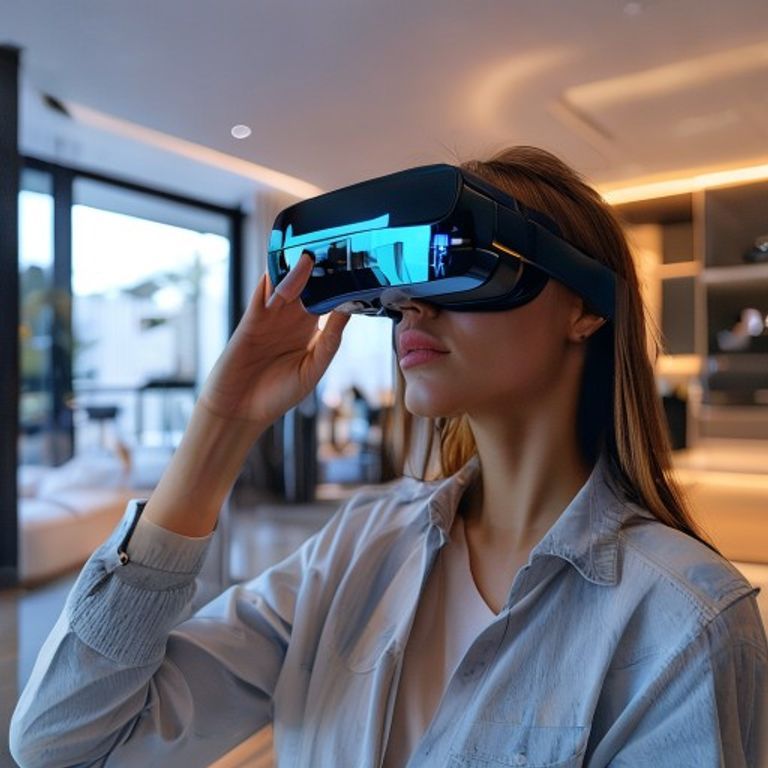
Scroll through Instagram or TikTok today, and there's a good chance you'll stop to admire a stunning outfit or laugh at a quirky travel vlog—only to realize the person doesn't actually exist. From digital fashion models "living" in Paris to CGI gamers streaming on Twitch, an entire feed could now be 100% synthetic.
I've always been fascinated (and slightly terrified) by this trend. Here is a look at the strange, highly lucrative world of virtual influencers, and why major brands are so obsessed with them.
Why Do Brands Prefer Virtual Influencers Over Human Ones?
Brands prefer virtual influencers because they remove almost all of the risk that comes with hiring a human celebrity. Humans get tired, they age, they demand multi-million dollar contracts, and most importantly, humans make mistakes. One bad tweet from a decade ago resurfaces, and an entire marketing campaign is ruined.
Virtual influencers don't have scandals.
- Complete Brand Control: A digital avatar will only say exactly what the marketing team programs it to say. It will wear the clothes perfectly, pose in impossible lighting, and seamlessly integrate into any digital environment without complaining about the catering on set.
- Always Available: They don't need sleep. An AI avatar can simultaneously 'attend' a fashion show in Milan, stream a video game in Tokyo, and reply to thousands of fan comments in perfect, localized languages at the exact same time.
How Do Virtual Influencers Seem So Authentic?
Virtual influencers seem authentic because their creators have mastered artificial authenticity, and the brain accepts them as "real" people surprisingly easily. The striking part isn't the quality of the CGI—it's how natural the storytelling feels.
These accounts don't just post highly polished magazine covers. They post "candid" mirror selfies with slightly messy digital bedrooms. They post stories complaining about the rain ruining their digital hair. They interact with other virtual influencers, creating fake drama and digital relationships that fans actively take sides on.
It is a fascinating psychological trick. You know they aren't real, but the storytelling is so consistent and engaging that you can find yourself caring about their fictional lives anyway. It's like getting invested in a character from a Netflix series, except this character replies to your DMs.
Does an All-Virtual Feed Feel Lonely?
An all-virtual feed can feel strangely empty, even when every post is objectively beautiful. The content may be highly entertaining, but it lacks the chaotic, unscripted messiness of real human existence.
When a human influencer posts about a bad day, there is a shared empathy. When a virtual influencer posts about a bad day, you know a social media manager in an office somewhere wrote that caption to drive engagement metrics.
Are Virtual Influencers the Future of Marketing?
Virtual influencers are undeniably a big part of the future of brand marketing. They are cost-effective, infinitely scalable, and completely safe for brands. But as a consumer, I think the lesson is a simple one: human flaws are worth more than they seem.
Have you found yourself following any virtual influencers lately without even realizing it? It may happen more often than you think!