Neuromorphic Computing in 2026: Building Chips That Think Like Brains
- Technology, Hardware, Artificial Intelligence
- Exienent
- · Updated
Neuromorphic Computing is the design of chips that mimic the structure of the human brain, and in 2026 it is the tech industry's leading answer to the AI energy crisis. By merging memory and processing and only firing when there is new information, these chips can be orders of magnitude more energy-efficient than traditional GPUs for specific AI workloads.
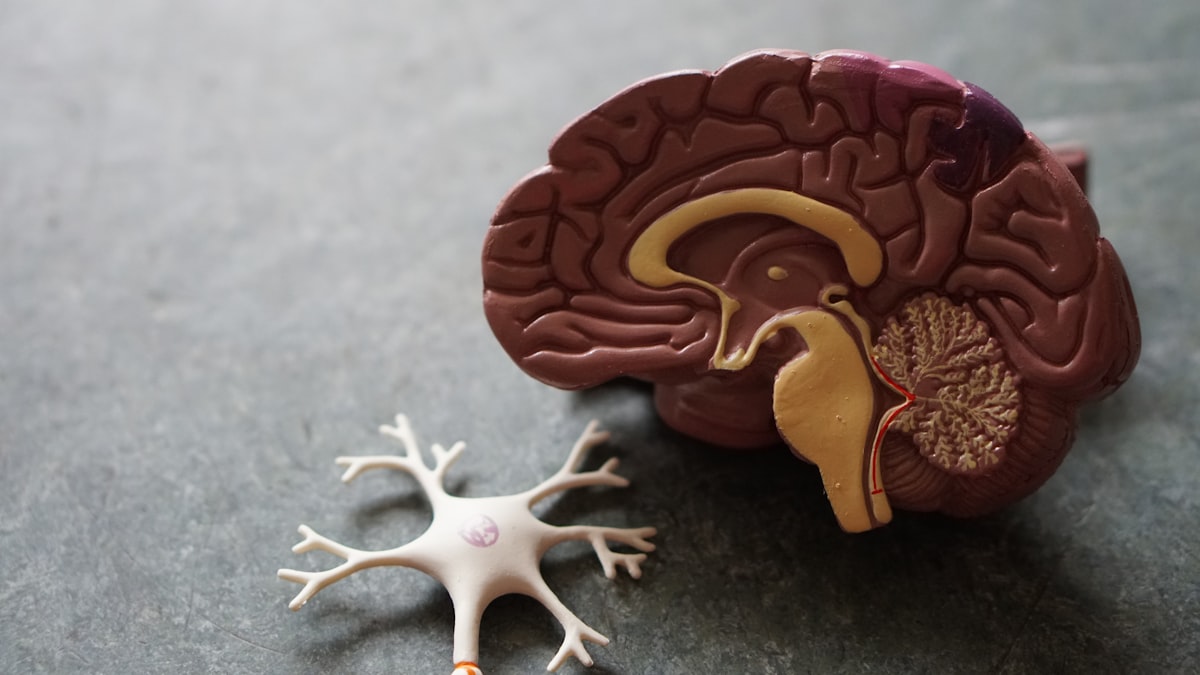
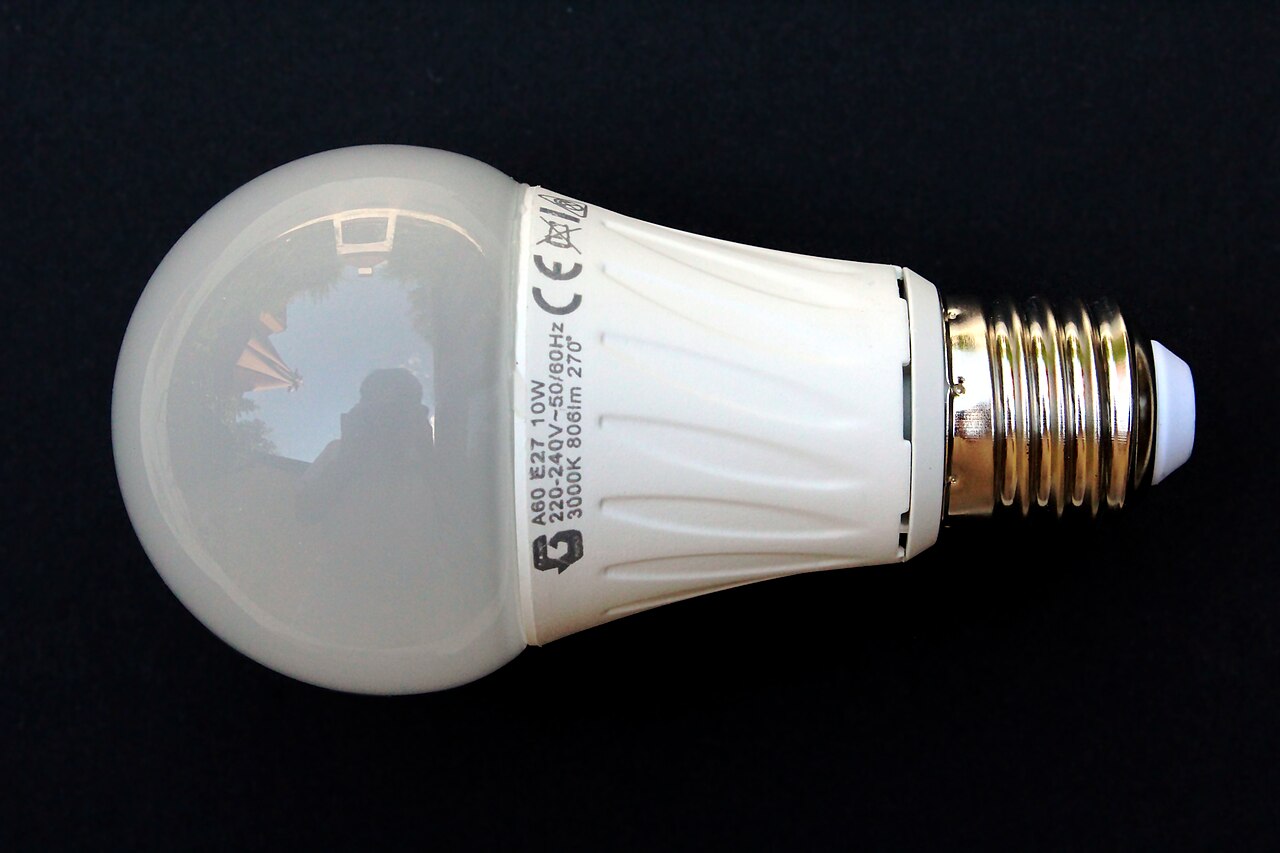
Consider how ridiculous the human brain really is. Right now, as you read this sentence, your brain is processing complex visual data, parsing language, regulating your heartbeat, and maybe even reminding you that you left the stove on. And it does all of this running on roughly 20 watts of power, about the same amount of energy required to power a dim LED light bulb.
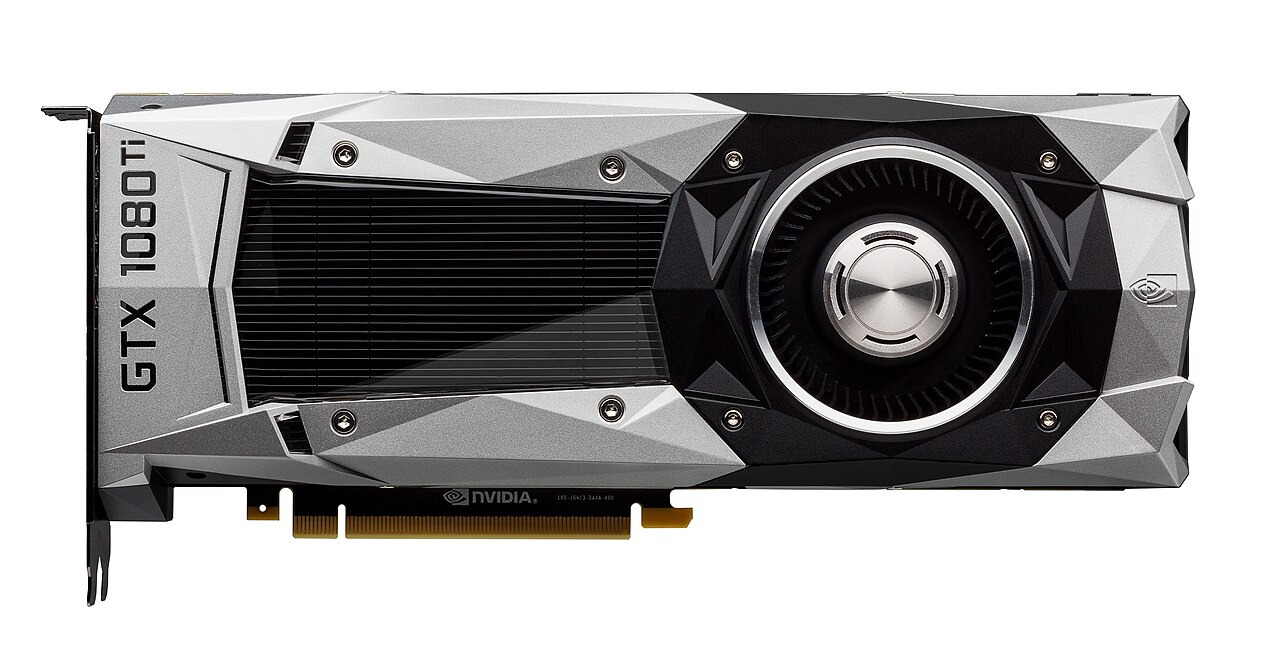
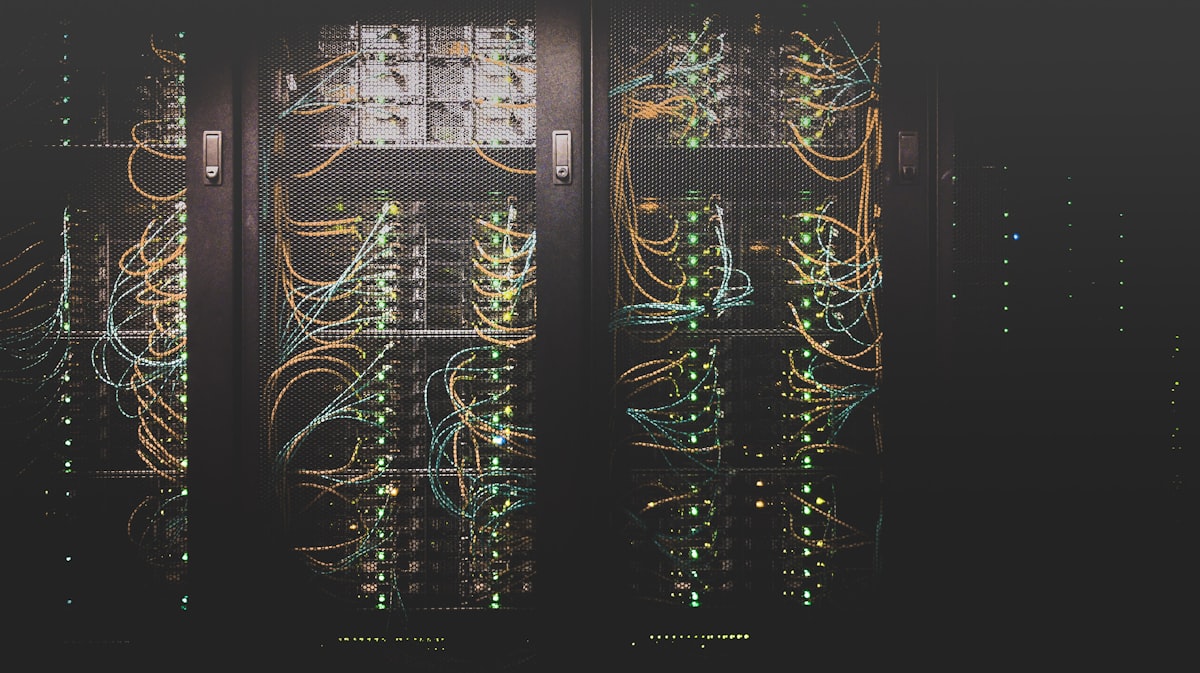
Meanwhile, training a cutting-edge large language model in 2026 requires massive data centers packed with thousands of GPUs, consuming enough electricity to power a small town. This glaring difference in efficiency is exactly why the tech industry is aggressively pivoting towards neuromorphic designs.
As we hit the physical limits of traditional silicon chips (Moore's Law is essentially gasping for air at this point), building computers that literally mimic the biological structure of the human brain isn't just a cool sci-fi concept anymore; it's an absolute necessity. Here is what this tech is, why it matters, and where it's actually being used today.
What is Neuromorphic Computing?
Simply put, Neuromorphic Computing is the design of computer chips and systems that mimic the neural structure and operation of the human brain.
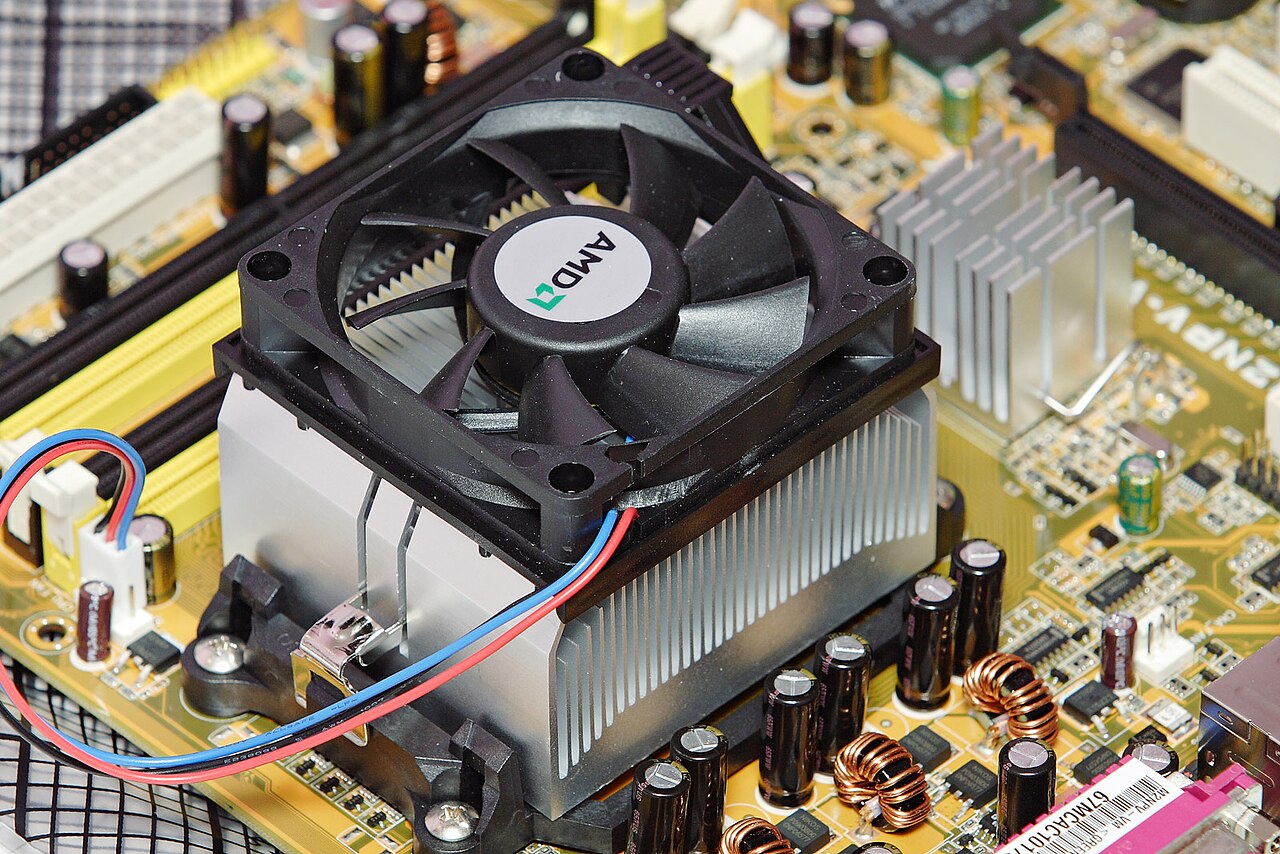
To understand why this is revolutionary, you have to look at how regular computers work. Traditional computers use the von Neumann architecture, where the CPU (processing) and RAM (memory) are separated. The CPU has to constantly fetch data from the memory, process it, and send it back. This constant back-and-forth traffic creates a massive bottleneck and wastes a ton of energy.
In contrast, your brain doesn't have a separate "hard drive" and "processor." Your neurons process and store information in the exact same place via synapses. Neuromorphic chips replicate this by intertwining processing and memory on the physical hardware level.
How Do "Brain Chips" Actually Work?
Brain chips rely on two core concepts:
- Spiking Neural Networks (SNNs): Unlike traditional AI models that are constantly "on" and crunching numbers continuously, neuromorphic chips use SNNs. These artificial neurons only fire (or "spike") when an electrical signal reaches a specific threshold, just like real neurons. If there is no new information, the neuron stays completely dormant, saving massive amounts of power.
- In-Memory Computing: Processing and memory happen together on the chip. There is no waiting around for data to travel across the motherboard. This dramatically speeds up operations and virtually eliminates the energy cost of moving data.
Why Do We Desperately Need Neuromorphic Chips in 2026?
The short answer is power. Current GPUs are insanely fast, but their energy appetite is the problem.
We are facing an impending AI energy crisis. As we integrate AI into literally everything, from self-driving cars to smart city grids, the energy demands of traditional AI hardware are becoming unsustainable. Neuromorphic chips offer a way out. They are orders of magnitude more energy-efficient than traditional GPUs for specific AI workloads.
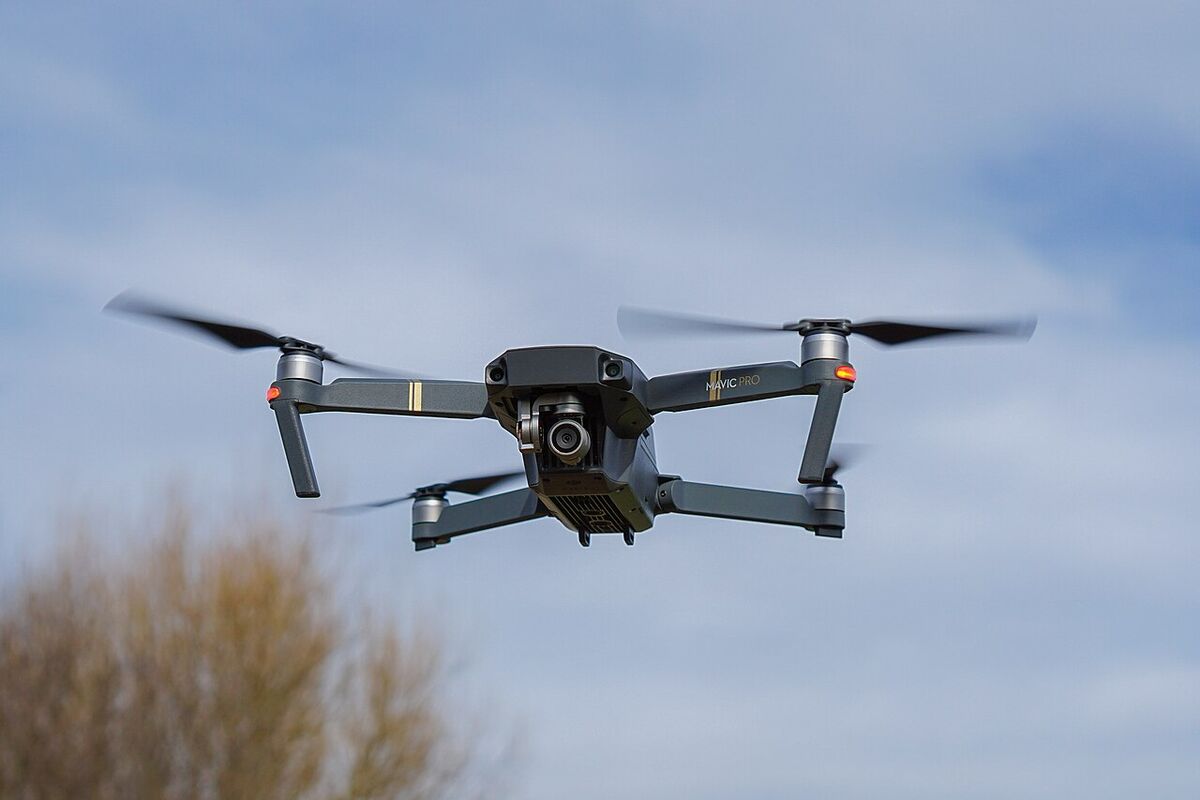
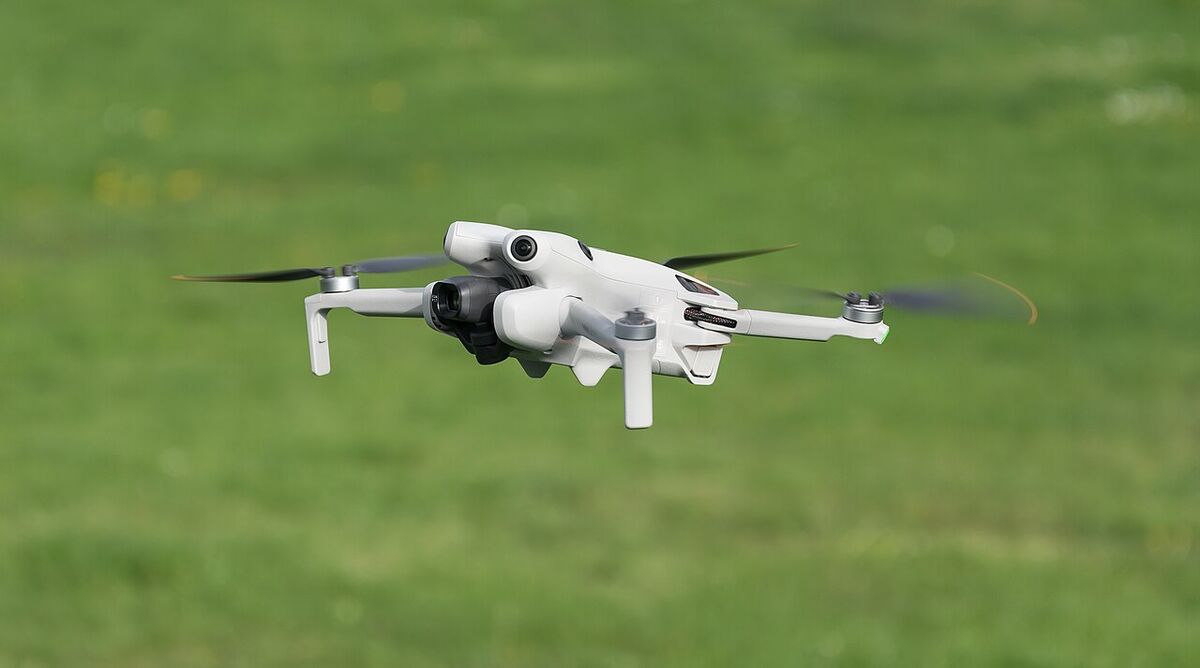
Imagine a drone that can navigate complex forests autonomously using advanced computer vision, all while drawing less power than a standard smartphone. That is the promise of neuromorphic hardware.
Where Is Neuromorphic Computing Used Today?
Neuromorphic tech has moved beyond lab experiments and is bleeding into commercial applications. Here are a few areas where "brain chips" are making waves today:
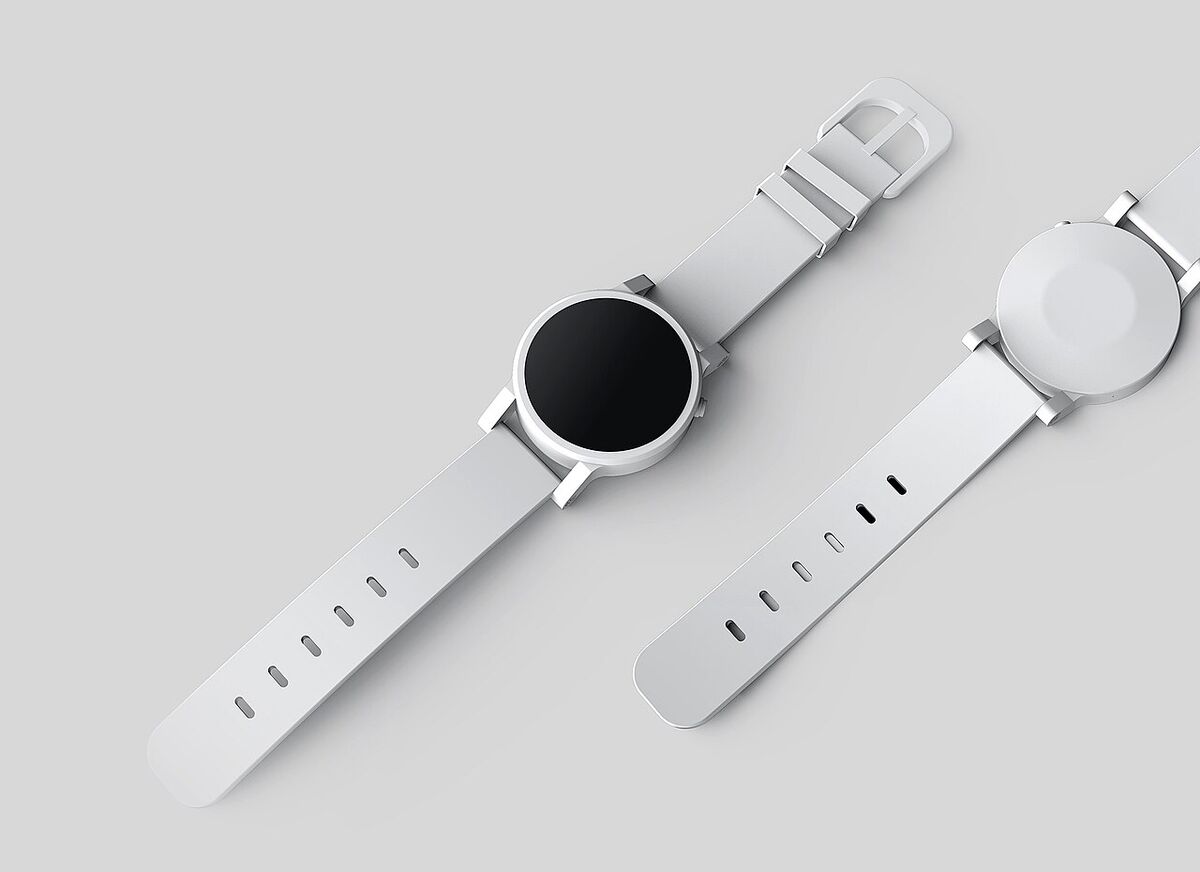
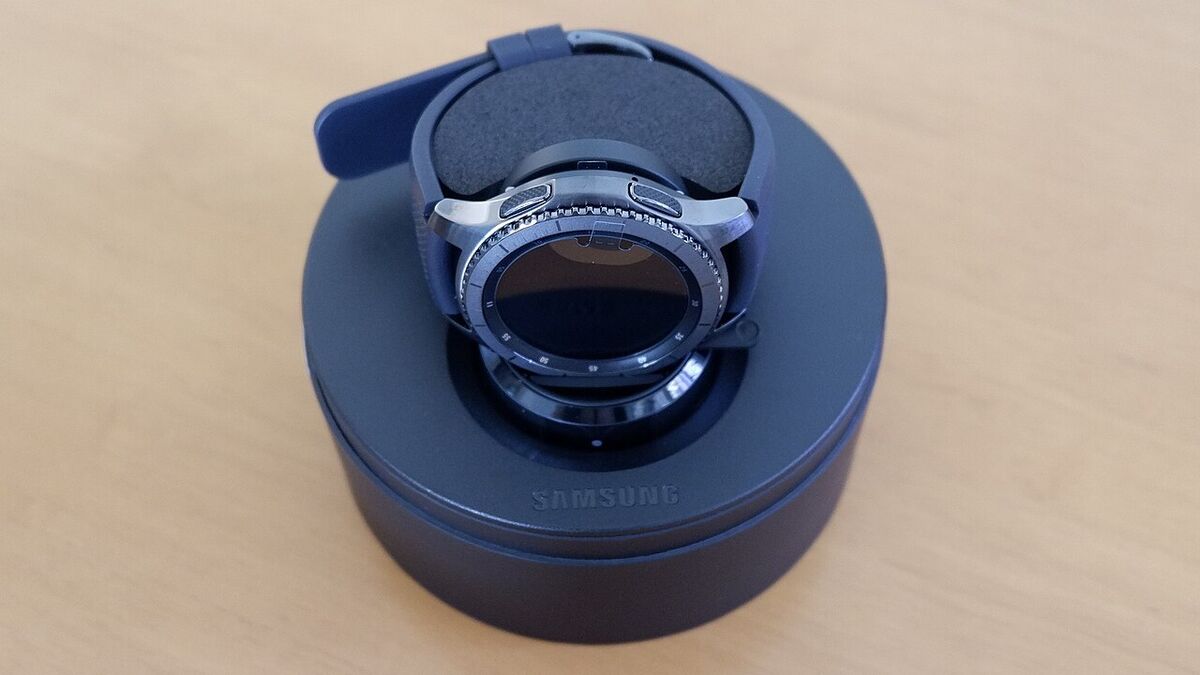
- Ultra-Low-Power Edge AI: Devices that need to run complex AI models on a tiny battery are the primary beneficiaries. Smartwatches that can run advanced localized health diagnostics without draining your battery in two hours are starting to hit the market.
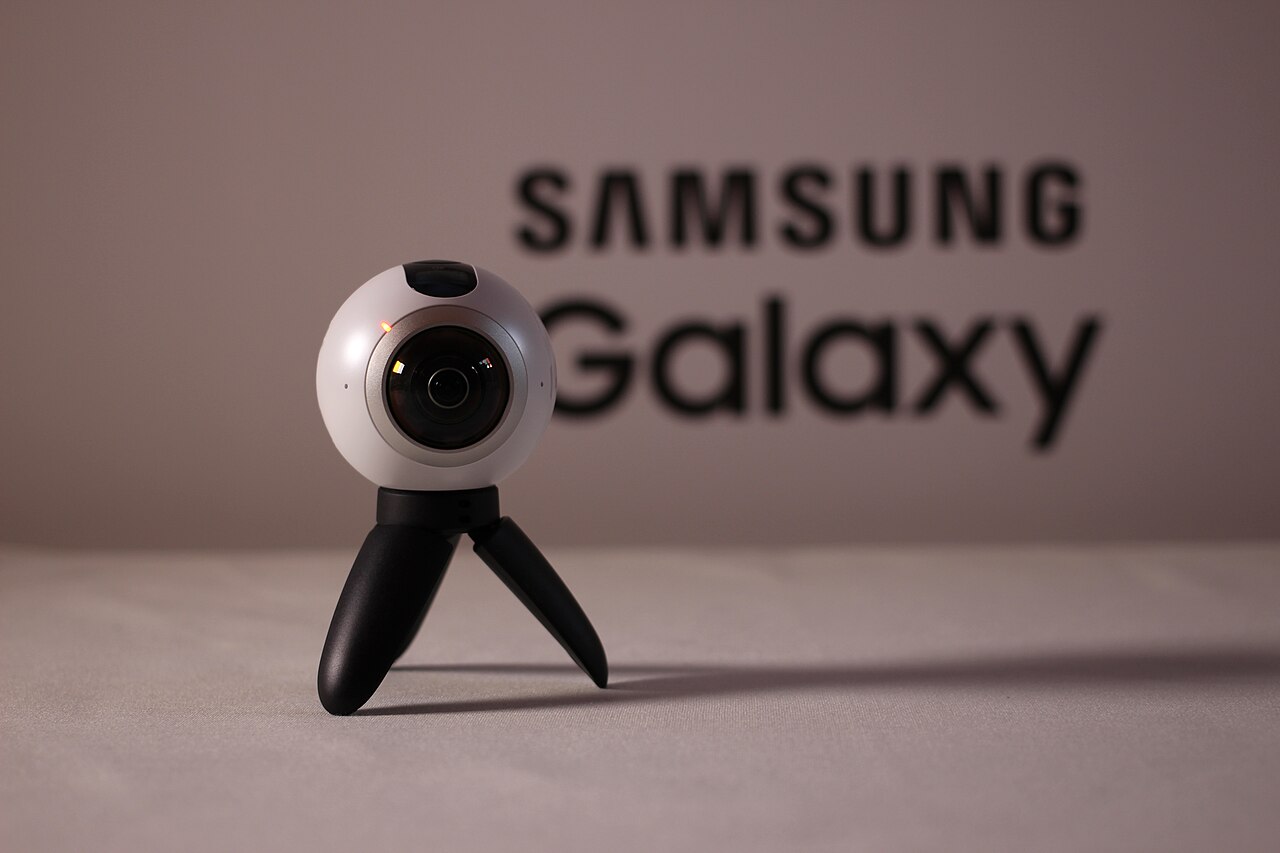
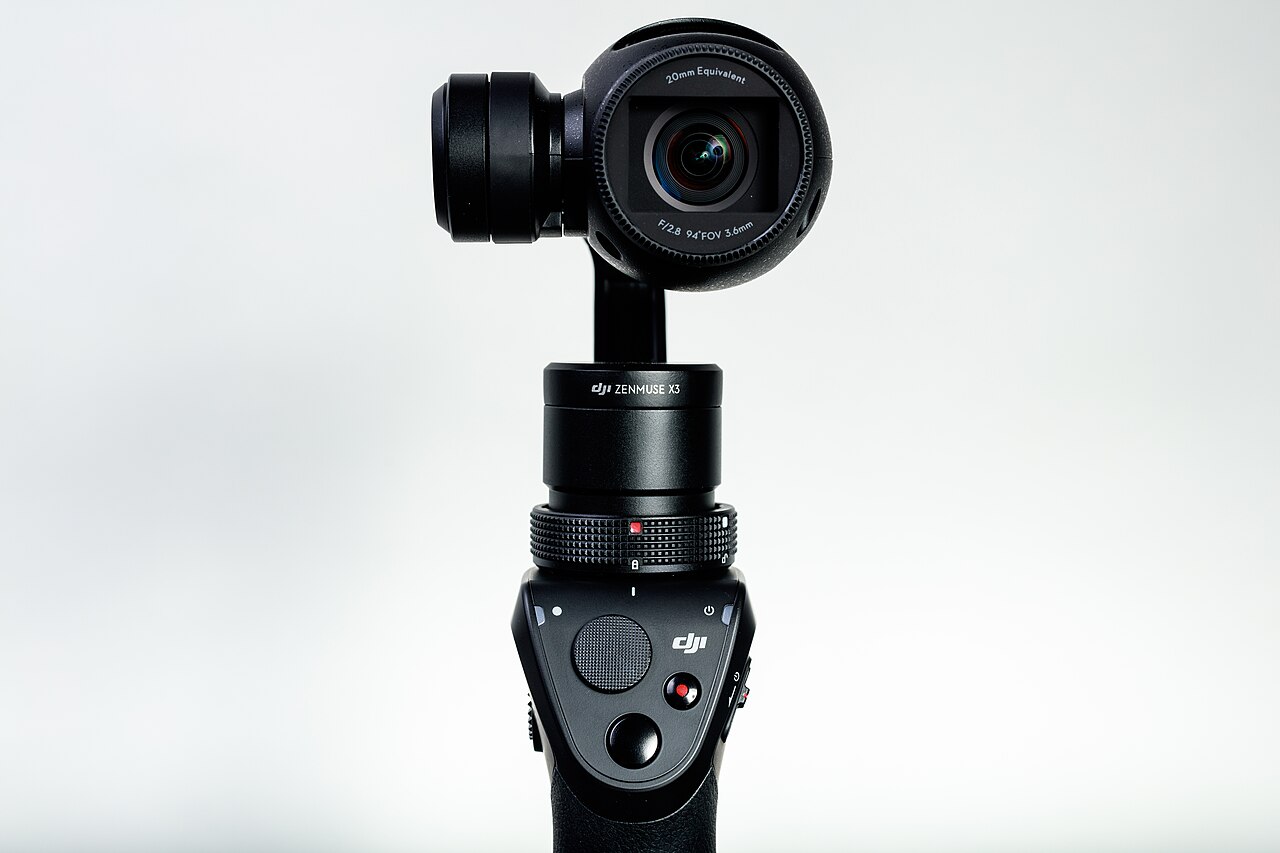
- Event-Based Vision Sensors (Neuromorphic Cameras): Instead of capturing full frames like a standard camera (e.g., 60 frames per second), these sensors only record changes in light at the pixel level. This allows for insanely fast motion tracking, useful in robotics and autonomous vehicles, with almost zero latency and very little data overhead.
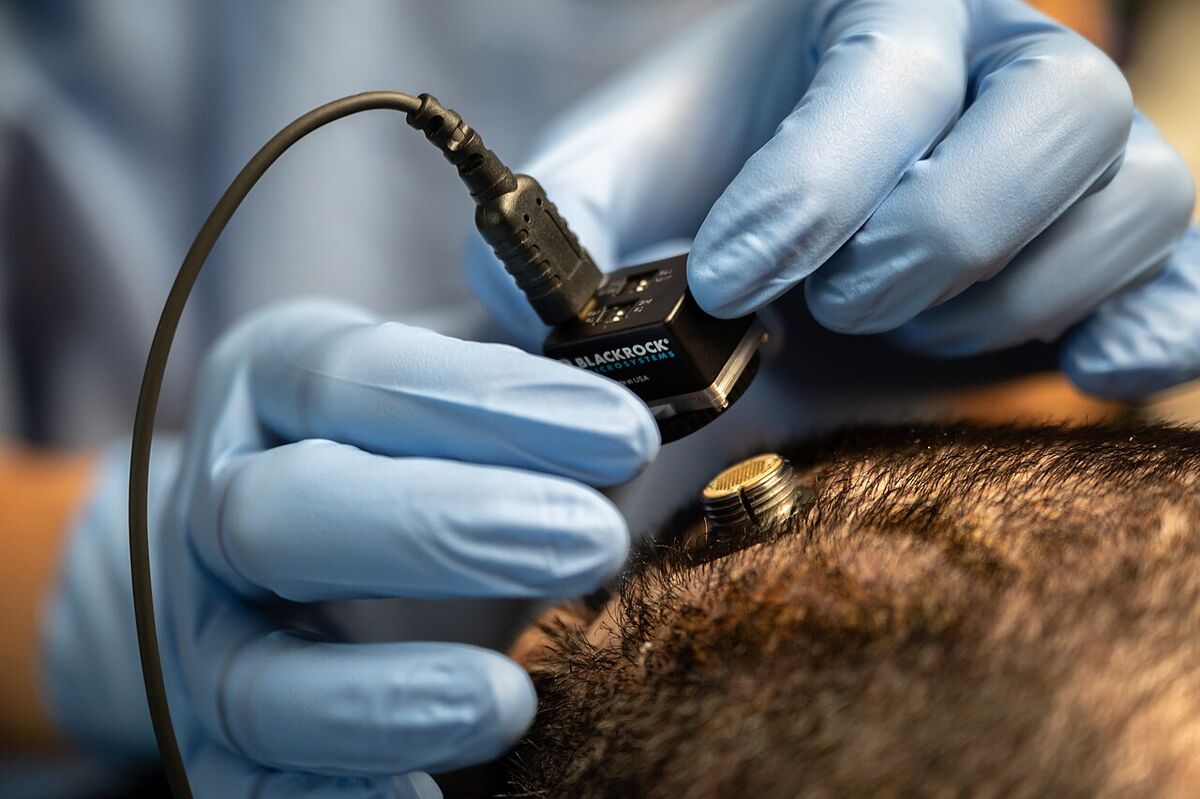
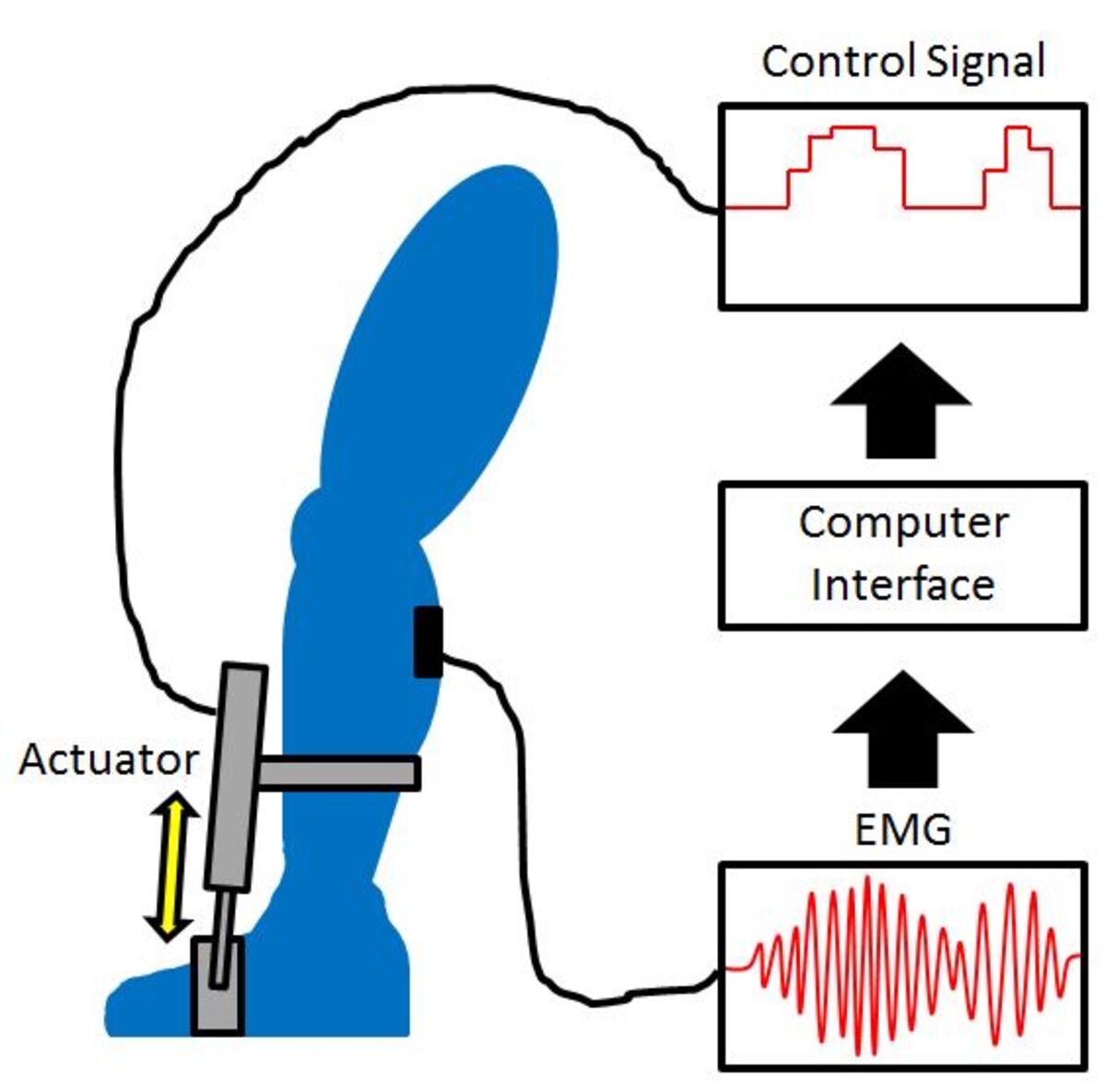
- Prosthetics and Brain-Computer Interfaces: Because neuromorphic chips communicate via spikes (just like biological nervous systems), they are proving to be incredibly effective in bridging the gap between hardware and human biology, leading to much more responsive and natural-feeling prosthetic limbs.
What Are the Limits of Neuromorphic Computing?
Neuromorphic computing isn't going to replace traditional CPUs and GPUs for everything, so don't throw away your current laptop. It's terrible at running your standard spreadsheet or playing traditional video games. It is highly specialized for AI and sensory processing.
Furthermore, programming these chips is incredibly difficult. We've spent the last 50 years building software ecosystems around the von Neumann architecture. Writing software for a chip that "thinks" in asynchronous spikes requires an entirely new paradigm of coding, and the developer tools are still playing catch-up.
The Bottom Line
Neuromorphic Computing is fundamentally reshaping how we approach artificial intelligence at the edge. By taking a page out of biology's playbook, engineers are finally solving the massive energy bottlenecks that have plagued AI development. It might not be powering your next gaming PC, but it will absolutely be the brain inside your next smart home device, your autonomous car, and the invisible AI infrastructure running the world around you.
The future of hardware isn't just smaller and faster; it's biological.