CRISPR in 2026: Why We Are Finally Curing the 'Incurable'
- Health, Technology
- Exienent
- · Updated
In 2026, CRISPR gene editing is no longer a lab experiment: single-infusion therapies for sickle cell disease and beta-thalassemia are in use, and trials are targeting inherited blindness and high cholesterol. The science works; the open problems are cost, access and the ethics of editing embryos.
A few years back, if you brought up "gene editing" at a dinner party, people would probably think you were talking about a sci-fi movie. It felt decades away, tangled in endless laboratory trials and theoretical debates. Today CRISPR is no longer just a buzzword for biologists, and in my view the shift from "what if" to "it's happening" has been nothing short of spectacular.
Why Did CRISPR Take So Long to Reach Patients?
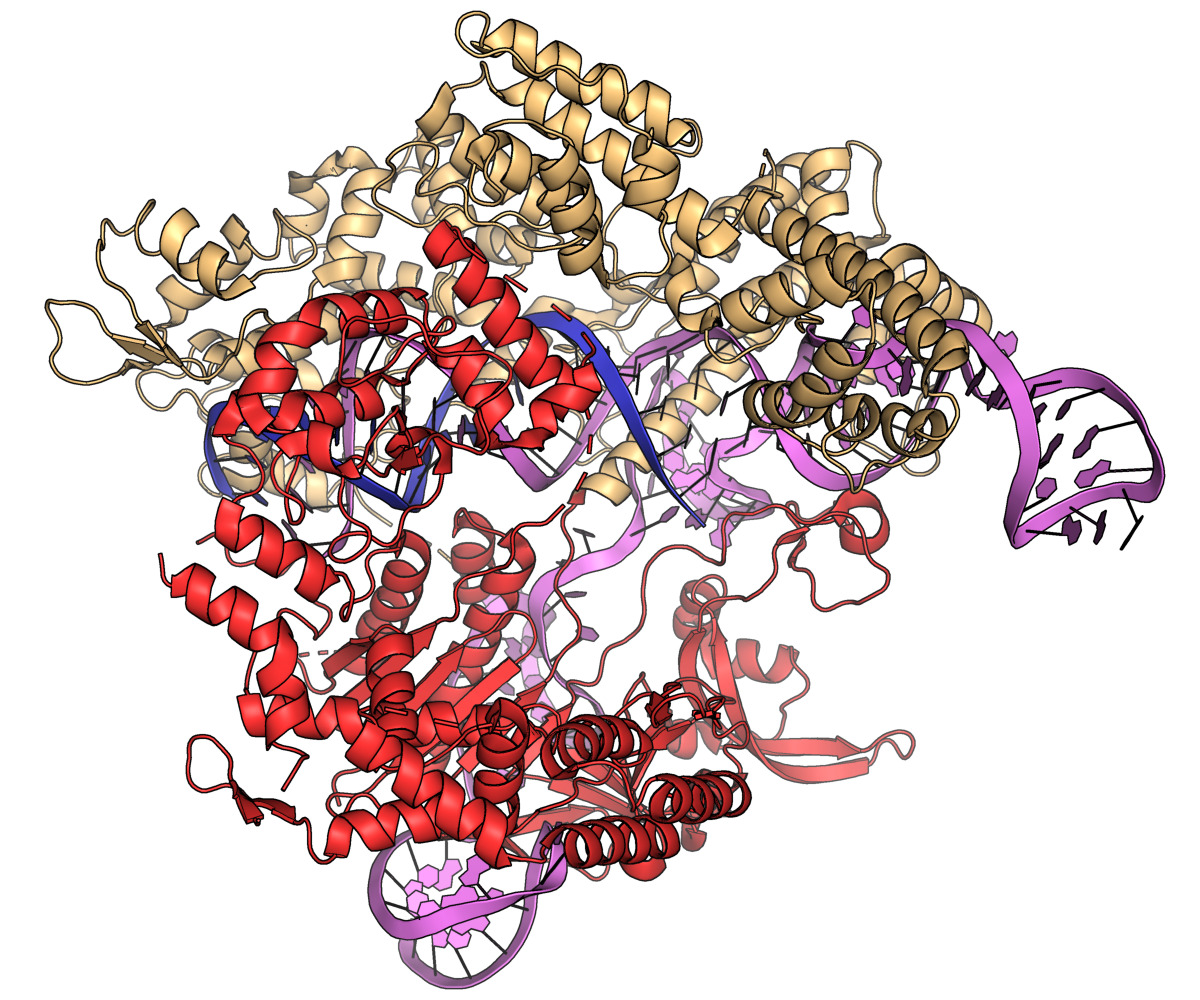
The main obstacle was delivery. CRISPR-Cas9 (the biological "scissors" used to cut and edit DNA) had to reach the exact right cells in the human body without causing unintended mutations, and that was incredibly difficult.
Recent breakthroughs in lipid nanoparticle (LNP) delivery systems have solved a massive piece of that puzzle. These microscopic fat bubbles act like targeted delivery trucks, carrying the CRISPR payload directly to the organs that need it.
Which Diseases Can CRISPR Treat Today?
CRISPR therapies are now showing real-world clinical results in several areas:
- Sickle Cell Disease and Beta-Thalassemia: The FDA approvals of a couple of years ago were just the beginning. Single-infusion CRISPR therapies for these debilitating blood disorders are becoming more accessible, and patients who used to spend weeks in the hospital with excruciating pain crises can now live largely normal lives.
- Hereditary Blindness: Treatments that inject CRISPR directly into the retina to fix genetic mutations causing blindness have shown remarkable long-term efficacy, with progression of vision loss halted in treated patients.
- Targeting High Cholesterol at the Source: One of the most striking applications is editing liver cells to permanently lower LDL (bad) cholesterol. The idea is that a single shot in your 30s could substantially reduce heart-attack risk for life. Clinical trials are testing exactly that, and early results are promising, though it is not yet a standard treatment.
How Much Do CRISPR Therapies Cost?
The first wave of CRISPR therapies came with price tags reaching millions of dollars per patient, which is still a massive hurdle for the average person. Insurance companies have been scrambling to figure out how to cover a "one-and-done" cure that costs as much as a luxury mansion.
There is a silver lining. As with all technology, scaling up production and standardizing manufacturing is starting to drive costs down. New biotech startups focused entirely on democratizing gene therapies are building modular manufacturing platforms that could eventually reduce the cost by an order of magnitude. It's a slow process, but the trajectory points toward accessibility.
What Are the Ethical Concerns With Gene Editing?
The central ethical question is where to draw the line between treating one patient and changing future generations. The conversation is shifting from "Can we do this?" to "Should we do this?"
Right now, almost all approved and pending therapies are somatic gene edits, meaning they only affect the individual patient. Someone who has liver cells edited to lower cholesterol does not pass that edit on to their children.
The red line the global scientific community is still nervously tiptoeing around is germline editing—making changes to embryos that will be passed down to future generations. The consensus is still a hard "no" for clinical use, but as the technology becomes cheaper and easier to use, the fear of rogue clinics offering "designer babies" is a very real concern for regulators.
What Comes After CRISPR-Cas9?
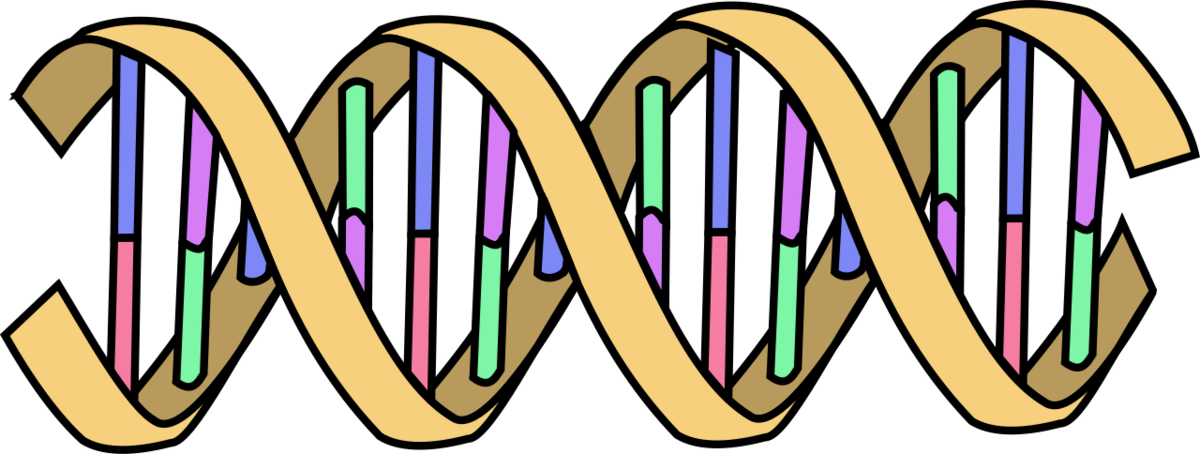
The next phase is "base editing" and "prime editing," which are like using a pencil and eraser instead of a pair of scissors. These newer techniques allow even more precise changes to DNA without breaking the double helix, reducing the risk of accidental mutations.
It feels like we are standing at the threshold of a new era in medicine, one that aims to fix the fundamental source code of human biology rather than only treating symptoms. It's messy, expensive and ethically complicated, but I think it is undeniably the most exciting medical frontier of our time.