Why Writers Are Ditching Laptops for Cyberdecks: The Ultimate Distraction-Free Writing Device in 2026
- Technology
- Exienent
- · Updated
A writer's cyberdeck is a custom-built, intentionally limited computer designed for exactly one thing: writing. With no Wi-Fi, no Bluetooth, and no browser, it removes the escape hatches that pull you away from the page, and that is why this retro-futuristic trend is gaining ground in the productivity space in 2026.
The problem it solves is familiar. You open a blank document on an ultra-powerful, beautifully designed laptop, and five minutes later you're checking three different Discord servers, scrolling through your X feed, and researching the best mechanical keyboards on Amazon.
Modern machines are built to do absolutely everything, all at once. And in 2026, with constant notifications, AI agents popping up to 'help', and an endless stream of digital noise, that "do everything" capability has become the biggest enemy of deep work.
What Is a Cyberdeck for Writing?
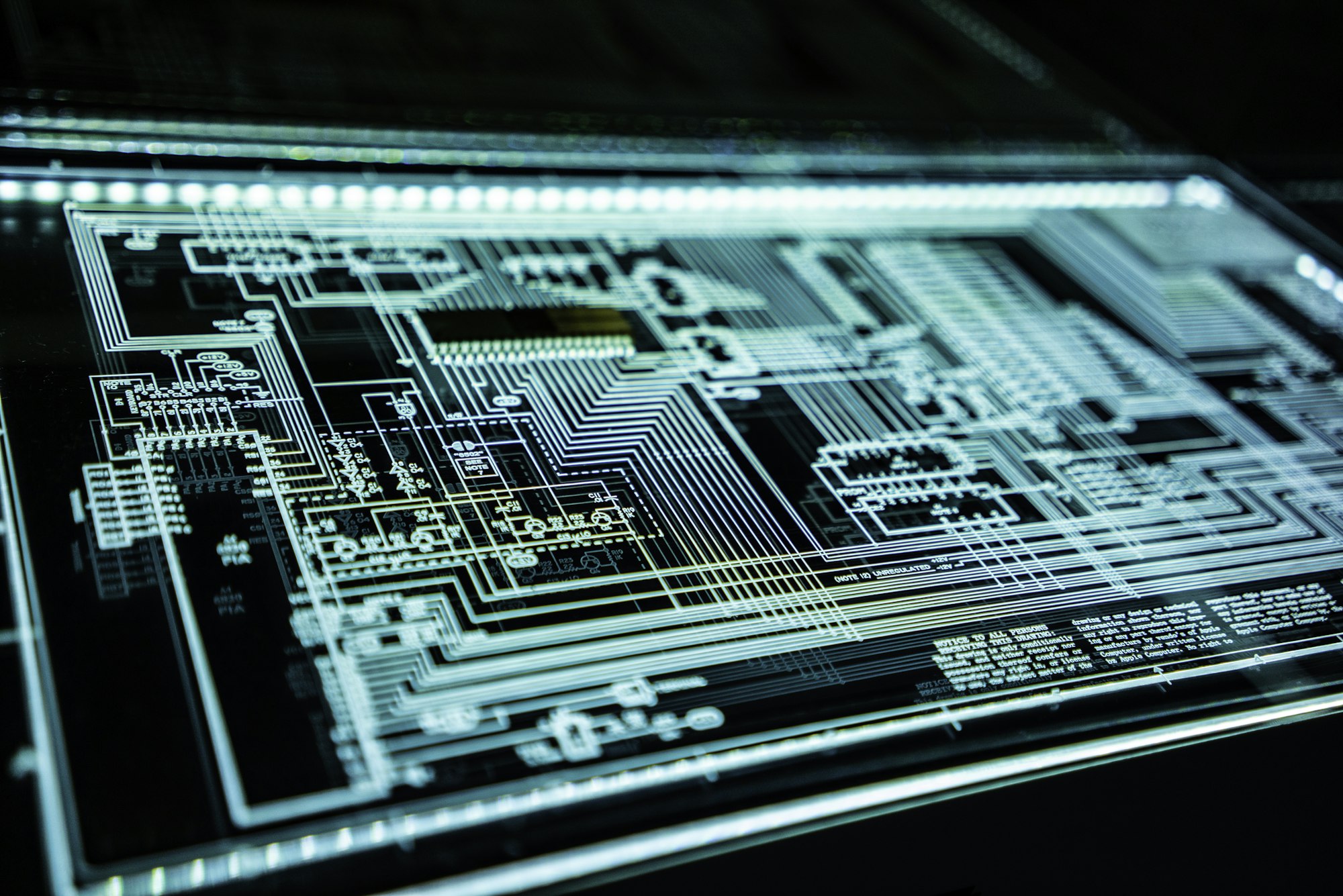
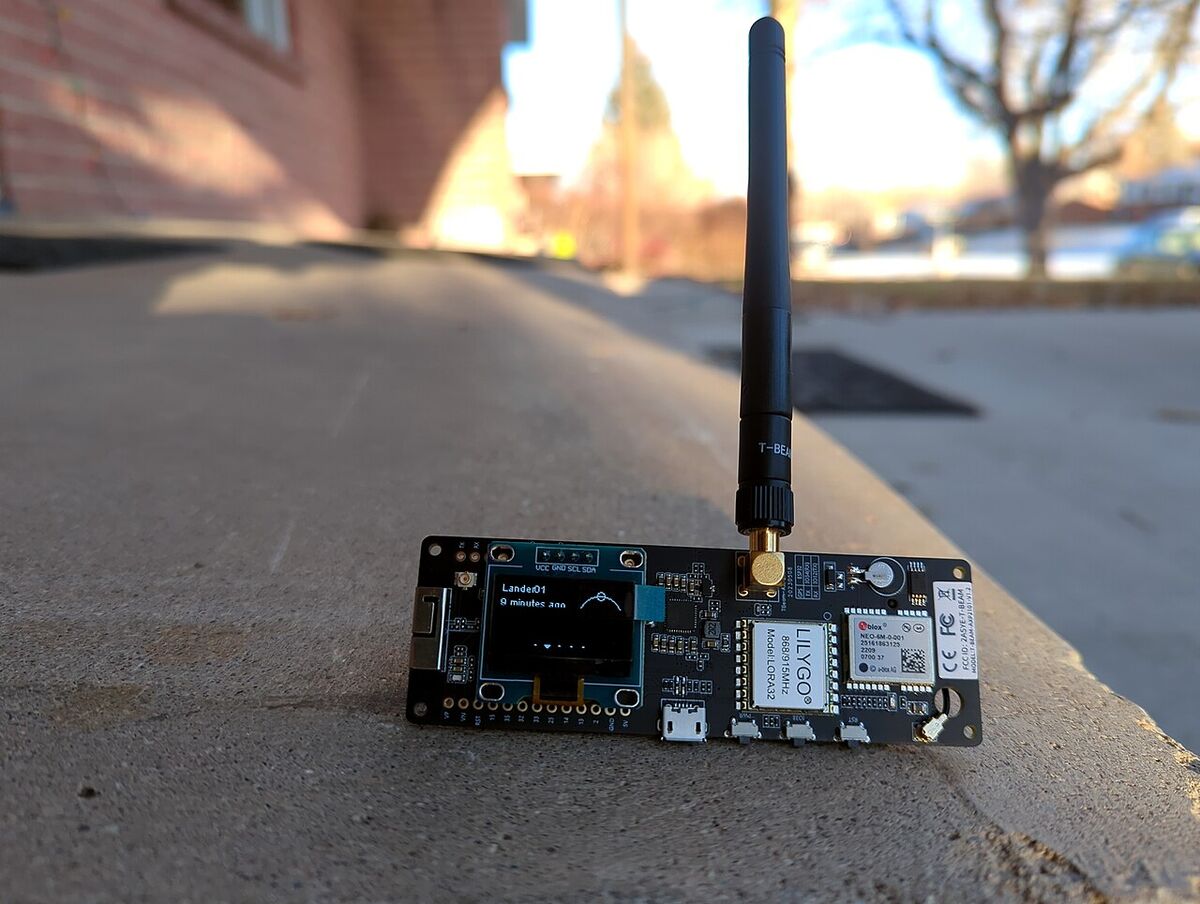
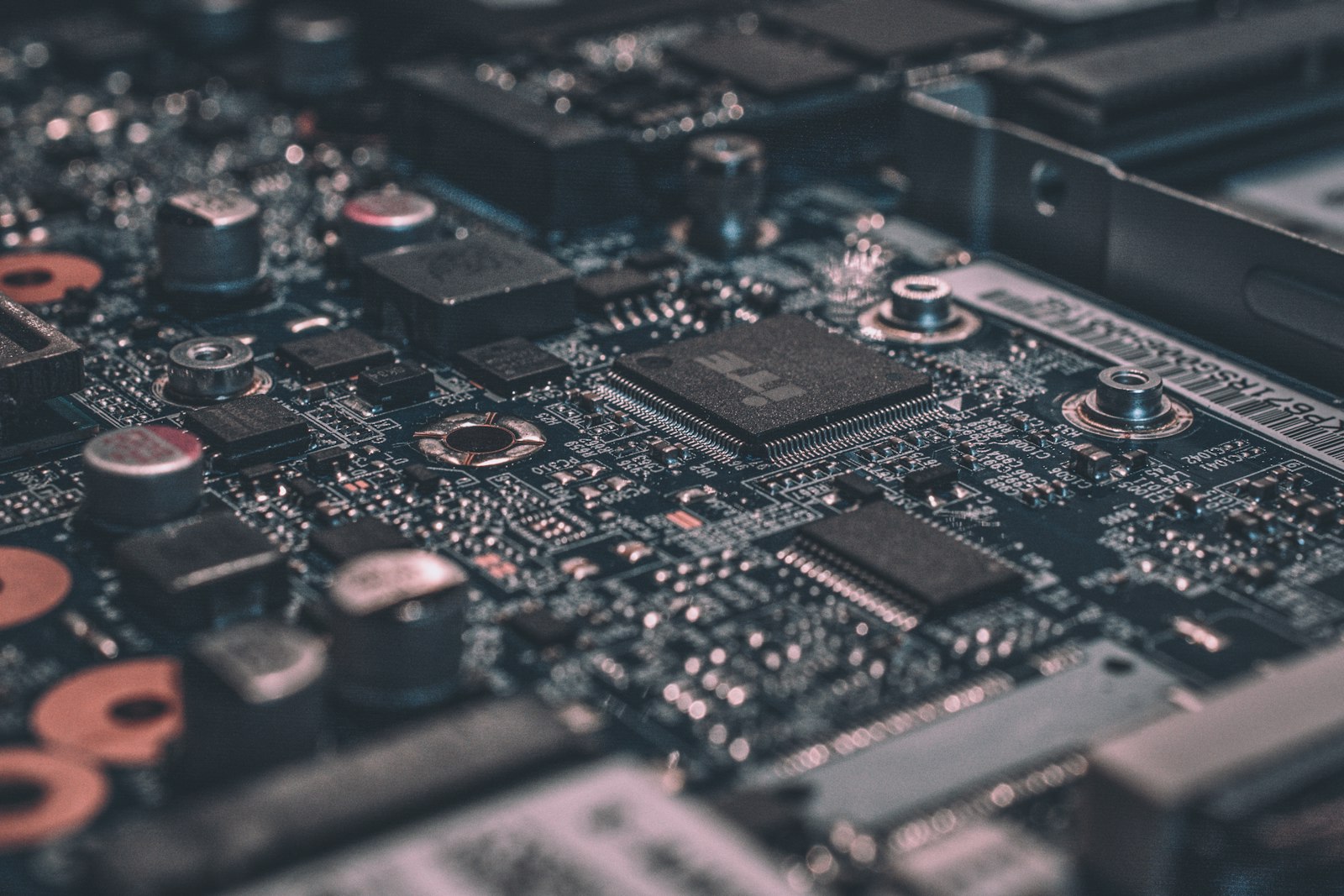
A "cyberdeck" is a term that originally comes from 1980s cyberpunk sci-fi (think William Gibson's Neuromancer), where it referred to a custom, portable terminal used by hackers. In the real world of 2026, the cyberdeck community is a subculture of makers who build their own highly personalized, often rugged-looking portable computers, usually powered by something like a Raspberry Pi.
While many build them for coding or penetration testing, a massive sub-trend has emerged: the writer's deck.
One example of a writer's deck build is simple by design:
- The Brain: A low-power Raspberry Pi Zero.
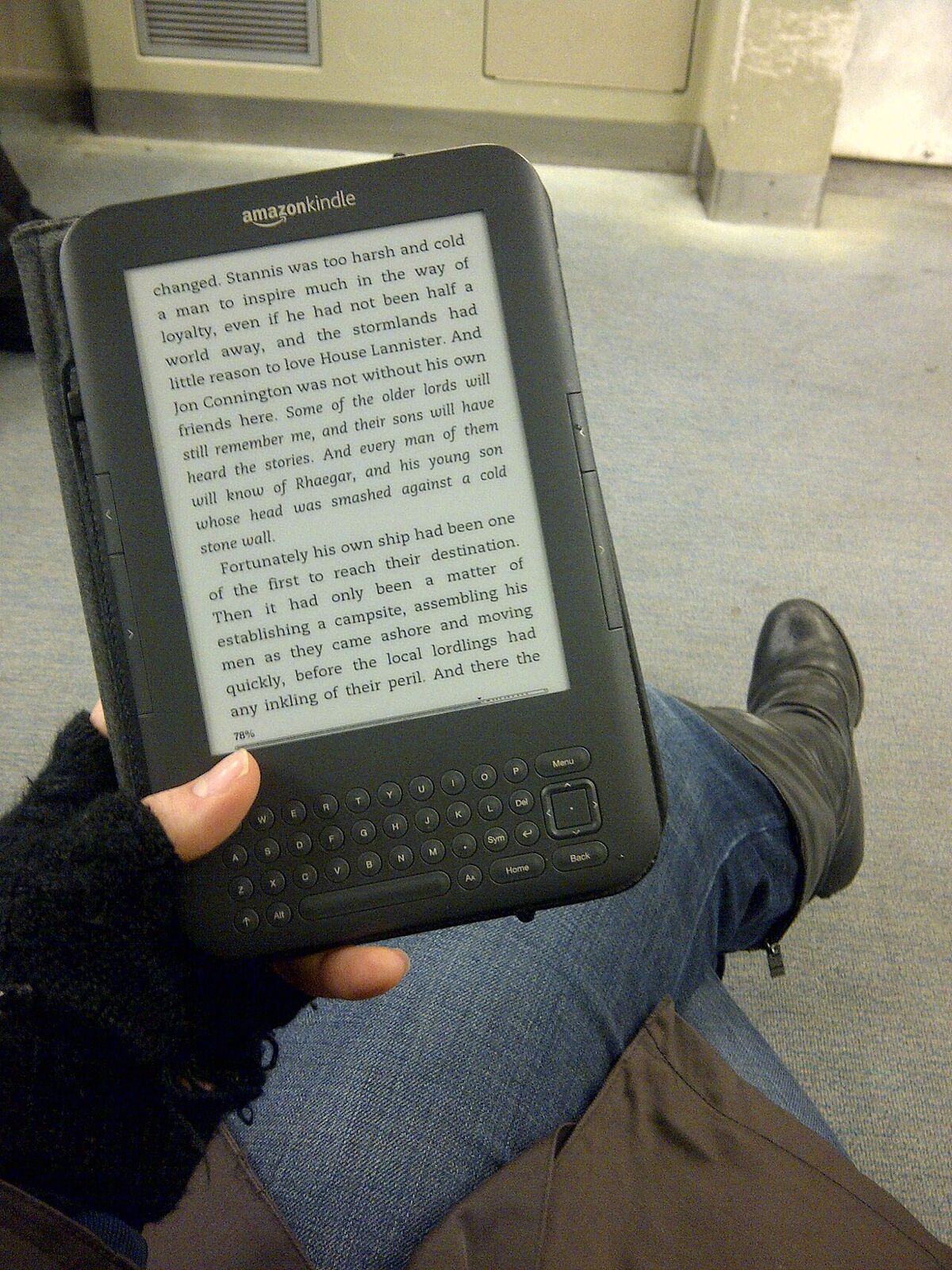
- The Screen: A high-contrast E-Ink display that is easy on the eyes and completely unreadable in direct sunlight (a feature, not a bug, for late-night typing sessions).
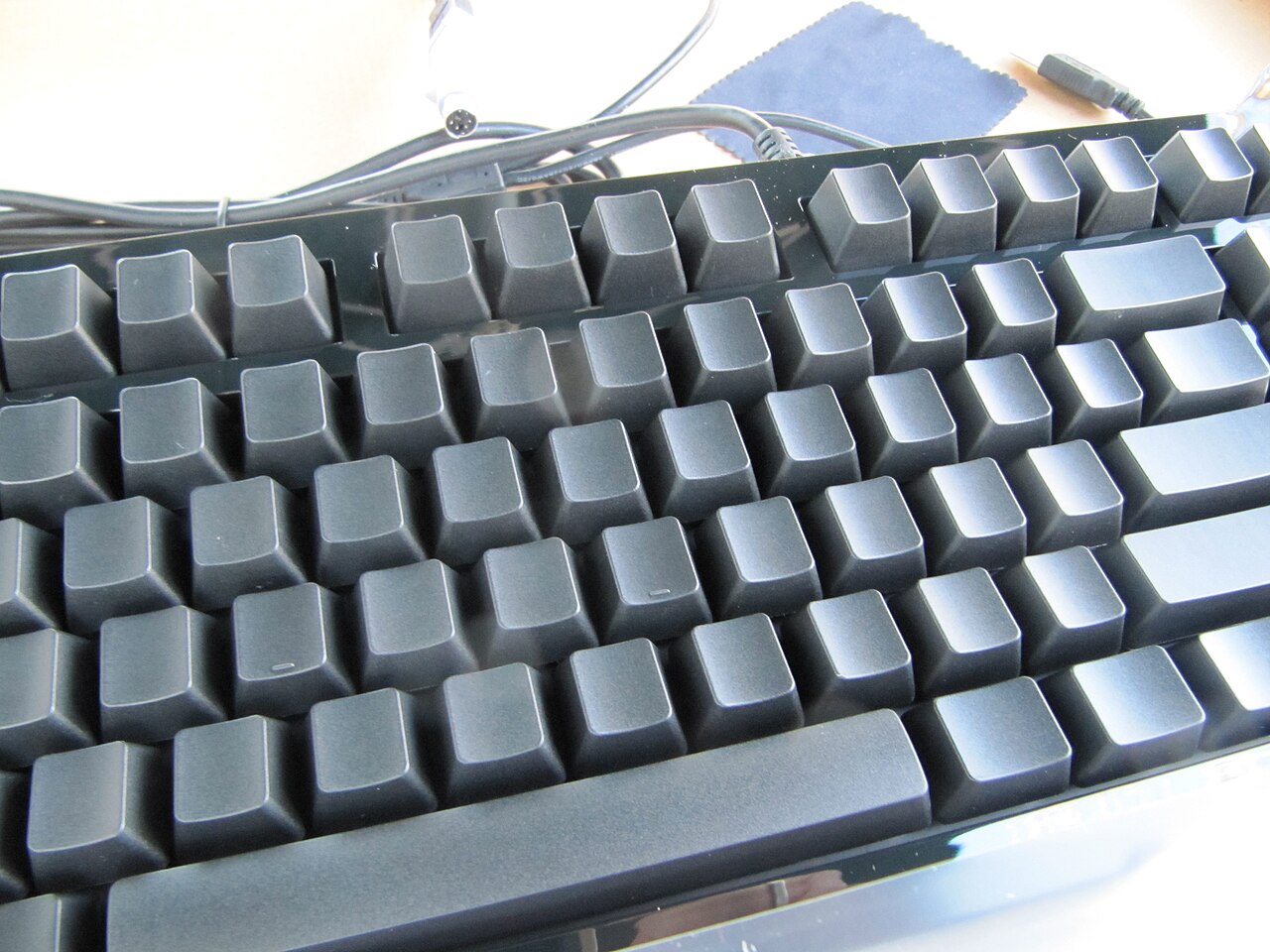
- The Keyboard: A heavily customized mechanical keyboard with tactile switches (Boba U4Ts) for that satisfying, typewriter-like feedback.
- The OS: A barebones Linux environment that boots directly into a full-screen, distraction-free markdown editor.
- The Catch: No Wi-Fi. No Bluetooth. No browser.
Why Is Writing Offline Hard at First?
Writing on a disconnected device can feel genuinely difficult at the start, because people are accustomed to the micro-dopamine hits of task-switching.
A writer drafting a blog post may hit a minor roadblock (like forgetting a specific statistic or wanting to find the perfect synonym) and reflexively reach for Ctrl+T to open a new tab. When nothing happens, the result can be a strange sense of panic, followed by frustration.
That moment can expose how often "research" serves as a procrastination tool to avoid the actual hard work of putting words on a page.
How Can a Single-Purpose Device Improve Writing Focus?
A single-purpose device can improve focus because, without the escape hatch of the internet, the writer has to stay engaged with the text.
The potential benefits include:
- Frictionless Starting: Because a cyberdeck boots instantly into a text editor and does nothing else, there is no friction. You open it, and you write, without navigating past an email inbox or Slack notifications to get to the work.
- Deeper Flow States: It may become easier to reach a state of "flow" and stay in it longer. When you can't tab away, you have little choice but to push through the difficult parts of drafting.
- Ugly First Drafts: A disconnected setup encourages the ugly first draft. If you don't know a fact or a word, you can type
[TK](a publishing mark for "to come") and keep moving. All drafting happens on the cyberdeck, and the text file then moves via a physical USB drive to a main PC for editing, fact-checking, and formatting.
Is a Cyberdeck Worth the Hassle?
A cyberdeck is worth it only for some people: building one requires basic soldering skills, a bit of Linux knowledge, and a willingness to troubleshoot hardware quirks.
But if you struggle with digital distraction—if your attention span feels completely fractured by the modern web—I think a single-purpose device is well worth considering.
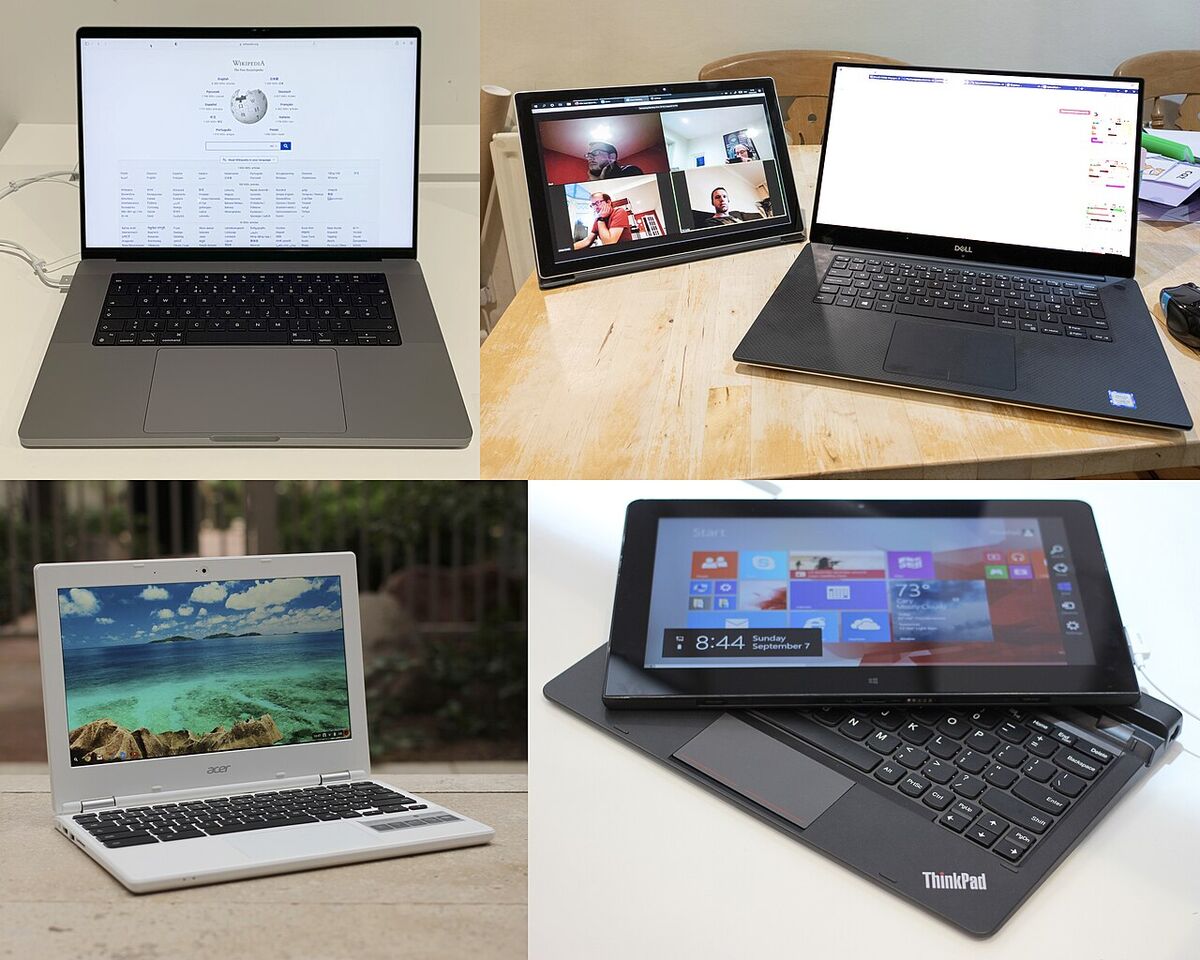
You don't necessarily have to build a custom cyberdeck. You could use an old, disconnected laptop with a fresh, minimal OS install, or invest in a commercial e-ink typewriter. The key is intentional limitation.
In an era where every device we own is trying to be a portal to the entire digital universe, sometimes the most advanced technological upgrade you can make is removing features until you are left with exactly what you need.
Have you tried a dedicated writing device or any other methods to block out digital noise? Let me know!