The Return of Removable Smartphone Batteries in 2026: Pros, Cons, and Trade-offs
- Hardware
- Exienent
- · Updated
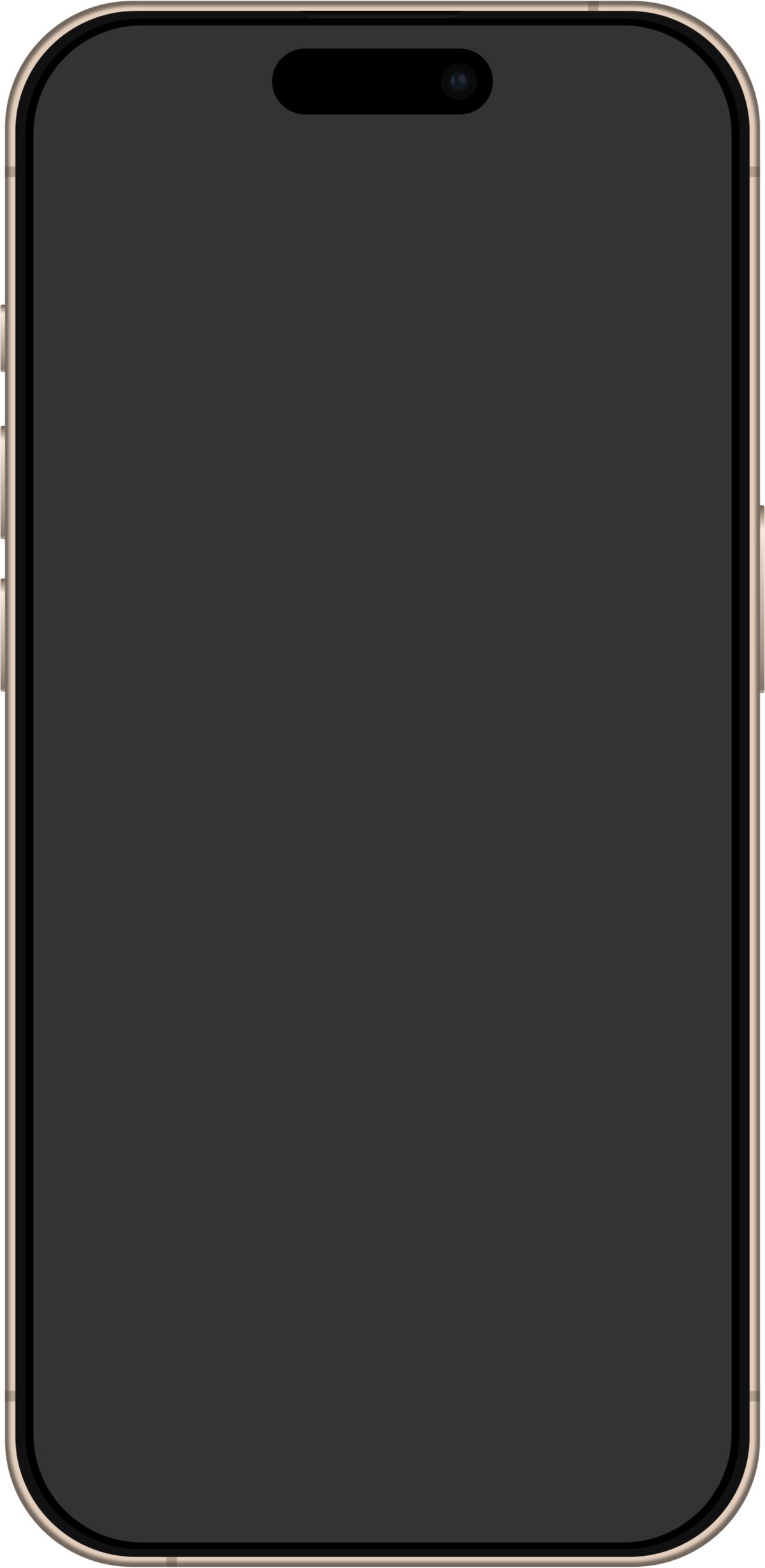
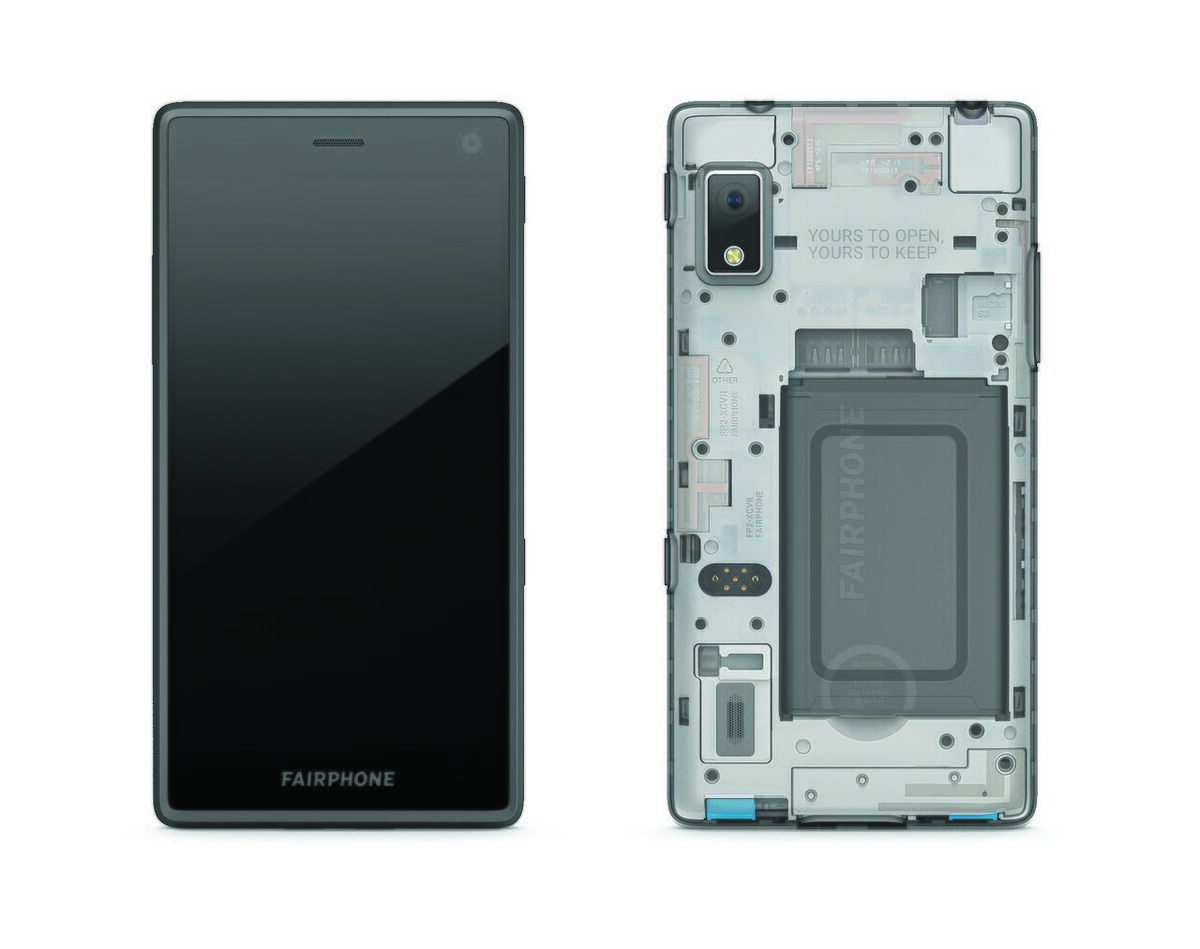
Removable smartphone batteries are back in 2026 because the European Union's mandate requiring user-replaceable batteries has fully kicked in. The result is a trade-off: you gain instant full charges, easier repairs, and longer device life, and you give up some thinness and the carefree water resistance of sealed phones.
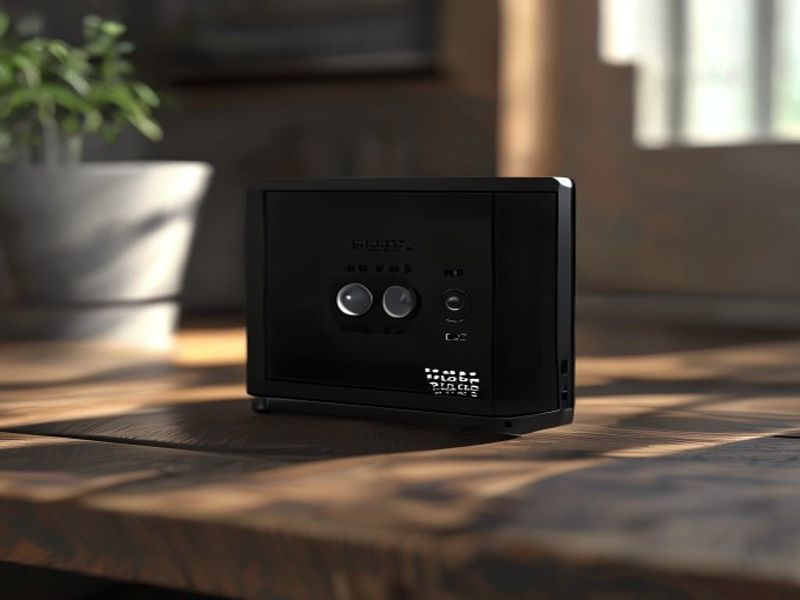
Do you remember the panic of watching your battery percentage drop below 10% on a long flight, with no outlet in sight? For years, the tech industry's answer was bulky power banks or a wall plug. What started as a regional regulation has now forced global manufacturers to rethink their flagship designs, and the new premium "modular-compliant" smartphones raise a fair question: is returning to the early-2010s way of handling batteries a retro dream or a step backward?
What Is the Biggest Advantage of a Swappable Battery?
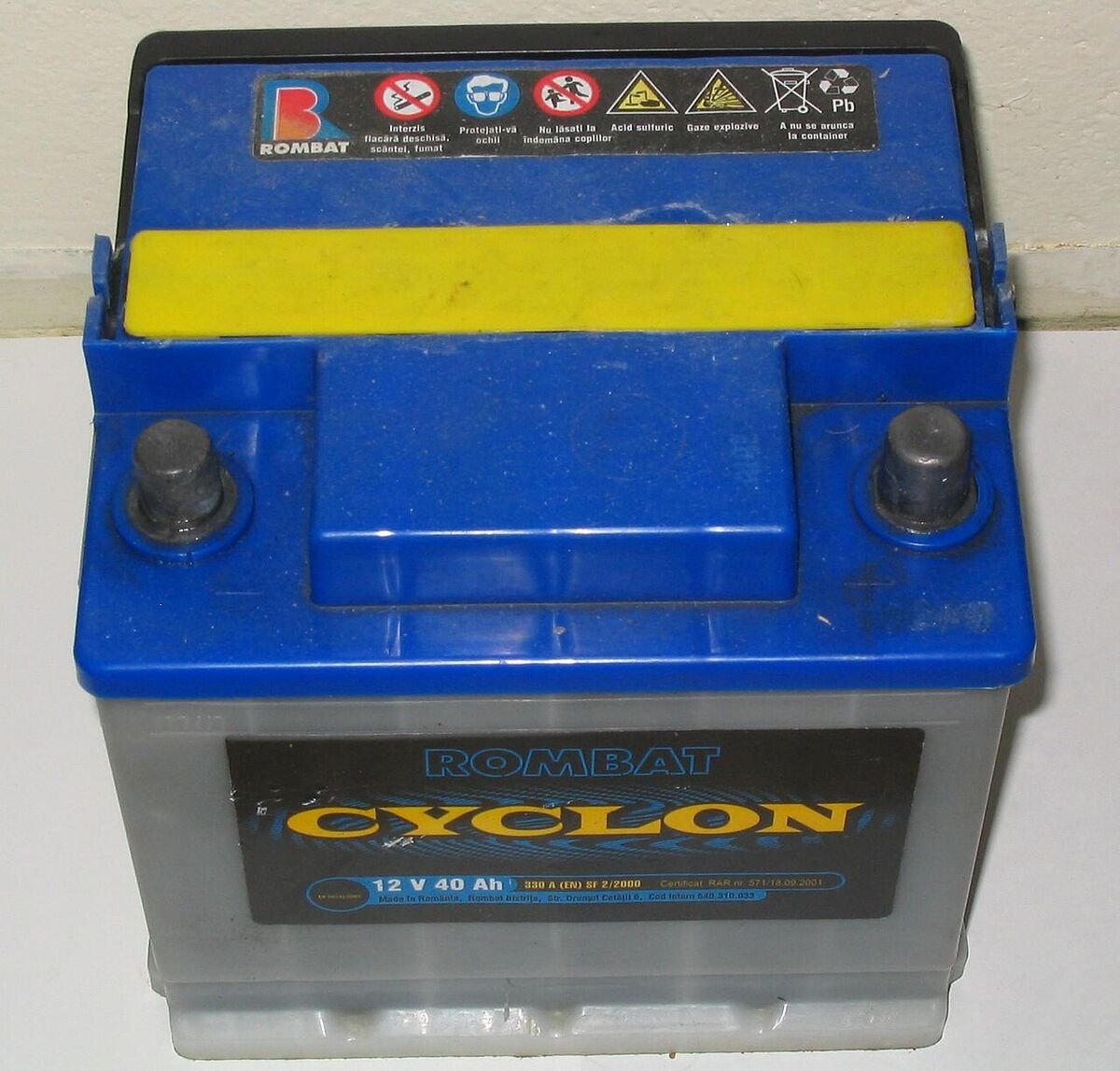
The biggest advantage is the instant full charge. Popping off a back panel, pulling out a dead cell, and snapping in a fresh battery at 100% is the ultimate "fast charge": no cables, no waiting, just instant power.
Consider a weekend camping in a relatively remote area. Instead of tethering the phone to a heavy power bank with an awkward cable while trying to take photos, you can simply carry a spare battery in a backpack. A spare cell weighs a fraction of what a power bank does, and a swap takes only seconds.
What Did We Have to Sacrifice?
Physics dictates that you can't have it all. Returning to a user-accessible design meant manufacturers had to make some serious compromises compared to the sealed glass sandwiches common in 2023.
Water and Dust Resistance Took a Hit: Sealed flagships could practically go scuba diving. A modular-compliant phone may still carry a respectable IP67 rating, but it relies heavily on a delicate rubber gasket inside the back cover. Every time the phone is opened to swap the battery, dust on that seal becomes a concern. It requires a level of mindfulness that sealed phones never demanded.
The Phones Are Thicker: To accommodate the protective casing around the battery itself (so users don't accidentally puncture it) and the mechanical latches for the back cover, these phones are noticeably thicker and slightly heavier. It isn't unmanageable, but if you love razor-thin, minimalist hardware, this new generation of devices will feel like a slight regression.
How Does the Right to Repair Change Ownership?
Beyond day-to-day convenience, the psychological shift is significant. Replacing a degraded battery no longer means paying a premium service fee or risking a cracked, glued-on screen, and that brings real peace of mind. It feels like owning the hardware again.
There is no need to plan on replacing the entire phone in two years simply because it won't hold a charge past lunchtime. You can order an inexpensive replacement battery and snap it in. This is a big win for sustainability and the Right to Repair movement, cutting the e-waste generated when perfectly good phones are discarded over dead batteries.
Is a Removable Battery Phone Better?
Living with a removable battery in 2026 is a trade-off. You trade the sleek, monolithic, waterproof aesthetics of the past few years for longevity, sustainability, and power freedom.
In my view, the trade-off is worth it. Battery-degradation anxiety largely disappears, and an instant 100% charge via a swap is a convenience that is easy to underestimate until you have it back. The EU mandate might have forced the industry's hand, but as a consumer, I'm glad it did. We finally got our hardware back.