Why 'Direct Lithium Extraction' is the Biggest Tech Story of 2026 You're Probably Ignoring
- Technology
- Exienent
- · Updated
Direct Lithium Extraction (DLE) is a filtration-based way of pulling lithium out of underground brine in hours or days instead of the 12 to 18 months that evaporation ponds take, while recovering 80% to 90% of the lithium and using far less land and freshwater. If you drive an electric vehicle, own a smartphone, or care at all about the clean energy transition, it is one of the most important technologies to understand in 2026.
I know "lithium mining" doesn't sound as flashy as the latest AI agent or a new mixed reality headset. But the battery supply chain data points to something close to a revolution, and the old ways of getting lithium are rapidly becoming obsolete. Here is why it matters.
What Was Wrong With the Old Way of Getting Lithium?
The old methods were slow, inefficient, and extremely thirsty. Historically, we got lithium in two main ways: hard rock mining (which looks exactly like traditional, dirty mining) and brine evaporation.
Brine evaporation, common in places like the Atacama Desert in South America, involved pumping salty, lithium-rich groundwater into massive artificial lakes and just... letting the sun evaporate the water for 12 to 18 months.
It was slow. It was inefficient (recovering maybe 40-50% of the lithium). And worst of all, it used an astronomical amount of water in regions that were already suffering from severe droughts. It was a massive bottleneck for the EV industry. We needed batteries now, but the lithium took a year and a half to cook.
What Is Direct Lithium Extraction (DLE)?
DLE is essentially a giant, highly specialized water filter. Instead of waiting for the sun to do the work, DLE technology pulls the brine out of the ground, runs it through a sophisticated filtration system (often using specialized resins or membranes), extracts just the lithium, and then pumps the remaining water right back underground.
It sounds simple on paper, but the chemistry required to do this at a commercial scale without destroying the environment is incredibly complex. Here in 2026, the technology has finally matured.
Why Does DLE Change Everything in 2026?
The shift from evaporation ponds to DLE is having massive ripple effects across the entire tech ecosystem:
- Insane Speed: Remember that 18-month wait time? DLE reduces the extraction process from months to literally hours or days. This completely changes the supply chain dynamics for battery manufacturers. They can respond to spikes in EV demand much faster.
- Massive Efficiency: DLE systems are recovering 80% to 90% of the lithium from the brine. We are getting almost double the usable material from the same amount of groundwater.
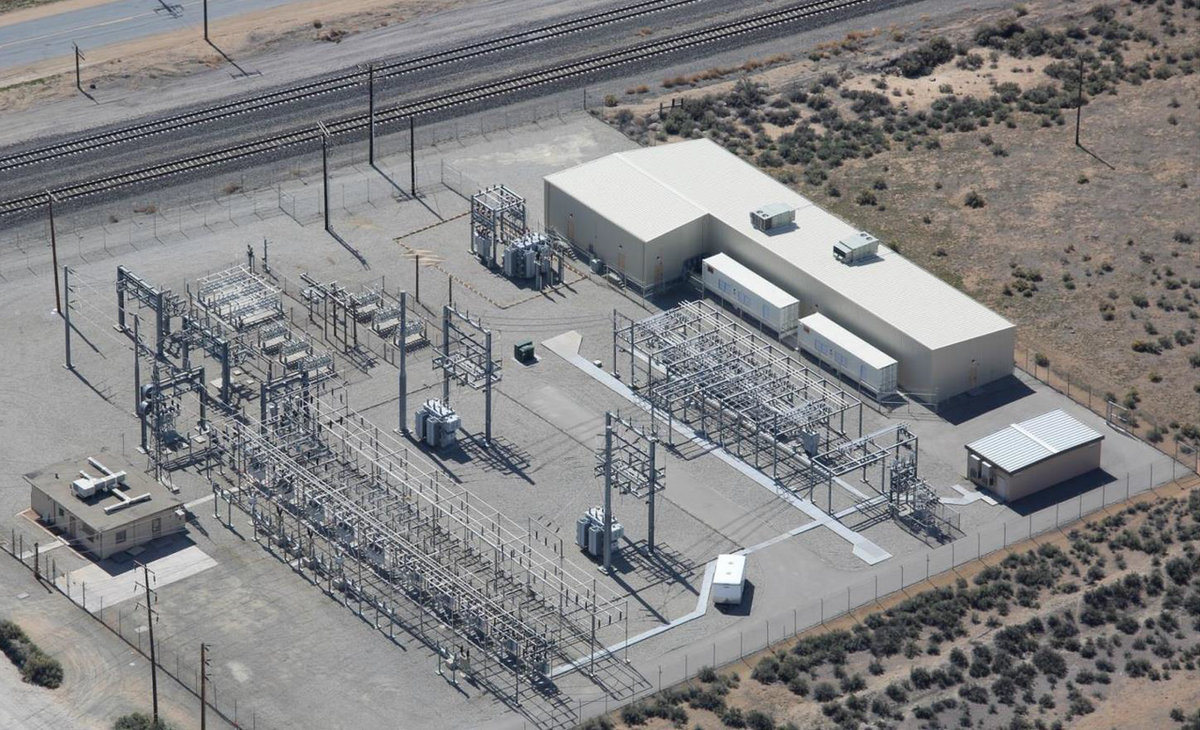
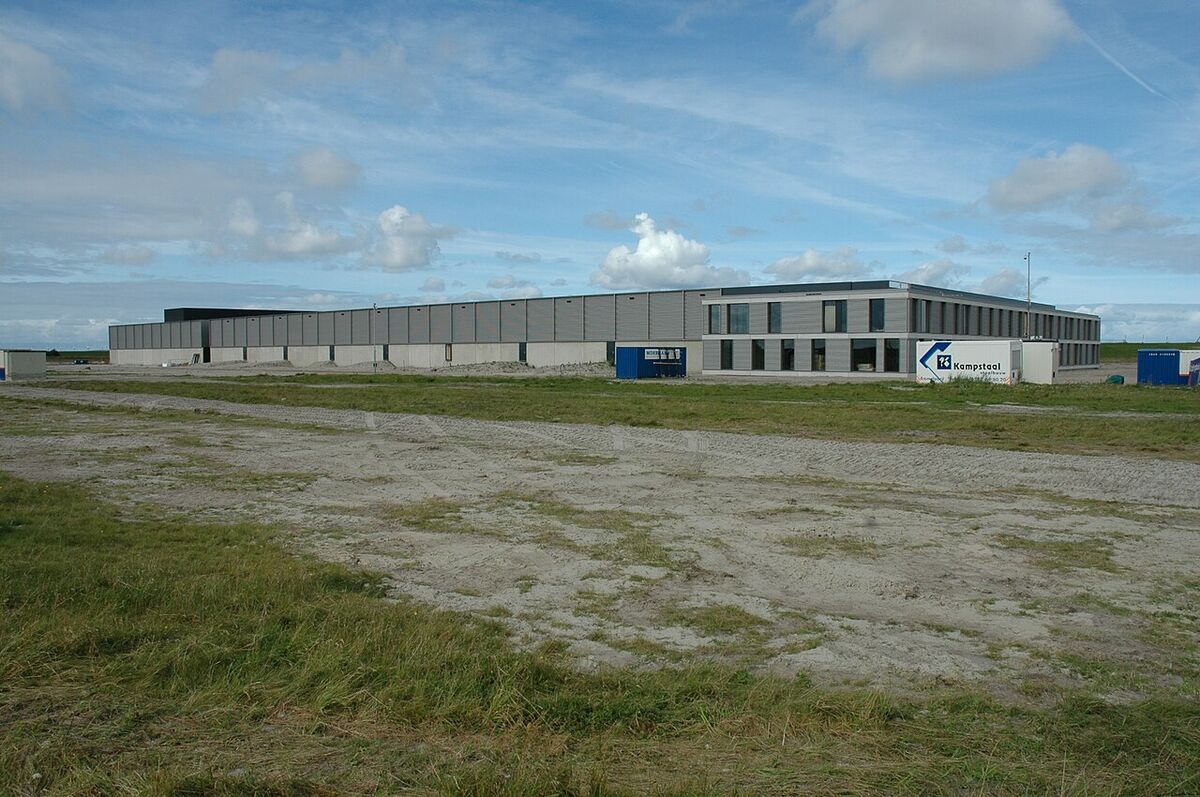
- A Tiny Footprint: This is the big one for the environment. DLE facilities look more like standard water treatment plants than sprawling, multi-acre mining operations. They use significantly less land and drastically reduce the freshwater consumption that plagued traditional methods.
- Unlocking New Locations: Because DLE is so efficient, it makes it economically viable to extract lithium from lower-grade brine sources. Suddenly, places like the Salton Sea in California or geothermal sites in Europe are becoming major lithium hubs, shifting the geopolitical balance of battery production away from traditional monopolies.
How Does DLE Affect Everyday Consumers?
DLE affects you mainly through cheaper and more responsibly sourced batteries.
If you've been watching the price of EVs lately, you'll notice they've finally started hitting true price parity with gas cars. A huge chunk of that price drop is directly tied to a stabilized, cheaper, and faster lithium supply chain powered by DLE.
Furthermore, as companies push for "sustainable lithium" to satisfy strict new environmental regulations in Europe and the US, DLE is the only viable path forward. When you buy a phone or a car in 2026, the 'green' premium is shrinking because the raw materials are actually being sourced more responsibly.
What Challenges Does DLE Still Face?
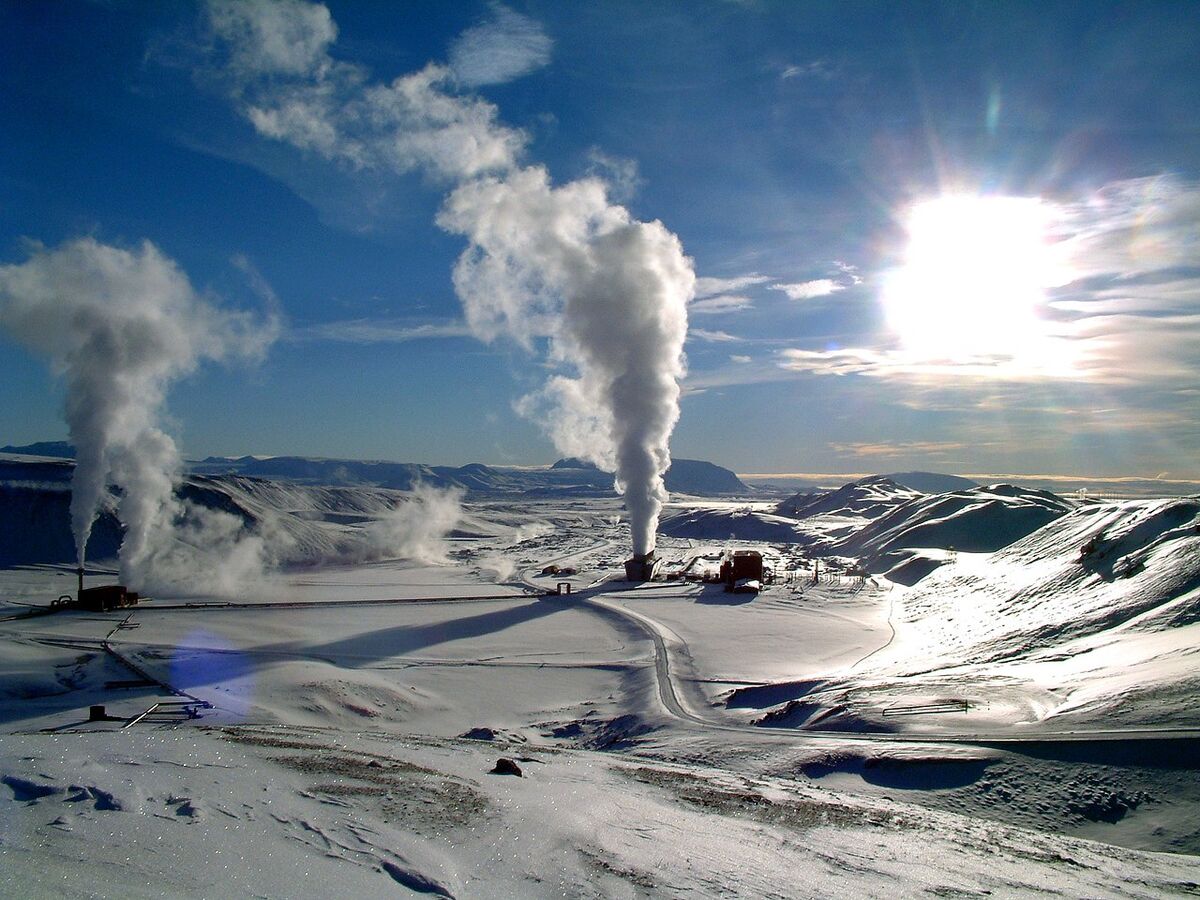
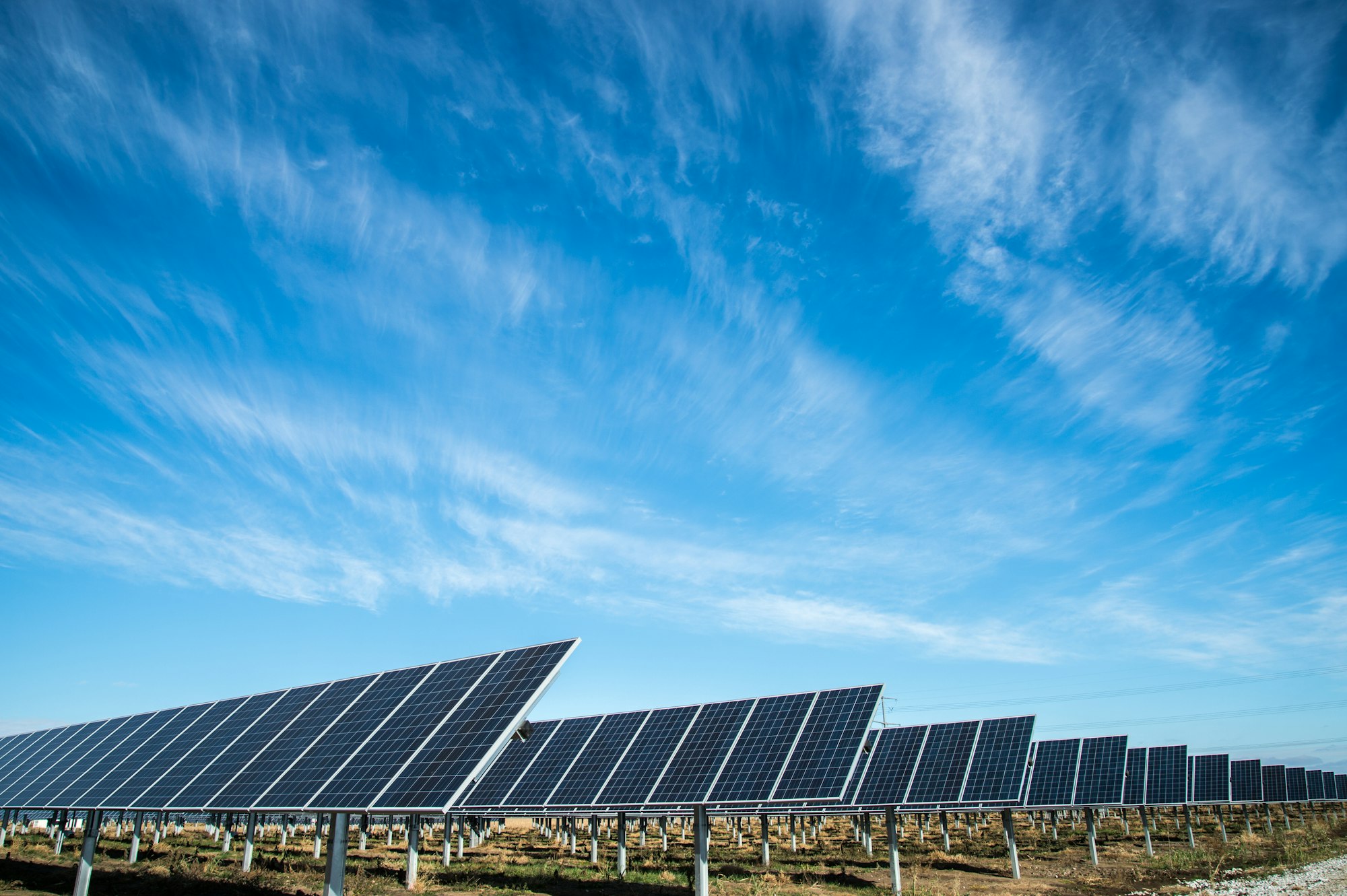
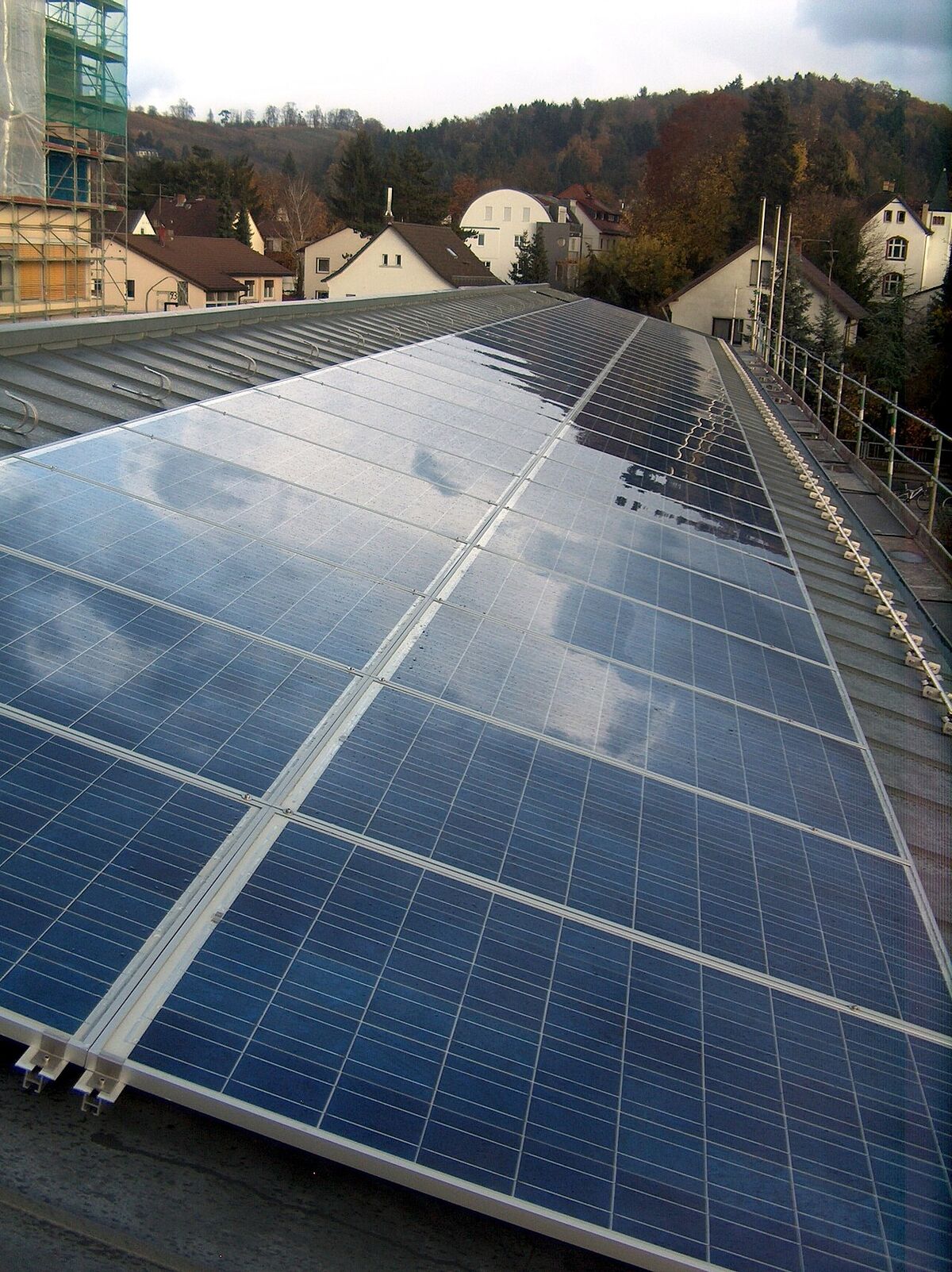
DLE still faces two big challenges: high energy use and uncertain long-term effects of brine reinjection. Running those pumps and filtration systems requires a lot of power. If a DLE plant is powered by a dirty coal grid, it negates a lot of the environmental benefits. The gold standard now emerging—and the model worth watching in this space—is DLE paired with geothermal or solar energy.
We are also still figuring out the long-term effects of reinjecting massive amounts of processed brine back into the aquifers. It is significantly better than evaporation, but it requires careful monitoring.
Will DLE Solve the Lithium Shortage?
DLE won't do it alone, but it changes the question. We spent years worrying that we simply wouldn't have enough lithium to power the green transition. But human ingenuity is a wild thing. Direct Lithium Extraction is proving that we don't necessarily need more mines; we just need smarter ones.
As we look toward the second half of the decade, the companies that master DLE aren't just going to dominate the battery market—they are going to be the foundational pillars of the entire 21st-century tech economy. Keep an eye on this space; it's moving incredibly fast.