The End of the Waitlist? My Deep Dive into 3D Bioprinting in 2026
- Health, Technology
- Exienent
- · Updated
In 2026, 3D bioprinting is already treating burns, printing replacement cartilage and producing miniature organs for drug testing, but complex, fully functional solid organs for transplant are likely still a decade or more away. The biggest obstacle is printing the dense network of blood vessels that keeps thick tissue alive.
The stakes could hardly be higher. Thousands of people are currently sitting on organ transplant waitlists, hoping against the odds for a matching donor—a heartbreaking reality that has plagued modern medicine for decades. Recently, though, the conversation has shifted. The buzz in the medical tech world isn't just about finding more donors; it's about printing organs, as 3D bioprinting moves from theoretical science fiction into practical medical application. Here is how close we really are to printing a fully functional human heart.
How Do You Actually 'Print' Biology?
Bioprinting builds tissue layer by layer, just like a standard 3D printer, but with living cells instead of plastic. If you have used a standard 3D printer to make a plastic trinket, you understand the basic concept: a nozzle extrudes material layer by layer to build a 3D object. Bioprinting works on the exact same principle, but the materials are radically different.
Instead of melting plastic, these specialized printers use bio-ink. This "ink" is a mixture of living human cells (often stem cells) suspended in a supportive hydrogel that acts like a scaffold. The printer precisely deposits these living cells layer by layer, essentially building human tissue from the ground up.
What Can 3D Bioprinting Already Do Today?
Bioprinting is already used for skin grafts, cartilage and bone, and drug testing. We aren't quite at the point where you can order a custom kidney on Amazon, but the progress being made today is still mind-blowing.
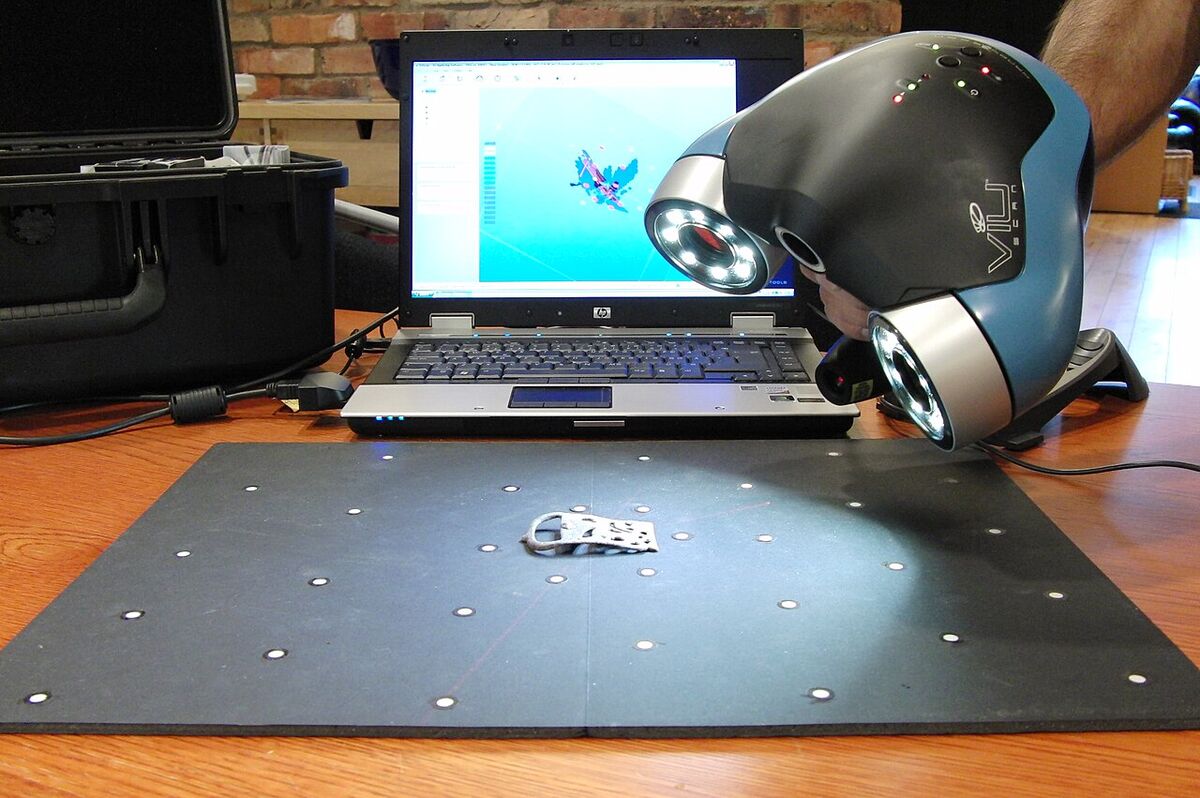
- Skin Grafts and Burn Treatment: This is where bioprinting is seeing the most immediate real-world use. Hospitals are beginning to use portable bioprinters that can literally scan a severe burn wound and "print" custom-fit skin cells directly onto the patient's body, drastically reducing healing time and scarring.
- Cartilage and Bone: Because these tissues are relatively simple and don't require complex networks of blood vessels, they are easier to print. Researchers are successfully printing replacement cartilage for knee injuries, tailored perfectly to the patient's anatomy based on MRI scans.
- Pharmaceutical Testing: Before a new drug hits the market, it needs to be tested. Instead of relying solely on animal testing, pharmaceutical companies are now using 3D-printed miniature human organs—like tiny functional livers or lung tissues—to see exactly how a drug will affect human biology. It's faster, more accurate, and far more ethical.
Why Can't We Print a Whole Heart Yet?
A whole heart can't be printed yet because of the plumbing: the vascular system.
Solid organs like the liver, kidneys, and heart require a massive, incredibly complex network of tiny blood vessels (capillaries) to deliver oxygen and nutrients to every single cell. If you print a thick chunk of liver tissue but don't include a working vascular system, the cells on the inside will simply suffocate and die within minutes.
Figuring out how to print these microscopic, branching networks of blood vessels without them collapsing is the hardest problem in bioprinting right now.
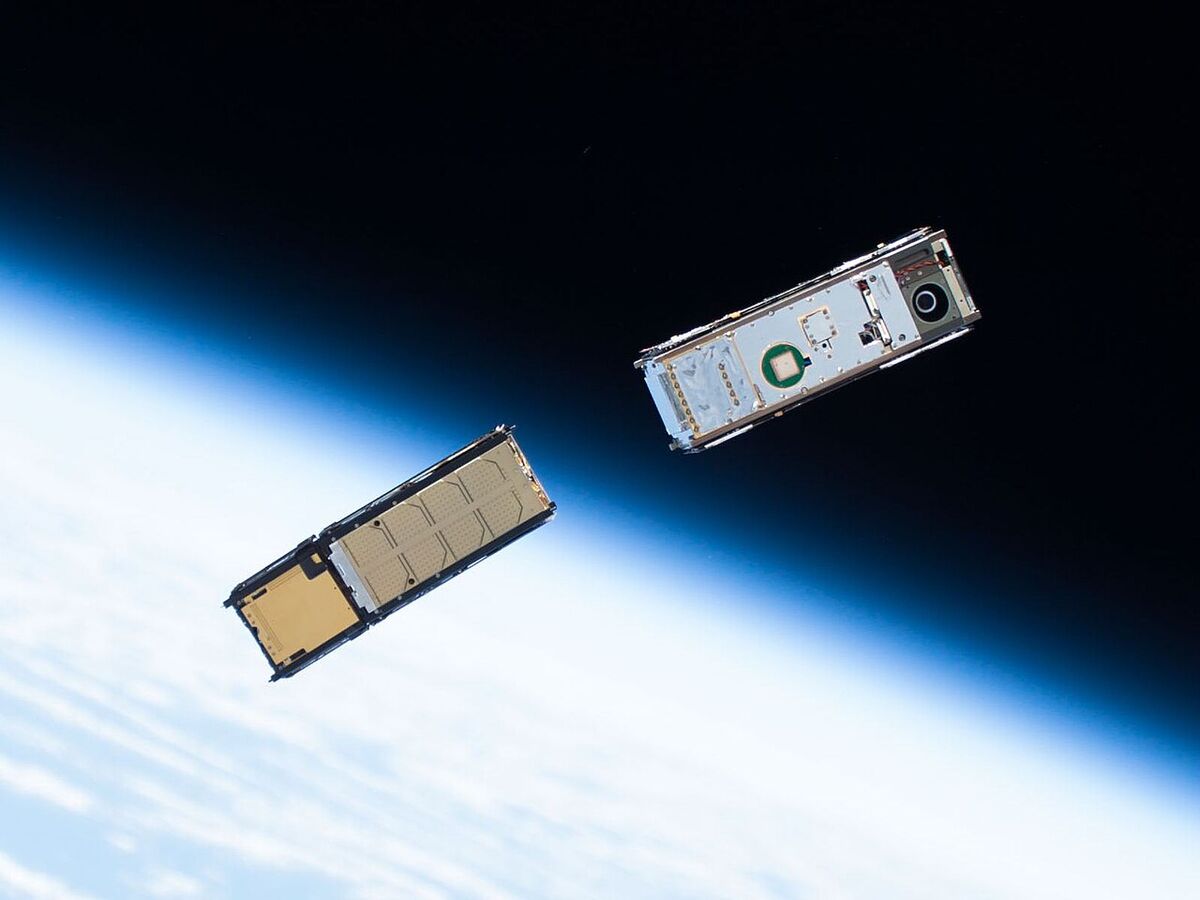
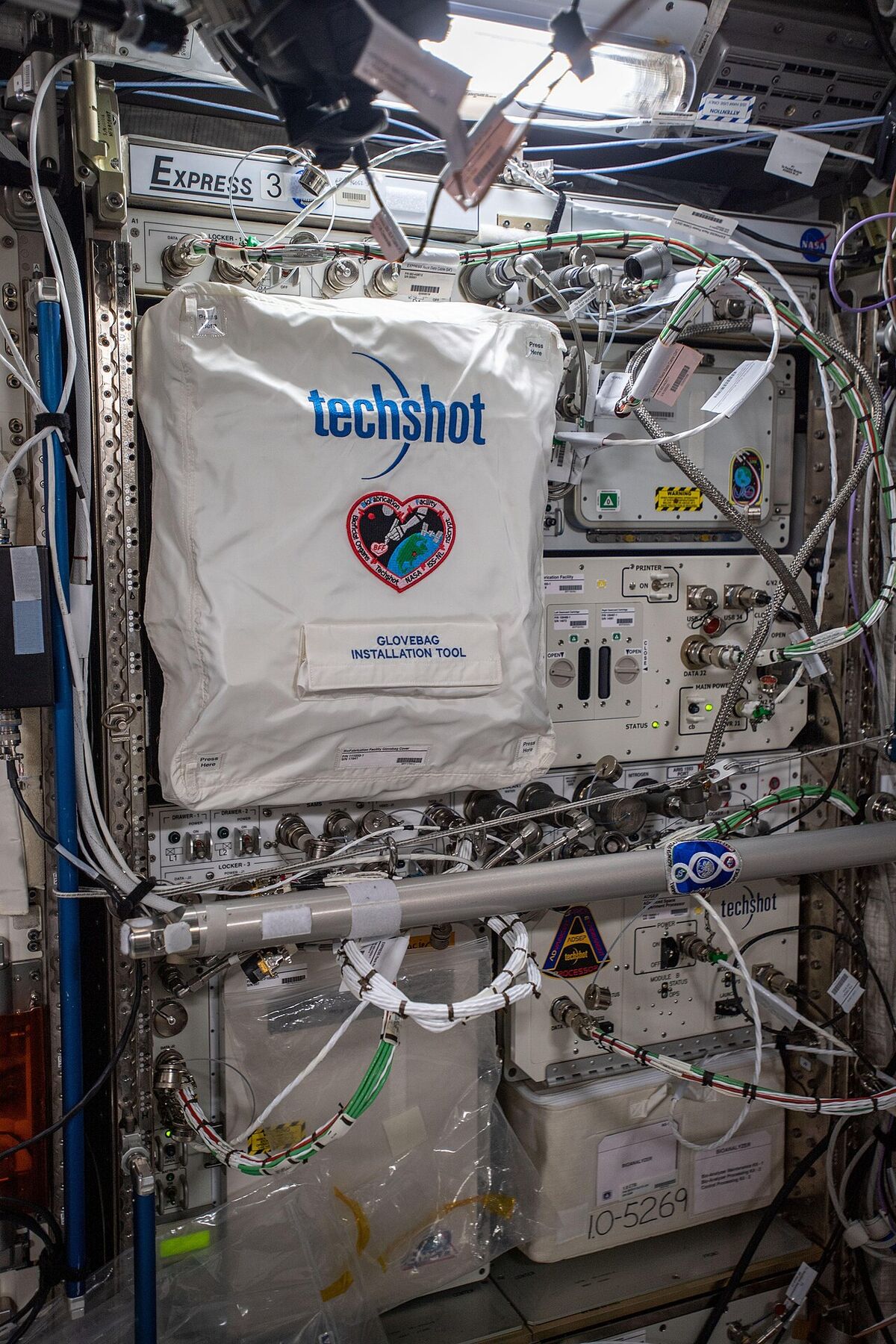
However, there is hope. Teams are experimenting with sacrificial inks—printing the blood vessels out of a material that dissolves away after the surrounding tissue is built, leaving hollow channels behind for blood to flow through. Others are exploring printing in zero-gravity environments (like aboard the International Space Station) where delicate tissues can be assembled without gravity causing them to collapse before they solidify.
Could 3D Bioprinting End Organ Waitlists?
It could, because the ultimate goal of 3D bioprinting isn't just to increase the supply of organs; it is to eliminate the problem of organ rejection entirely.
The vision for the near future is this: if you need a new kidney, doctors will take a small biopsy of your own skin or fat cells. They will revert those cells back into stem cells, multiply them in a lab, turn them into bio-ink, and print you a brand-new kidney using your own DNA. Because the organ is made from your own cells, your immune system won't attack it. You wouldn't need to take harsh immunosuppressant drugs for the rest of your life.
We are likely still a decade or more away from printing complex, fully functional solid organs for human transplant. But looking at the trajectory of the technology in 2026, the question is no longer if we will be able to print human organs, but when. The day the organ waitlist becomes a relic of the past is finally visible on the horizon.