What a Gut Microbiome Test Can Reveal About Your Diet
An at-home gut microbiome test analyzes a small stool sample with DNA sequencing and reports which microbes live in your gut, along with food suggestions based on that profile. For people who already eat "healthy" but still deal with afternoon energy slumps or unexplained bloating, it can replace guesswork with specific data. It isn't a medical diagnosis, though, and persistent digestive symptoms belong with a doctor.
This isn't a medical journal, just an overview of how these tests work, the kind of surprisingly specific data they return, and the diet changes they can point toward.
What Is a Gut Microbiome Test?
A gut microbiome test analyzes the trillions of bacteria, fungi, and other microbes living in your intestines. You provide a small stool sample (yes, it's exactly as awkward as it sounds, but you do it in the privacy of your own bathroom), mail it off to a lab, and a few weeks later, you get a detailed breakdown of your gut flora.
These tests use advanced DNA sequencing to identify the specific strains of bacteria present and compare your profile to healthy baselines. It can show you:
- Diversity levels: Do you have a rich variety of microbes, or is one bad actor taking over?
- Beneficial bacteria: Are you lacking the good guys that produce short-chain fatty acids (like butyrate)?
- Pathogens: Are there low-level infections or harmful bacteria causing inflammation?
How Does the Testing Process Work?
The process is quick: the kit arrives in a small, discreet box, and the instructions are straightforward. You collect the sample using a tiny swab, put it in a stabilizing liquid, seal it up, and drop it in the mail. The whole thing can take less than five minutes.
The hardest part is waiting, since results arrive via the provider's app a few weeks later. It's easy to catch yourself over-analyzing every meal in the meantime. Did that apple just feed my good bacteria? Did that extra shot of espresso nuke them?
What Kind of Results Can You Expect?
Results can be a reality check even for people who eat plenty of salad. An overall diversity score of just "average" is possible, and the specific breakdowns can be the most interesting part. A report might flag findings like these:
- Low Butyrate Producers: A shortage of the bacteria responsible for producing butyrate, a crucial short-chain fatty acid that reduces inflammation and keeps the gut lining healthy.
- Troublemaker Overgrowth: A slight overgrowth of a specific bacterial strain associated with bloating and gas when digesting certain carbohydrates.
- The "Healthy" Foods Betrayal: An AI-driven analysis may even suggest that staple "healthy" foods, such as broccoli and almonds, could be contributing to inflammation for your particular microbial makeup.
How Can You Change Your Diet Based on the Data?
Modern microbiome tests don't just give you raw data; they provide actionable, AI-generated insights and food recommendations. Recommendations might look like this:
1. Swapping the Greens Someone eating large bowls of raw broccoli and kale might be told to switch to cooked spinach, asparagus, and zucchini, which can be easier for some gut profiles to break down. For some people, that kind of swap may ease bloating they had come to accept as "normal."
2. Feeding the Good Guys (Prebiotics) Boosting butyrate-producing bacteria can mean increasing your intake of specific prebiotic fibers, for example:
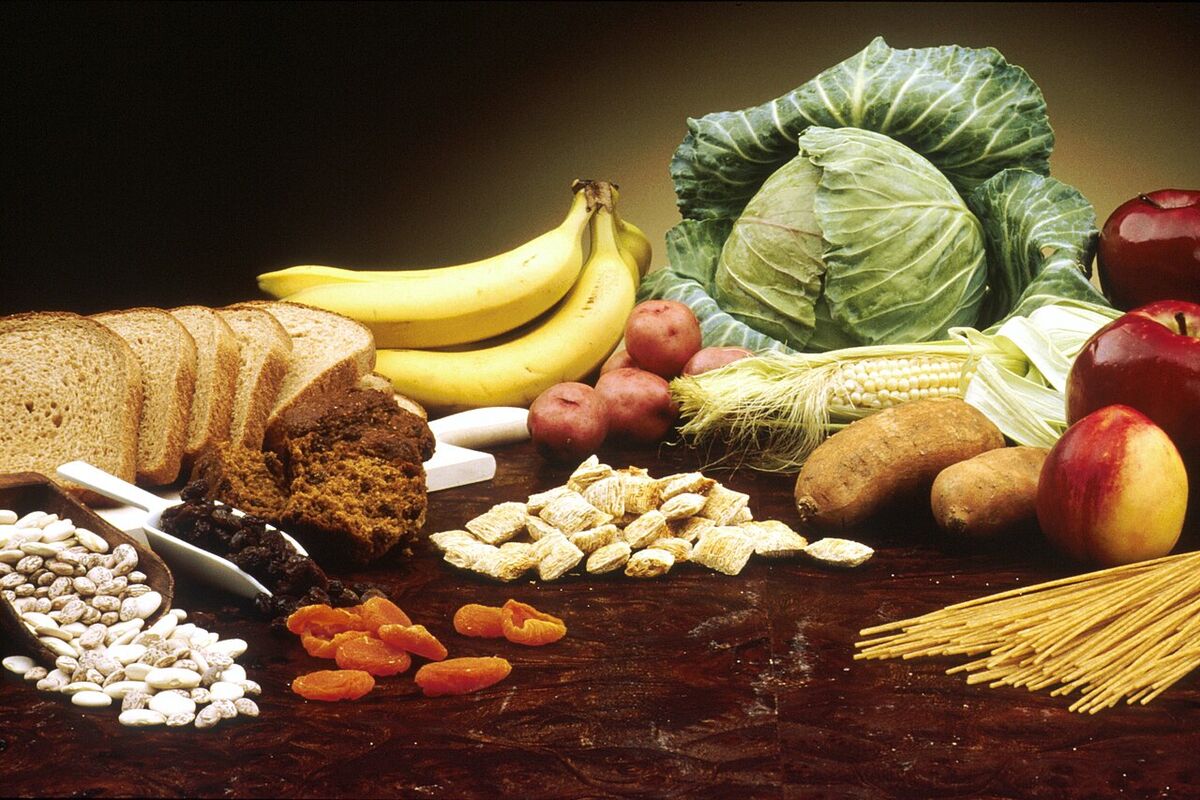
- Adding a spoonful of ground flaxseed to morning oatmeal.
- Using more garlic, onions, and leeks in cooking.
- Adding cooked and cooled potatoes (which are high in resistant starch) to lunch salads.
3. Targeted Probiotics Instead of a generic, broad-spectrum probiotic off the shelf, the app may recommend a blend tailored to your deficiencies, such as a supplement focused on Bifidobacterium strains. It's worth checking supplements with a doctor or pharmacist, especially if you take other medication.
4. The Variety Rule A report may emphasize that gut diversity comes from plant diversity. If you eat the same handful of vegetables every week, one rule to try is eating 30 different plant-based foods a week (this includes nuts, seeds, spices, and grains, so it's easier than it sounds).
What Changes Can You Realistically Expect?
Don't expect results overnight. Any changes, if they come, build up over weeks of sticking to the tailored plan, and they will vary from person to person.
Possible improvements include steadier energy, fewer afternoon crashes, more predictable digestion, and less random bloating, but none of these are guaranteed.
Perhaps the more lasting shift is in mindset: thinking about food less as just "good" or "bad" and more as fuel for your microbes.
Is a Microbiome Test Worth It?
If you are dealing with chronic digestive issues or unexplained fatigue, start with a doctor, since these tests aren't diagnostic. If you are a data nerd who wants to optimize your diet, I think a test can be a useful tool. It takes some of the guesswork out of eating, so you stop following generic advice from influencers and start eating for the specific ecosystem living inside you.
It's an investment (usually ranging from $150 to $300), but compared to buying random supplements that may or may not work, having personalized data can be empowering. Just be prepared to find out that your favorite "superfood" might not be so super for you.