Switching to Barefoot Shoes: How the Transition Can Rewire the Way You Walk
Barefoot shoes are flat, thin, flexible shoes with a wide toe box, built to let your feet move the way they do without shoes. Switching to them can change how you walk and stand, but the transition has to be slow, the benefits vary from person to person, and there are real downsides around comfort on hard floors, looks, and price.
They have gained a highly passionate community, often among people tired of thick-soled, heavily cushioned sneakers with massive arch support and pointed toes. The appeal is counterintuitive: instead of more cushioning, less, so the feet do the work they were naturally designed to do. This guide breaks down what barefoot shoes are, what the adjustment can look like, and where they fall short.
What Exactly Are Barefoot Shoes?
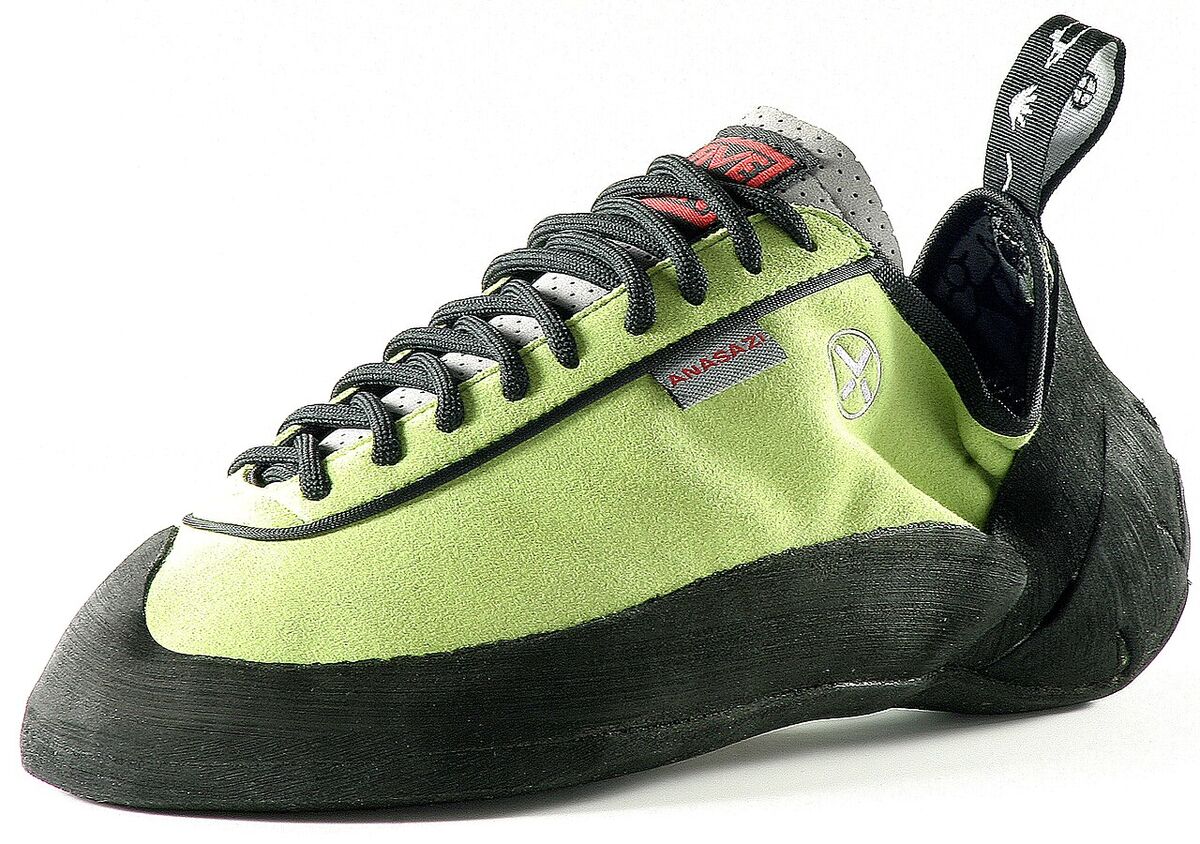
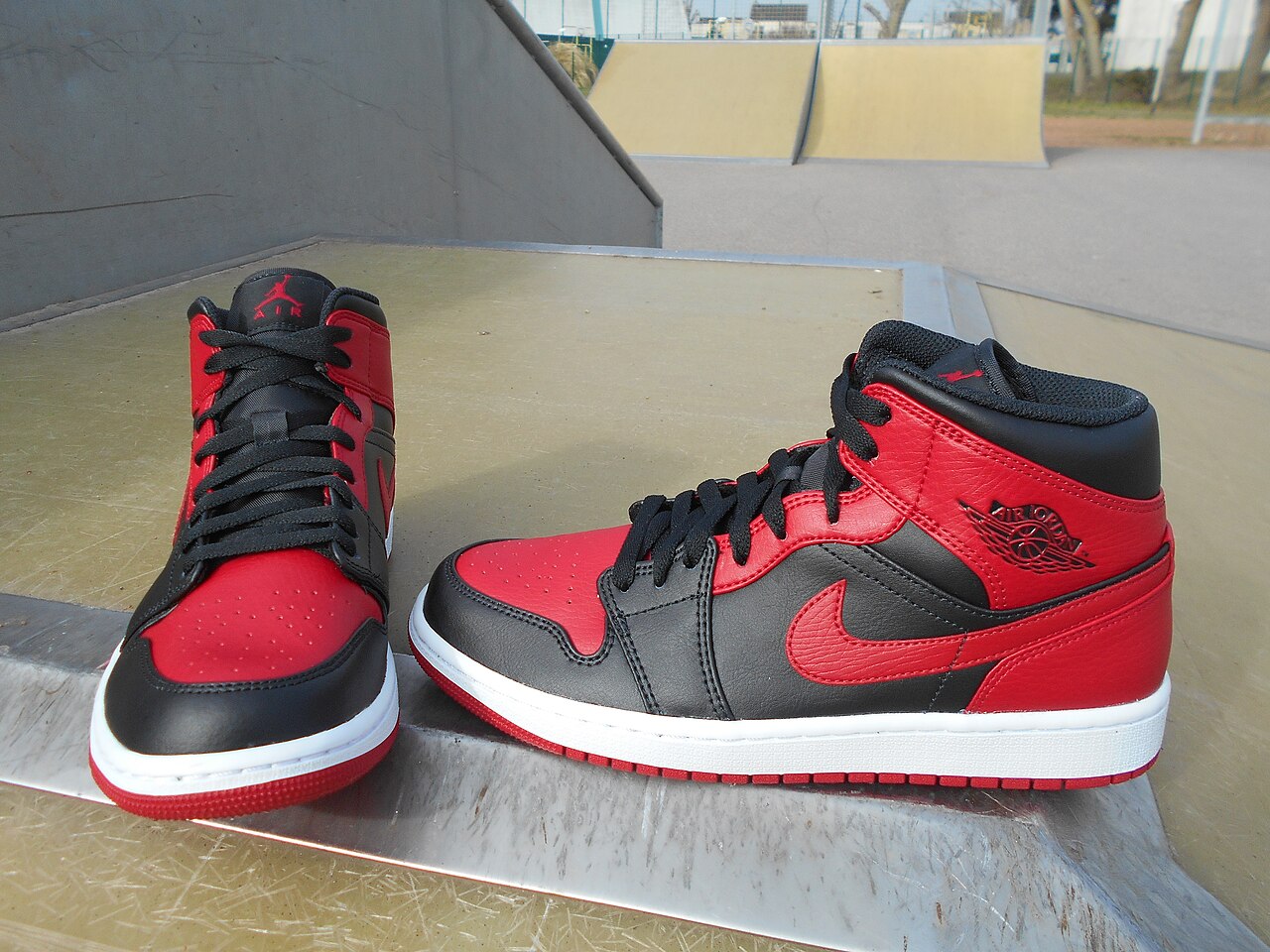
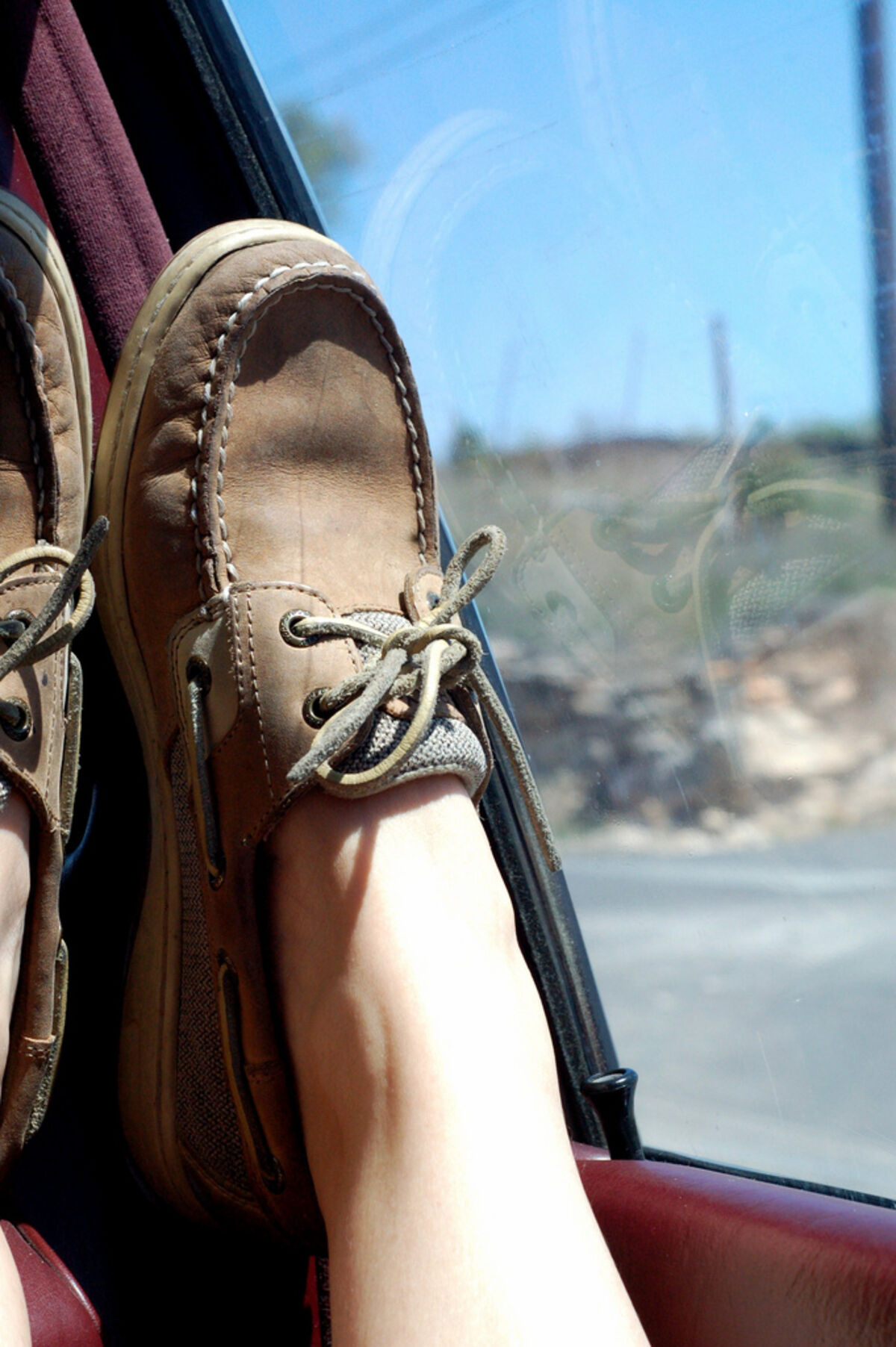
Barefoot shoes (also known as minimalist shoes) are shoes that skip the mattress-like cushioning of traditional sneakers. A true barefoot shoe adheres to three critical design principles:
- Zero-Drop Sole: This is the big one. Traditional running shoes have elevated heels (usually an 8mm to 12mm "drop" from heel to toe). A zero-drop shoe is completely flat. Your heel and the ball of your foot are perfectly level with the ground, exactly as they are when you stand barefoot.
- Wide Toe Box: Grab the shoe you wear most often and look at the tip. Does it come to a point? Human feet are actually shaped like a fan, widest at the toes. Barefoot shoes feature a wide toe box that allows your toes to naturally splay out and grip the ground, rather than being squished together.
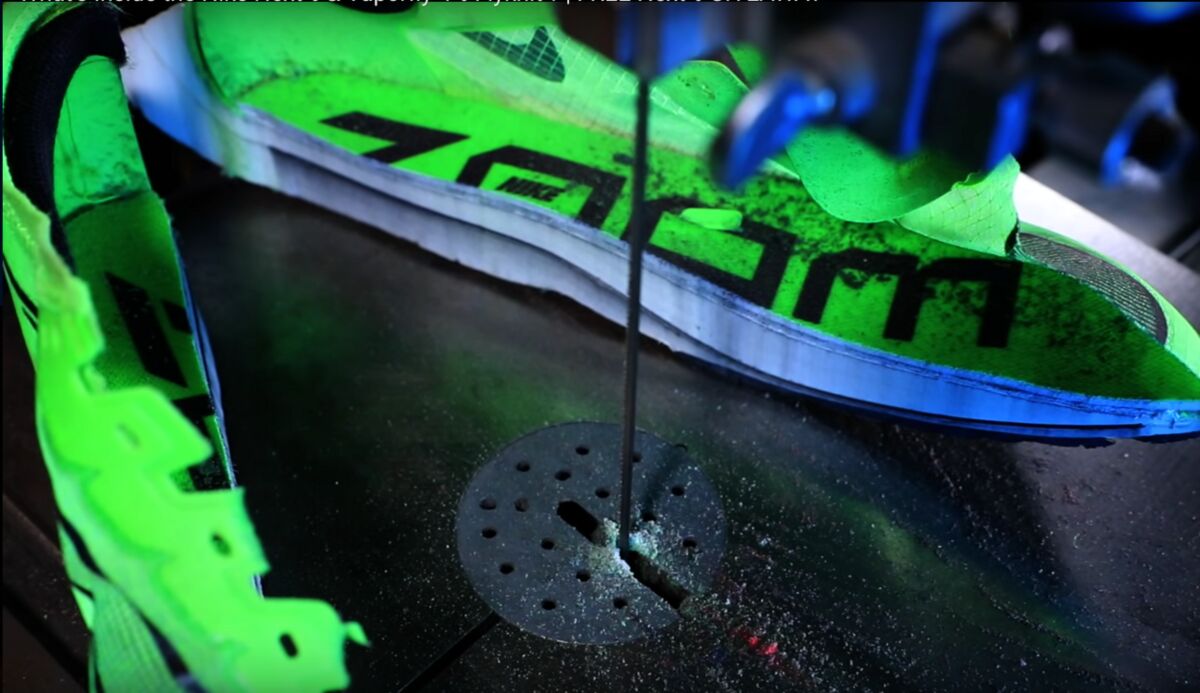
- Minimalist Cushioning & High Flexibility: The soles are incredibly thin and flexible. You can literally roll a good barefoot shoe into a ball. The goal is maximum ground feel, allowing the thousands of nerve endings in your feet to send accurate feedback to your brain about your posture and balance.
How Should You Transition to Barefoot Shoes?
Transition gradually. If you switch cold turkey and immediately go for a long run, you are likely to get hurt, because your Achilles tendon and calf muscles have been artificially shortened by years of wearing elevated heels.
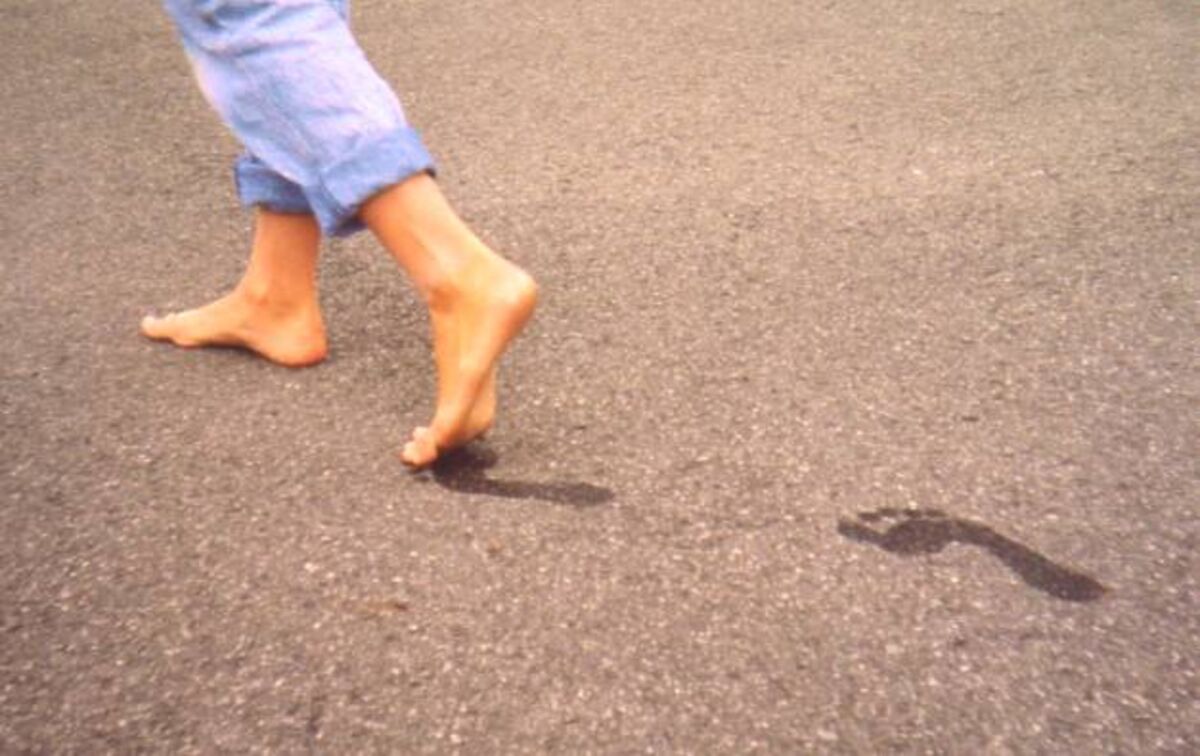
A cautious start means wearing the new shoes only for short walks around the neighborhood and while doing chores at home, then building up over time. The initial feeling is undeniably weird. You suddenly feel every pebble, crack, and texture on the sidewalk. Without a chunk of foam under the heel, your walking gait tends to change: instead of striking the ground hard with the heel (which sends a shockwave up toward the knees), you may shift to a softer, mid-foot strike.
Calf soreness can be part of this phase, as muscles that cushioned shoes left underused start working again.
What Benefits Can a Wide Toe Box Bring?
A wide toe box gives toes room to spread out, which can improve balance and stability. Toes that narrow footwear has pushed into a slightly curled position may gradually lie flatter once they have space.
That toe splay can make a difference when doing squats or deadlifts at the gym (where barefoot shoes are increasingly popular), letting the feet grip the floor like anchors.
Removing the artificial heel lift may also let the pelvis settle into a more neutral position, which could ease aches during long walks for some people. Treat that as a possibility rather than a promise: results differ, and persistent knee, back, or foot pain is a reason to see a doctor or physical therapist before changing footwear.
What Are the Downsides of Barefoot Shoes?
Barefoot shoes are not a magic cure-all, and there are distinct downsides you have to be prepared for:
- Aesthetic Challenges: Let's face it, they look a bit funny. The foot-shaped design often looks wider and clunkier than the sleek, pointed sneakers we are used to.
- Standing on Concrete: While they are great for walking or moving, standing perfectly still on hard concrete for hours (like at a standing desk or a retail job) with zero cushioning can be surprisingly fatiguing. Your feet have to work constantly to stabilize you.
- The Price: Despite using significantly less material than traditional sneakers, quality barefoot shoes from premium brands are often incredibly expensive, routinely costing over $150.
Are Barefoot Shoes Worth Switching To?
For everyday walking, running errands, and weightlifting, barefoot shoes can be worth trying, especially if you want more ground feel. After adapting, going back to heavily cushioned running shoes can feel strange, like standing on unstable, squishy platforms that squeeze the toes and tip your balance forward.
In my view, giving your feet the space to function naturally is a sensible experiment, but it is not a guaranteed fix for posture or joint pain. If you are dealing with pain, get it checked first; if you simply want to feel more connected to the ground beneath you, a minimalist shoe might be a worthwhile upgrade this year. Just remember to take it slow!