Leaving the Office for the Wilderness: Remote Working with a Portable Power Station
A high-capacity portable power station (over 2000Wh) can make off-grid remote working realistic, powering a laptop, a Starlink dish, and small appliances through a workday. The catch is that "unlimited" power takes planning: inverter losses, a roughly 50-pound unit, and solar panels that rarely behave like the spec sheet.
The dream of working from a picturesque mountainside usually hits a brick wall the moment your laptop battery dips below 10%. You pack the car, find the perfect spot, set up your folding chair, and then spend half the day obsessing over the tiny battery icon on your screen. Pocket-sized power banks are fine for keeping a smartphone alive, but not for a serious digital nomad setup—a MacBook Pro, a Starlink dish, and maybe a small fan when the sun gets too intense.
How Much Can a Portable Power Station Really Run?
More than enough for a work setup, but less than the marketing implies. Ads for these portable battery generators often show people running blenders, hair dryers, and power tools in the middle of a forest. While you can do that, the reality of off-grid living is much more calculated.
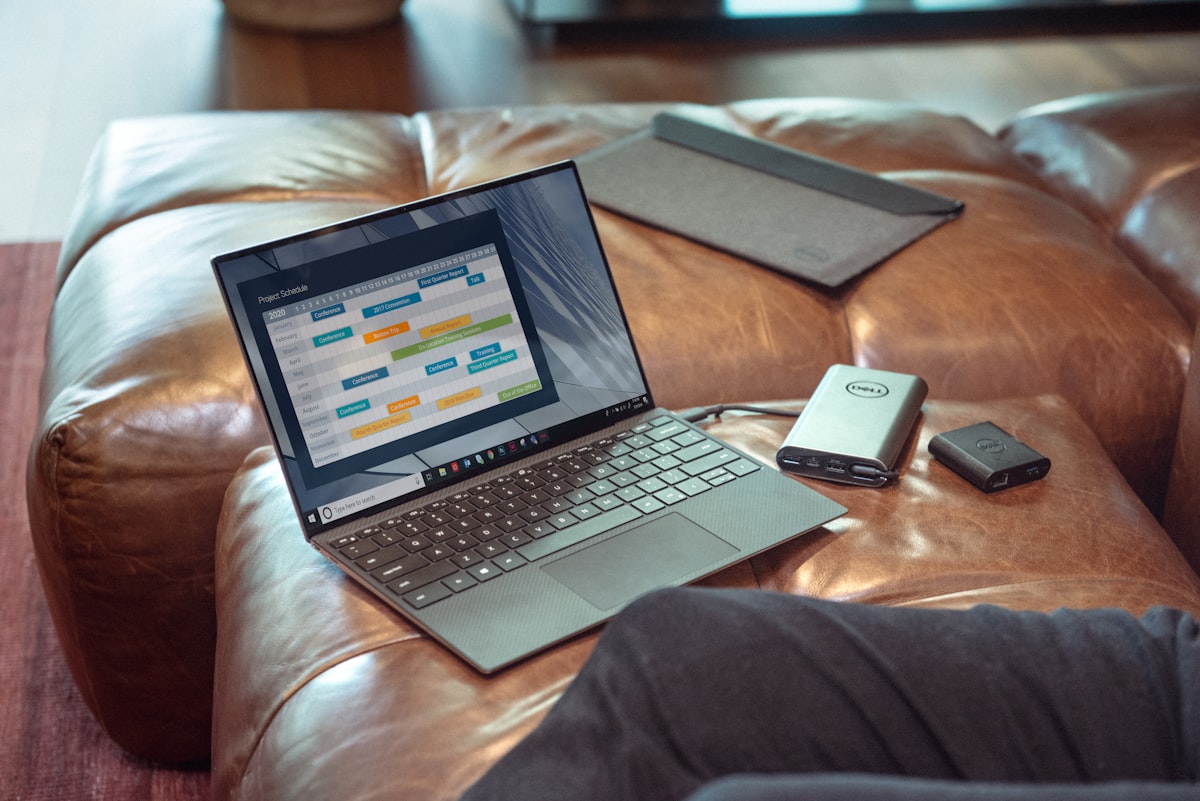
A realistic core setup might look like this:
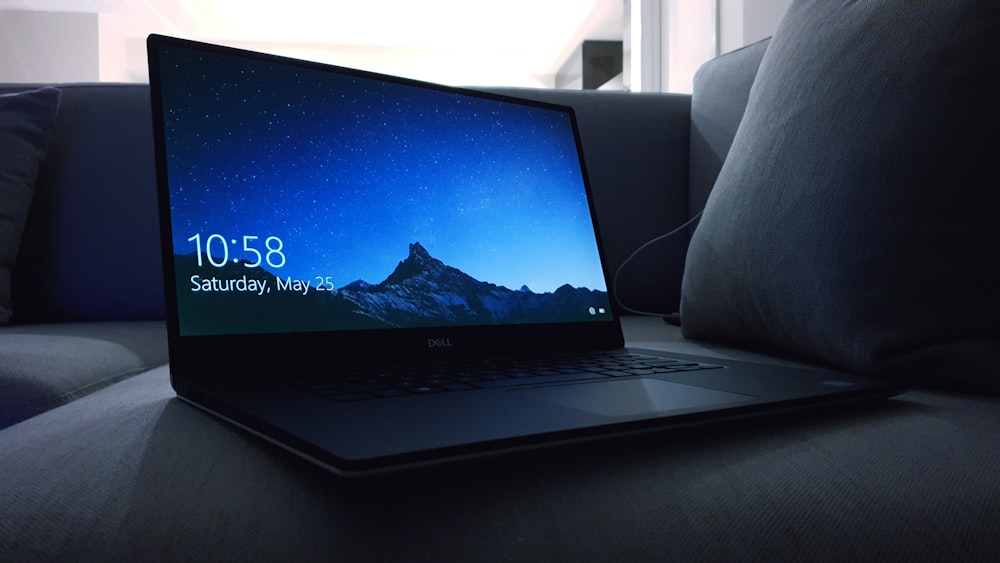
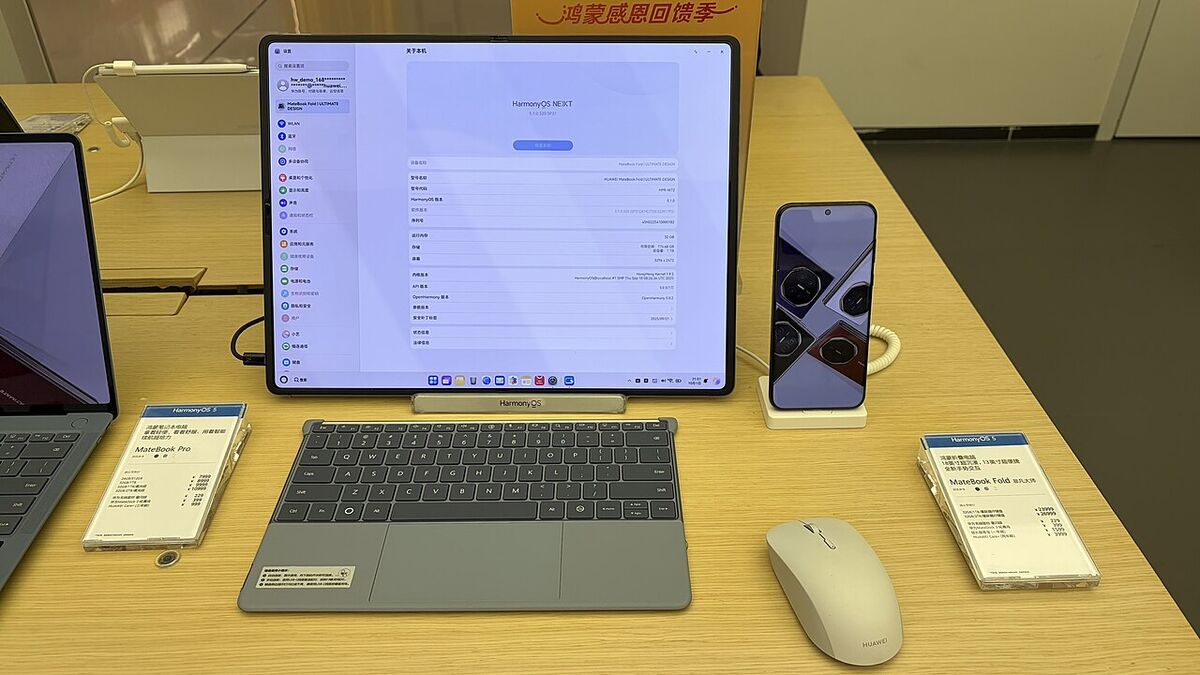
- A 16-inch laptop (the primary work machine).
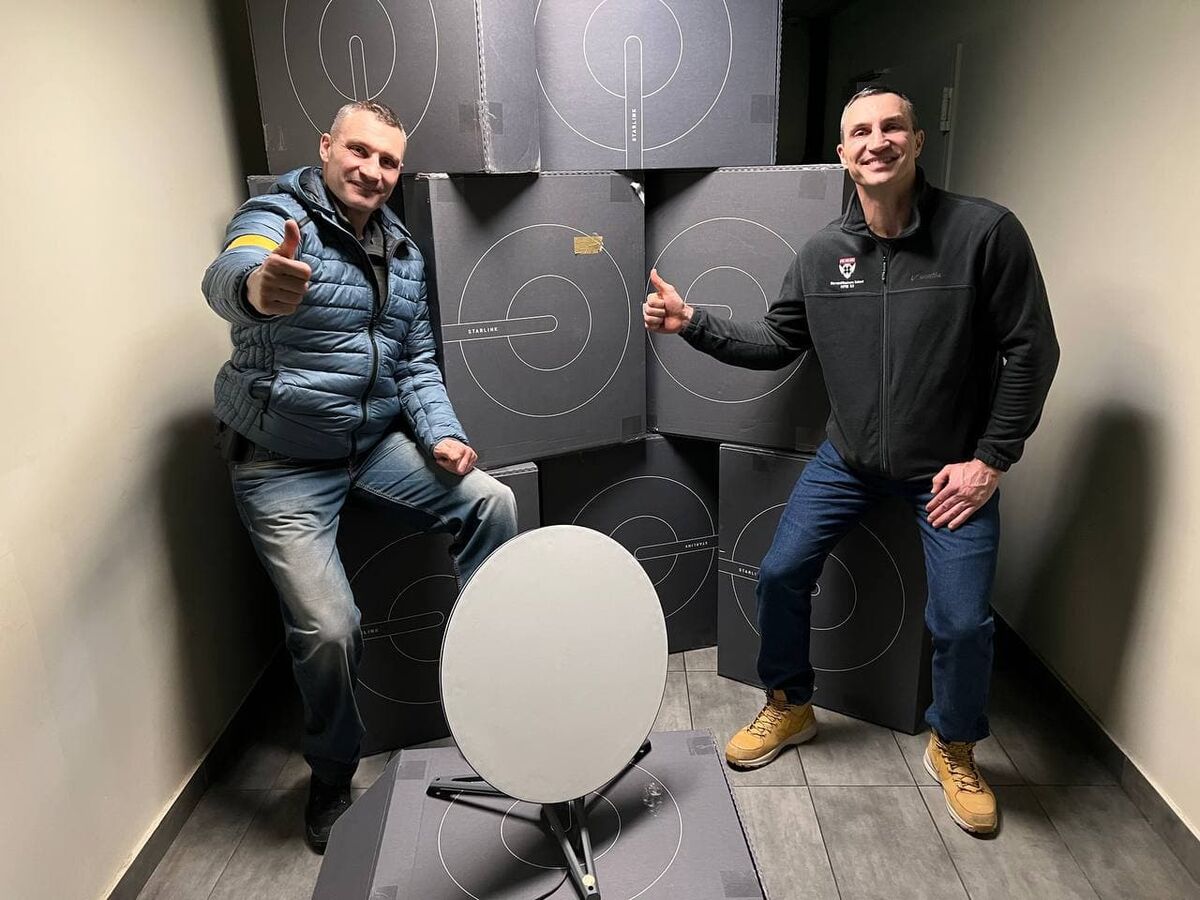
- A Starlink satellite internet dish (the real power hog).
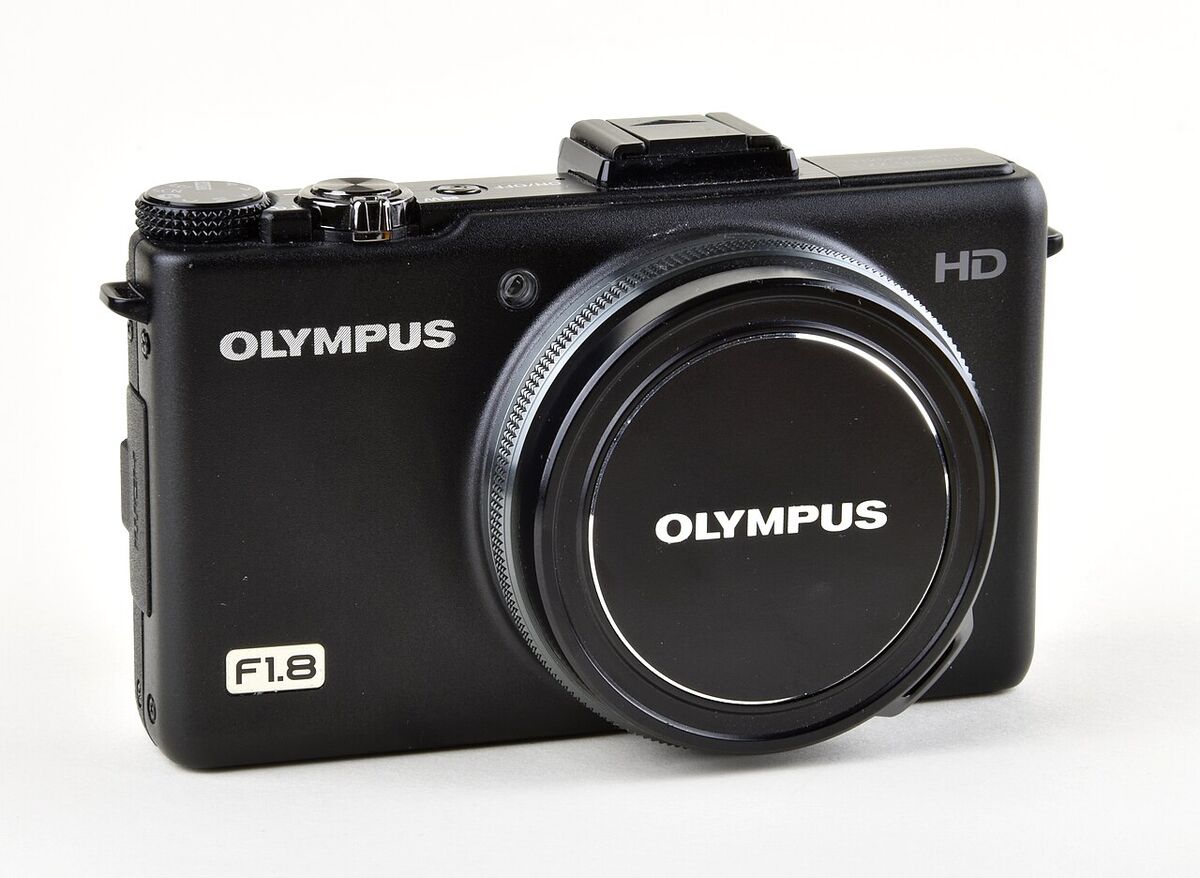
- A smartphone and a mirrorless camera.
- A small 12V portable fridge to keep lunch from spoiling.
Why Does Inverter Efficiency Matter?
Inverter efficiency matters because conversion wastes energy. When you plug a standard AC plug (like your laptop charger) into the power station, it has to convert the battery's DC power into AC power. This process alone loses about 10-15% of your energy.
Pro Tip: Whenever possible, use the high-wattage USB-C PD (Power Delivery) ports to connect the power station directly to your laptop. This skips the AC inverter entirely, which can save a significant amount of battery over the course of a week.
What Are the Biggest Advantages for Remote Work?
The biggest advantage of a huge power station is simply peace of mind.
- Silent Operation: Unlike traditional gas generators, a battery power station is virtually silent, so you can take video calls with clients while sitting right next to it.
- The Starlink Synergy: If you are using satellite internet for remote work, a large power station is mandatory. The dish draws a constant 50-70 watts. Over a 10-hour workday, that eats up a massive chunk of energy, and a 2000Wh station can cover a full day of laptop charging and Starlink use.
- Fast Charging: On days you drive into town for supplies, a fast-charging station can be plugged into a standard wall outlet at a coffee shop and refill a large share of its capacity during a short stop. Rapid charging can be a game-changer for the vanlife community.
What Are the Drawbacks You Should Know About?
The main drawbacks are weight and solar expectations, two things glossy YouTube reviews don't always emphasize.
First, the weight. Do not underestimate what 50 pounds (about 23 kg) feels like when you are carrying it over uneven terrain from your car to a remote campsite. This is not something you toss casually into a backpack; it's a serious piece of equipment.
Second, solar charging expectations. A 200W foldable solar panel sounds like an infinite loop of clean energy, but solar is incredibly temperamental. If a cloud passes over, or if you park near a tree that casts even a sliver of shadow on the panel, your charging input plummets. In real-world conditions, a panel can deliver well below its advertised "200W," even in direct sunlight.
Is a Portable Power Station Worth the Investment?
It depends on how you'll use it. If you occasionally go camping for a weekend and just need to charge your phone, save your money and stick to a cheap $50 power bank.
But if you are serious about remote work, if you dream of extending your weekends into full work weeks without returning to the city, or if you want a reliable backup power source for home emergencies, I think a high-capacity portable power station can be worth the money. It can change how and where you earn a living: instead of looking for coffee shops with outlets, you can look for locations with the best view.