What Is 'Raw Dogging' a Flight? Why This Extreme Digital Detox Trend is Going Viral
- Lifestyle, Travel
- Exienent
- · Updated
"Raw dogging" a flight means sitting through the entire trip with no movies, music, books, or sleep—nothing but the flight map. It has become one of the most talked-about, polarizing, and bizarre travel trends of 2026, framed as the ultimate test of mental fortitude and a hardcore dopamine detox at 30,000 feet.
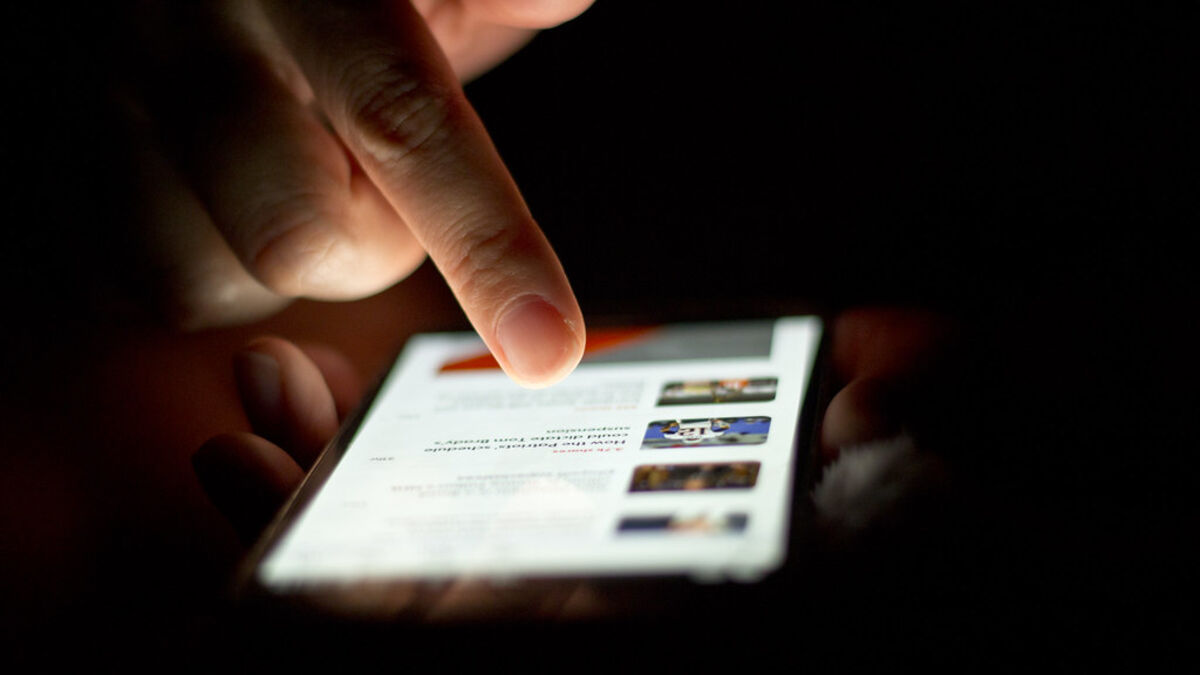
If you've been anywhere near social media lately, you've probably seen the videos. People staring blankly ahead, tracking the flight map for hours, absolutely refusing to look at a screen, read a book, or even listen to music.
For anyone who usually boards a plane with an iPad loaded with three movies, a Kindle full of books, noise-canceling headphones, and a Switch just in case, the thought of sitting completely still with your own thoughts for even 20 minutes can be terrifying. That is exactly why the trend gained serious momentum. Here is what the challenge involves, and what can happen when you force your brain into a sudden, extreme digital withdrawal on a long-haul flight.
What Does "Raw Dogging a Flight" Actually Mean?
Raw dogging a flight means enduring the whole flight without any form of entertainment. The rules of this viral challenge are surprisingly strict. To genuinely participate in this trend, you must board the plane and endure the entire duration of the flight with:
- No Movies or TV: The in-flight entertainment screen stays off.
- No Music or Podcasts: No headphones allowed (except for simple earplugs to block engine noise).
- No Books or Magazines: Reading is considered a distraction.
- No Sleeping: This is the hardest part. You have to stay awake and endure the consciousness.
- Just You and the Flight Map: Watching the tiny digital airplane slowly inch across the globe is the only permitted activity.
It sounds like absolute torture, right? Why are millions of young people suddenly bragging about doing this? It turns out, it's a massive pushback against our hyper-connected, constantly stimulated modern lives.
What Does the Early Dopamine Crash Feel Like?
The early part of a raw-dogged flight can be genuinely uncomfortable. Once the seatbelt sign chimes off, your hands may twitch, and you may keep reaching for a phone that isn't there.
Our brains are so accustomed to cheap, instant hits of dopamine every few seconds—scrolling feeds, checking emails, swiping videos. When you suddenly cut off that supply, the withdrawal can feel surprisingly physical. You might find yourself obsessively tracking the flight map, practically willing the little digital plane to move faster over the ocean, feeling fidgety, anxious, and deeply bored.
Does the Craving for a Screen Go Away?
The craving for a screen can fade as the flight goes on. At some point, the brain may simply accept that no entertainment is coming and stop fighting.
This is the phase the internet talks about—the mental clarity. Without the constant influx of external information, the mind can start organizing its own clutter. Thoughts you usually drown out with podcasts get space to surface, and a problem you've been stuck on may untangle itself without forcing it.
Looking around the cabin, you are likely to see other passengers bathed in the blue glow of a screen, hunched over, absorbing content. Without that screen, you may feel unusually present in the moment: watching the clouds form outside the window, noticing the specific hum of the engines, just existing.
How Do You Feel After a Raw-Dogged Flight?
By the time the plane begins its descent, you may well be exhausted—but it can be a cleaner kind of mental fatigue than the heavy, groggy exhaustion that comes from staring at a movie screen for hours.
Would I recommend doing this on every single flight? Absolutely not. It is intensely difficult and not everyone needs to turn a vacation into an ascetic monk's retreat.
However, the core philosophy behind this trend is incredibly valuable. It highlights how uncomfortable many of us have become with our own silence. We spend so much energy avoiding boredom that we forget boredom is often the birthplace of creativity and deep reflection.
How Can You Try a Mini Version of This Trend?
If you find yourself constantly reaching for your phone the second you have a free moment, a mini-version of this trend is a good place to start. Next time you have a two-hour flight or even a long commute, leave the headphones in your bag. Just sit, look out the window, and see where your mind takes you. You might be surprised by what you find when you finally unplug.