Can You Ditch Your Smartphone for Only a Smartwatch? (2026 Analysis)
- Tech Trends, Lifestyle, Review
- Exienent
- · Updated
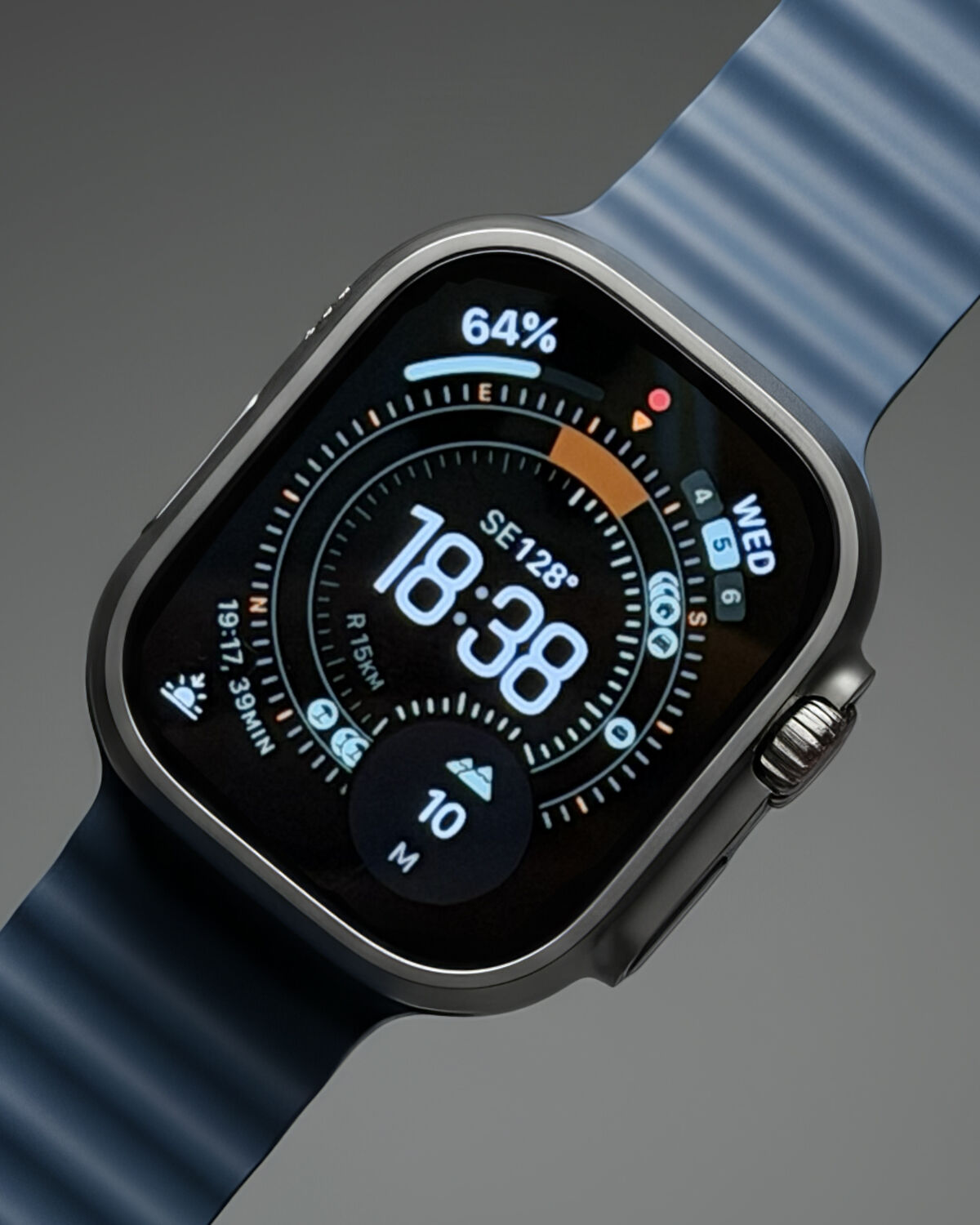
Living off only an LTE-enabled smartwatch in 2026 is possible for short stretches, but not as a permanent replacement for a smartphone. The watch can handle payments, music, and short replies well; battery life, navigation, and the lack of a camera are where it falls apart. Its biggest benefit is psychological: without a big screen, doomscrolling simply stops being an option.
The idea appeals to anyone whose screen time has crept up and whose attention is shredded by constant notifications, doomscrolling, and the overwhelming noise of the digital world, but who can't fully give up connectivity for work. Locking the flagship phone in a drawer and living exclusively off the wrist is the extreme version of digital minimalism. No big screen, no keyboard, no camera. Just a tiny computer strapped to your wrist.
How Bad Is Battery Anxiety on a Smartwatch-Only Setup?
Battery is the biggest immediate hurdle. Modern smartphones can easily last a day and a half. A cellular smartwatch, especially when used for GPS navigation and phone calls without a phone nearby to tether to, drains incredibly fast and may not make it through a busy afternoon.
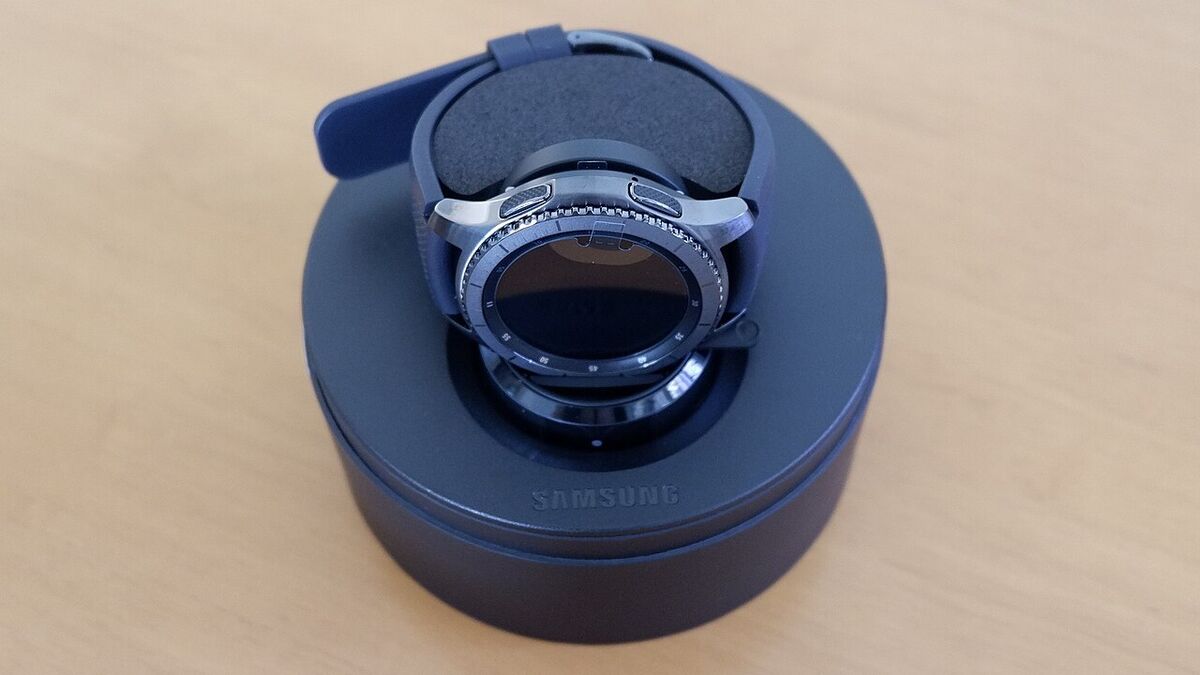
Living "smartwatch only" therefore means carrying a magnetic charging puck everywhere and plugging in whenever you sit at a desk. The first days can also feel strange in a different way: if you are used to pulling a rectangle out of your pocket every few minutes to check "just one thing," the absence of that device can feel like phantom limb syndrome.
What Can a Cellular Smartwatch Do Without a Phone?
Once the charging routine is in place, a surprising number of daily tasks work well on the watch alone.
- Payments: Tap-to-pay works without a wallet or a phone for groceries or coffee.
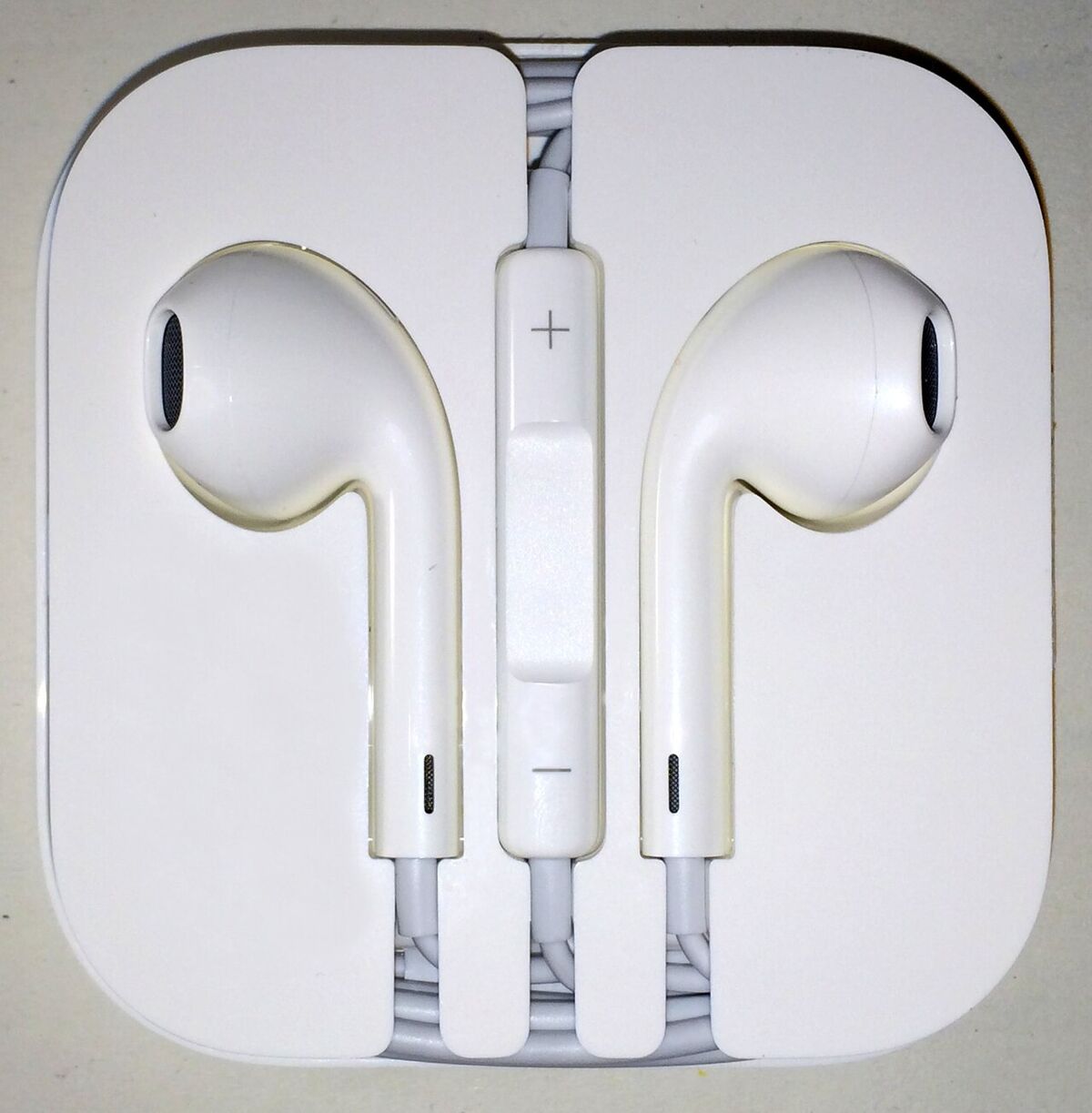
- Audio and Music: Paired with wireless earbuds, streaming music and podcasts directly from the watch over LTE works smoothly, which can make runs and gym sessions feel light and liberating.
- Essential Communication: Voice dictation in 2026 is highly accurate. Replying to urgent texts or emails by speaking into your wrist feels a bit like a sci-fi movie, but it works. More importantly, it is annoying enough that you tend to reply only to things that genuinely matter.
What Are the Limits of a 2-Inch Screen?
You cannot escape the physical limitations of a 2-inch display.
Navigation is a major pain point. Turn-by-turn walking directions are great, but looking at a broader map to find a specific restaurant or understand traffic patterns is virtually impossible. The missing camera is the other big gap: there is no way to photograph a sunset or scan a QR code at a restaurant.
Does a Smartwatch-Only Life Actually Improve Focus?
The most meaningful change is not technological; it is psychological.
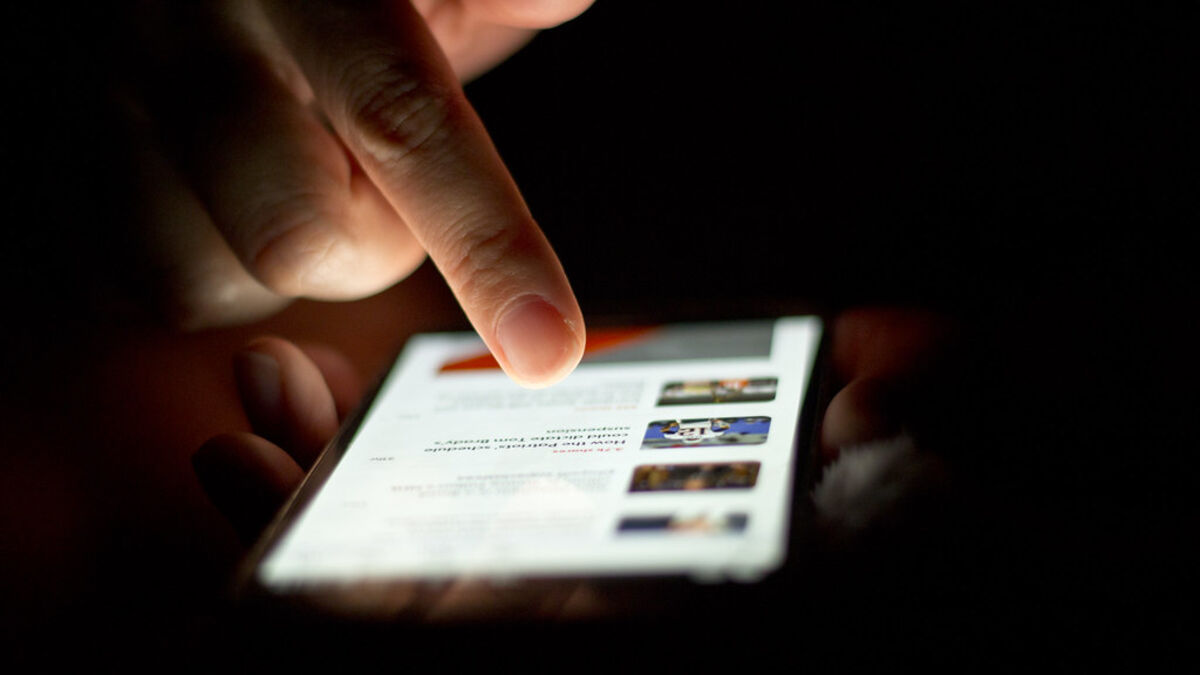
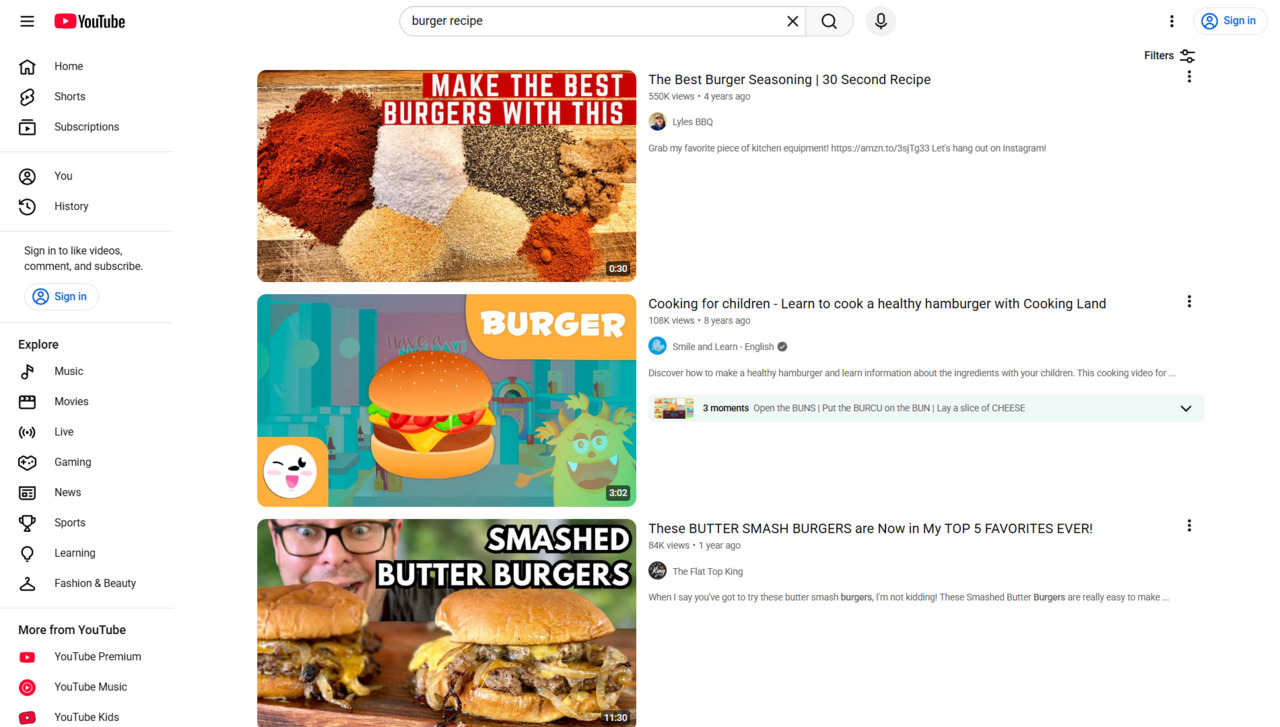
With only a smartwatch, you cannot doomscroll. You cannot watch YouTube videos or casually browse social media while waiting in line for coffee. You are forced to just stand there and be present.
That can shift how you move through the day. You may start noticing the buildings around you and feel less rushed. At dinner with friends, a notification becomes a quick glance at your wrist: not an emergency, back to the conversation. There is no 20-minute vortex of unlocking a phone to check one email and ending up on Instagram.
Should You Try Living With Only a Smartwatch?
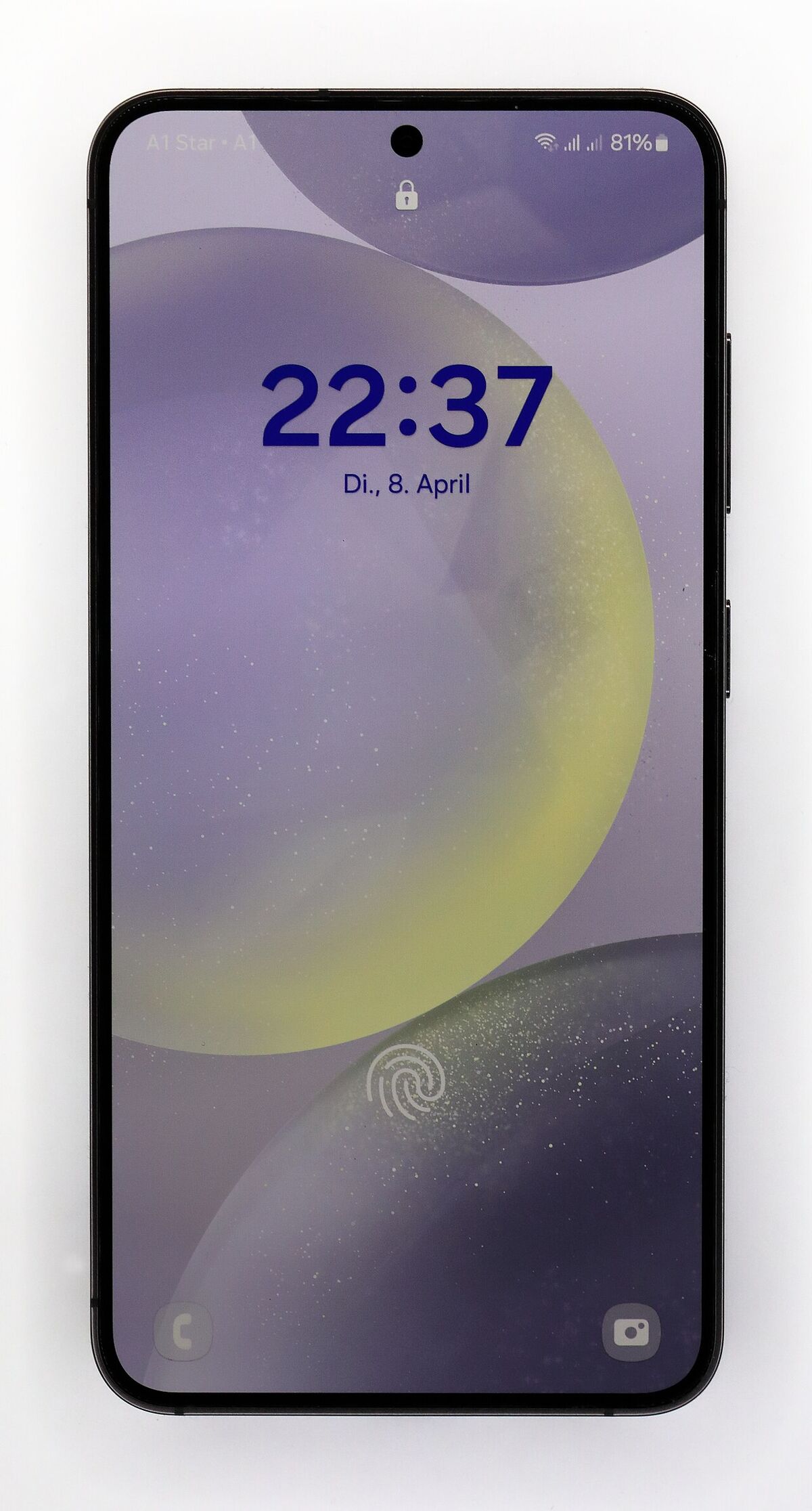
As a permanent setup, probably not. You still need a camera, and typing long work emails on a wrist device is impossible. Picking a smartphone back up after a stretch without one can also feel strange: heavy, massive, and overwhelmingly bright. That contrast is part of the point.
I think the realistic version is a smartwatch-only weekend. Leave the phone at home when you go to the grocery store or meet friends for dinner. If you feel burned out by your digital life, it is a simple way to force digital boundaries and remind yourself that the real world is happening right in front of you, not on a glowing screen.