Ai data
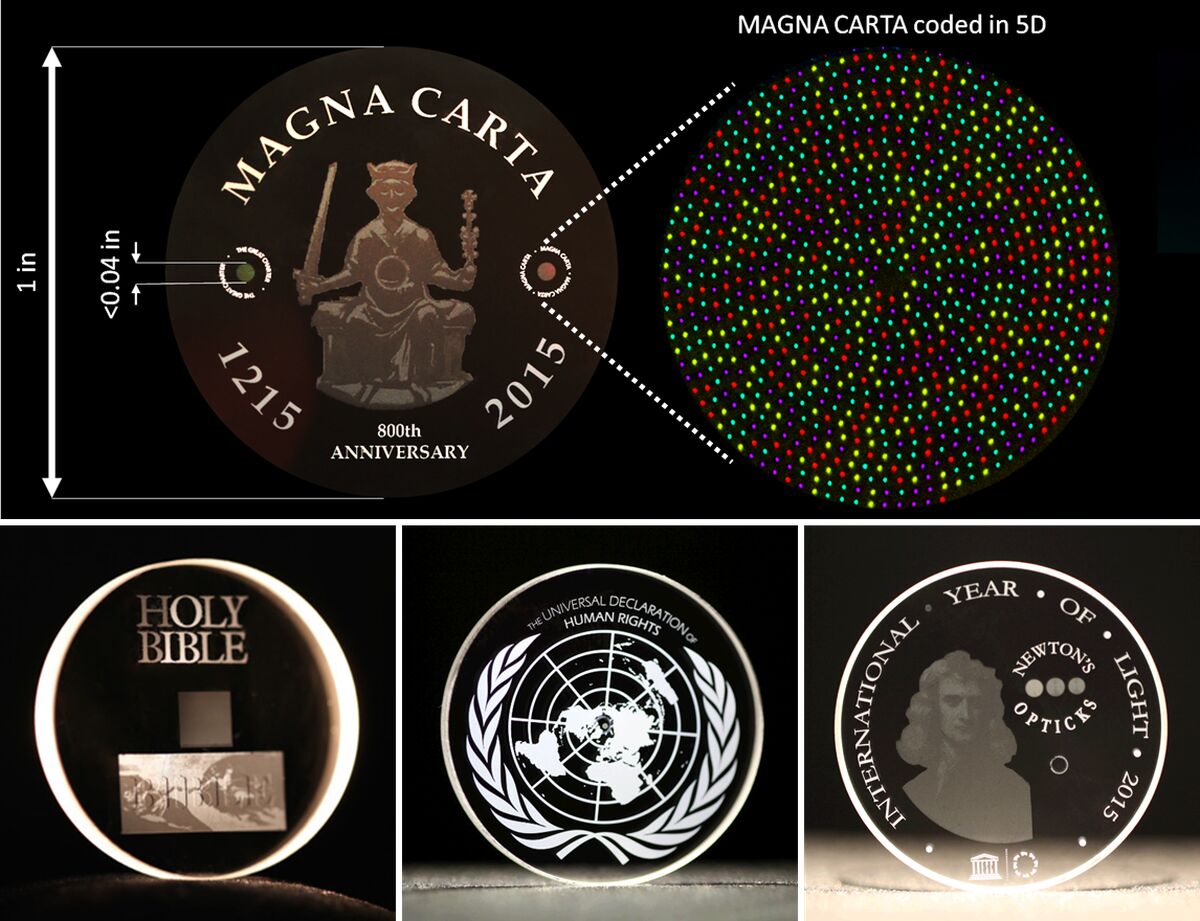
The Ultimate Hard Drive: How DNA Digital Data Storage Works and What Still Holds It Back
DNA storage encodes data into A, C, G and T bases at about 215 petabytes per gram in research, but slow, costly writing keeps it out of the mainstream.
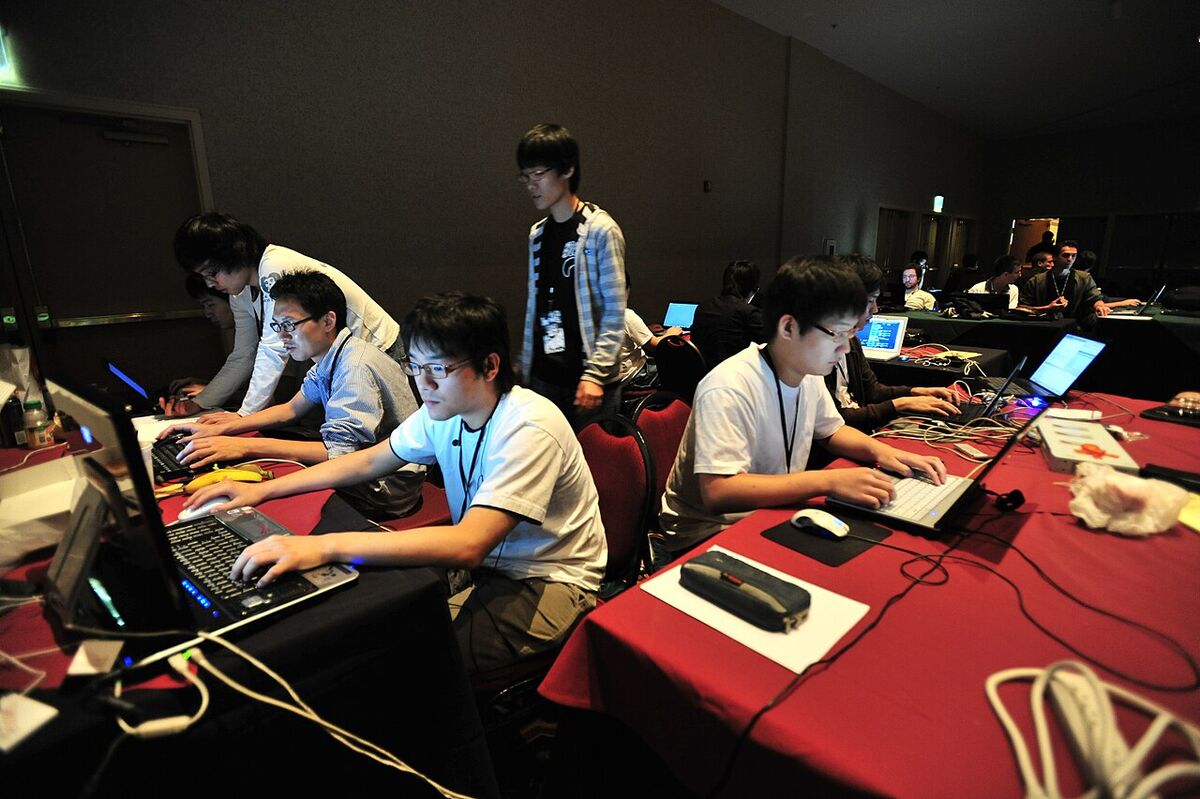
What Happens When an AI Is Fed Fake Data? The Answer Is Terrifying
AI data poisoning plants bad examples in training data so a model misbehaves on cue. Research shows 250 documents can backdoor an LLM and benchmarks miss it.
AI Security Platforms: The New Shield in the Era of Autonomous AI Agents
AI security platforms monitor AI use, enforce policies and guard against prompt injection and rogue agents. They cut risk but can't fully stop injection.
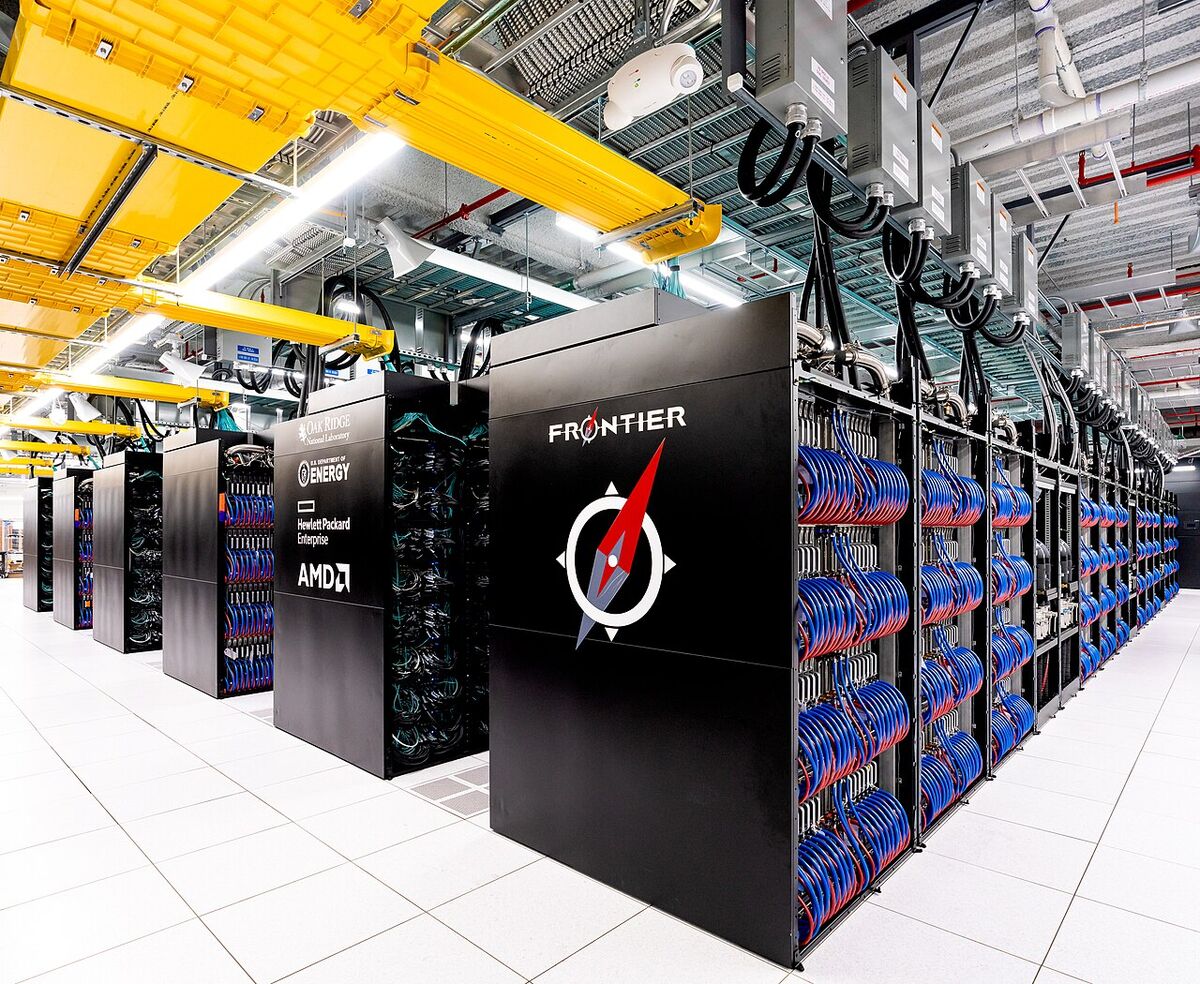
The Reality of AI Supercomputing Platforms: The Great Bottleneck of Enterprise AI in 2026
Gartner's AI supercomputing platforms mix GPUs, ASICs and other chips. For most firms the hard limits are compute cost, power and cooling, not the AI model.

Inside a 'Playable AI' World: Why It Could Change Traditional Gaming
World models like Google's Genie 3 turn a prompt into a world you can move through in real time. In 2026 sessions last about a minute at 720p, so games stay safe.
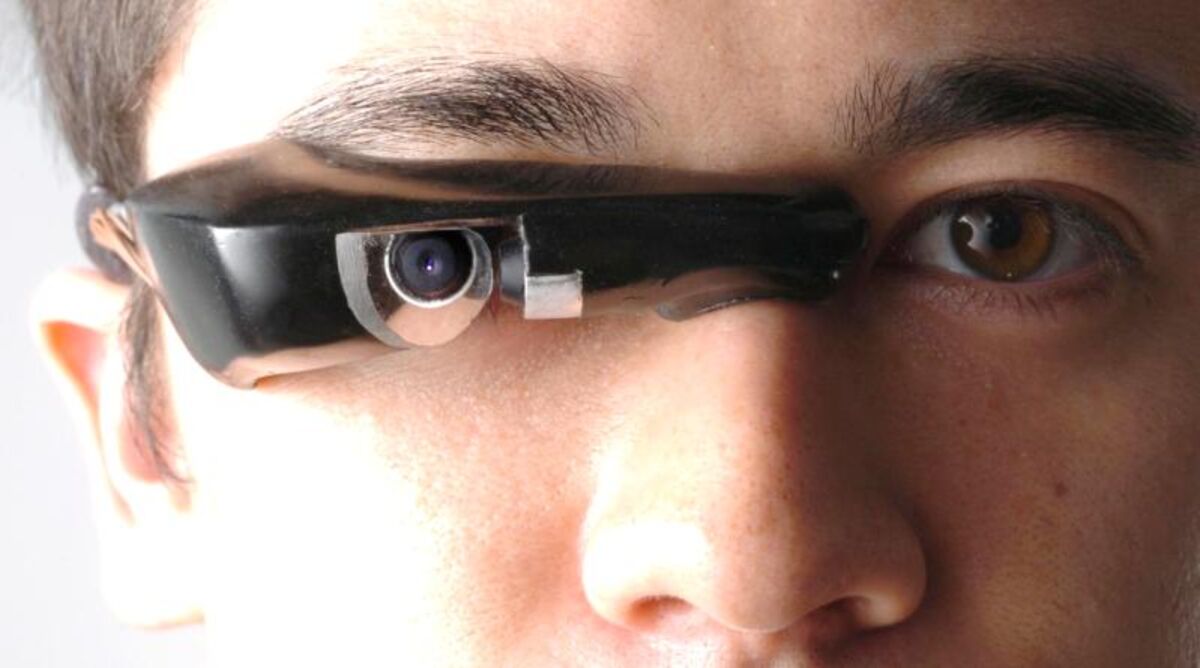
AI Pendants in 2026: The Reality of Always-On Microphones
AI pendants record your day and turn it into notes, but Limitless stopped selling its pendant after Meta bought it. Here is where the category stands in 2026.
The Silent Revolution: How AI Voice Cloning is Changing Audio in 2026
AI voice cloning now sounds human, reshaping audiobooks and voice acting and fueling scams, as watermarks and Content Credentials try to show what's real.
Enterprise Agentic AI: From Prompting to Delegating in 2026
Coding agents in 2026 can take a task, change code, run tests and open a pull request on their own, but developers still fully delegate only a small share of work.
Sovereign AI: Why Enterprises and Nations Are Reclaiming Their Tech Stacks in 2026
Sovereign AI means building and running AI on infrastructure, data and talent you control. Why nations and companies want it, what EU rules require, and the costs.
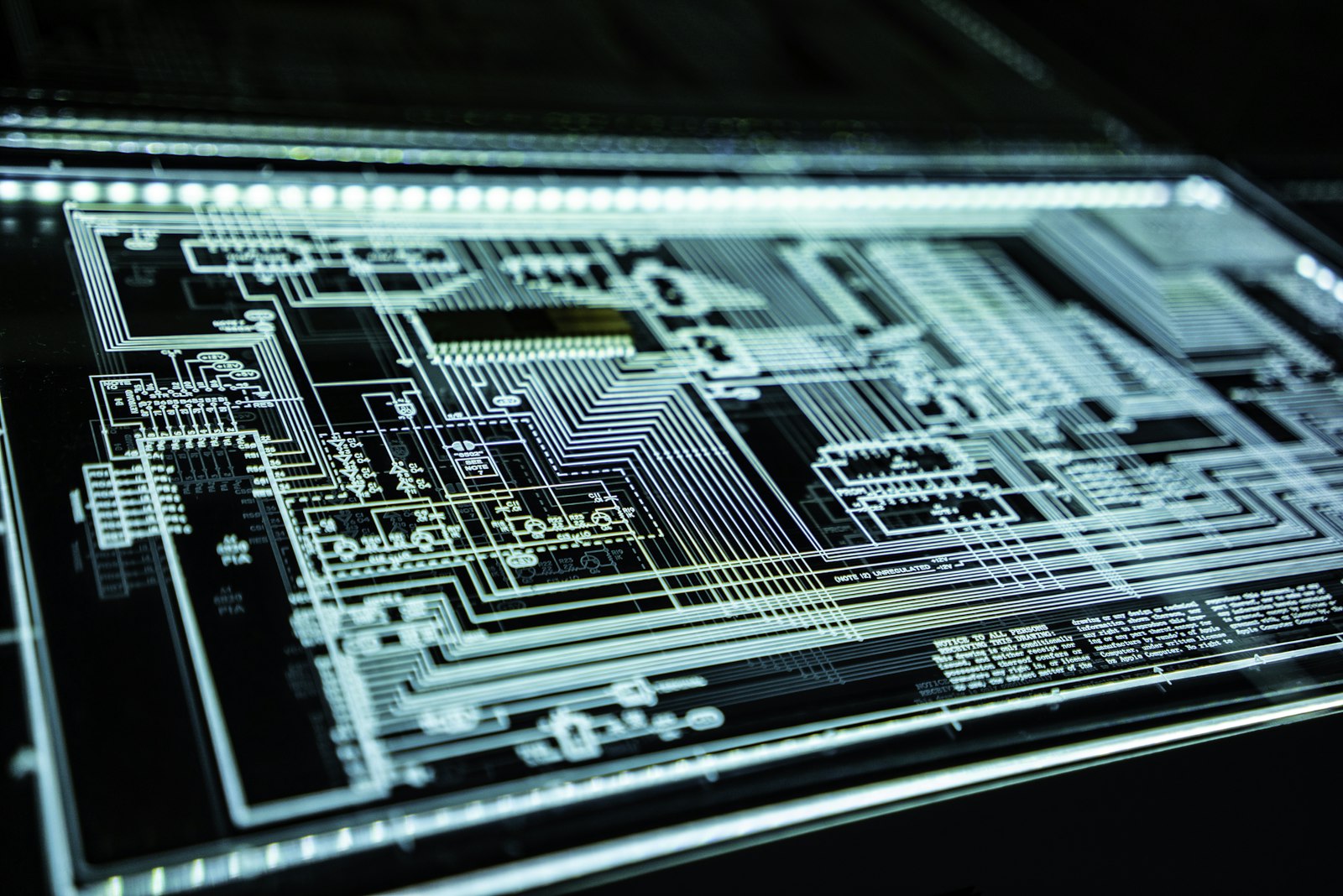
Neuromorphic Computing in 2026: Building Chips That Think Like Brains
Neuromorphic chips mimic the brain by keeping memory next to compute and firing only on spikes, which can cut energy use sharply for some AI tasks. Here's how.
5 Painful Lessons from Building an Enterprise RAG System (And How to Fix Them)
Production RAG fails on parsing, chunking, stale data, hallucination and context cost; vision parsing, parent-child chunks, metadata sync and reranking fix it.
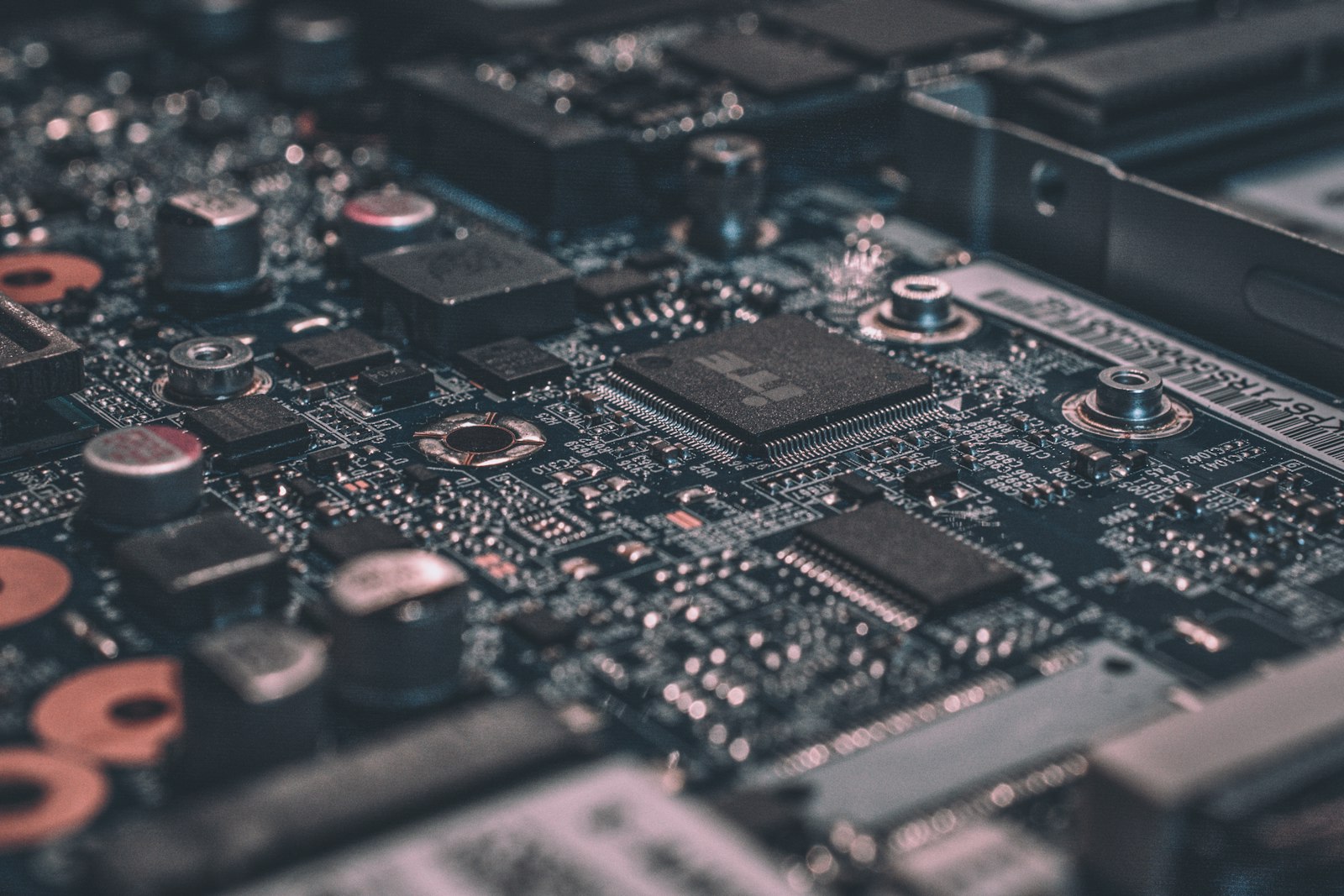
Multiagent AI Systems: What They Are, Where They Work, and What They Cost
Multiagent AI splits work across specialized agents. It can beat a single agent on broad research tasks, but it burns far more tokens and adds failure modes.
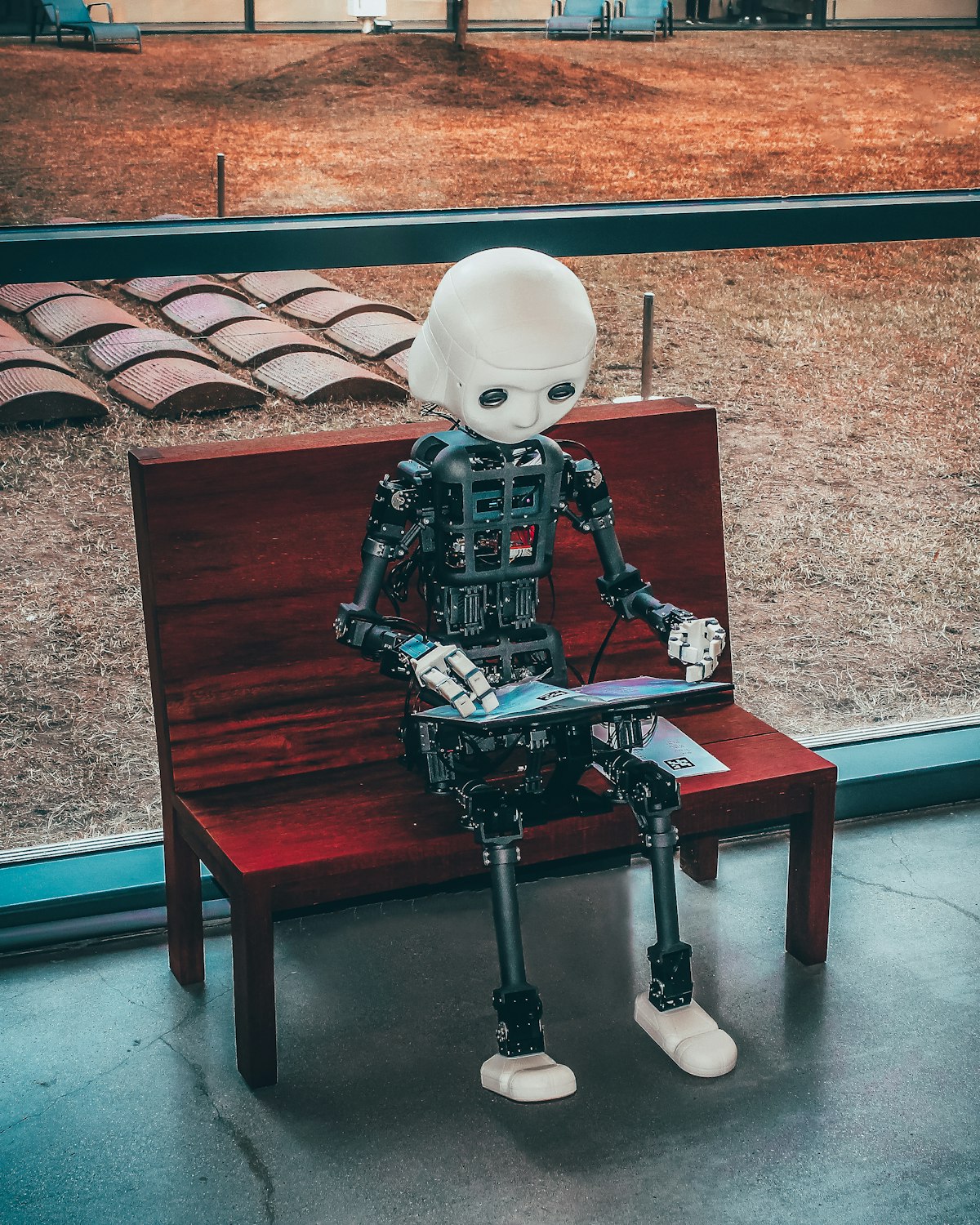
Agentic AI in the Real World: Practical Use Cases Revolutionizing 2026
AI agents now take actions in real software, like refunds and IT fixes, but results vary: Gartner expects over 40% of agentic AI projects to be scrapped by 2027.
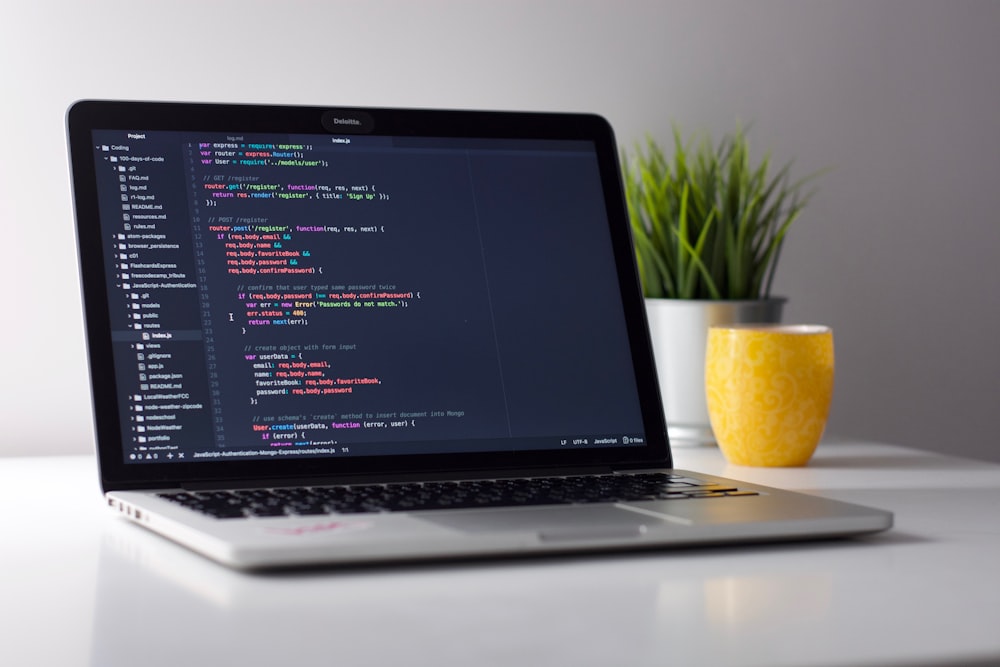
Why Running Local LLMs on a MacBook Is a Smart Tech Decision in 2026
Apple Silicon MacBooks can run open-weight LLMs locally with Ollama, LM Studio or MLX for private, offline AI. Memory decides which models fit and how fast.
Google I/O 2026 Recap: From Gemini 3.5 Flash to Smart Glasses, the Future of AI is Here
Google I/O 2026 centered on Gemini: the Gemini 3.5 Flash model, the Gemini Spark 24/7 agent, a rebuilt Search box, Universal Cart, and Android XR glasses.
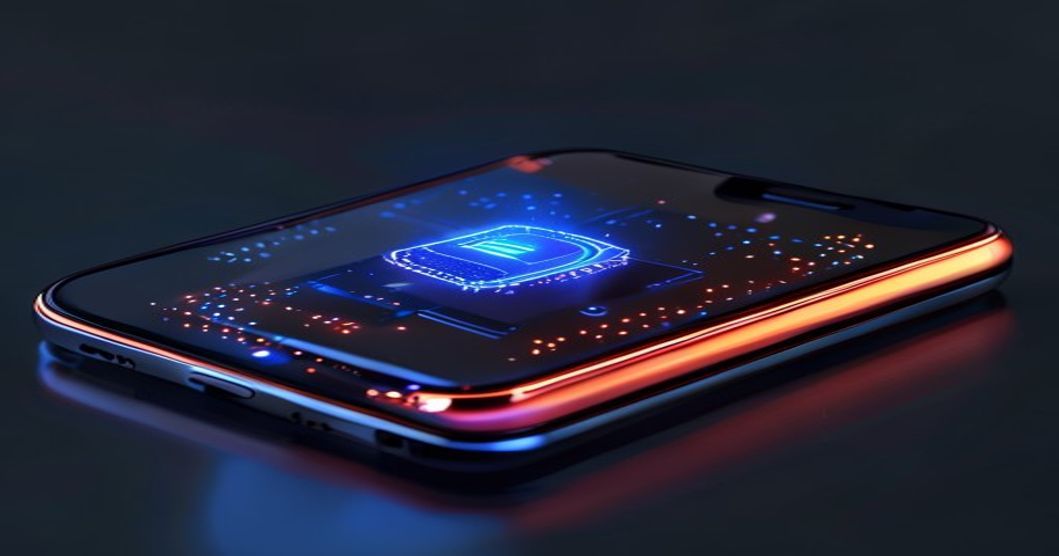
What Is On-Device AI, and What Does It Change on Phones and PCs?
On-device AI runs models on your phone or PC's own NPU instead of the cloud, so some features are faster, more private and work offline. Big tasks still go online.
Claude's Computer Use Feature: Is It Really Moving My Mouse?
Anthropic's Claude Computer Use lets AI read your screen and control the mouse and keyboard. It adapts well but is slow, error-prone, and a security risk.

The Death of the Chatbot: Why Claude Artifacts and OpenAI Canvas Are Changing How We Work
Claude Artifacts and OpenAI Canvas move AI output out of the chat bubble into a side workspace you can preview, edit and refine, instead of regenerating it.
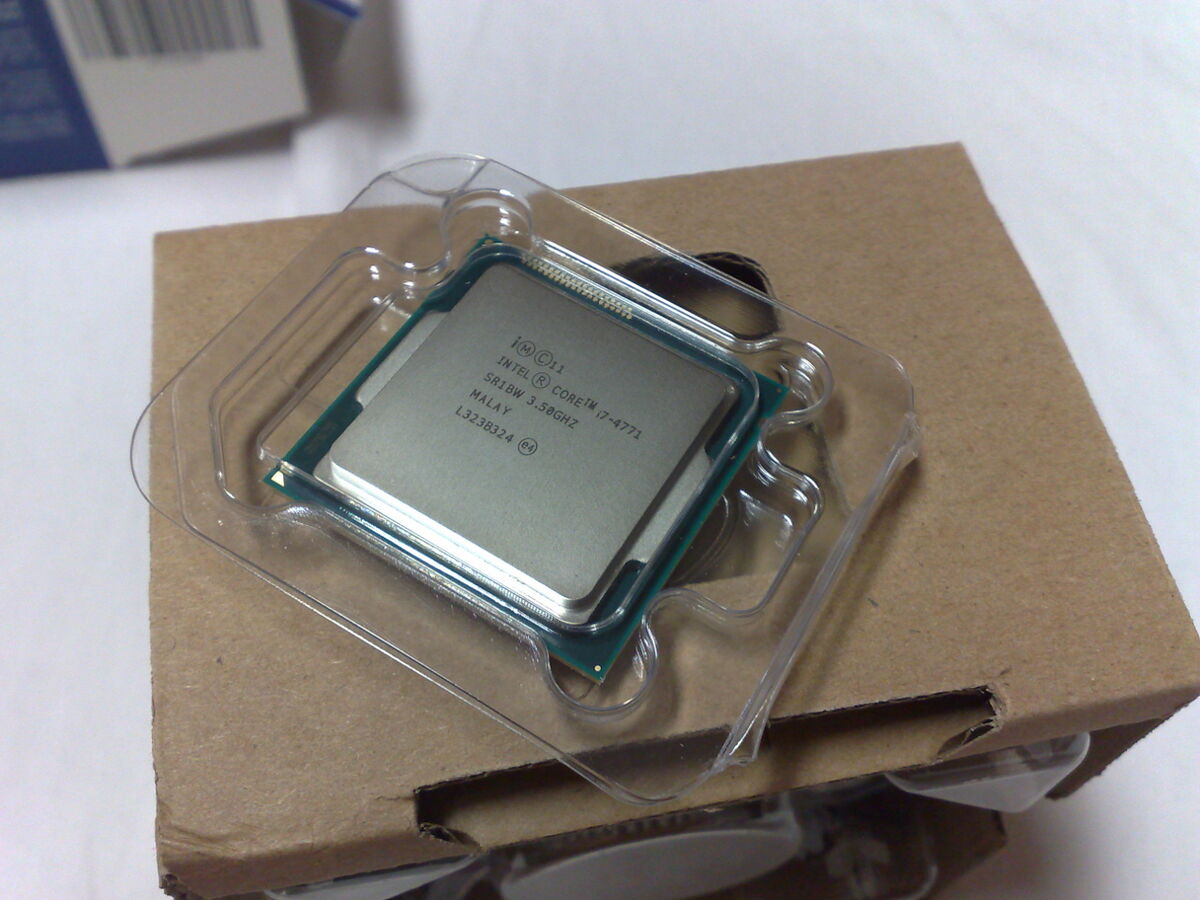
Coding with OpenAI's o1 Model: Strengths, Limits and Costs
OpenAI's o1 reasons step by step before answering, which helps with hard bugs and logic, but it was slow, billed hidden reasoning and had tight weekly caps.

When AI Wins a Nobel Prize: Why AlphaFold Deserved the 2024 Chemistry Award
The 2024 chemistry Nobel went to David Baker for protein design and to DeepMind's Hassabis and Jumper for AlphaFold, which predicts protein shapes from sequence.

Can AI Search Replace Google? The Reality of SearchGPT and Perplexity
AI search tools like Perplexity and ChatGPT search, SearchGPT's successor, summarize answers well, but a 2025 study found them wrong on over 60% of citation tests.
Gemini Advanced vs ChatGPT Plus: The Brutally Honest Truth
Gemini Advanced stood out for Google Workspace links and a 1 million token context window; Google renamed it Google AI Pro in 2025. Here's how to choose.
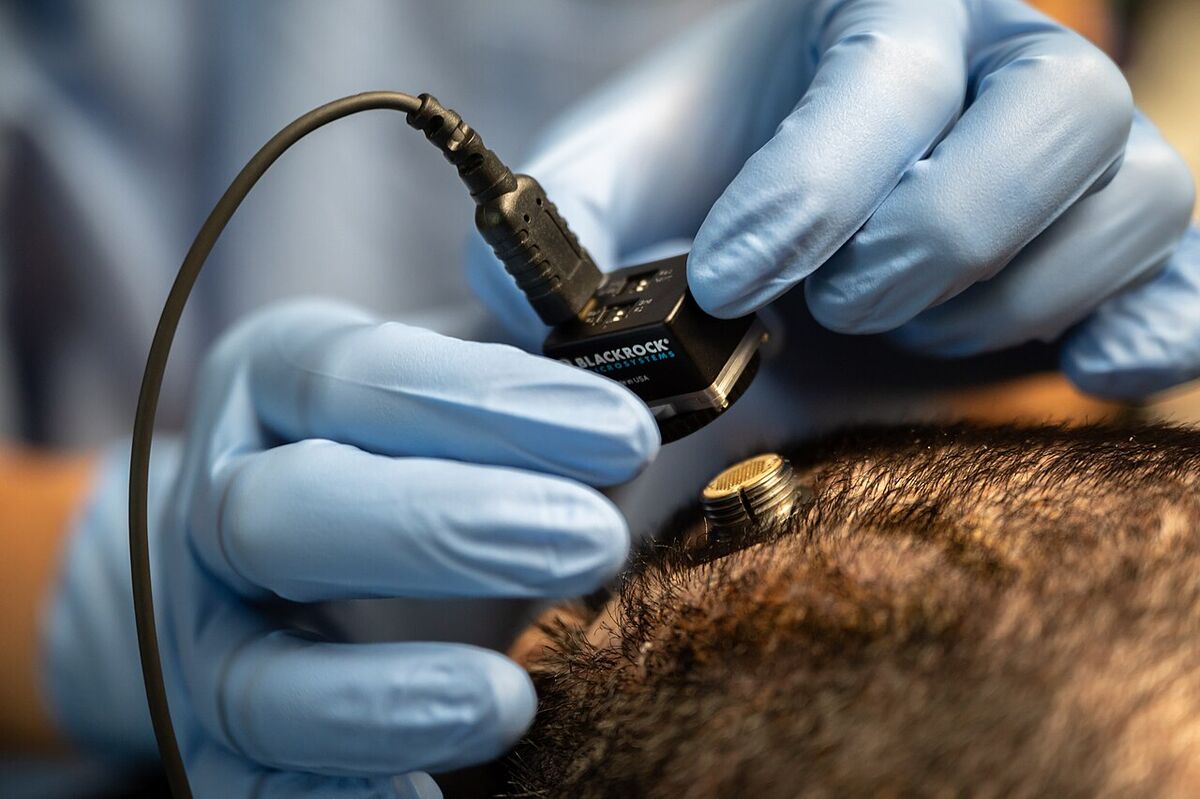
Can AI Decode Dreams? What Brain-Scan Research Really Shows
AI can't record dreams. fMRI studies have guessed what people saw as they fell asleep and rebuilt images people viewed while awake, raising mental privacy questions.