The Ultimate Hard Drive: Why DNA Digital Data Storage is Finally Happening in 2026
- Technology, AI & Data
- Exienent
- · Updated
DNA Digital Data Storage encodes ones and zeros into the four chemical bases of DNA, and in 2026 it has quietly moved from the laboratory to the commercial enterprise sector. It is far too slow for everyday computing, but for long-term archives it offers extreme density and durability that magnetic tape and hard drives cannot match.
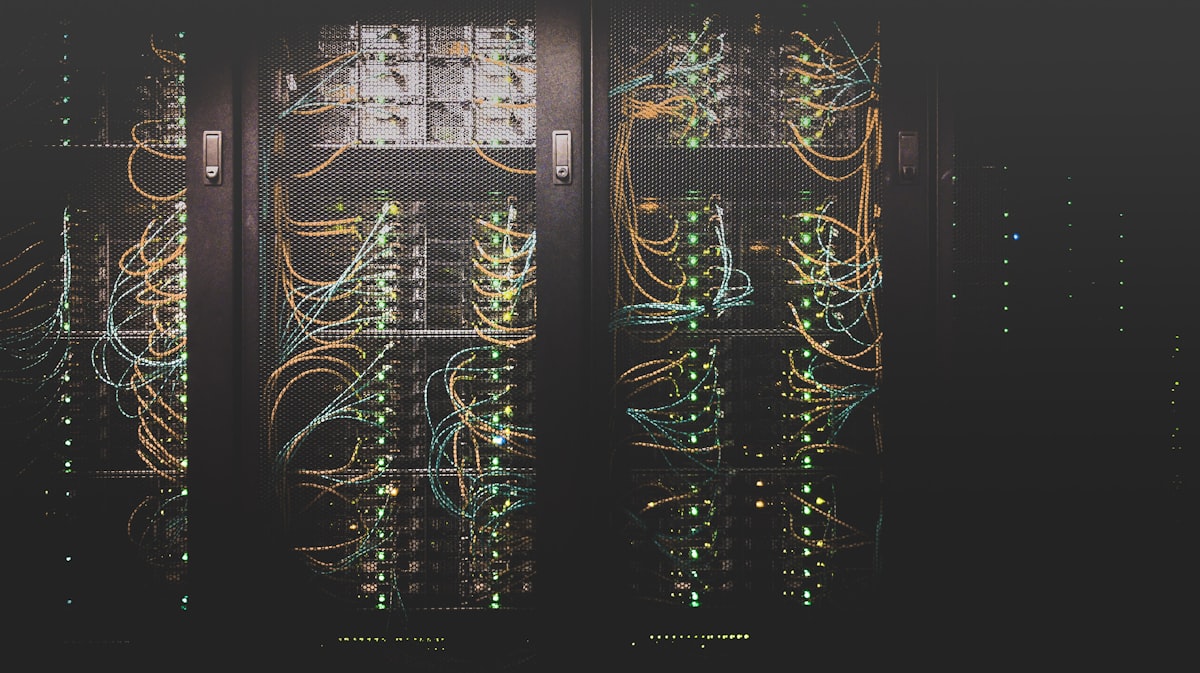
Consider how much data a single person accumulates: thousands of high-res photos, 4K videos, and countless backups can fill an external hard drive fast. Multiply that by the entire planet, and the problem becomes obvious. We are generating data at an explosive, unprecedented rate (thanks largely to AI and ubiquitous video), and we are simply running out of physical space, rare earth metals, and electricity to build enough traditional server farms. The most unlikely hero of 2026 is biology. It sounds like the plot of a cyberpunk thriller, but it is real.
Why Is the World Running Out of Data Storage?
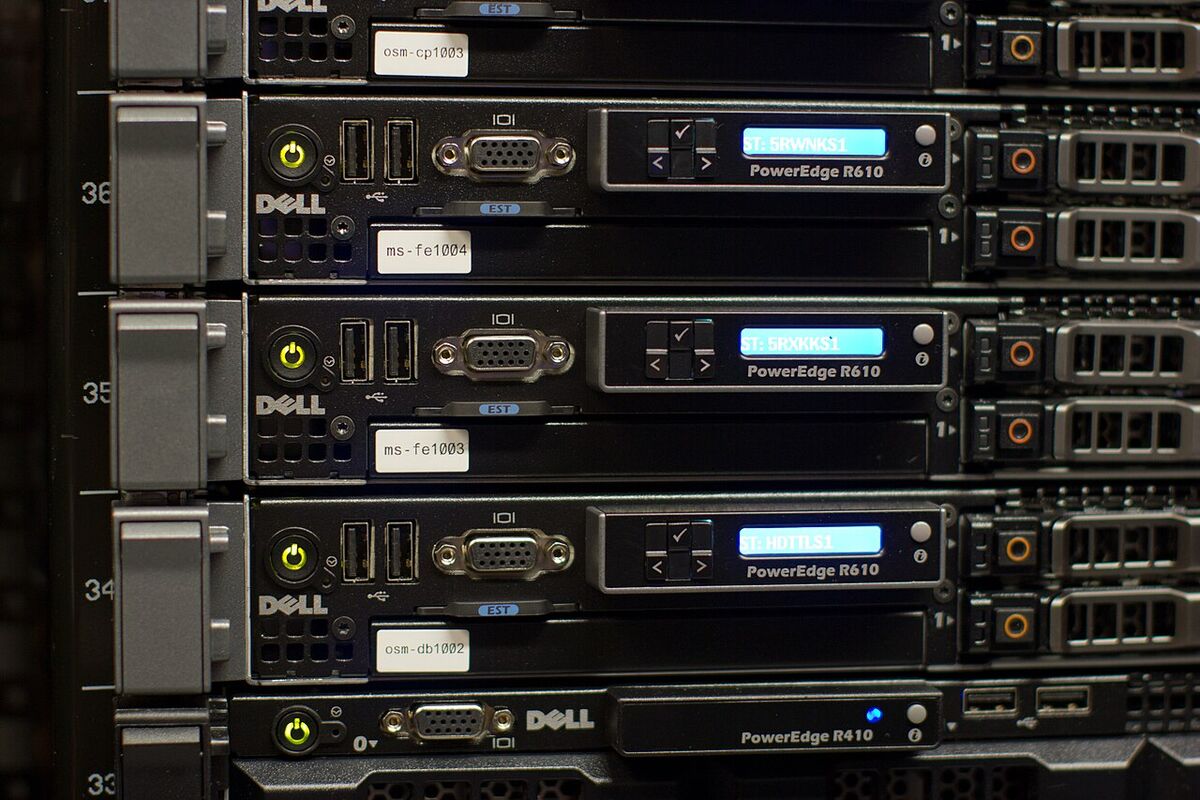
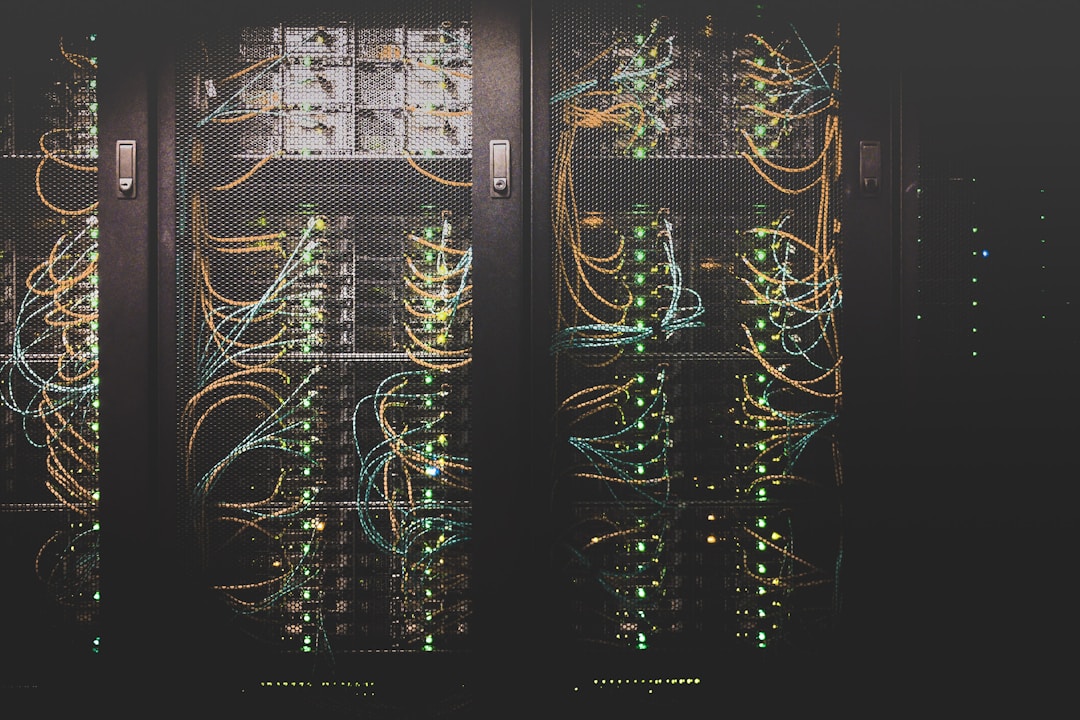
The world's archives still depend on old, bulky media. Right now, the vast majority of the world's 'cold data' (stuff that needs to be kept but isn't accessed every day, like historical archives, financial records, and old movies) is stored on magnetic tape. Yes, tape. It is bulky, it degrades over time (usually needing to be replaced every 10 to 20 years), and maintaining the massive, climate-controlled warehouses to hold it all is an environmental nightmare.
If we keep producing data at our current trajectory, within a few decades, we literally won't have enough silicon on the planet to store it all. We need a radically different medium.
Why Is DNA the Perfect Hard Drive?
DNA beats every man-made storage medium on density, durability, and longevity of readers. Mother Nature spent a few billion years perfecting data storage, and her solution is a masterpiece of engineering. When you stop looking at DNA as just biology and start looking at it as an information technology, its specs are absolutely mind-blowing.
- Extreme Density: DNA is unbelievably compact. A single gram of DNA can theoretically hold about 215 petabytes (that is 215 million gigabytes) of data. To put that into perspective, you could store the entire contents of the modern internet in a shoebox full of DNA.
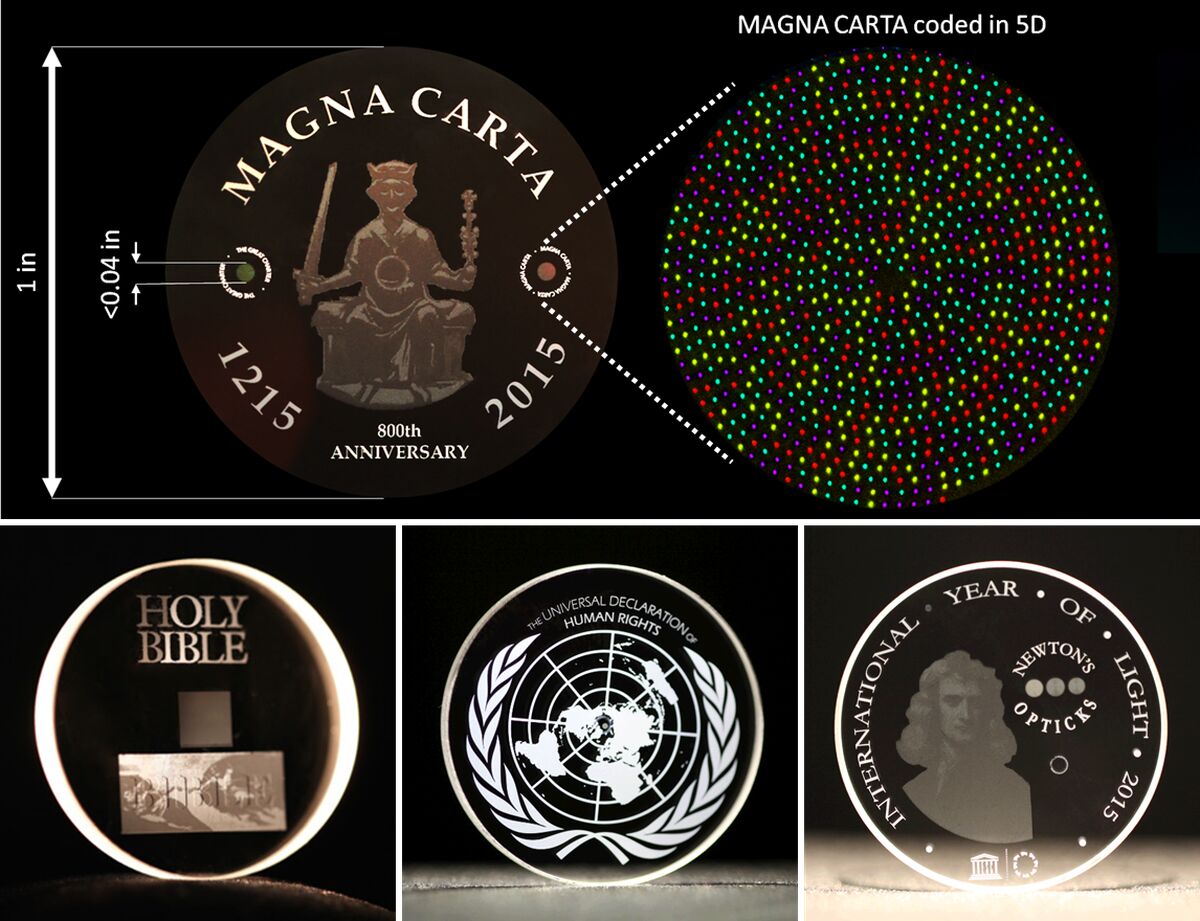
- Eternal Durability: If you leave a standard hard drive or a USB stick in a drawer, it will likely be unreadable in 15 or 20 years. DNA, on the other hand, can last for thousands of years if kept cool and dry. We are routinely reading the DNA of woolly mammoths that have been frozen in permafrost for millennia.
- Future-Proof: As long as there are human beings on Earth, we will always have the technology and the desire to read DNA. We won't have the "floppy disk problem" where the hardware to read the data becomes obsolete.
How Do You Write a Movie into DNA?
You translate binary code into DNA letters, then chemically print the matching strands. The process in 2026 is complex, but the underlying logic is surprisingly simple.
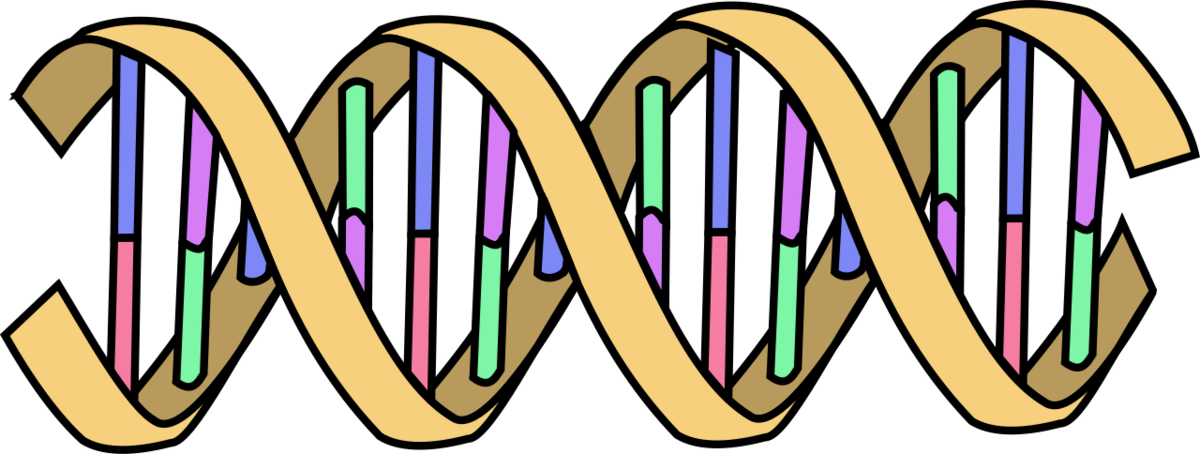
Traditional computers use a binary code: combinations of 0s and 1s. DNA uses a quaternary code made of four chemical bases: Adenine (A), Cytosine (C), Guanine (G), and Thymine (T).
To store a file, an algorithm simply translates the binary digital code (00, 01, 10, 11) into the letters of the DNA code (A, C, G, T). Then, a machine called a DNA synthesizer chemically prints out actual, physical, synthetic DNA strands matching that sequence. The resulting DNA looks like a tiny speck of white dust at the bottom of a test tube.
When you want to retrieve your data, you put that speck into a DNA sequencer (the same machines used in hospitals and crime labs). The machine reads the A, C, G, T sequence, the algorithm translates it back into 0s and 1s, and boom—your file appears on your screen.
Is DNA Data Storage Commercially Available in 2026?
Yes, for enterprise archiving. For a long time, the barrier was cost. Writing (synthesizing) and reading (sequencing) DNA was astronomically expensive and excruciatingly slow.
In 2026, the technology hit a critical inflection point. Biotech startups and major tech conglomerates have partnered to drastically automate and shrink the synthesis process. We are now seeing the first enterprise-level "DNA Archiving Services."
You can't buy a DNA hard drive for your laptop yet—it takes hours to read and write the data, making it useless for playing a video game or editing a document. But for movie studios archiving their master files, or hospitals preserving millions of patient records for the next century, DNA is suddenly becoming the most cost-effective and secure option on the market.
We are standing at the edge of a massive paradigm shift. By storing our digital lives in the very code of biological life, we are ensuring that humanity's knowledge will survive long after our silicon servers have turned to dust.