The Bizarre 50-Cent Hack That Can Fix a Wi-Fi Dead Zone
- Technology, Lifestyle
- Exienent
- · Updated
Can aluminum foil really boost your Wi-Fi? It can help in one specific case: a curved, foil-covered piece of cardboard placed behind your router's antennas reflects signal that would otherwise be wasted and redirects it toward a dead zone. It costs almost nothing and takes about five minutes, so it is worth trying before spending hundreds of dollars on a mesh system.
We have all been there. You are lying in bed, ready to wind down with an episode of your favorite show, and suddenly the dreaded buffering wheel appears. Or maybe you are working from home, and your video call freezes exactly when you are making an important point, all because you are sitting in that one stubborn corner of your house where the internet goes to die.
A home office in a spare bedroom at the back of the house is a classic example. If the router is in the living room and three thick plaster walls stand in between, that room can easily become a complete Wi-Fi dead zone.
The first instinct is often to throw money at the problem with a high-end Wi-Fi 7 mesh system. But a life hack that sounds completely ridiculous is worth a try first: grab some aluminum foil from the kitchen. Here is how to do it, and the simple science behind why it can work.
Why does aluminum foil boost Wi-Fi?
Aluminum foil boosts Wi-Fi in one direction by reflecting radio waves. Most standard Wi-Fi routers come with omnidirectional antennas. This means they broadcast the Wi-Fi signal in a 360-degree circle, like a stone dropping in a pond and sending ripples in every direction.
That is great if your router is exactly in the center of your house. But if your router is against an exterior wall, half of your Wi-Fi signal is literally being broadcast out into your yard or into your neighbor's living room. You are wasting a massive amount of signal strength.
- How Aluminum Foil Helps: Aluminum is a metal, and metals are fantastic at reflecting radio waves (which is exactly what Wi-Fi signals are).
- The Concept: By placing a curved piece of aluminum foil behind the router's antennas, you are essentially building a microscopic satellite dish. You catch the signal that was being wasted against the wall and bounce it back forward, directly towards the rooms that actually need the coverage.
How do you build a foil Wi-Fi reflector?
You can build one in about five minutes with foil and cardboard. If you can wrap a baked potato, you can boost your Wi-Fi.
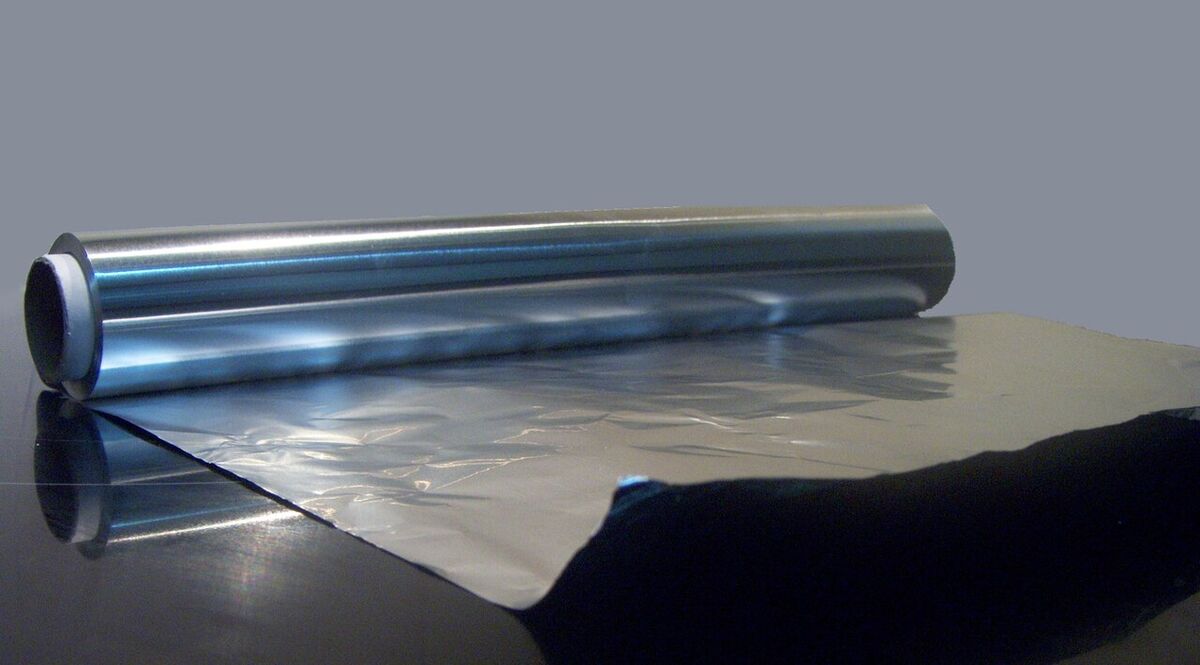
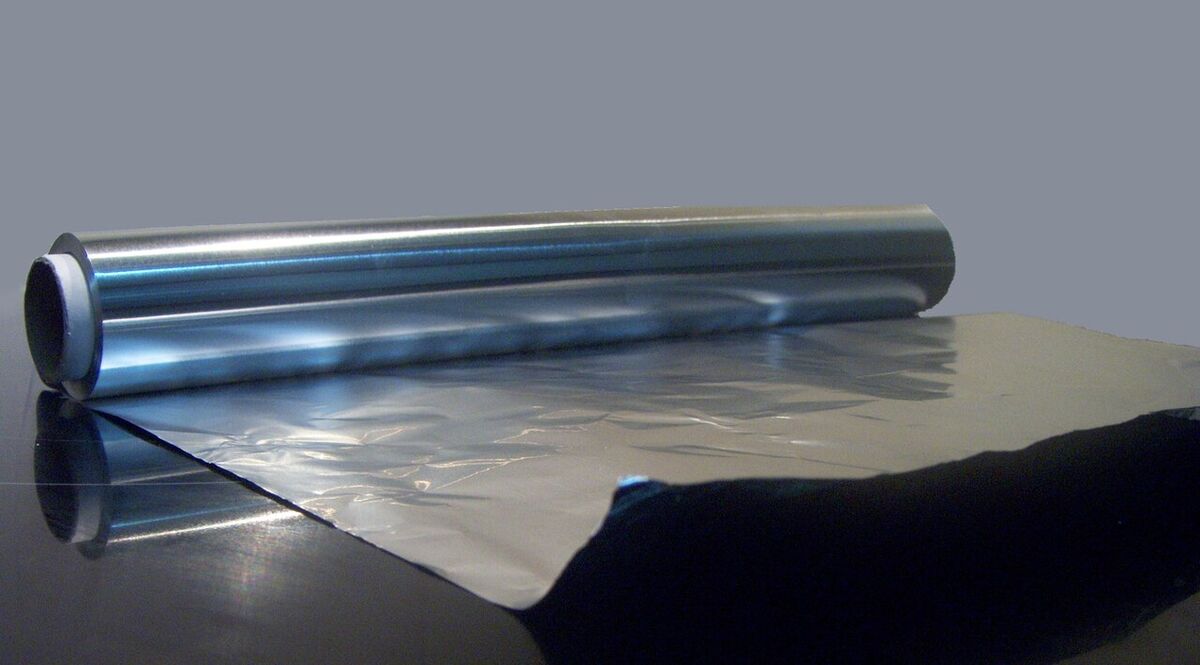
- Gather Your Supplies: All you need is a roll of standard kitchen aluminum foil and a piece of stiff cardboard (like from a cereal box or an Amazon package).
- Cut the Cardboard: Cut the cardboard into a rectangle, roughly the size of a standard sheet of printer paper (8.5 x 11 inches).
- Wrap It Up: Wrap the aluminum foil tightly around the cardboard, shiny side out. Keep it as smooth as possible, as wrinkles can scatter the signal unpredictably.
- Create the Curve: Gently bend the foil-covered cardboard into a slight "C" shape, or a parabola.
- Placement: Place this curved reflector behind your router's antennas. The concave (hollow) side of the curve should be facing directly toward the Wi-Fi dead zone in your house (for example, a back office).
How much can a foil reflector improve your speed?
The improvement depends on your layout, so measure it yourself. Run a speed test on your laptop in the dead zone before placing the foil, then set up the reflector and run the test again from the same spot.
When the router sits against a wall and the reflector is aimed straight at the problem room, download speed can rise noticeably, the connection may become more stable, and buffering during video calls can stop. If nothing changes, try adjusting the curve and angle before giving up.
What are the downsides of the foil hack?
The foil hack is not a magical fix for every situation.
- It's Directional: By boosting the signal in one direction (towards the dead zone), you naturally weaken the signal in the opposite direction (towards the street, for example). If you need strong Wi-Fi everywhere in a massive house, you might still need that mesh system.
- Aesthetics: Let's be honest, having a piece of cardboard wrapped in foil sitting next to your TV isn't exactly high-end interior design. Hiding it behind a large houseplant keeps it out of sight but still fully functional.
Is the foil hack worth trying?
Yes, if you are struggling with a frustrating Wi-Fi dead zone and want a fast, free solution before you spend hundreds of dollars on new hardware. Go check your kitchen drawers. I think this 50-cent DIY trick is one of the most satisfying low-cost tech hacks around.