3D Holographic Displays at Home in 2026: The End of Flat Screens?
- Technology, Review, Lifestyle, Hardware
- Exienent
- · Updated
Consumer light-field holographic displays, which arrived in 2026, are not ready to replace your flat-screen TV or main monitor. They are stunning for 3D objects, design work, and holographic video calls, but text looks blurry, the 3D effect only works inside a small viewing box, and the price is steep—so they work best as a secondary display.
For decades, we've been staring at flat rectangles. TVs, monitors, smartphones—no matter how high the resolution gets or how thin the bezels become, the fundamental experience has remained trapped in two dimensions. The sci-fi dream of true, volumetric holograms floating in the middle of a room, just like in Star Wars or Iron Man, has always been appealing.
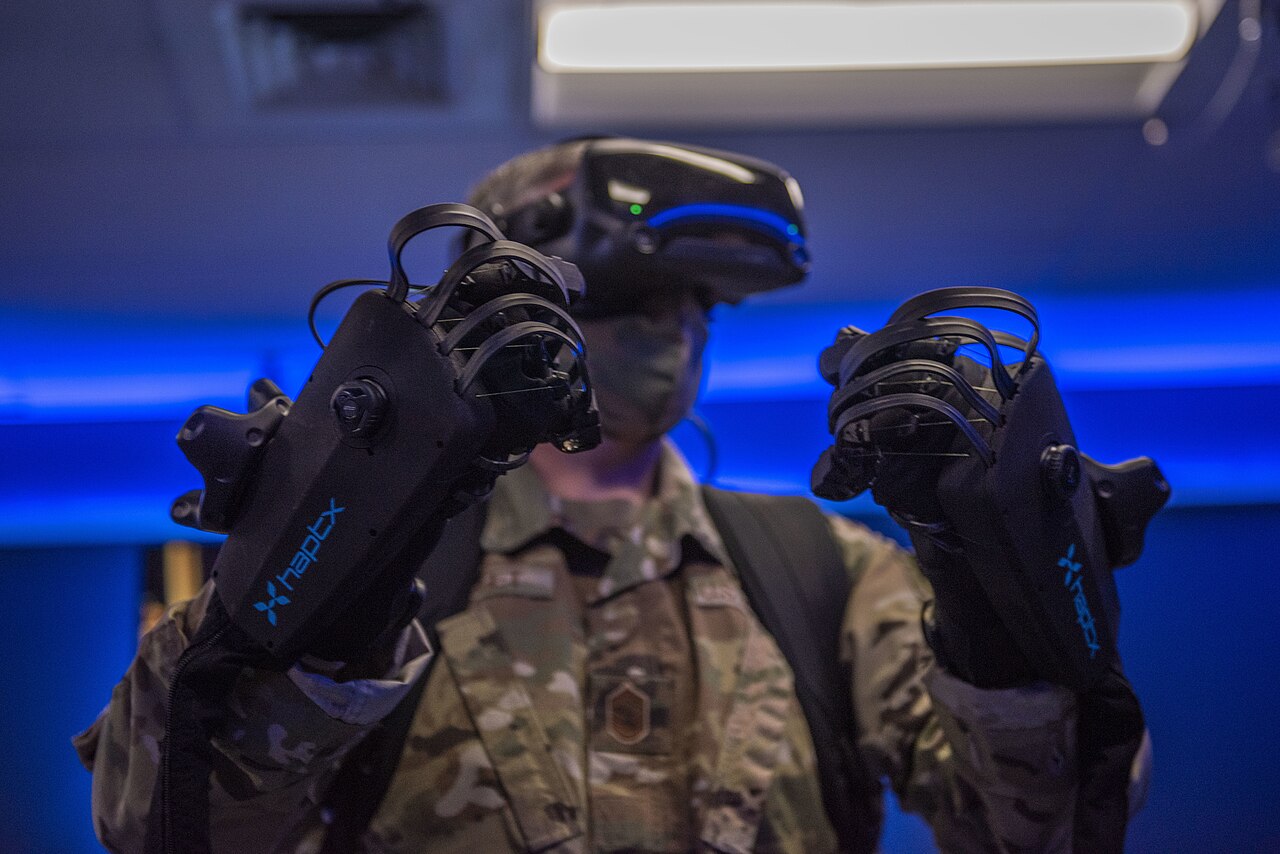
For a long time, this technology was strictly confined to multi-million dollar corporate labs or required you to wear a clunky AR headset. In 2026, the first wave of true, consumer-grade light-field holographic displays finally hit the market. No glasses, no headsets, just 3D objects floating in the physical space of your living room. Here is what a flagship model on a home office desk offers for both work and entertainment.
Do Consumer Holographic Displays Actually Work?
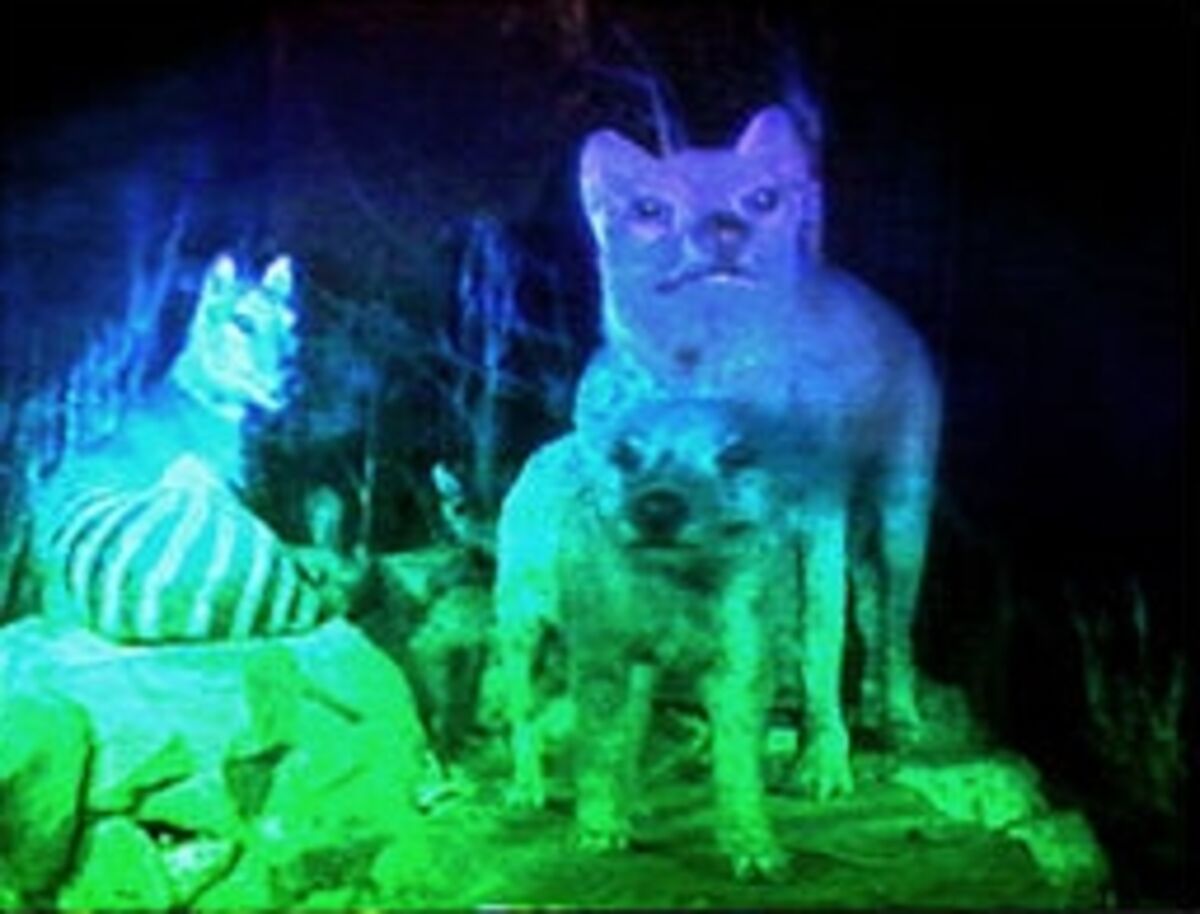
Yes—the "wow" factor is real. A demo application showing a highly detailed 3D model of a vintage sports car illustrates the difference. It isn't just a stereoscopic trick like those old 3D TVs. As you move your head from left to right, or stand up to look down at it, the perspective shifts in real time. You can see the reflection of virtual lights bouncing off virtual chrome, and your brain can be convinced that there's a tiny, physical car sitting on the desk.
- Natural Focus, Less Eye Strain: Unlike VR headsets that can cause nausea or eye fatigue by forcing your eyes to focus unnaturally, this light-field technology projects millions of individual light rays into the room. Your eyes focus on the hologram the same way they focus on a physical apple sitting on a table, which may make long sessions more comfortable.
- The Ultimate 3D Design Tool: Designing a 3D object on a 2D screen traditionally requires constant panning, zooming, and rotating to understand the depth. With the holographic display, the model is just there. Hobbyist and professional 3D modelers can reach out with a spatial controller and sculpt it as if it were made of digital clay, which can speed up the workflow considerably.
How Do Holographic Displays Change Video Calls and AI Assistants?
Communication may be the most surprising use case—even more than the professional tools.
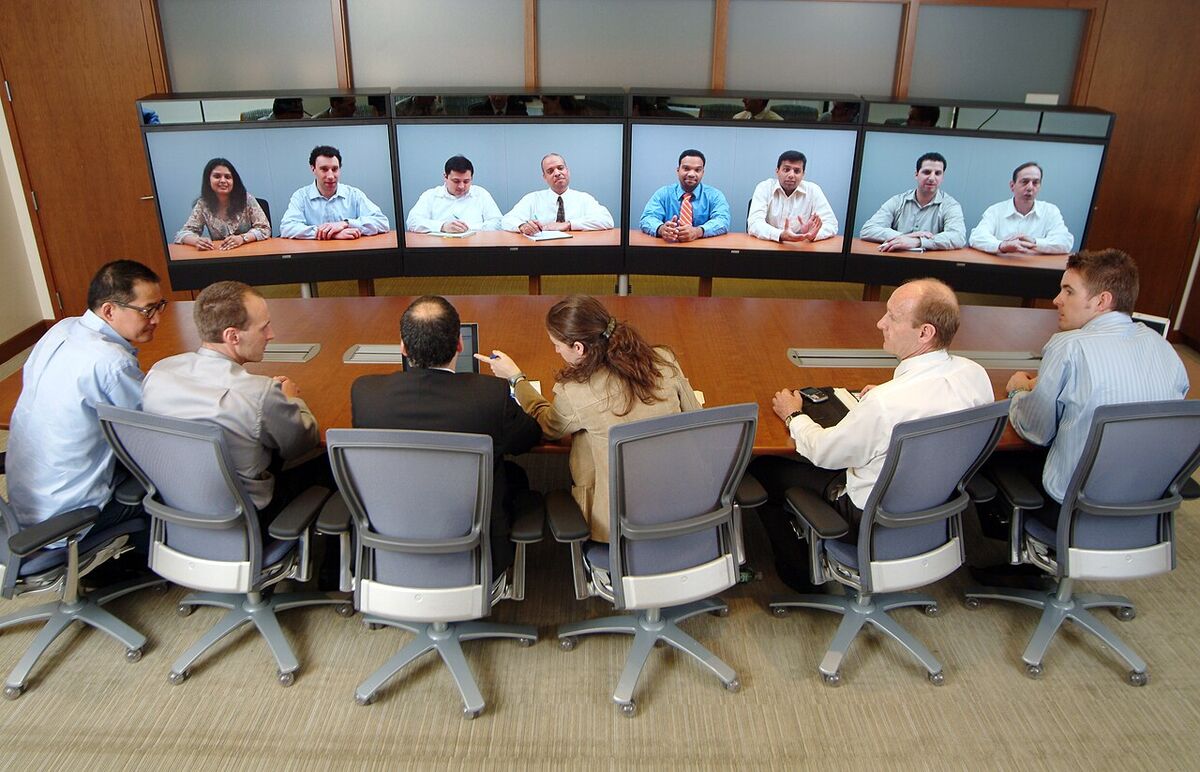
- Holographic Telepresence: "Zoom fatigue" is a familiar complaint, and staring at a grid of flat faces can be psychologically draining. On a holographic call between two similar setups, a life-sized, volumetric capture of the other person's head and shoulders appears across the desk instead of a flat video. You can make actual eye contact. It can feel strikingly intimate and human, bridging the gap of remote work in a way flat video struggles to.
- AI Embodiment: A local AI agent can be connected to the display. Instead of a disembodied voice coming from a speaker, the AI gets a physical presence—a stylized, softly glowing geometric avatar that floats above the display. When it speaks, it turns to "look" at you. That makes the interaction feel more conversational and less like barking commands at a machine.
Why Shouldn't You Throw Away Your Monitor Yet?
As magical as the technology is, the 2026 iteration is still a first-generation consumer product, and it comes with significant limitations.
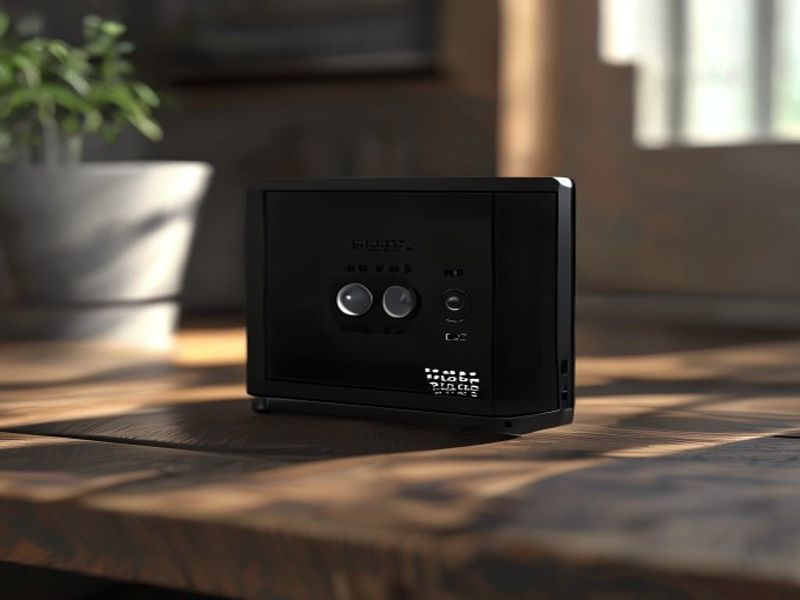
- The Viewing Volume is Restricted: The holograms don't just float anywhere in the room. They are constrained to a specific "viewing box" projected directly above the physical hardware base. Step too far to the left or lean in too close, and the illusion clips or shatters entirely. It feels like looking into a magical fish tank rather than a true open-air projection.
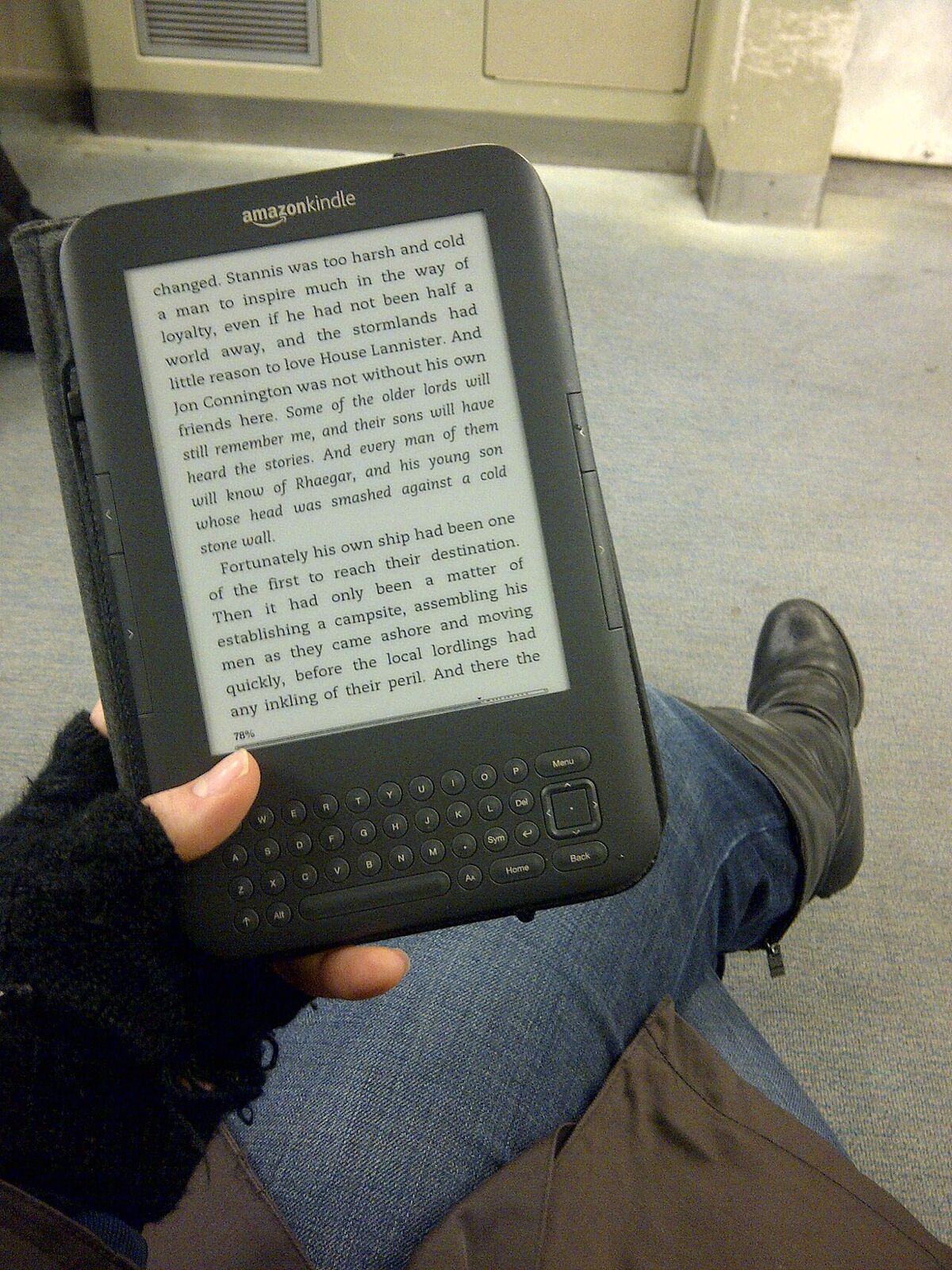
- Text is Terribly Blurry: This is the absolute dealbreaker for replacing a standard monitor. While the display is incredible for 3D objects, medical scans, or CAD models, attempting to read a standard black-and-white Word document or write code on it is a miserable experience. The resolution isn't sharp enough for fine text, and the slight shimmering effect of the light-field makes reading highly fatiguing.
- The Price of Admission: A flagship model can cost more than a high-end gaming PC and a premium OLED TV combined. Right now, this is a luxury item for early adopters and specific professionals (like architects or surgeons).
Will Holographic Displays Replace Flat Screens?
Not yet. Text processing and traditional 2D video are still vastly superior on a standard screen, so a holographic display won't replace your flat-screen TV or primary work monitor tomorrow. When it works, though, it feels like stepping through a portal into the year 2040—one of the most breathtaking, futuristic pieces of consumer technology available.
As a secondary display for 3D interaction, immersive communication, and sheer technological joy, I think it is unparalleled. The era of the flat screen isn't ending quite yet, but for the first time, its successor has arrived in our living rooms.